Global Hunger Crisis Deepens Amid Middle East Conflict
The ongoing conflict has exacerbated global crises, leading to unprecedented hunger levels worldwide at a time when famine relief funding has sharply declined, according to the head of the UN World Food Programme (WFP).
The WFP reports that approximately 345 million people globally face acute hunger, with 45 million affected due to the Middle East conflict and the resulting surge in oil prices.
This increase in need coincides with a 33% reduction in funding last year, notably with the United States—the largest donor—cutting its contributions by over 50%.
Carl Skau, the WFP’s acting executive director following Cindy McCain’s resignation earlier this year for health reasons, stated that the significant gap between needs and resources has compelled the organization to reduce support programs for populations in food emergencies to prioritize those confronting catastrophic famine.
“We take from the hungry to give to the starving. That’s the reality,” Skau told . “Much of this is driven by conflict. Last year, we had two famines declared. That hasn’t happened in decades, so these are historic levels of hunger.”
Eid al-Adha Observed Amid Conflict in Lebanon
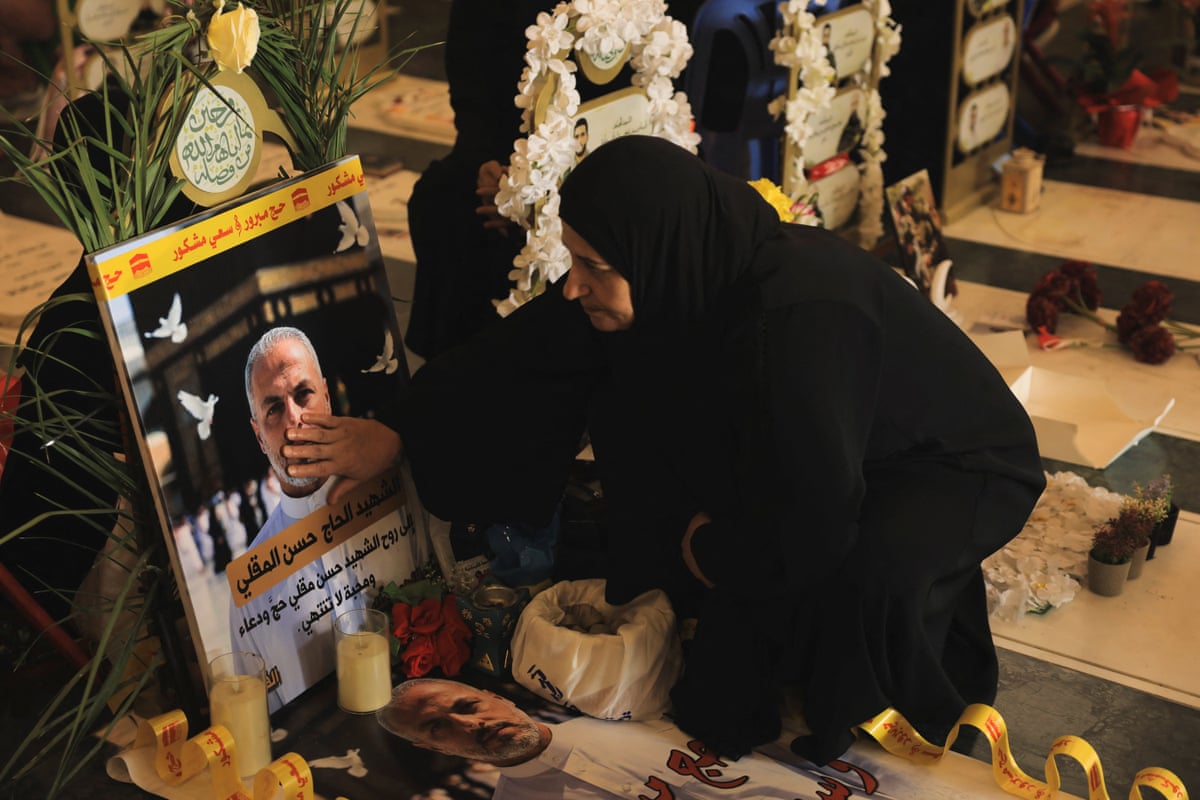
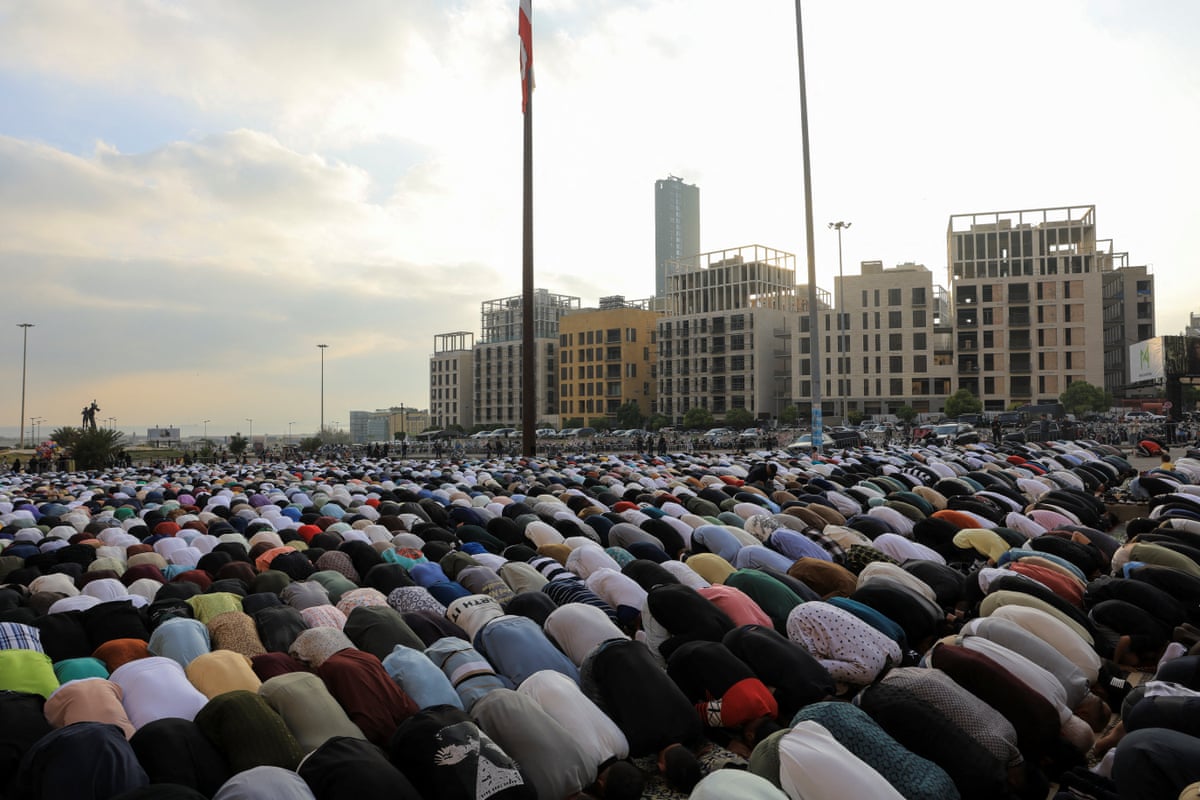
Muslims worldwide are observing Eid al-Adha, the Festival of Sacrifice, Islam’s second major festival. In Lebanon, ongoing war and displacement have overshadowed the celebrations as Israeli attacks continue to cause death and destruction.
Lebanese Prime Minister Nawaf Salam remarked that Eid has arrived while the country
“is still enduring the most difficult circumstances, of war, destruction, and tragedies”.
He added on X that
“Yet Eid remains an occasion to hold fast to hope and confidence in our ability to achieve our goal of building a strong and just state to raise Lebanon up.”

Middle East Conflict: Latest Developments
Welcome to ’s ongoing coverage of the Middle East crisis.
Lebanon experienced one of the heaviest days of Israeli bombing in weeks on Tuesday, with over 120 airstrikes reported by Lebanese security sources. Israeli Prime Minister Benjamin Netanyahu announced that military operations in Lebanon are intensifying.
The air raids have further strained the ceasefire declared on 16 April, intended to halt hostilities between Israel and Hezbollah. Concurrently, Iran accused the United States of violating the ceasefire.
Lebanon’s health ministry reported that Israeli strikes killed 31 people and injured 40, according to the state news agency NNA on Wednesday. Among the fatalities, 14 were in Burj al-Shamali in southern Lebanon, including two children and three women.

In a statement on Tuesday, Netanyahu said the Israeli military
“is operating with large forces in the field and capturing and controlling areas”.
He added,
“We are fortifying the security strip to protect the northern communities,”referring to a self-declared security zone occupied by Israeli troops several kilometers inside southern Lebanon.
Hezbollah reported targeting Israeli forces and tanks advancing toward the southern Lebanese town of Zawtar al-Sharqiya using explosive drones, rockets, and artillery on Tuesday.
Key Updates in the Middle East Conflict
- On Monday, Netanyahu declared that Israel was
“intensifying”
its military operations in Lebanon, with the Israel Defense Forces (IDF) deploying“large forces on the ground”
to secure“strategic areas”.
- The proposed peace agreement between Iran and the US remains under consideration despite recent US bombings of Iranian targets. The Iranian foreign ministry condemned the US strikes—targeting missile launchers and efforts to lay mines in the Strait of Hormuz—as
“an act of bad faith”
and“a definitive violation of the ceasefire”
, warning that aggression would not go unanswered. However, Iran has not withdrawn from ongoing talks mediated by Pakistan and Qatar. - US President Donald Trump scheduled a cabinet meeting for Wednesday, with the Iran conflict expected to be the primary topic. All cabinet members, including outgoing Director of National Intelligence Tulsi Gabbard, who departs on 30 June, were expected to attend.
- US Central Command denied reports that the US Navy had resumed 'Project Freedom' in the Strait of Hormuz, stating on X that
“US forces are not currently escorting commercial vessels through the strait of Hormuz.”
- Global energy markets reacted negatively on Tuesday following fresh US strikes on Iran, with experts suggesting the situation may have passed a
“point of no return”.
- In Gaza, the IDF claimed to have killed Hamas military chief Mohammed Odeh in an airstrike, 11 days after killing his predecessor. Israeli Defence Minister Israel Katz praised the IDF and Shin Bet intelligence agency for their
“brilliant execution”.