

Middle East Crisis – Live Updates
Donald Trump issued a stark warning that “a whole civilization will die tonight” if Tehran does not comply with his demands, amid intensified bombing campaigns and Israel’s caution to Iranians about the dangers of using the country’s railway system.
A rail bridge in Kashan, a central Iranian city, was among the first targets reported bombed on Tuesday by Iranian state media, with two fatalities reported. Israel’s military stated it had initiated “a wide-scale wave of strikes targeting dozens of infrastructure sites.”
Additional attacks included a bridge over a railway line near Karaj, northwest of Tehran, as reported by Iranian media. Power outages were also recorded in Karaj following bombings of a substation and transmission lines. Bridges near Qom and Tabriz were similarly targeted.
The United States conducted strikes on 50 military targets on Kharg Island, Iran’s primary oil export terminal, marking a significant escalation in attacks ahead of an 8pm ET deadline set by President Trump.
“A whole civilization will die tonight, never to be brought back again. I don’t want that to happen, but it probably will,”Trump posted on Monday morning, later expressing hope that “less radicalised minds” would assume control in Iran.
The extraordinary threats preceded the expiration of an ultimatum set by the US president at 8pm ET on Tuesday (4.30am Wednesday in Iran, 1am UK time), aimed at compelling major concessions from Iran.
Trump has repeatedly stated that the US is prepared to bomb Iran’s power plants and bridges in a concentrated assault on the country’s civil infrastructure if Tehran does not reopen the Strait of Hormuz and abandon nuclear weapons ambitions. Some attacks appear to have already commenced.
Legal experts and international lawyers have condemned the prospect of bombing Iran’s infrastructure as a probable war crime, citing the disproportionate impact on civilians relative to any military advantage. This assessment has been dismissed by the US administration.
On Tuesday morning, Israel’s military issued a statement in Farsi on social media, advising Iranians to avoid train travel throughout the country from 8.50am to 9pm Iran time for their safety.
“Your presence on trains and near railway lines endangers your life,”the statement warned, indicating that civilian-used stations and tracks would be targeted during the day.
On Monday, Iran had proposed peace negotiations brokered by Pakistan, Egypt, and Turkey, seeking a permanent end to the conflict. It issued a 10-point counterproposal which President Trump acknowledged but deemed “not good enough.”
Negotiations continued on Tuesday morning with limited developments. Iran’s president, Masoud Pezeshkian, stated on X (formerly Twitter):

“Over 14 million proud Iranians have, up to this moment, declared their readiness to sacrifice their lives in defense of Iran. I too have been, am, and will be a sacrificer for Iran.”
An Iranian source told that Iran also demands compensation for damages and wishes to retain control over the Strait of Hormuz, enabling it to impose fees on passing ships—a condition unacceptable to the US.
On Monday, US Secretary of Defense Pete Hegseth stated that “today will be the largest volume of strikes” on Iran, with Tuesday’s attacks expected to surpass those of Monday.
Iranian media reported an attack on Khorramabad airport in western Iran on Tuesday, while Israel claimed to have conducted another wave of strikes on Tehran overnight. The Israeli military announced bombings of a petrochemical facility in Shiraz, where nitric acid used in explosives production is manufactured, and a ballistic missile launch site in northwest Iran.
Iranian media also reported the destruction of a synagogue in Tehran during the bombings; Israel denied targeting synagogues.
US officials informed Fox News and the Wall Street Journal that B-2 stealth bombers dropped 30,000-pound “bunker buster” bombs on an Islamic Revolutionary Guard Corps compound in Tehran on Saturday. These GBU-57 munitions are the same type used in previous strikes on Iran’s underground nuclear facility at Fordow.
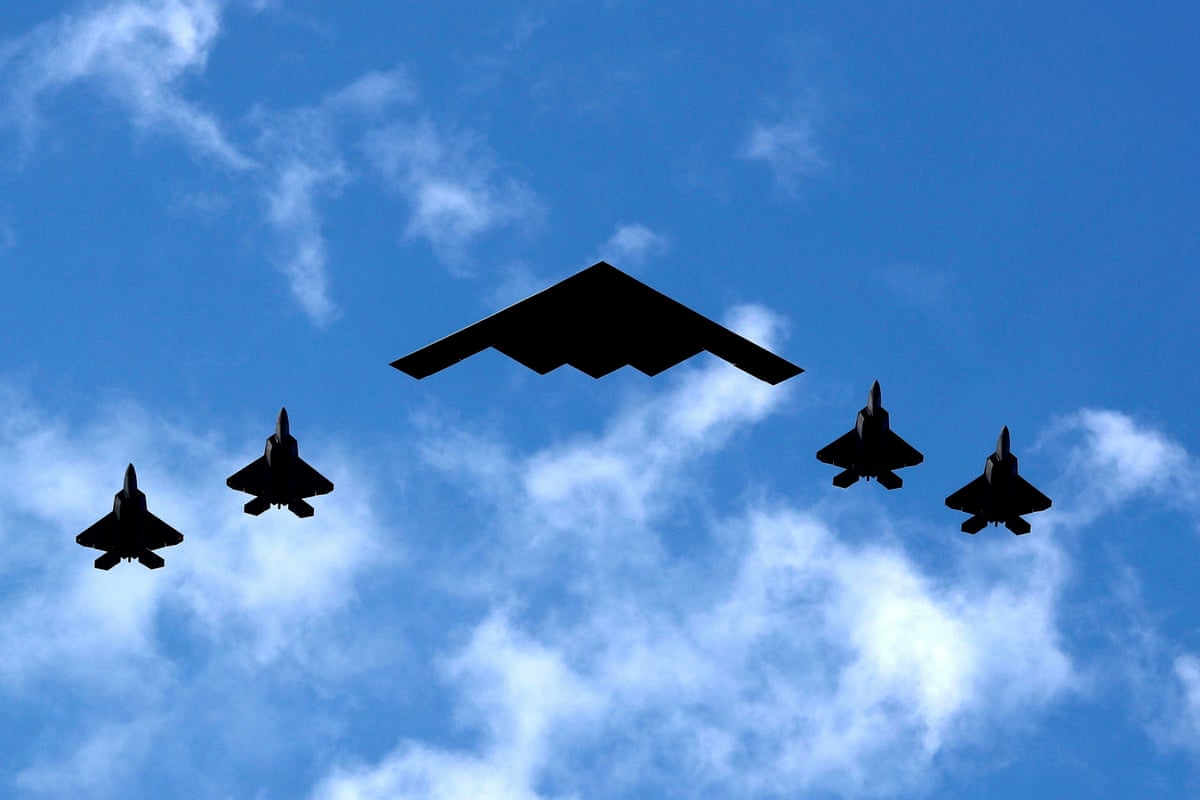
Israeli media reported that Prime Minister Benjamin Netanyahu told the country’s security cabinet on Sunday that military operations would continue regardless of US-Iran negotiations. He described a “separation of theatres” in the conflict.
An attack on Saudi Arabia targeted a petrochemical complex in the eastern city of Jubail, leading to evacuation of workers.
Sirens sounded repeatedly in Israel amid ongoing missile attacks. Five impacts were reported in the Tel Aviv area as Israel stated that Iran had fired ballistic missiles equipped with cluster warheads. No casualties were immediately reported.
The price of Brent crude oil rose slightly to £83 per barrel during morning trading.
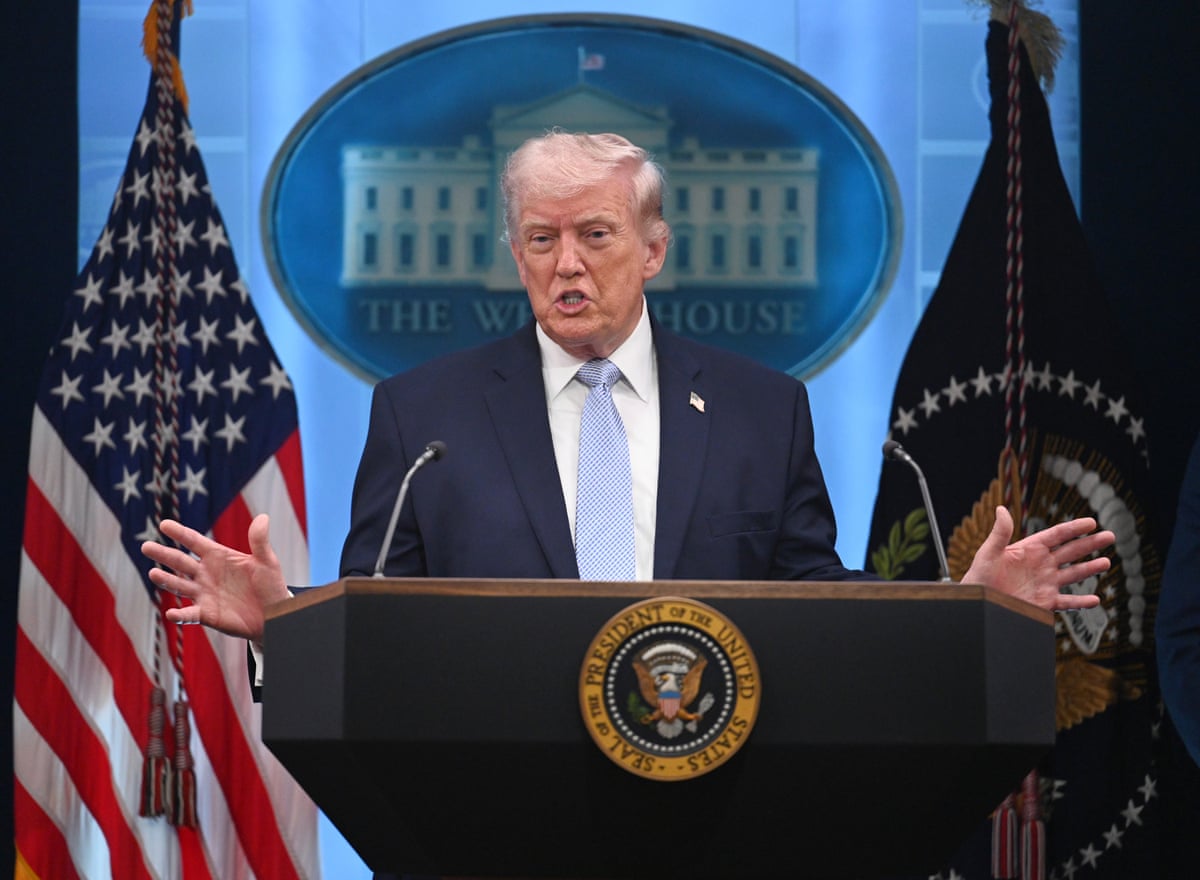
Donald Trump told reporters on Monday, without evidence, that Iranian civilians had urged the US to “keep bombing” their country.


