

Interim summary
Thank you for following our live coverage today.
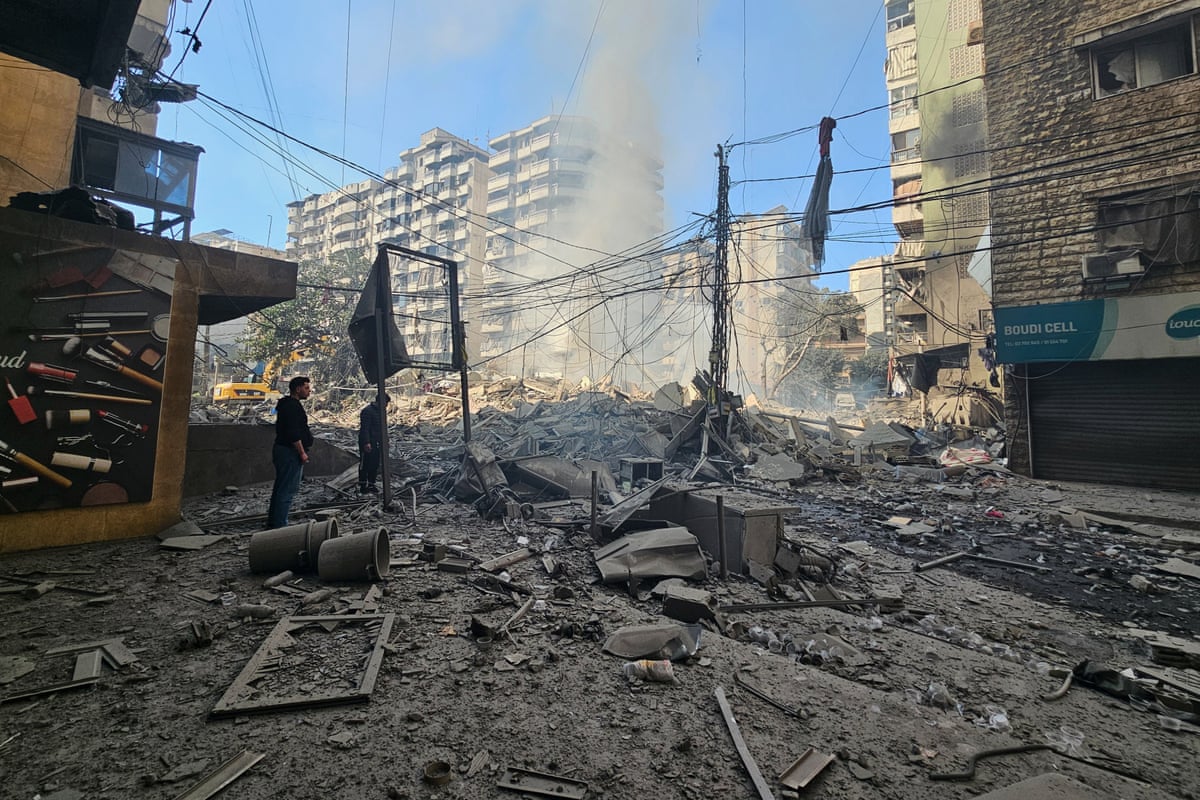
Fighting persisted in Lebanon as Israeli Prime Minister Benjamin Netanyahu and Defence Minister Israel Katz authorized a ground incursion into southern Lebanon. The Israeli military issued new evacuation orders for multiple locations in Lebanon. On Tuesday morning, the Israeli Air Force reported simultaneous "extensive strikes" on Tehran and Beirut targeting the Iranian regime and Hezbollah, the Iranian-backed militant group in Lebanon, which claimed to have launched drones at northern Israel. Israeli airstrikes have resulted in 52 fatalities and displaced at least 30,000 people in Lebanon.
Israeli and US warplanes conducted a fresh series of strikes across Iran. The Iranian Red Crescent Society reported at least 787 deaths since the conflict began.
The International Atomic Energy Agency confirmed on Tuesday that entrance buildings of Iran’s Natanz Fuel Enrichment Plant sustained damage during recent strikes.
Casualties and destruction have been reported in at least nine countries. The United Arab Emirates recorded 186 missiles and 812 drones launched toward it since the conflict's onset. Additionally, two ports in Oman were targeted by drone strikes today.
The US embassy in Riyadh, Saudi Arabia, was struck, causing a fire. The State Department issued warnings about risks related to escalating tensions that have destabilized the region. The warning covered 14 countries: Bahrain, Egypt, Iran, Iraq, Israel and the Palestinian territories, Jordan, Kuwait, Lebanon, Oman, Qatar, Saudi Arabia, Syria, the United Arab Emirates, and Yemen.
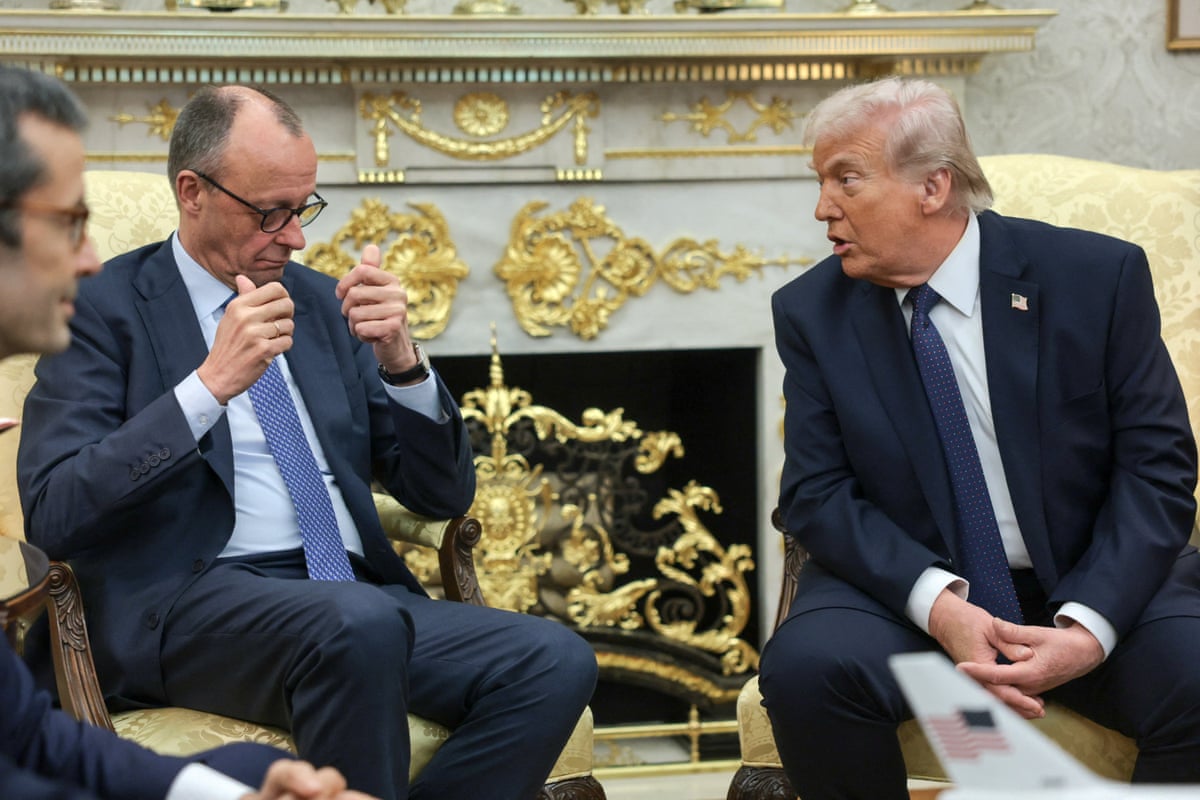
Trump says he is 'not happy' with UK over Iran
US President Donald Trump expressed dissatisfaction with British Prime Minister Keir Starmer on Tuesday, criticizing the UK for not joining the US-Israeli offensive on Iran, despite allowing US forces to use UK bases.
Speaking at the White House during a meeting with German Chancellor Friedrich Merz, Trump stated:
“I’m not happy with the UK.”
“It’s taken three, four days for us to work out where we can land. This is not Winston Churchill that we’re dealing with.”
Trump claims Iran was going to attack first
President Trump asserted that Iran intended to initiate an attack before the US and Israel acted, contradicting earlier claims by top diplomat Marco Rubio that Iran triggered the war.
He told reporters:
“I think they were going to attack first, and I didn’t want that to happen. So, if anything, I might have forced Israel’s hand.”
Trump added that the US and Israel are targeting Iran “where it is much more appropriate.” However, the deadliest strike so far was on a girls’ elementary school in southern Iran, killing at least 168 people.
He further stated:
“We’re hitting them very hard. They no longer have air protection. They no longer have any detection facilities at all left. And so they’re going to they’re going to be in for a lot of hurt. These are bad people.”
Analysts and officials suggest the war’s outcome and duration may depend on the comparative size of Iran’s drone and missile stockpiles versus vital air defense munitions held by the US, Israel, and Gulf states.
Since Saturday, Iran and its proxies have launched over 1,000 strikes across nearly a dozen countries spanning 1,200 miles, attempting to counter the intensive joint US-Israeli offensive. With an outdated air force unable to match Israel and the US, Tehran has relied heavily on missiles and drones.
The geographical scope of Iran’s retaliatory attacks has made this the broadest Middle East conflict since World War II. Israeli and US aircraft and missiles have targeted hundreds of sites across Iran without losing any planes to hostile fire.
The US and Israel aim to destroy as much of Iran’s missile stockpile and infrastructure as possible, focusing on launchers, storage facilities, and personnel.
Stacie Pettyjohn, director of the defense program at the Center for a New American Security in Washington, described the conflict as “a bit of a salvo competition,” a military strategy involving simultaneous volleys of precision-guided weapons between opposing forces.
She stated:
“The question is who has the deeper magazines of key weapons, and the big unknown is how deep Iran inventories are.”
Farah Pahlavi comments on Khamenei's death
Farah Pahlavi, widow of Iran’s last shah, told AFP on Tuesday that the death of Iran’s Supreme Leader Ali Khamenei is “historically significant” but will not “automatically” cause the fall of the Iranian system.
She said:
“The passing of a man – however central he may be to the architecture of power – does not automatically mean the end of a system.”
Speaking three days after US-Israeli strikes killed Khamenei, the 87-year-old added:
“What will be decisive is the ability of the Iranian people to unite around a peaceful, orderly and sovereign transition to a state governed by the rule of law,”
She noted her son Reza Pahlavi is preparing for such a transition.
Living in exile in Paris since the 1979 revolution, she urged the international community to respect Iranians’ right to determine their future, stating:
“What I want is for the international community to clearly support the fundamental rights of Iranians: the right to choose their leaders, to express themselves freely, to live in dignity and prosperity.”
“The support must go to the people, not to geopolitical calculations.”
She also called on Iranian authorities to exercise restraint and avoid bloodshed.
Israeli strike on Jamaa Islamiya headquarters in Lebanon
On Tuesday, Israel struck a headquarters of the Islamist group Jamaa Islamiya, an ally of Hamas and Hezbollah, in the southern Lebanese city of Sidon, according to state media.
The report stated:
“The Israeli enemy carried out an air raid a short while ago, targeting a headquarters of the Jamaa Islamiya” in the coastal city.
The group had been targeted previously after claiming responsibility for rocket launches toward Israel during the October 2023 war between Israel and Hezbollah.
Ukraine offers missile swap to Middle East allies
Ukrainian President Volodymyr Zelenskyy on Tuesday proposed exchanging some of the US allies’ air defense missiles in the Middle East for Kyiv’s drone interceptors to better defend against Iranian drone attacks.
The Israeli and US strikes on Iran have provoked retaliatory Iranian drone strikes across the region.
Russia has used Iranian-designed Shahed drones during its four-year invasion of Ukraine. In response, Kyiv developed inexpensive and effective drone interceptors designed to neutralize incoming drones mid-air, which it claims are world-leading.
Ukraine faces a shortage of PAC-3 air defense missiles, which are costly munitions used to intercept incoming Russian missiles protecting Ukrainian cities and infrastructure.
Zelenskyy said:

“The number one issue is how to protect their skies. We ourselves live with this question.”
“Let’s speak about weapons that we’re short of: PAC-3 missiles – if they give them to us, we will give them interceptors.”
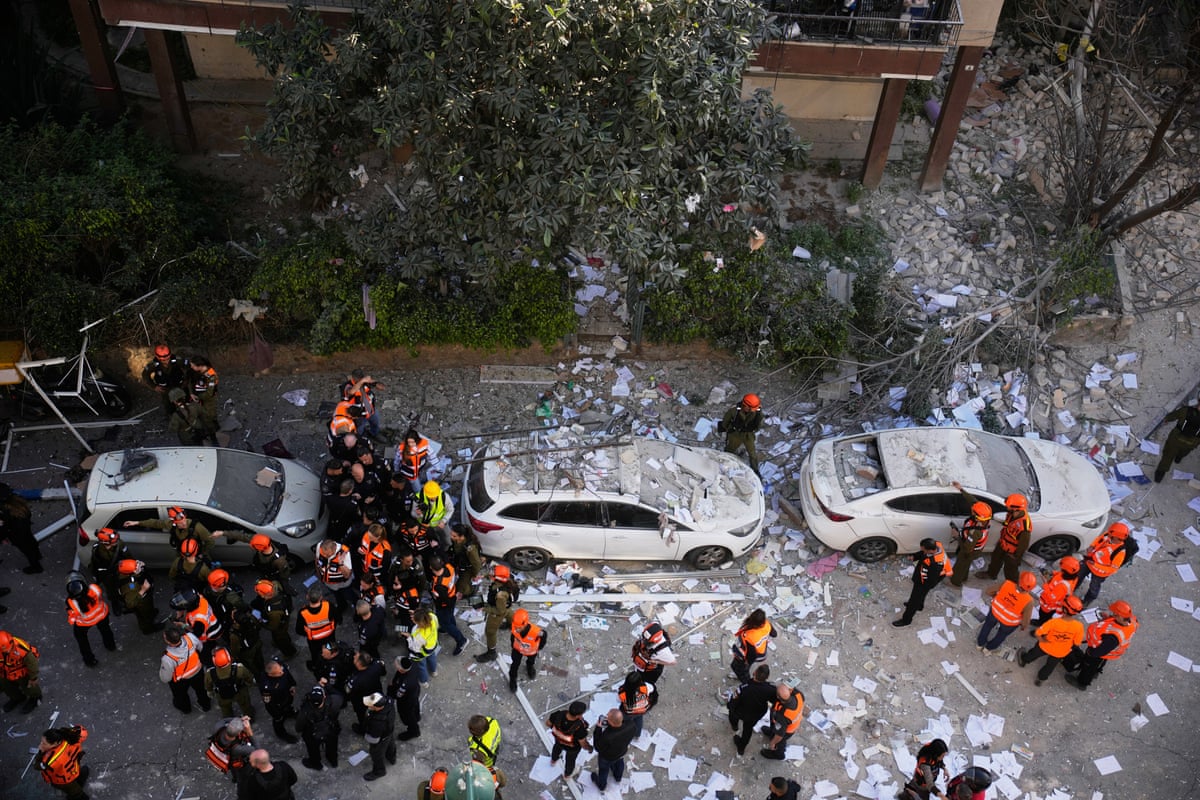
Fatal missile strike in Israel kills nine, including children
On Sunday afternoon, with 30 people inside a neighborhood bomb shelter and sirens sounding outside, Oren Katz went to close the reinforced door. This act of generosity, typical of the father of four, cost him his life when the shelter was directly hit by an Iranian missile.
Katz’s wife, Samadi, paid tribute at his funeral:
“Even when you were in trouble, you would say give, and that giving cost you your life.”
“You went upstairs to close the shelter and it took a heavy toll. I can’t digest it.”
Katz was among nine victims, including four teenagers, killed in the deadliest attack Israel has suffered since joining the US offensive on Iran on Saturday.
The Biton family lost three children: 13-year-old Sarah, 15-year-old Avigail, and 16-year-old Yaakov, who are survived by their parents and one sibling. Another boy killed was 16-year-old Gabriel Baruch Revah, Israeli media reported.
The explosion destroyed a synagogue above the shelter and caved in its thick protective roof. Despite the blast’s intensity and the structure’s age, much of it withstood the impact, according to the officer leading the search and rescue mission.
Lieutenant Colonel Oded Revivi said:
“Even with the very severe impact that was here, and the price that was paid in this attack, the vast majority of people that were in the bomb shelter came out of it alive.”
“In the bomb shelter there were over 30 people, two are dead, one is injured and 28 people came out alive.”
He added that seven people were killed outside the shelter.
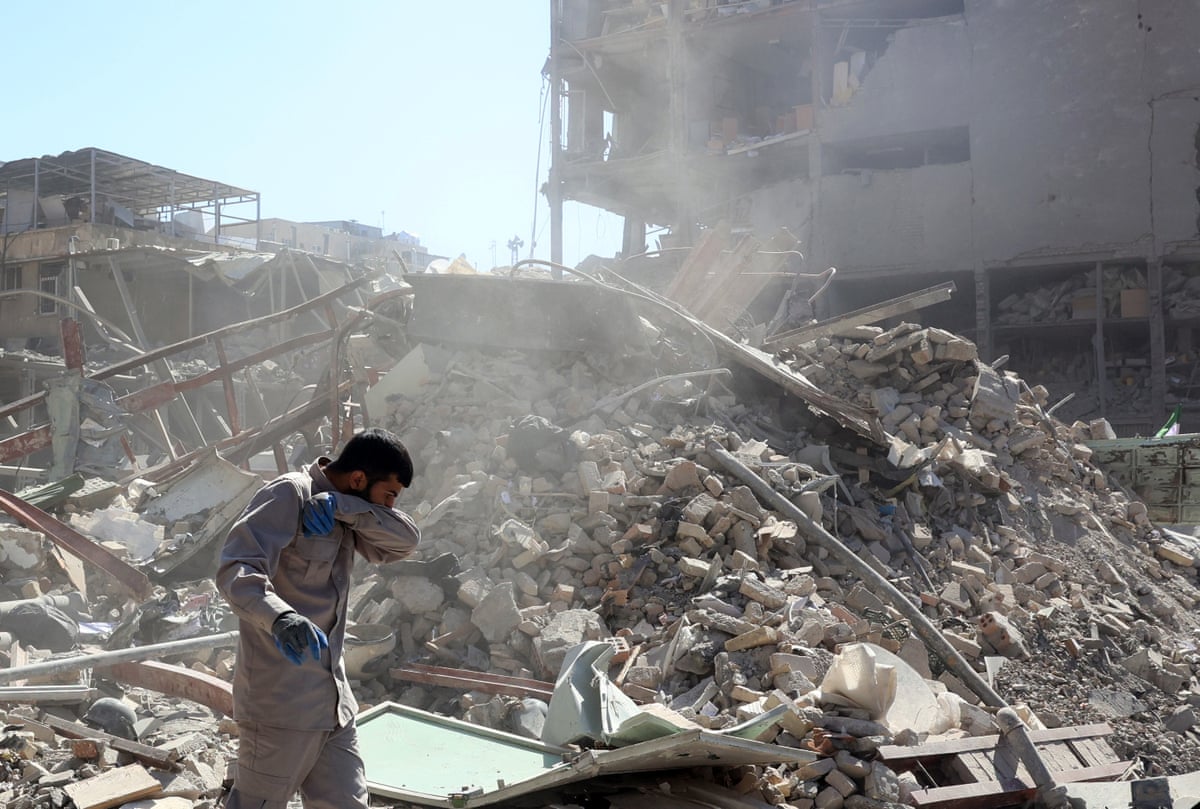
Strike on Mehrabad Airport in Tehran
One of Iran’s two airports, Mehrabad, which primarily handles domestic flights, was targeted by strikes on Tuesday.
The Mehr news agency published photos showing grey smoke rising behind what appeared to be a runway.
The agency stated:
“The American-Zionist terrorists attacked the area around the Mehrabad airport” in the capital’s west.
Turkey’s diplomatic efforts to end conflict
President Recep Tayyip Erdoğan said Turkey is conducting “intense” diplomatic efforts to resolve the Middle East conflict.
He stated in a televised address:
“Attacks on , and missile and kamikaze drone attacks [by Iran] on neighbouring countries in the Gulf have fuelled instability.”
“Through peace-oriented diplomacy, we are making intense efforts to resolve issues at the negotiating table.”
Earlier, Foreign Minister Hakan Fidan met with Washington’s Syria envoy Tom Barrack, according to ministry sources. He also spoke with UK Foreign Secretary Yvette Cooper to discuss the current regional security environment and evaluate diplomatic efforts to end hostilities and establish stability.
Reza Pahlavi calls for national unity amid war
Reza Pahlavi, son of Iran’s last shah and a potential alternative leader if the Islamic republic falls, called on Iranian ethnic minorities to unite as war engulfs the Middle East.
Iran’s population of over 85 million is ethnically diverse, including Azeri, Lur, Kurdish, Arab, Baloch, and Turkmen minorities. The Islamic republic has faced accusations of discrimination against minorities, many of whom have supported anti-government protests or insurgencies seeking self-determination.
In an X post, Pahlavi sought to reassure minorities they would not face discrimination under his leadership and urged them not to exploit the current conflict to seek separation.
He wrote:
“We stand at the threshold of this regime’s fall. Yet we must remain vigilant and prepared, and deny opportunistic forces – those who have long cast covetous eyes on Iran’s soil – the chance to exploit this moment.”
“You are an inseparable part of Iran’s historical and cultural fabric... I am confident that you will remain steadfast in this covenant.”
“I firmly believe that through national unity and shared resolve, a bright future awaits you and every Iranian.”
Hezbollah targets Israeli tank amid Israeli ground incursion
Hezbollah reported targeting an Israeli Merkava tank on the outskirts of a Lebanese border village on Tuesday, hours after Israel’s Defence Minister ordered troops to secure more strategic positions inside Lebanon.
The pro-Iran armed group stated:
“In response to the criminal Israeli aggression... and after monitoring movements by the Israeli enemy army in Tel Nahas on the outskirts of Kfar Kila, our fighters targeted a Merkava tank with appropriate weapons and scored a direct hit.”
Earlier on Tuesday, a Lebanese army source told AFP that Israel was conducting a ground incursion “from Kfar Kila and the Khiam plains” along the Lebanon-Israel border.
IDF strikes Iran’s Assembly of Experts building
According to an Israeli media report, Israel’s military struck the building housing Iran’s Assembly of Experts in Qom while the 88 members were meeting.
Kan News, an Israeli news network, reported the strike aimed to disrupt the selection of a new supreme leader.
An Israeli official said:
“We wanted to prevent them from picking a new supreme leader.”
Iranian news agencies reported the building was “flattened” but not in use at the time.
On Tuesday, Israel’s military stated its air force had struck industrial sites throughout Iran used to produce weapons, including ballistic missiles, on the fourth day of the joint US-Israel offensive.
The military said:
“During strikes conducted throughout , the IDF (military) targeted industrial sites used by the Iranian regime to produce weapons, particularly ballistic missiles.”
Travel disruptions and evacuations amid conflict
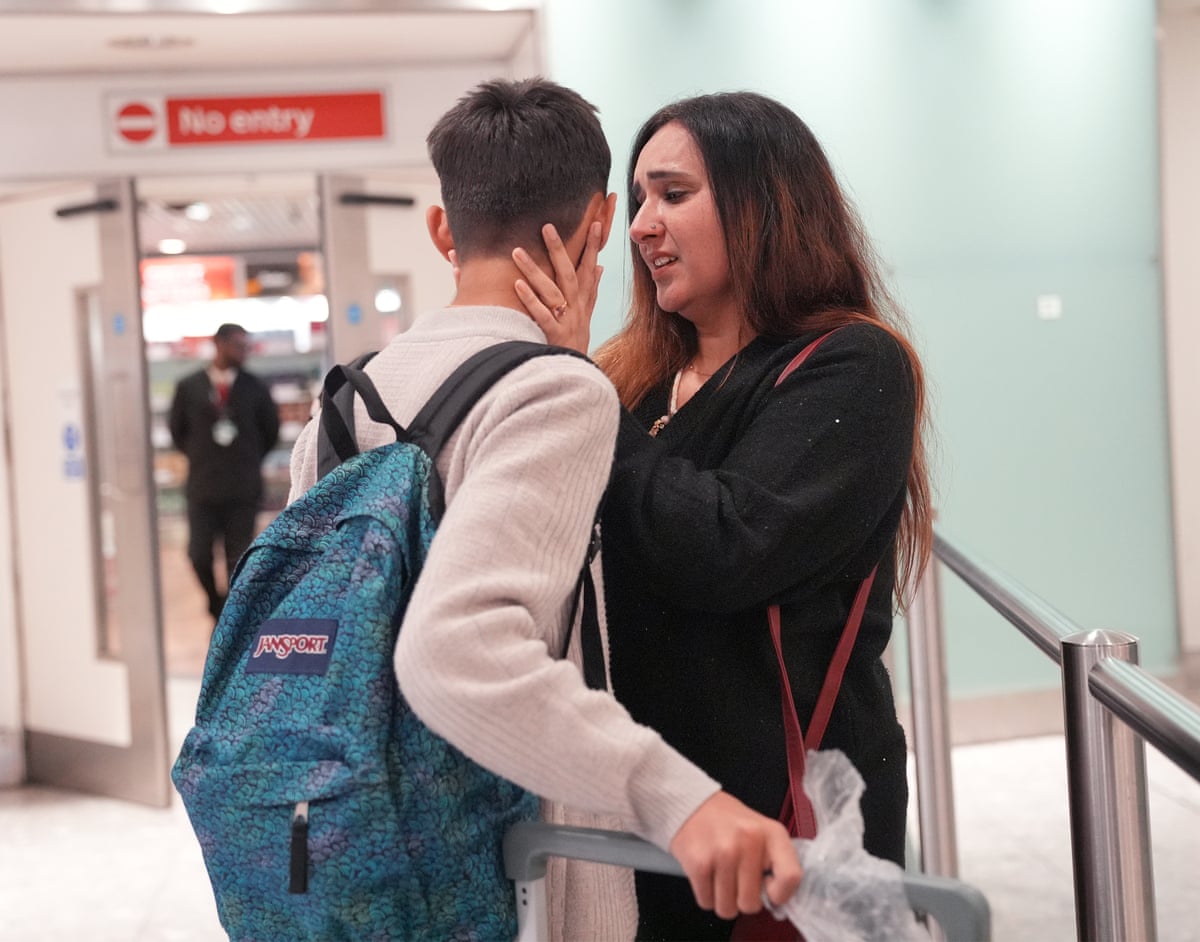
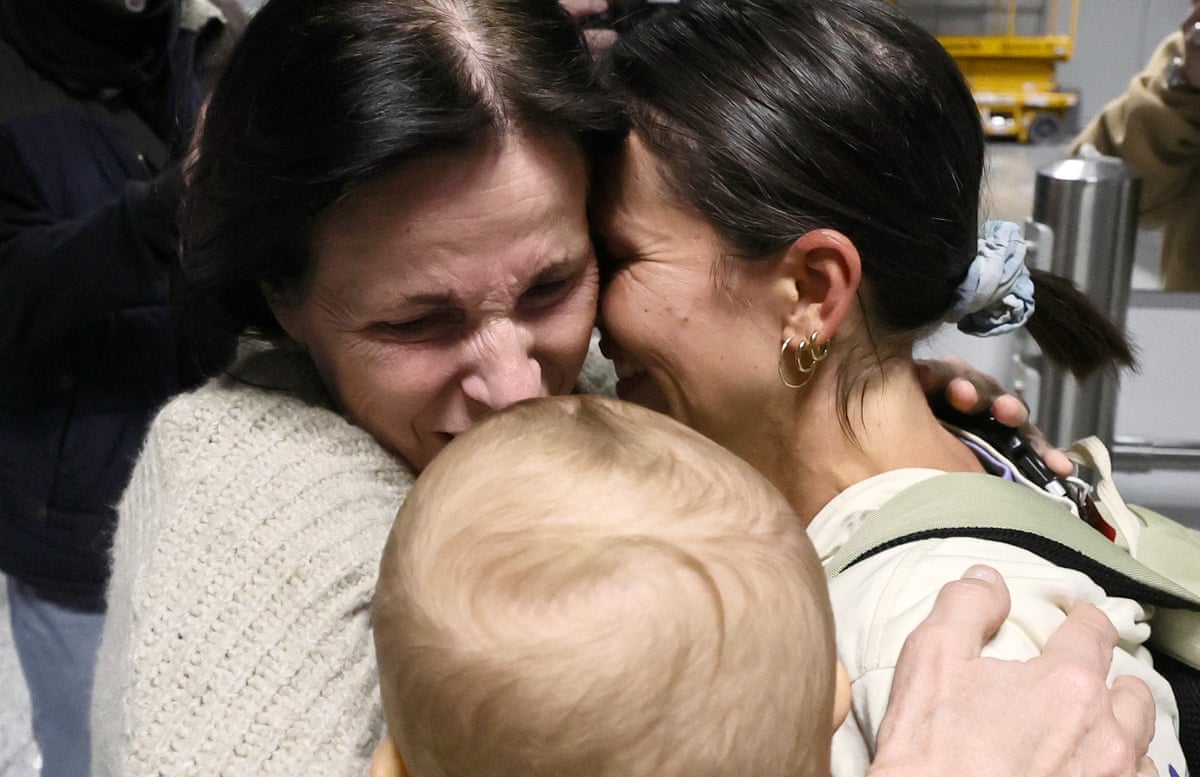
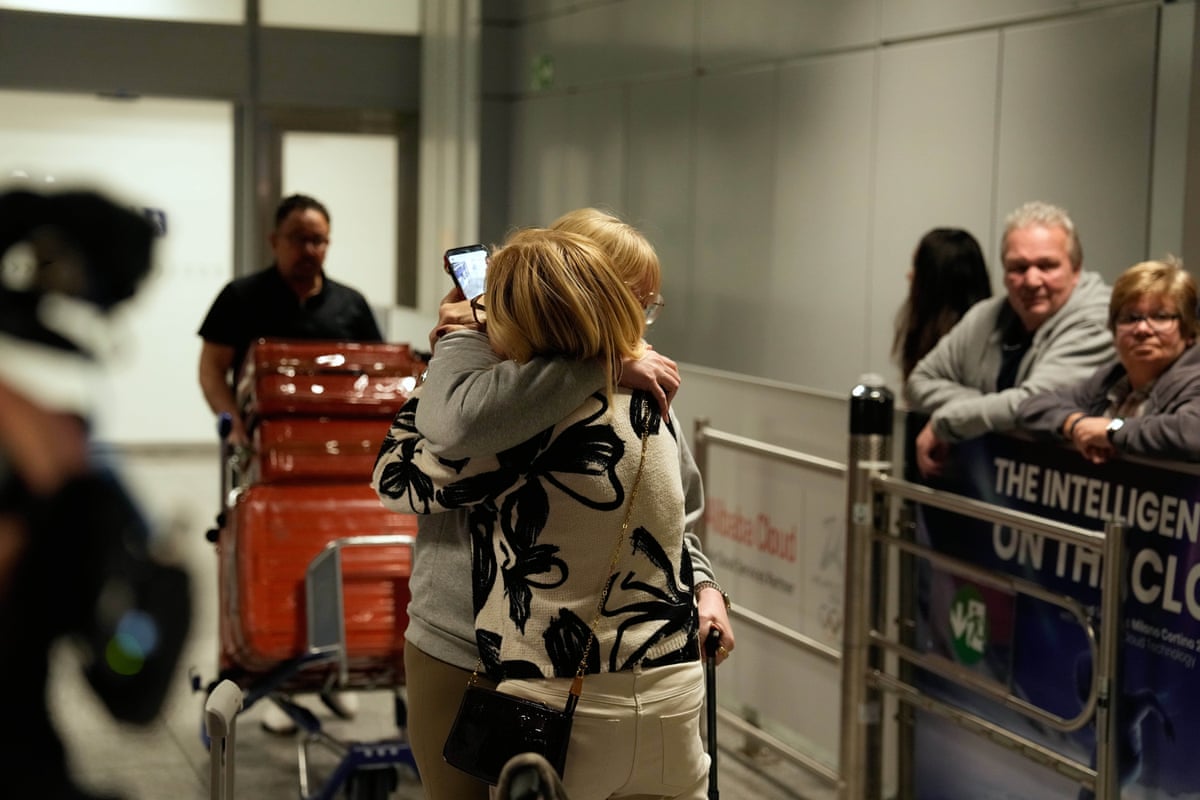
Most flights remain grounded in the Middle East due to the ongoing US-Israeli campaign against Iran. However, some travelers have been able to leave and return home after several days in limbo.
IDF announces expanded strikes on Tehran
On Tuesday afternoon, the Israeli Defense Forces announced a large-scale wave of strikes on Tehran. Earlier that day, the IDF had reported simultaneous strikes on Beirut and Tehran.
Israel’s Magen David Adom (MDA) emergency services reported treating seven injured individuals following the latest missile salvo fired from Iran.
MDA stated:
“At three scenes in central Israel, MDA paramedics and EMTs are providing medical treatment to 7 injured people, including: a woman around 40 years old in moderate condition with blast injuries, and 6 additional casualties in mild condition suffering from glass shrapnel and blast-related injuries.”
Israeli police said officers were operating at several sites in the central and Tel Aviv districts where shrapnel had fallen.

Iran’s UN ambassador doubts negotiations with US
Ali Bahreini, Iran’s ambassador to the United Nations in Geneva, expressed skepticism about the prospects for negotiations with the United States on Tuesday, three days after the joint US-Israel strikes on Iran.
He told reporters:
“For the time being we are very doubtful about the usefulness of negotiation.”


