

Iran Targets US Bases in Gulf After US Strikes
Iran launched ballistic missiles and drones targeting Bahrain and Kuwait following an exchange of fire with the United States, marking a significant escalation in tensions across the Gulf region. This incident follows a series of confrontations that have threatened the fragile ceasefire in the area.
On Saturday, air raid sirens sounded in Bahrain, prompting residents to seek shelter and await further instructions. Meanwhile, Kuwait’s military reported intercepting incoming drones and missiles aimed at its territory.
According to Iranian media, Iran’s Revolutionary Guards claimed responsibility for targeting the Ali al-Salem airbase in Bahrain, which hosts the US Navy’s 5th Fleet.
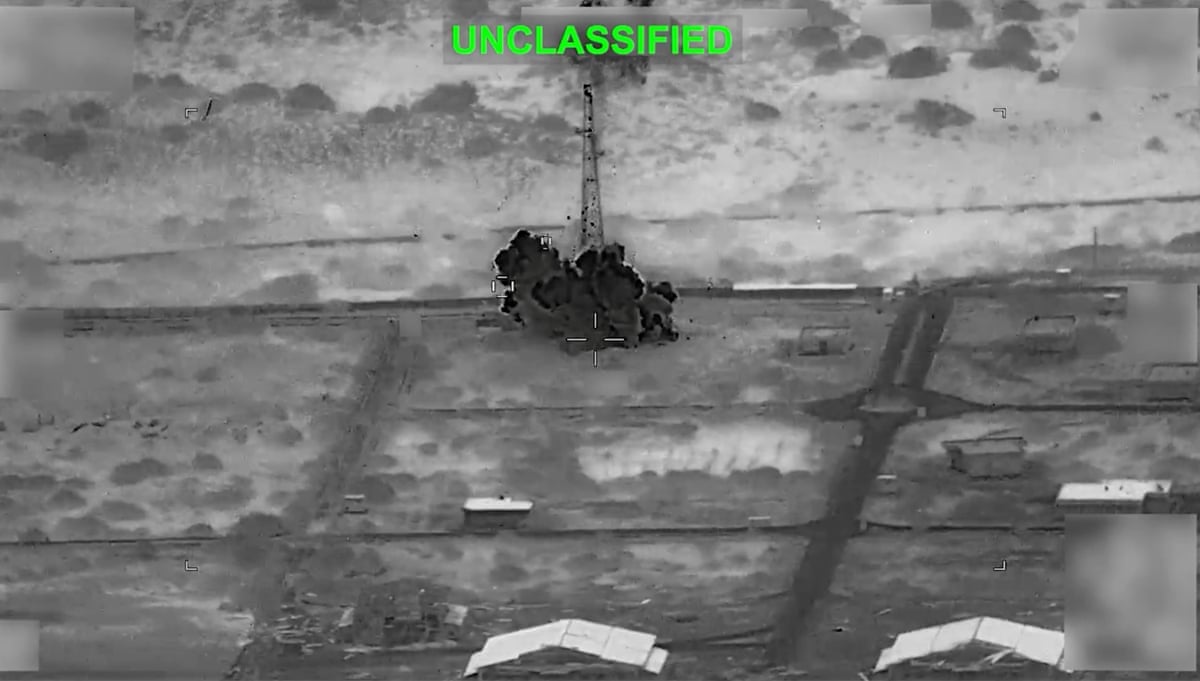
The attacks occurred after the US announced it had downed four Iranian drones launched toward the Strait of Hormuz and retaliated by striking Iranian coastal surveillance radar installations. In response, Iran declared it had targeted US bases in the region, leading both Kuwait and Bahrain to issue air raid alerts.
This exchange is the latest in a series of retaliatory strikes that have intensified the conflict and hindered efforts to extend the ceasefire. Attempts by the US and Iran to negotiate a permanent resolution to the war have stalled, exacerbating regional instability and disrupting the global economy.
The World Food Programme (WFP) has highlighted the humanitarian impact of the conflict, reporting that millions are facing hunger due to rising energy and food prices linked to the war.
In an analysis released on Thursday, the WFP estimated that 2.5 million people in Somalia, 2.3 million in Afghanistan, and 1.3 million in Sri Lanka are struggling to meet basic food needs as a result of escalating food costs.
The WFP further projected that up to 45 million people could face food insecurity by June, warning that the effects of the conflict will worsen in the coming months, even if hostilities cease.
US Central Command (Centcom) stated early Saturday that Iranian attack drones posed an immediate threat to regional maritime traffic. The US strikes on radar sites were described as defensive measures to prevent further attacks. The US military is enforcing a blockade on Iranian ports in response to Tehran’s control over the Strait of Hormuz, a vital corridor for global oil and natural gas shipments, which has contributed to rising energy prices.
Hours after the US actions, Iran’s Revolutionary Guards announced they had targeted “enemy bases” in the Gulf, following US strikes on Sirik and Qeshm Island.
Kuwait’s military confirmed it was responding to “hostile” missile and drone attacks, occurring days after a previous attack killed one person and injured dozens.

Centcom reported that Iran fired seven ballistic missiles toward Kuwait and Bahrain, with six intercepted and one failing to reach its target. The command added that there were no reports of injuries to US personnel and dismissed Iranian claims of damage to the US 5th Fleet headquarters in Bahrain as false.
US and Iranian Leadership Comments
Earlier on Friday, former President Donald Trump commented on the situation, stating:
“The situation with Iran seems to be going quite well.”
Speaking at an event with farmers in Wisconsin, Trump added:
“We’re going to come out of Iran very quickly and it’s going to be very strong one way or the other, whether it’s a piece of paper or the very tough way. Your fertiliser prices are going to go way down, just like they were four months ago.”
Trump faces pressure to resolve the conflict, which has unsettled markets and become unpopular domestically ahead of the midterm elections. Negotiators from the US and Iran have been working for weeks to extend the ceasefire by 60 days and initiate new talks on Iran’s nuclear program. However, both sides continue to demand changes to the agreement, with no clear compromise in sight.
When asked on Friday about the delay in reaching an agreement, Trump told NBC:
“There are things they never thought they’d be doing that they’re going to have to do. They’ve got no choice, and it takes a little while.”
He described the negotiations as “a very hard thing” for Iran, citing its “great independence.”
In additional remarks, Trump stated that Iran still possesses over 20% of its missile stockpile, a figure higher than the 18% he cited last month. He has frequently claimed to have significantly degraded Iran’s war capabilities.
Trump told NBC News:
“They still have capacity. They have some missiles, they have some drones. I would say, percentage wise, maybe 21, 22% of their missiles.”
Regional Developments and Ceasefire Efforts
The Trump administration has also highlighted the recent ceasefire agreement between the Lebanese government and Israel, brokered through US-led talks in Washington. However, Iranian-backed Hezbollah, which was not part of the negotiations, has continued to engage in hostilities, with new attacks reported from both sides.
On Friday, the Israeli military issued evacuation warnings to several villages, including one sheltering thousands displaced by ongoing fighting.
The conflict in southern Lebanon, where Israeli forces have seized significant territory, poses additional challenges to efforts to end the Iran war and reopen the Strait of Hormuz. Iran has insisted that any lasting truce must include Lebanon.
With reporting from the Associated Press and Agence France-Presse.


