Personal Impact of US Intervention Debate
For Mojdeh and her husband, the question of US intervention in Iran carries a deeply personal significance.
In early January, the couple traveled from their home in Washington, DC to Tehran to visit family, anticipating a brief and routine trip. Instead, they encountered widespread protests, cancelled flights, and found themselves stranded in a city that felt unpredictable.
"Life was on pause," Mojdeh recalled, particularly at night when both internet and phone networks were disabled.
They had no intention to participate in protests. However, on the nights of 7 and 8 January, she said, it became impossible to remain uninvolved.
"If you left your house, you saw it," she said. The BBC has changed her name to protect her and her husband's identities.
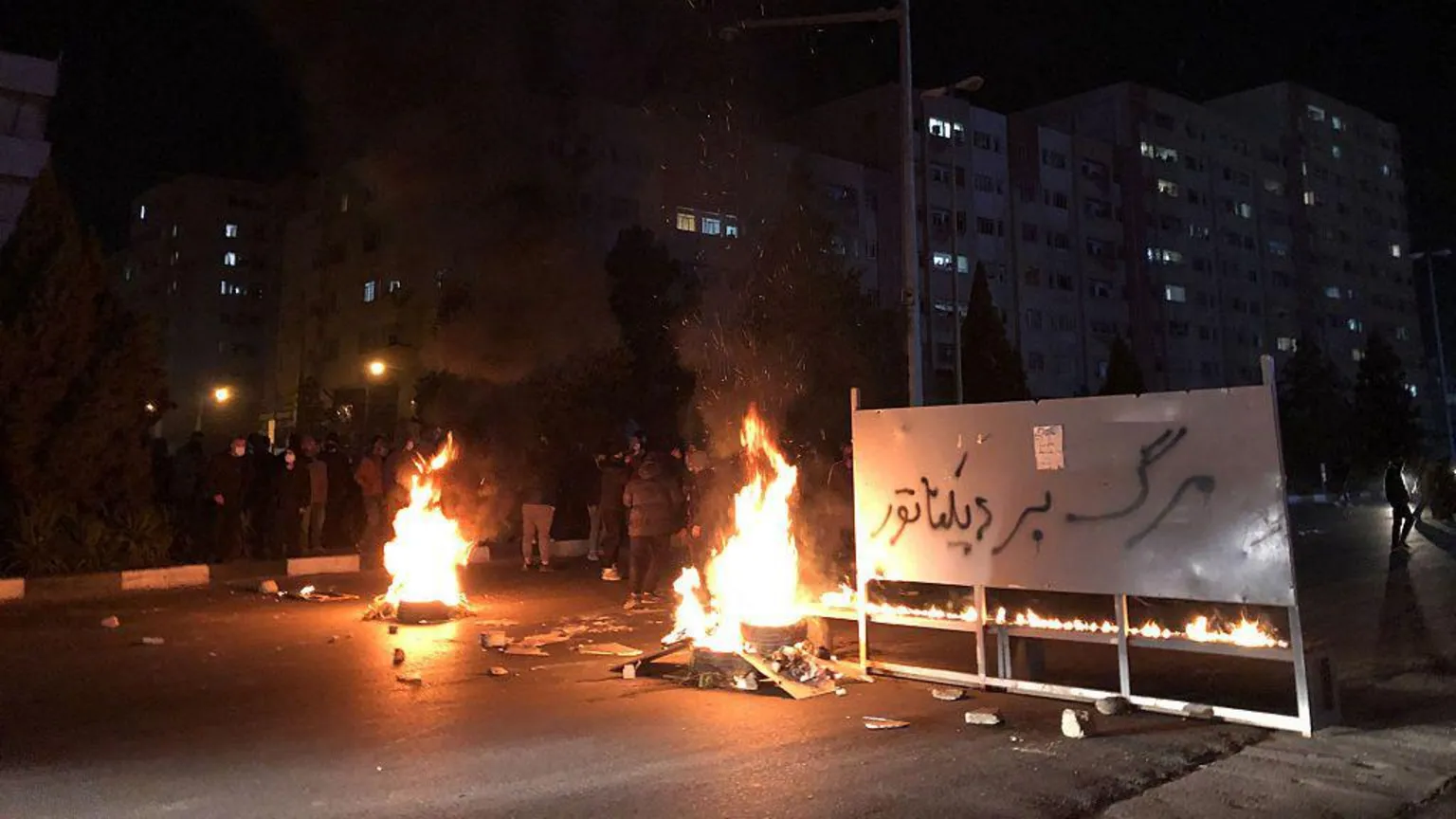
One evening, after dining at a restaurant, they stepped outside to find the city transformed: streets filled with crowds and security forces seemingly losing control in some areas.
"It felt like people had occupied Tehran," she said.
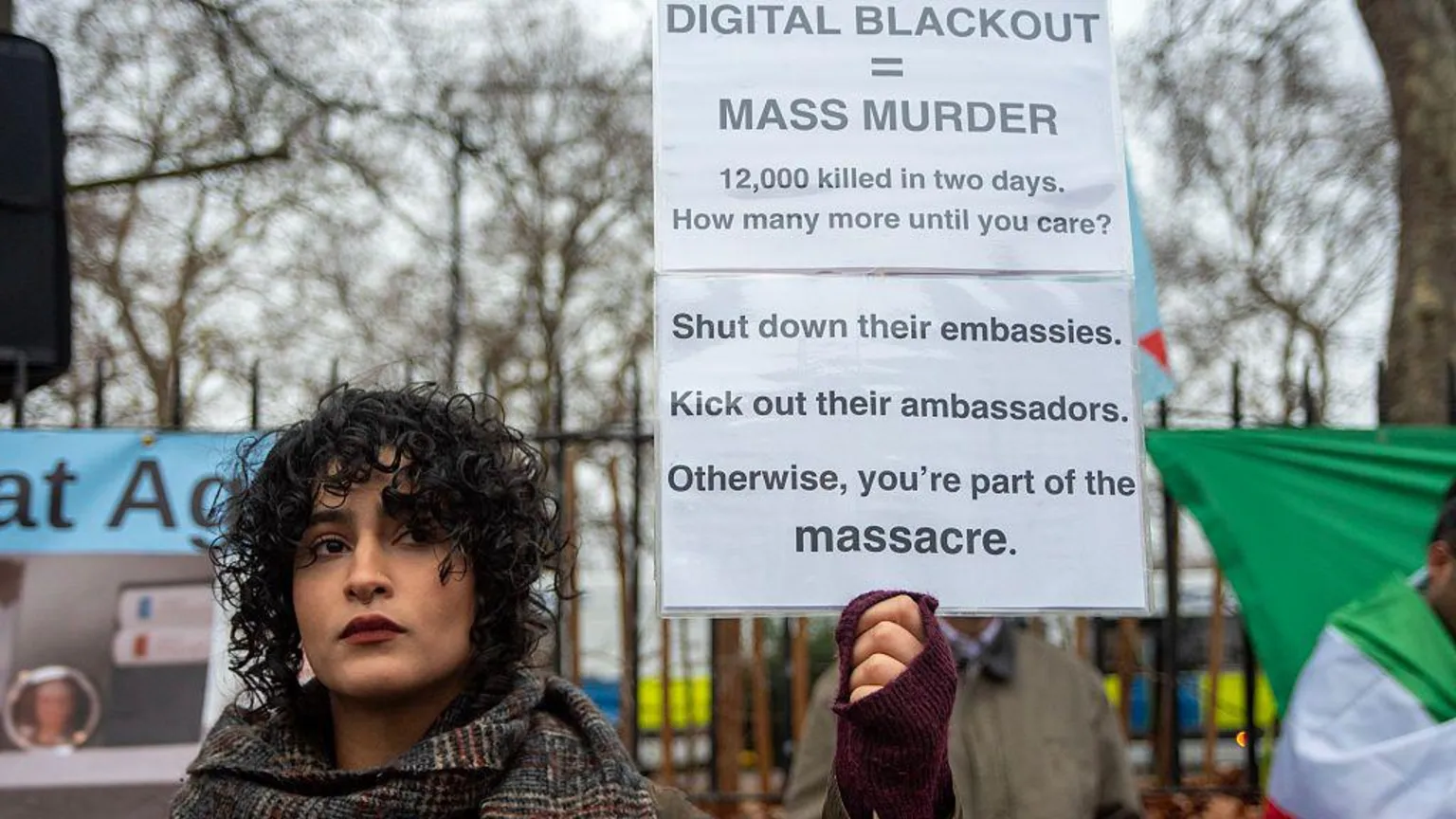
Protests erupted across Iran just before the new year, initially fueled by anger over economic hardship and a collapsing currency. These demonstrations quickly escalated into calls for an end to the Islamic Republic. In response, security forces used deadly force.
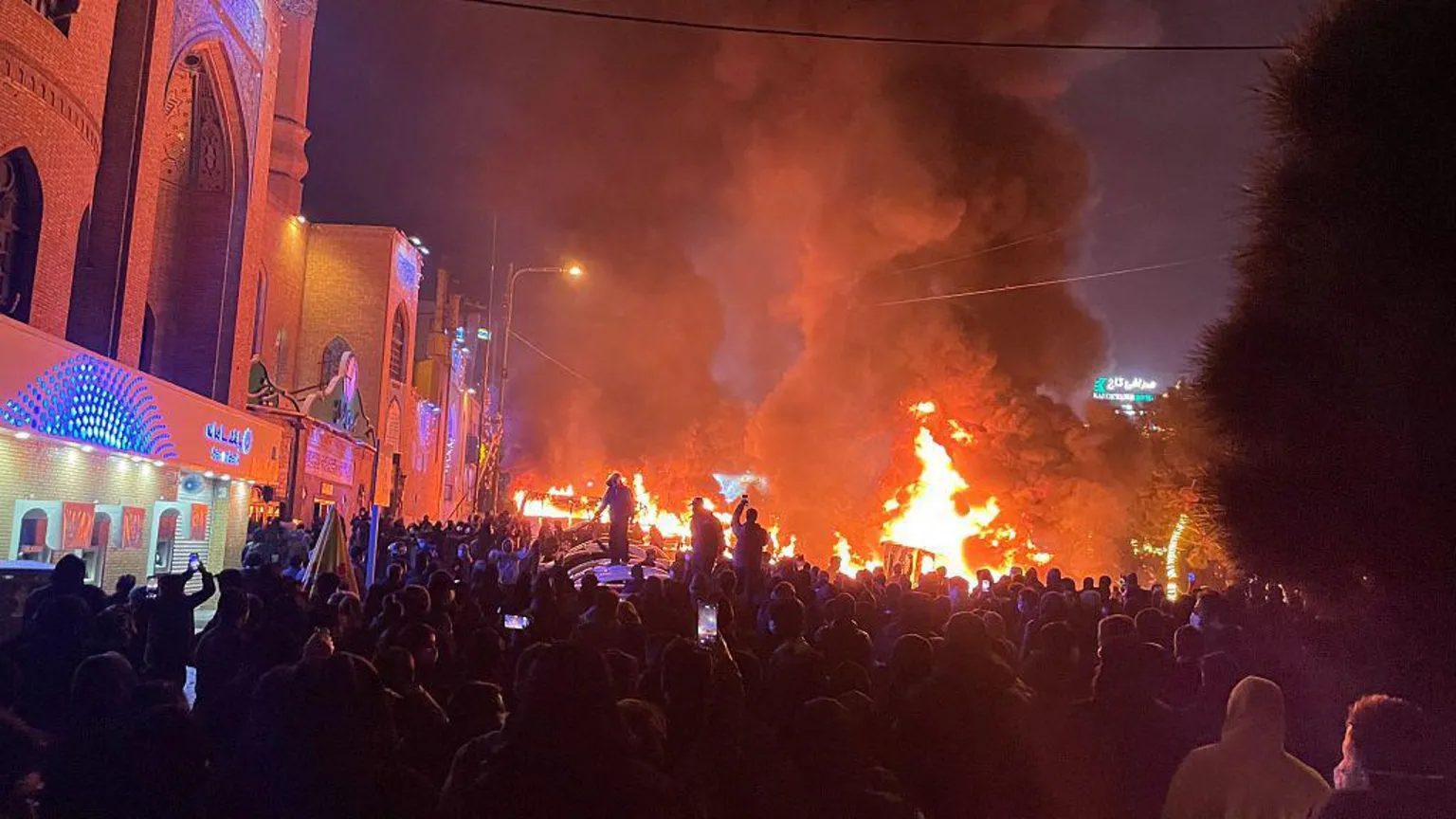
The actual death toll remains difficult to verify due to an internet blackout in Iran and limited independent reporting. The US-based Human Rights Activists News Agency (HRANA) confirmed more than 6,000 protesters dead, while Norway-based Iran Human Rights estimates the final toll could exceed 25,000. Iranian authorities reported at least 3,117 deaths, asserting most were security personnel or bystanders and attributing the fatalities to "rioters."
US President Donald Trump has repeatedly expressed support for Iranian protesters. On Friday, US and Iranian officials held talks, though expectations were low. Speaking aboard Air Force One later that day, Trump described the discussions as "very good" and said Iran "looks like it wants to make a deal very badly."
Mojdeh's voice faltered as she described her homeland during the protests: people running, shouting, and being beaten—images that remained with her long after leaving Iran.
Her husband was struck by a different observation: among friends and family in Iran, the prospect of US military involvement was not viewed as an attack but rather as "help." The couple, now living safely in the US, understand the desperation but remain skeptical that such intervention could achieve what protesters ultimately seek—not only regime change but dignity, economic security, and freedom.
From afar, they worry about the consequences of mistaking destruction for salvation.
'Regime change should come from within'
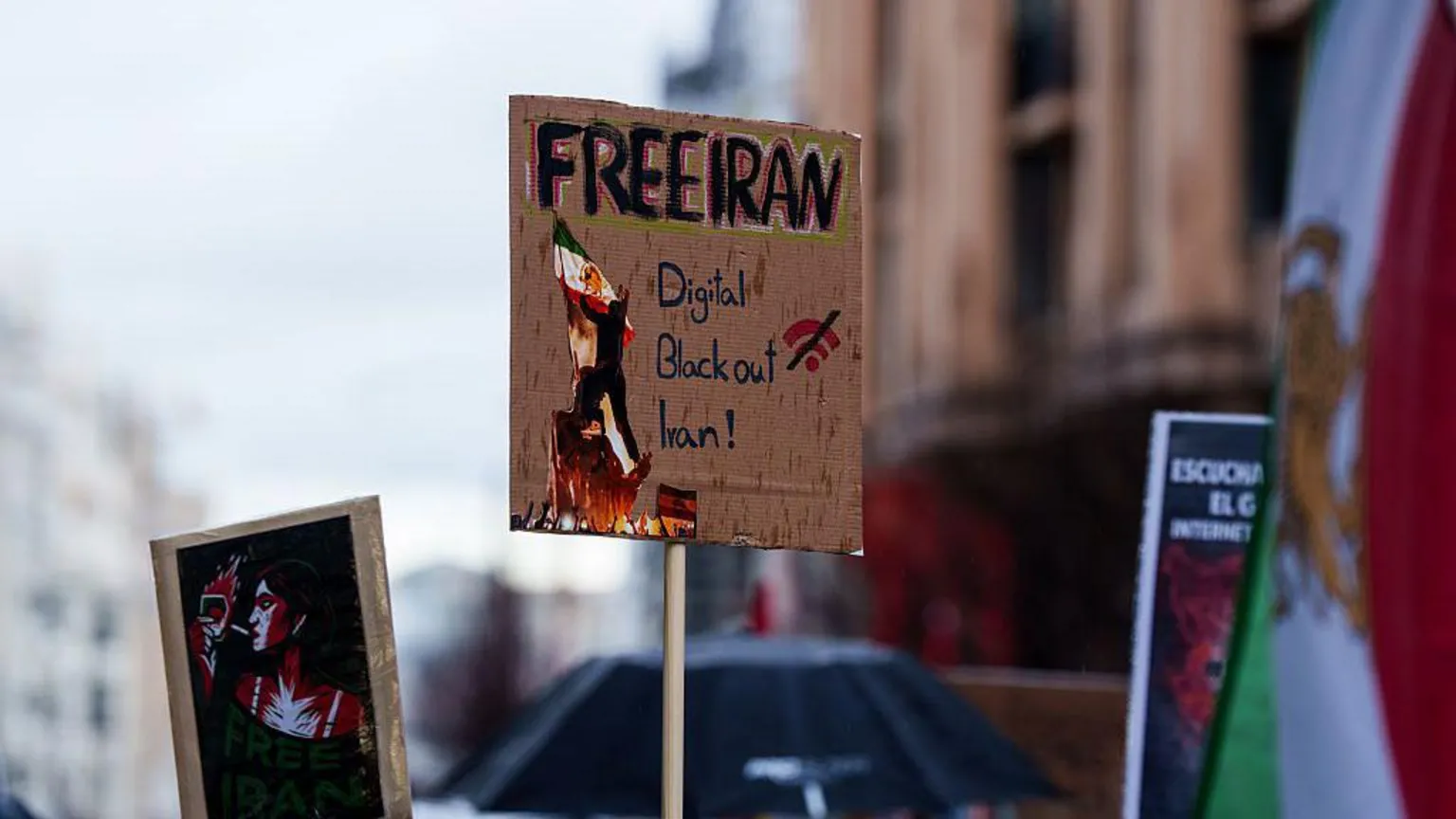
Weeks after the deadly crackdowns on anti-government protests and the near-total internet blackout, Iranians inside and outside the country continue to grapple with the question of US intervention.
Shirin, an Iranian-American residing in California, still hopes for foreign intervention.
"If the international community truly wants to stop the violence and prevent further global instability, action is required," said Shirin, 52, who requested her surname be withheld for the safety of family in Iran.
"When the head of the snake is not cut off, the venom spreads — beyond borders, beyond regions, beyond generations."
However, some Iranians express concern that intervention could endanger their relatives still living under the regime.
Roozbeh Farahanipour, a former student activist imprisoned in Iran and now a restaurant owner in Los Angeles, told the BBC he is "constantly worried" about US intervention.
"I don't know how many have been killed, how many are injured, or who is missing. I don't know how to reach mothers, fathers, brothers, sisters, wives, husbands, or children to offer condolences and express solidarity," he said.
He supports global assistance but recalls the risks and history of US intervention. Ultimately, he believes regime change should emerge from within.
"Today, the greatest power relies in unity, discipline, determination, and mass public mobilisation — building overwhelming crowds and actively calling on the remaining bases of the regime to defect and join the people's movement. That internal collapse is far more decisive than any outside force," said Farahanipour.

'There is no other way'
Ali, 43, born in Iran and living in the US for 21 years, once supported reform within Iran's political system and voted mostly for moderate US presidential candidates. Around 2014, he said, he lost hope.
"We've seen this before," Ali said—referring to protests, promises, and crackdowns, pointing back to 2009 and earlier uprisings in Iran. He requested his last name not be shared.
Each time, people were killed and little changed. In his view, the regime cannot be reformed, and without external pressure, it cannot be defeated.
He does not advocate a full-scale invasion but supports targeted strikes aimed at state infrastructure and key leaders rather than civilians. He argued that attacking a regime at the request of its people differs from attacking a country outright.
Many he knows in Iran now desire some form of US intervention—not because they trust American motives but because they see no alternative.
Hemad Nazari, an Iranian activist and photographer who left Iran in 2015 and now resides in Denmark, shares this perspective.
"How are we going to negotiate with this regime?" said Nazari, 36.
Foreign intervention could alter the balance, he said.
"The best time [to intervene] was a month ago. The second-best time is now."
Nazari, unaffiliated with any organization or political group, created a network to share firsthand accounts from Iran, especially during protests and internet blackouts. During blackouts, people in Iran contacted him through alternative channels like Starlink. Nazari then disseminates their stories on his social media platforms, including X, where he has over 21,000 followers.
Because his network, established in 2019, has grown significantly, Nazari fears arrest if he returns to Iran. He has received more than 500 direct messages in recent weeks alone.
The people he communicates with in Iran feel intervention is the only option, he said.
"They say, 'we went to the streets. We got killed. There is no other way.'"
Many believe that despite potential civilian casualties, without intervention, no change will occur.
Concerns for Iran's Population
Even as protests have subsided, repression persists in other forms.
Iran Human Rights (IHRNGO), a nonpartisan human rights organization, estimates that at least 40,000 people have been arrested since the protests began. The group expressed
"serious concern"about the conditions of the missing or detained, including some denied access to legal counsel and others held in undisclosed locations.
Both IHRNGO and the Human Rights Activists News Agency (HRANA) report receiving information that security forces have raided medical centers and arrested staff who treated wounded protesters. However, HRANA notes that the head of Iran's Medical Council Organization stated
"no physician has been arrested for treating protesters."
The internet blackout has only partially lifted, with many services remaining unreliable or blocked.
For Iranians both inside and outside the country, the debate over US involvement is no longer theoretical. It is shaped by grief, fear, exhaustion, and a growing sense that time may be running out.
Shirin described the difficulty of observing the recent events from afar.
"It's painful - as an Iranian, but also as a human being," she said. "And it's not even about our family - it's 90 million people we're worried about."