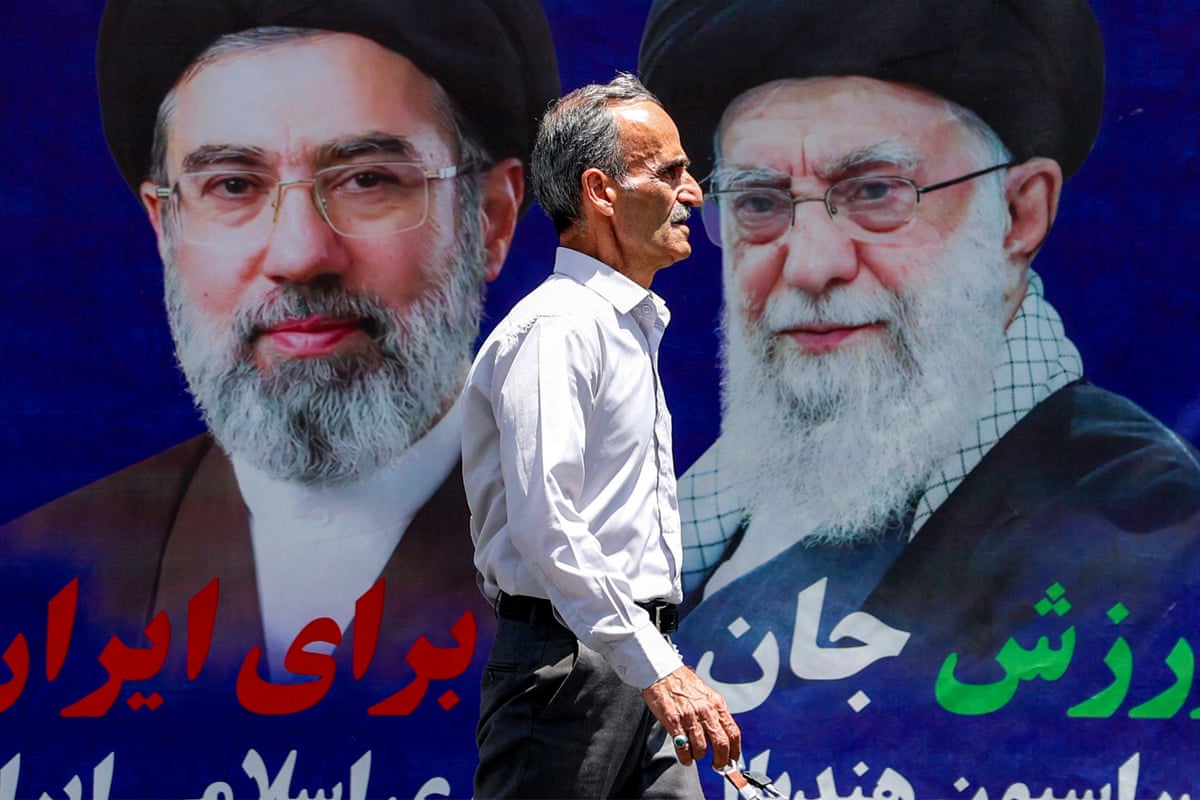
Iran Could Enrich Uranium to Weapons Grade if Attacked, Senior Lawmaker Warns
Donald Trump stated that one of his main goals in initiating a war against Iran was to prevent Tehran from developing a nuclear weapon.
Iran, which maintains that its nuclear program is peaceful, reportedly has yet to surrender over 400 kilograms of uranium enriched up to 60%, a technical step short of weapons-grade enrichment at 90%.
In response to potential renewed US military action, Ebrahim Rezaei, spokesperson for Iran’s parliamentary national security and foreign policy commission, warned that Iran could enrich uranium up to 90% purity if attacked again.
“One of Iran’s options in the event of another attack could be 90 percent enrichment. We will review it in the parliament,” Rezaei posted on X.
Israeli Prime Minister Benjamin Netanyahu has declared that the conflict with Iran will persist as long as the country retains a stockpile of highly enriched uranium.
“It’s not over, because there’s still nuclear material – enriched uranium – that has to be taken out of Iran. There are still enrichment sites that have to be dismantled,” he told the CBS programme 60 Minutes. When asked how it should be removed, Netanyahu said: “You go in and you take it out.”
Pete Hegseth, US Secretary of Defense, invoked religious language in his speech, describing the US mission as “sacred,” though he did not explicitly mention the war against Iran.
“May almighty God continue to watch over all of our troops, and may we honour the legacy of those brave Americans that we’ve lost,” he said.
“That is our sacred mission that we will continue to execute on.”
$1.5tn Defence Budget Will Maintain US as 'World's Most Powerful Military', Says Hegseth
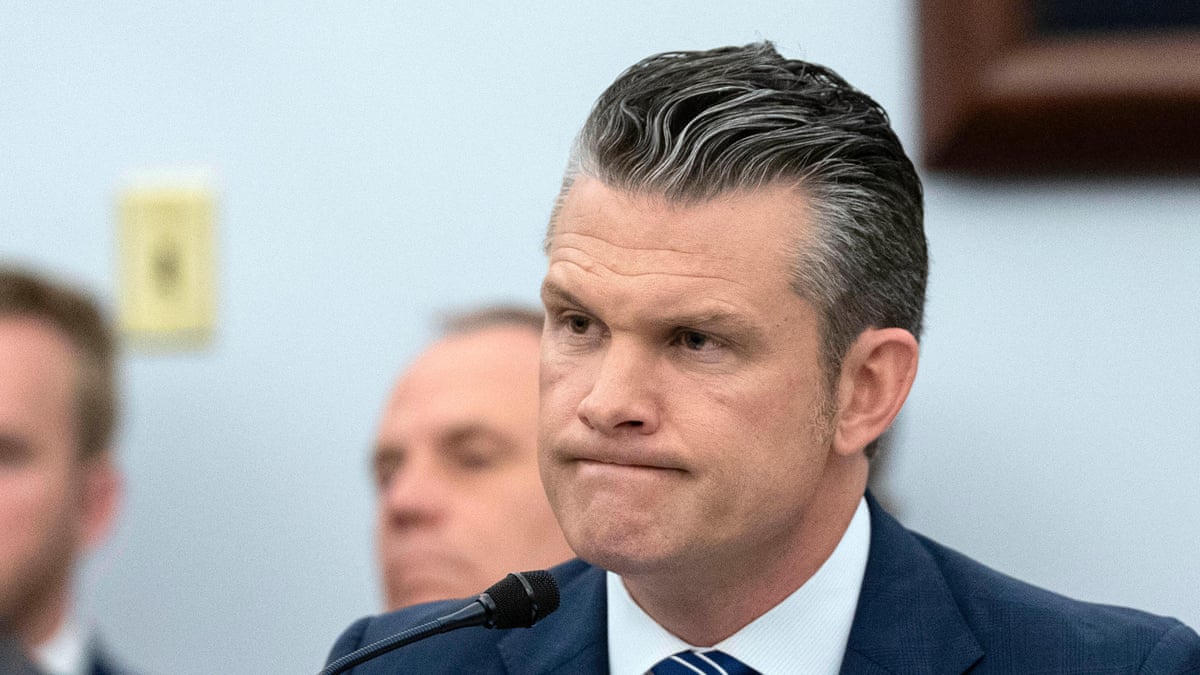
Pete Hegseth began his speech to the House appropriations defence subcommittee by justifying President Trump’s defence budget request of $1.5 trillion.
“President Trump inherited a defence industrial base that had been hollowed out by years of America last policies,” the US Secretary of Defense said.
“We are reversing this systemic decay and putting our defence industrial base back on a wartime footing.”
“The $1.5tn budget will ensure the United States continues to maintain the world’s most powerful and capable military.”
This hearing is part of ongoing congressional budget deliberations, with the Pentagon requesting $1.5 trillion in funding for the upcoming fiscal year, representing nearly a 44% increase from the current US defence budget.
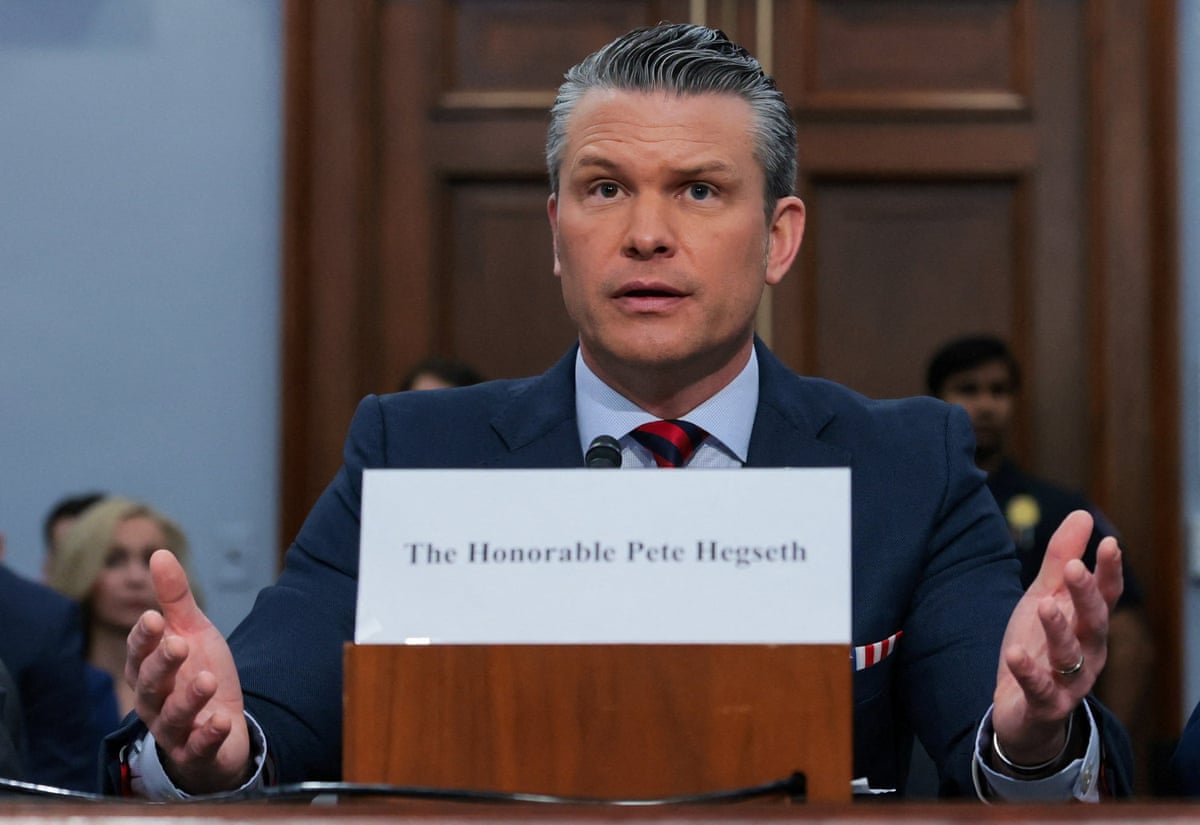
Hegseth and Caine Testify Before House Appropriations Subcommittee on Defence
US Defence Secretary Pete Hegseth, General Dan Caine, Chair of the Joint Chiefs of Staff, and Jules Hurst III, Chief Financial Officer for the Pentagon, are scheduled to testify before the House appropriations subcommittee on defence.
They will be questioned on expenditure related to the war on Iran and military operations and capabilities. The testimony can be watched live.
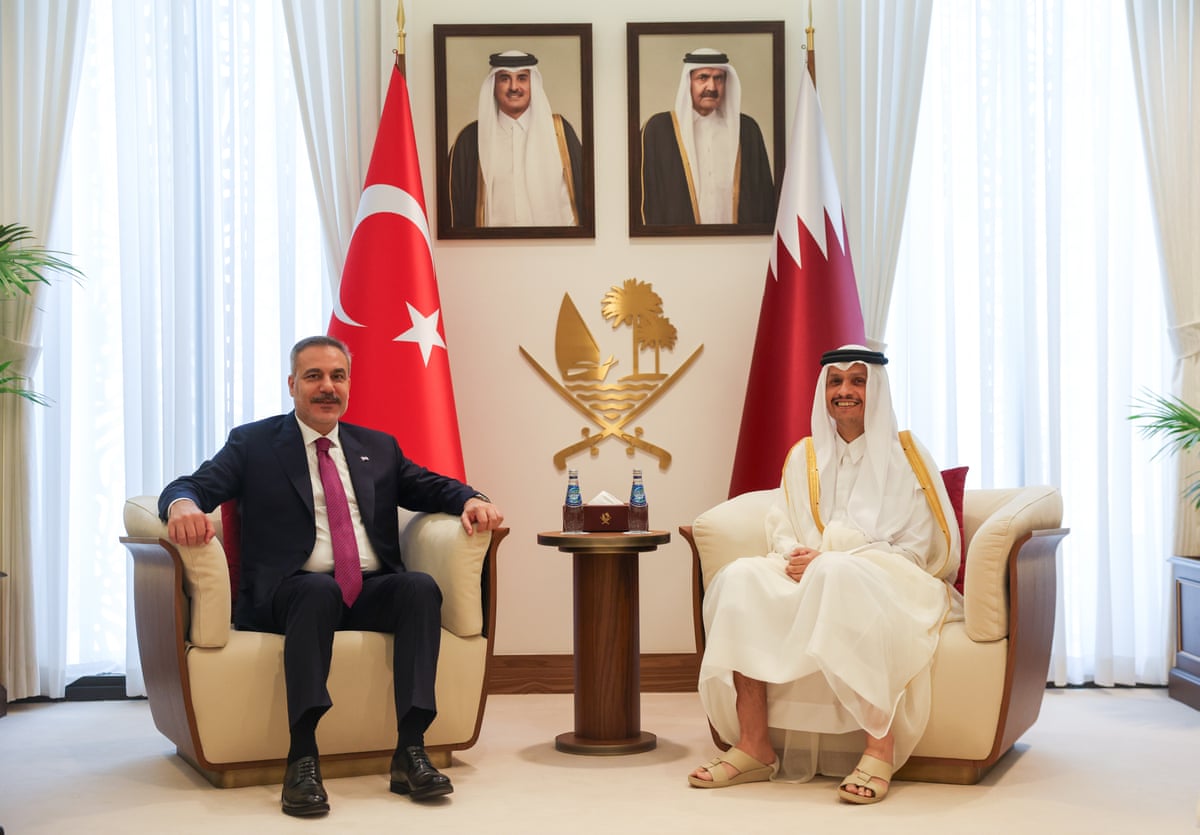
Turkey Engages Gulf Countries on Negotiations to End US-Israeli War on Iran
Turkey has maintained close contact with Qatar and other Gulf countries including Saudi Arabia, the UAE, and Kuwait, particularly regarding ongoing negotiations to end the US-Israeli war on Iran, according to Turkey’s Foreign Minister Hakan Fidan.
Fidan, speaking at a news conference with Qatari Prime Minister Sheikh Mohammed bin Abdulrahman Al Thani, condemned Israel’s “expansion policies” in Lebanon and Gaza and highlighted the “dire” impact of the effective closure of the Strait of Hormuz on the world.
Record High Conflict-Driven Internal Displacements in 2025
The number of internal displacements caused by conflict or violence worldwide reached a record high in 2025, surpassing disaster-driven displacements for the first time.
A report by the Internal Displacement Monitoring Centre (IDMC) indicated that by the end of 2025, there were 32.3 million conflict-driven internal displacements, a 60% increase from the previous year. This figure exceeded the 29.9 million displacements caused by natural disasters in 2025.
Jan Egeland, Secretary General of the Norwegian Refugee Council, described these figures as a “sign of a global collapse” in the protection of civilians.
“Countless families are returning to destroyed homes and disappearing services – or cannot return at all. From DR Congo and Sudan to Iran and Yemen, we see millions more displaced on top of the previous record numbers driven out of their homes,” he added.
Qatar Urges Iran Not to Use Strait of Hormuz to 'Blackmail' Gulf Countries
At a joint news conference with Turkey’s Foreign Minister Hakan Fidan, Qatar’s Prime Minister and Foreign Minister Sheikh Mohammed bin Abdulrahman bin Jassim Al Thani stated that the Strait of Hormuz has been “used as a weapon in this war.”
He urged Iran not to use the waterway as a “weapon to pressure or to blackmail the Gulf countries.”
He condemned ongoing deadly Israeli attacks on Lebanon and Gaza despite ceasefire agreements and expressed a desire to resolve issues with Iran through diplomacy.
Iran Expands Definition of Strait of Hormuz, IRGC Officer Says
A senior officer in the Islamic Revolutionary Guard Corps (IRGC) Navy stated that Iran has expanded its definition of the Strait of Hormuz into a “vast operational area” much larger than before the war, a move likely to provoke the US.
Mohammad Akbarzadeh, Deputy Political Director of the IRGC Navy, told the state-affiliated Fars news agency that the strait is no longer viewed as a narrow stretch around a few islands but has been significantly enlarged in scope and military importance.
“In the past, the strait of Hormuz was defined as a limited area around islands such as Hormuz and Hengam, but today this view has changed,” Akbarzadeh said.
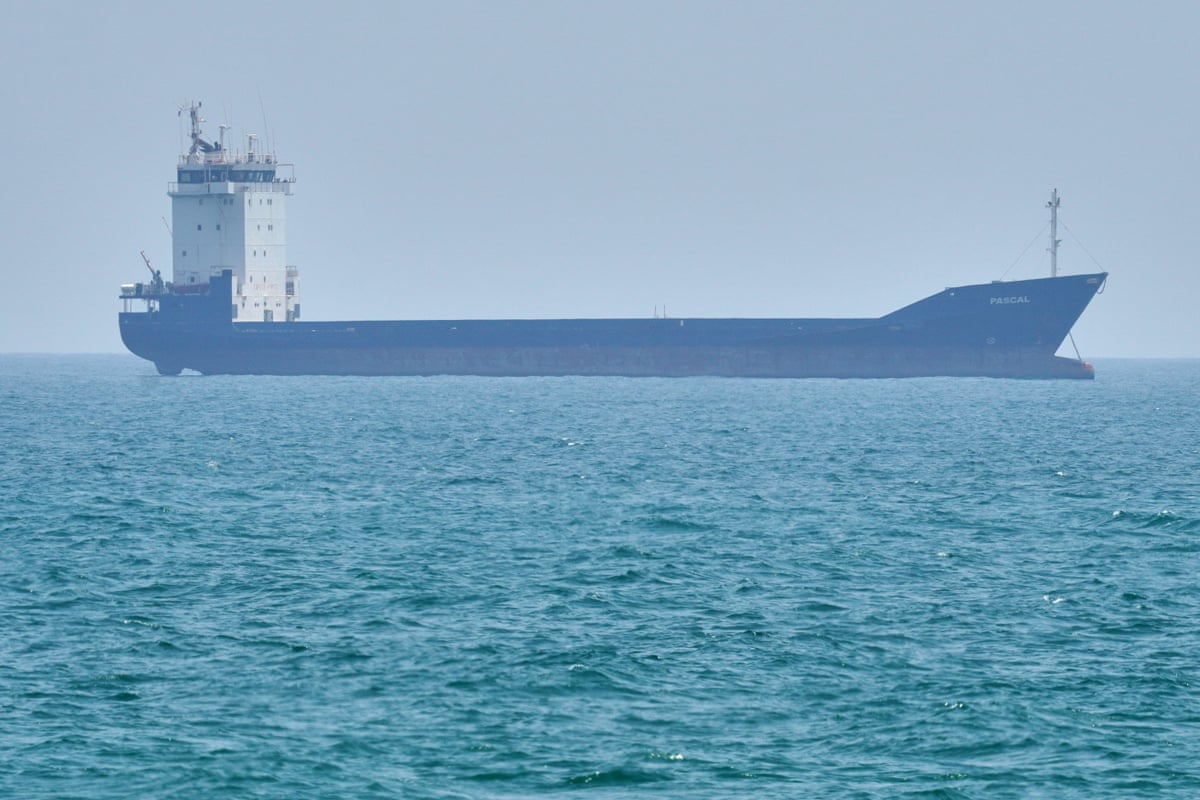
Iran effectively seized control of this critical waterway after US and Israeli attacks on 28 February. Despite weeks of heavy bombing and a US naval blockade imposed last month, Iran maintains its grip. Although some vessels from friendly countries such as China, India, and Pakistan have been allowed to transit, Iran states the strait remains effectively closed to others.
Iran has declared it will only reopen the strait under conditions including an end to the US-Israel war against it and lifting the US naval blockade of Iranian ports. Tehran also claims to have collected tolls from commercial vessels navigating the strait, a claim strongly rejected by the US.
Iran Government Promises Return to Normal Internet Access After War
Iran’s government spokesperson Fatemeh Mohajerani stated that internet access in Tehran will return to normal after the war concludes.
“The government’s approach is equitable access to all infrastructure, including the internet. We recognise internet access as a civil right, and this is exactly the president’s view as well. We do not recognise discrimination and injustice, and we oppose them.”
“Pro internet policy aims to provide businesses with access to high-quality internet, and after a return to normal conditions, God willing, this situation too will return to normal.”
Estimates indicate that Iran’s internet shutdowns cause a direct daily loss of $30 million to $40 million in sales, with indirect damage approximately twice that amount. Internet monitoring group NetBlocks reported that today marks the 74th day of Iran’s internet blackout, ranking among the longest national shutdowns ever recorded.
Senior government officials have been issued “white” SIM cards granting them global internet access, while the majority of the population remains cut off. Under pressure to reduce economic harm, the government has allowed less-restricted internet access to select professions, businesses, and regime-friendly journalists.
Hezbollah Chief States Weapons Not Part of Lebanon-Israel Negotiations
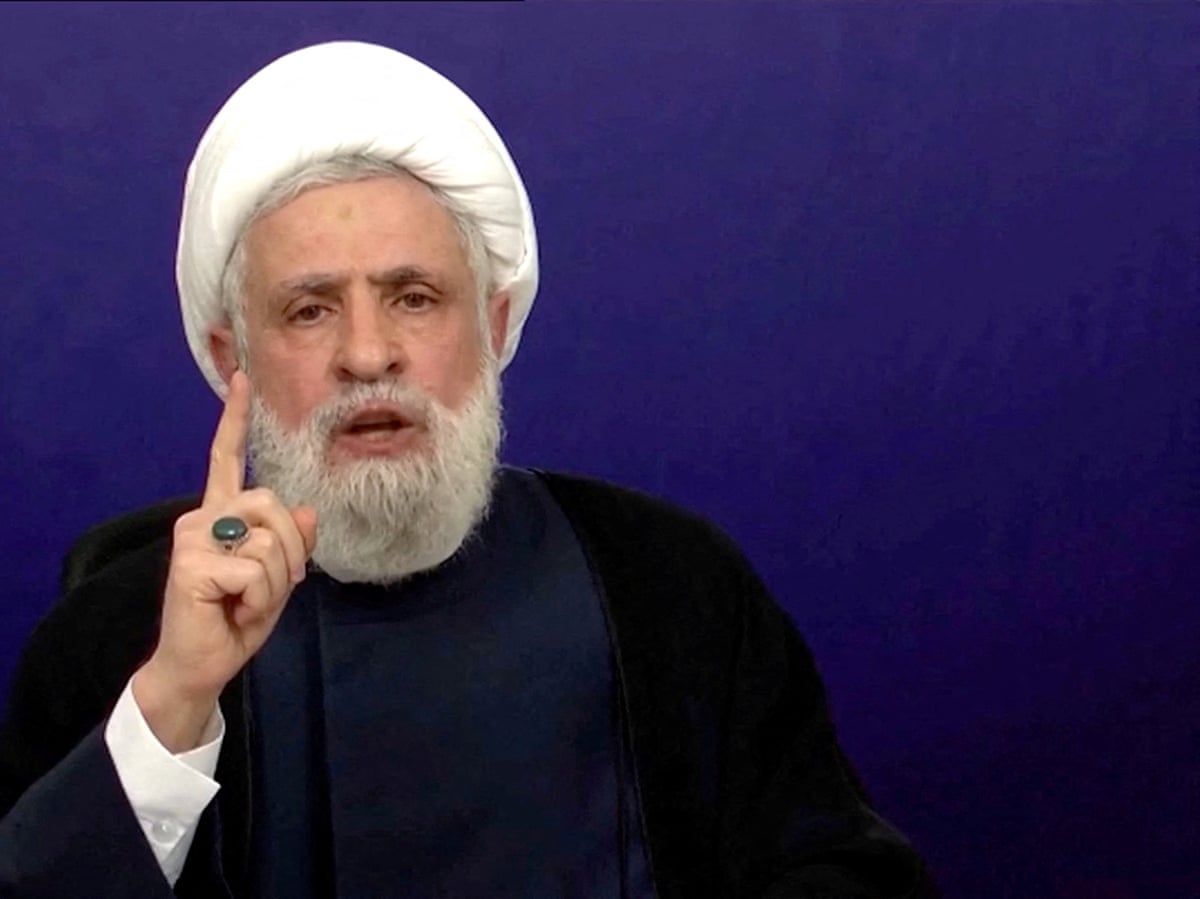
Hezbollah leader Naim Qassem declared that his group’s weapons are not included in upcoming negotiations between Lebanon and Israel.
“Nobody outside Lebanon has anything to do with the weapons, the resistance... this is an internal Lebanese matter and not part of negotiations with the enemy,” Qassem said in a written statement ahead of a third round of talks in Washington between Lebanese and Israeli representatives scheduled for Thursday and Friday.
Hezbollah will not participate in the talks and views direct negotiations as humiliating.
“We will not surrender and we will continue to defend Lebanon and its people, however long it takes and however great the sacrifices... we will not abandon the battlefield and we will turn it into hell for Israel,” Qassem added.
Despite a US-brokered ceasefire agreement, Israel and Hezbollah have continued attacks, accusing each other of violations. Israel’s stated objective is to disarm Hezbollah, though analysts consider this unlikely through airstrikes alone.
Israel has been accused of multiple ceasefire violations, with strikes killing civilians and destroying homes despite military claims of targeting only Hezbollah sites.
UAE Conducted Secret Attacks on Iran, Reports Say
The Wall Street Journal reported that the United Arab Emirates (UAE) carried out military strikes on Iran without public acknowledgment.
The strikes included an attack on a refinery on Iran’s Lavan Island in early April, coinciding with the US announcement of a ceasefire. The US reportedly was not angered by the attack, welcoming Gulf states’ involvement in military action against Iran, according to a source.
Iran described the incident as an “enemy attack” and retaliated with missile and drone strikes against the UAE and Kuwait.
Although the UAE has strong cultural and economic ties to Iran, it has suffered the brunt of Iranian attacks during the war, impacting its economy, air traffic, and tourism.
Israel deployed Iron Dome anti-missile batteries and personnel to the UAE to assist in defense during the war with Iran, US Ambassador to Israel Mike Huckabee stated at an event in Tel Aviv.
“I’d like to say a word of appreciation for United Arab Emirates, the first Abraham accord member,” Huckabee said. “Just look at the benefits. Israel just sent them Iron Dome batteries and personnel to help operate them.”
The UAE, which formally established ties with Israel in 2020 and hosts critical US military assets, was among Gulf countries targeted by Iran in counterstrikes after Tehran was attacked by the US and Israel in late February.
Israeli Attacks Kill Civilians in Southern Lebanon
Lebanon’s state-run National News Agency (NNA) reported that six people were killed and seven injured following an Israeli attack on a house in Kfar Dounine last night. Subsequently, Israeli forces detonated several houses in a neighborhood of the southern Lebanese town of Bint Jbeil.
Israel Issues Forced Evacuation Orders in Southern Lebanon
The Israeli military has ordered residents of towns and villages in southern Lebanon to evacuate immediately by at least 1,000 meters to open areas in preparation for attacks.
The affected locations include Arzun, Tayr Debba, al-Bazouriyeh, and al-Hawsh, according to a social media post by the IDF’s Arabic-language spokesperson Avichay Adraee, who claimed the attacks are in response to Hezbollah violating the US-mediated ceasefire agreement signed in mid-April.
International law experts have criticized Israel’s warnings as inconsistent, overly broad, and sometimes absent before airstrikes. Over one million people have been displaced by the renewed Israeli war on Lebanon that began after the US-Israeli bombing of Iran in late February.
According to the Lebanese health ministry, Israeli attacks since 2 March have killed at least 2,869 people, including many women and children.
Ceasefire and Strait of Hormuz Status
A ceasefire intended to facilitate peace talks between Washington and Tehran came into effect in April and has been largely observed despite exchanges of fire and reported strikes in the strategic Strait of Hormuz, which remains under a double blockade by the US and Iran. Only a minimal number of vessels are passing through the waterway.
A memorandum of understanding was signed a week ago, reportedly a one-page, 14-point document intended to reopen the strait and set a framework for further talks on Iran’s nuclear program.
Iran presented a counter-offer to the US on Sunday, which Washington emphatically rejected as “totally unacceptable.” Tehran’s proposal included demands for lifting US sanctions, ending the naval blockade, and an immediate end to the war with guarantees against renewed attacks. It also called on Israel to end its war on Lebanon.
Trump Says Iran Ceasefire Is on ‘Massive Life Support’
Live coverage of the US-Israeli war on Iran resumed after Donald Trump stated the ceasefire was “on life support” following rejection of Tehran’s peace proposal.
“I would call it the weakest, right now, after reading that piece of garbage they sent us – I didn’t even finish reading it.
“I would say the ceasefire is on massive life support, where the doctor walks in and says: ‘Sir, your loved one has approximately a 1% chance of living.’”
Shortly after Trump’s remarks, Iranian parliamentary speaker Mohammad Ghalibaf, chief negotiator in talks, wrote on X that Iran’s armed forces were “ready to deliver a well-deserved response to any aggression.”
Trump is reportedly considering resuming major military attacks due to frustration with stalled negotiations and the continued closure of the Strait of Hormuz to countries hostile to Iran, which has caused global energy prices to surge, including in the US where gas and fertilizer costs have increased.
Sources indicate the US president is increasingly impatient with divisions within the Iranian leadership, which complicate efforts to secure concessions on nuclear talks. Trump is unlikely to make a decision before his upcoming diplomatic visit to China to meet President Xi Jinping later this week.