Trump says recovering Iran's uranium will be 'long and difficult'
Former US President Donald Trump stated that retrieving uranium from Iran will be a "long and difficult" process following the US airstrikes on Iranian nuclear facilities last year.
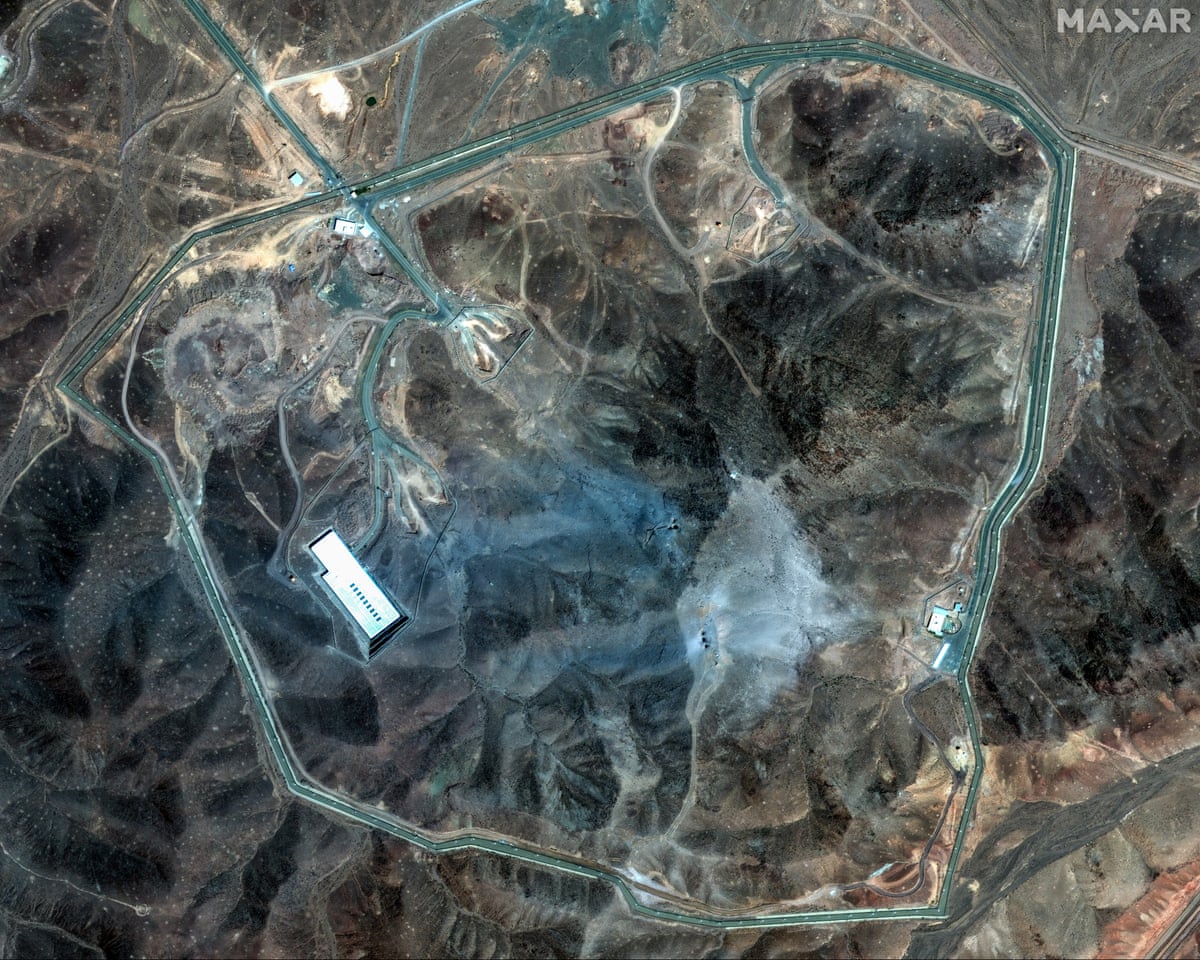
"Operation Midnight Hammer was a complete and total obliteration of the Nuclear Dust sites in Iran," Trump wrote on his Truth Social platform overnight leading into Tuesday.
"Therefore, digging it out will be a long and difficult process."
Trump used the term "nuclear dust" to refer both to Iran's stockpile of enriched uranium and to nuclear materials remaining from the June strikes.
After the bombardment, Trump claimed the US had "obliterated" Iran's nuclear program. However, as subsequent reports indicated, while the bombs caused extensive damage, deep underground sites located beneath mountains at Isfahan and Natanz were not destroyed.
In his latest post, Trump also criticized media outlets, stating:
"Fake News CNN, and other corrupt Media Networks and Platforms, fail to give our great aviators the credit they deserve - Always trying to demean and belittle - LOSERS!!!"
The status of Iran's nuclear material remains a critical issue in the ongoing US-Iran standoff. Last week, Trump claimed Iran had agreed to transfer its enriched uranium to the US, a claim Iran denied.
On Tuesday morning, Islamabad prepared to host a second round of talks, although uncertainty persisted regarding the attendance of both parties.
Pakistani officials expressed optimism about the negotiations proceeding, despite Iranian ministers stating they would refuse to engage under the threat of "force." The exact timing of US Vice-President JD Vance's departure from Washington to Islamabad remained unclear.
Security measures included road closures around Islamabad's five-star Serena hotel, the venue of the initial round of negotiations, which lasted a tense 21 hours but failed to produce an agreement.
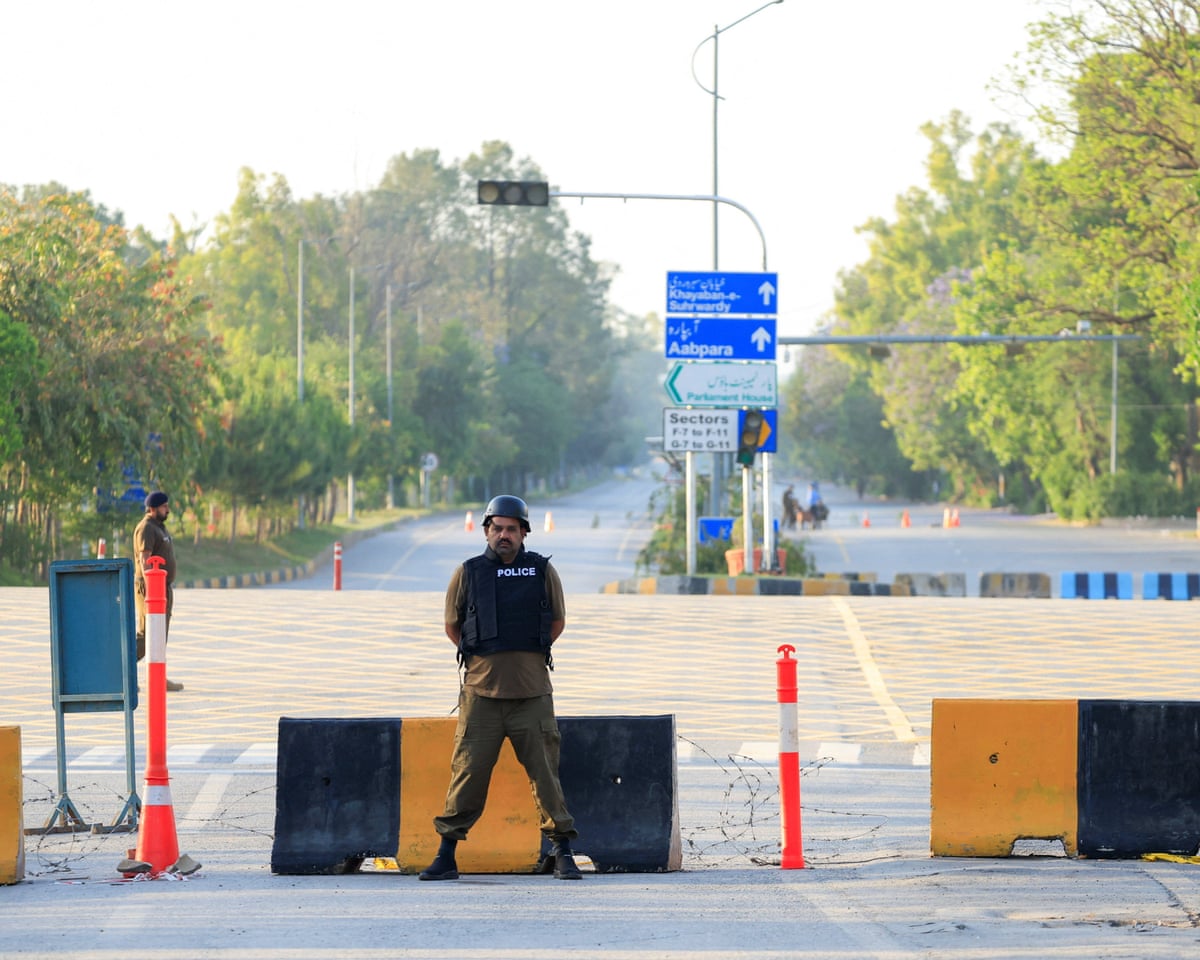
In recent days, Islamabad and other major cities have experienced blackouts exceeding seven hours due to a severe energy shortage caused by the ongoing blockade of the Strait of Hormuz. This situation underscores the economic stakes of the talks for South Asian countries.
Neighboring Bangladesh warned that its mobile network could soon shut down as fuel supplies for power stations dwindle.

On Monday night, Islamabad's electricity board assured that sufficient power would be maintained to prevent US and Iranian negotiators from experiencing outages during their meeting.
Opening summary
Welcome to our live coverage of developments in the Middle East.
Iran is reportedly considering participating in peace talks with the US in Pakistan, according to a senior Iranian official on Monday. This follows Islamabad's efforts to end the US blockade of Iran's ports, a major barrier to Tehran's re-engagement in peace efforts as a two-week ceasefire approaches its end.
The official emphasized to that no final decision had been made. Iranian Foreign Minister Abbas Araqchi cited "continued violations of the ceasefire" by the US as a significant impediment to the diplomatic process.
On Monday night, Iranian chief negotiator Mohammad Bagher Ghalibaf accused Donald Trump on social media of escalating pressure on Tehran through the blockade and ceasefire breaches. He stated that Iran rejects negotiating under threat and warned:
"We have prepared to reveal new cards on the battlefield."
The two-week ceasefire, set to expire on Wednesday, appeared at risk after the US announced the seizure of an Iranian cargo ship on Sunday attempting to breach the blockade, prompting Tehran to vow retaliation.
Trump indicated that a deal with Iran could be reached "relatively quickly." He also stated on Truth Social that the US would maintain its blockade until Iran agreed to a deal and expressed confidence that the nuclear agreement being negotiated would surpass the 2015 accord aimed at limiting Tehran's nuclear program.
US Vice-President JD Vance remained in the US on Monday, according to a source, denying reports of his imminent travel to Pakistan. This added to the uncertainty surrounding the second round of talks. Nonetheless, preparations in Islamabad continued.
Oil prices declined on Tuesday while most stock markets rose amid ongoing hopes for a resolution to the US-Iran conflict and the reopening of the Strait of Hormuz, despite Iran not confirming its attendance.
Iranian Foreign Minister Abbas Araghchi and Russian Foreign Minister Sergey Lavrov held a telephone conversation regarding the conflict. Lavrov reportedly emphasized the importance of maintaining the ceasefire and continuing diplomatic efforts. Araghchi indicated Tehran's intention to ensure uninterrupted passage of Russian ships and cargo through the Hormuz Strait.
The number of Palestinians killed in Israeli strikes in Gaza on Monday rose to at least five, according to Palestinian health officials. Witnesses reported clashes between Hamas fighters and gunmen from an Israeli-backed militia.