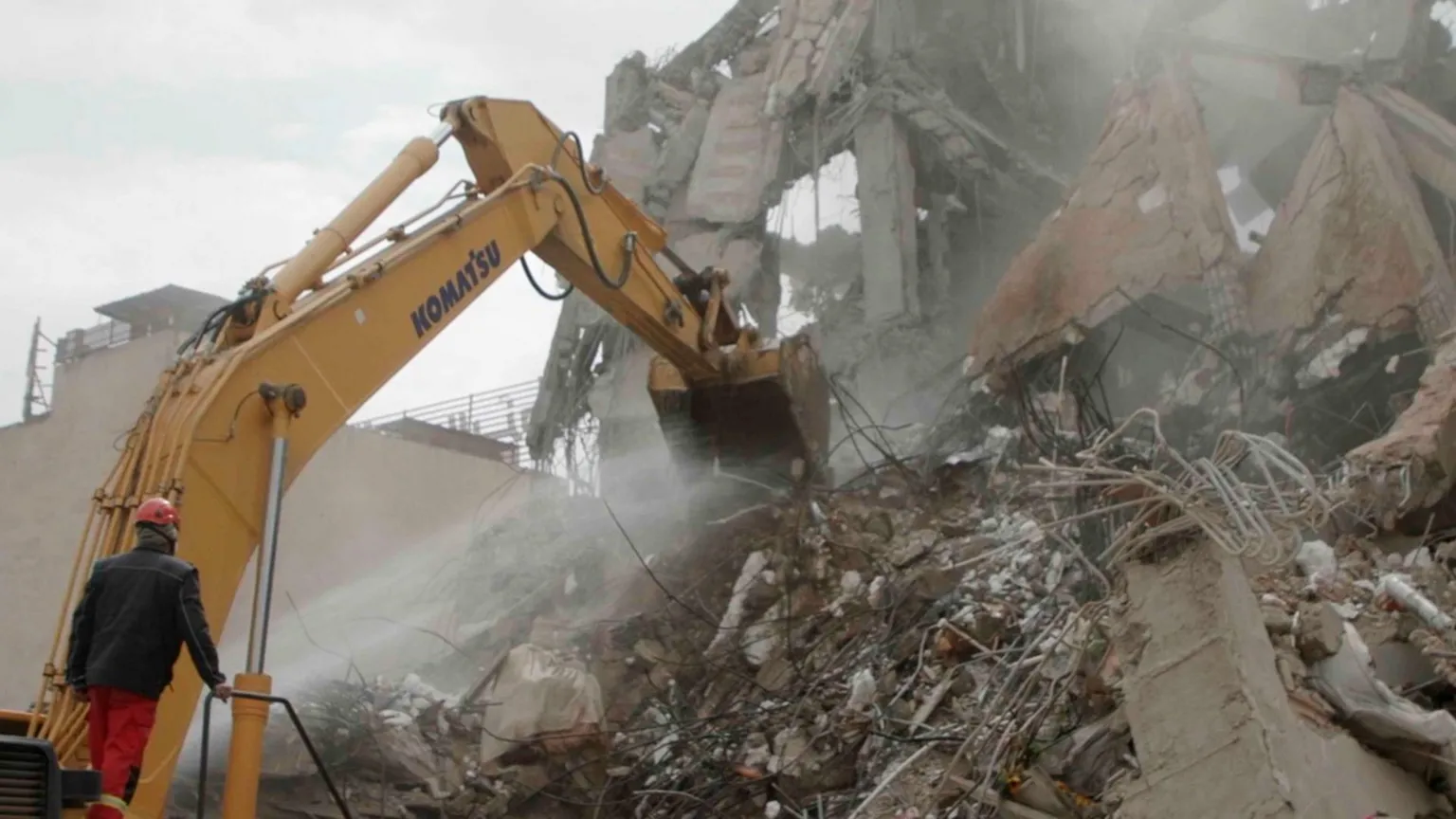
A Mother's Desperate Wait Amid Ruins
A mother stands beside the rubble, crying out for her daughter.
For days, she has waited for rescue workers to clear the debris of what was once her daughter's apartment in Resalat, a residential area in eastern Tehran.
"They don't have the manpower to get her out," the woman says.
"My daughter is under the rubble... she's afraid of the dark."
Conflict and Civilian Impact
For a month, Iran has been engaged in conflict with the US and Israel, who have conducted strikes across the country targeting regime-linked sites.
However, these attacks have severely affected civilians living nearby.
Residents find themselves caught between aerial bombardments and a repressive regime that responded to anti-government protests with a deadly crackdown in January.
BBC Eye's Exclusive Coverage
Since the war began, BBC Eye has collected exclusive footage from independent journalists inside Tehran.
The BBC has limited access to Iran and has not been permitted entry since the conflict started.
Our team has gathered eyewitness accounts, filmed strike aftermaths, and analyzed social media and satellite imagery.
Our investigation reveals a series of attacks on state-linked targets embedded within civilian neighborhoods in Tehran, resulting in deadly consequences for residents.
Destruction in Resalat
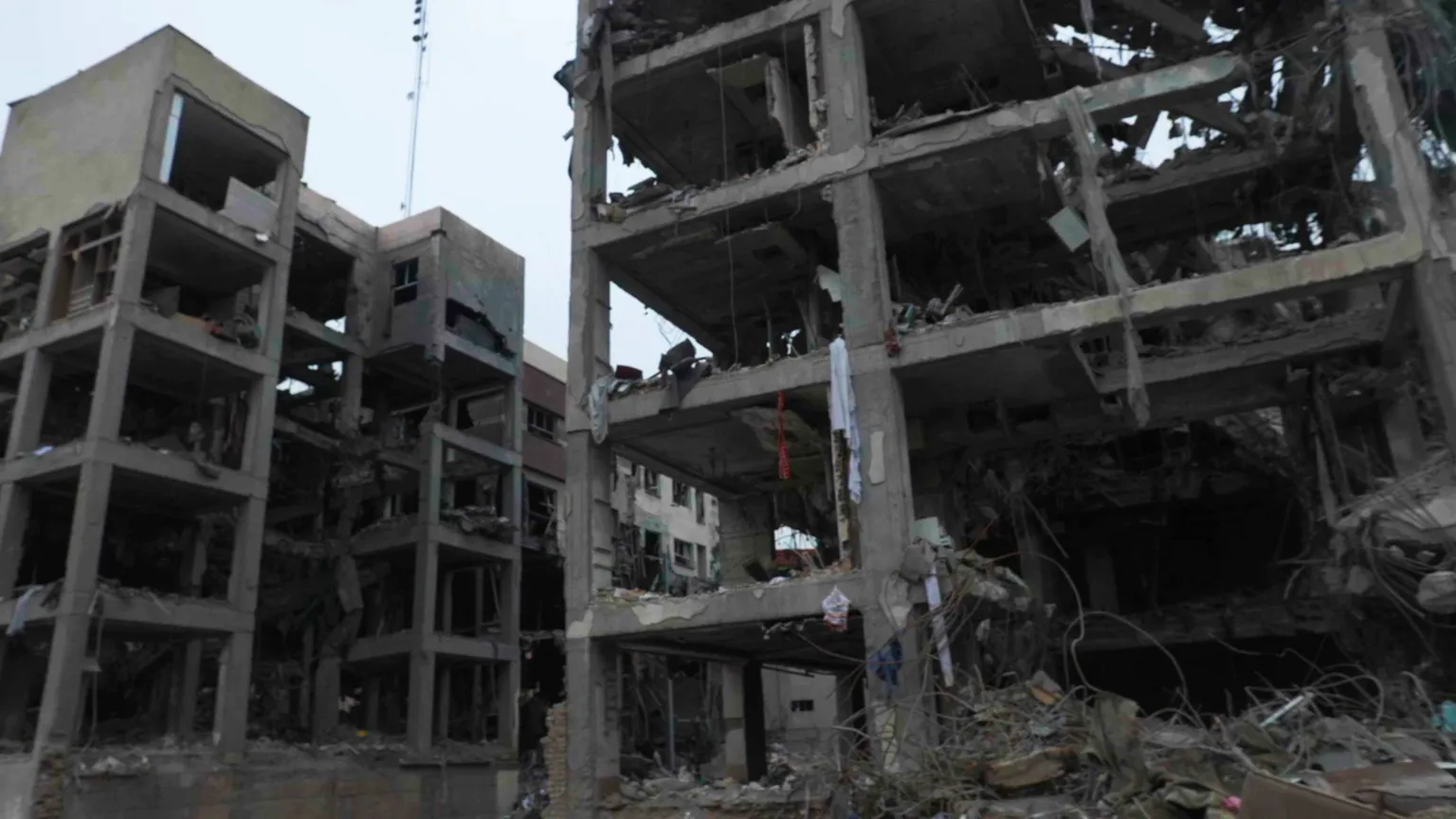
Dozens of families lived in a multi-storey apartment building in Resalat before it was destroyed by an Israeli air strike on 9 March.
The daughter trapped under the rubble lived there with her husband and young child.
Days after the strike, she and her daughter were found deceased beneath the debris; the husband survived.
Another apartment building across the street was also destroyed in the strike.
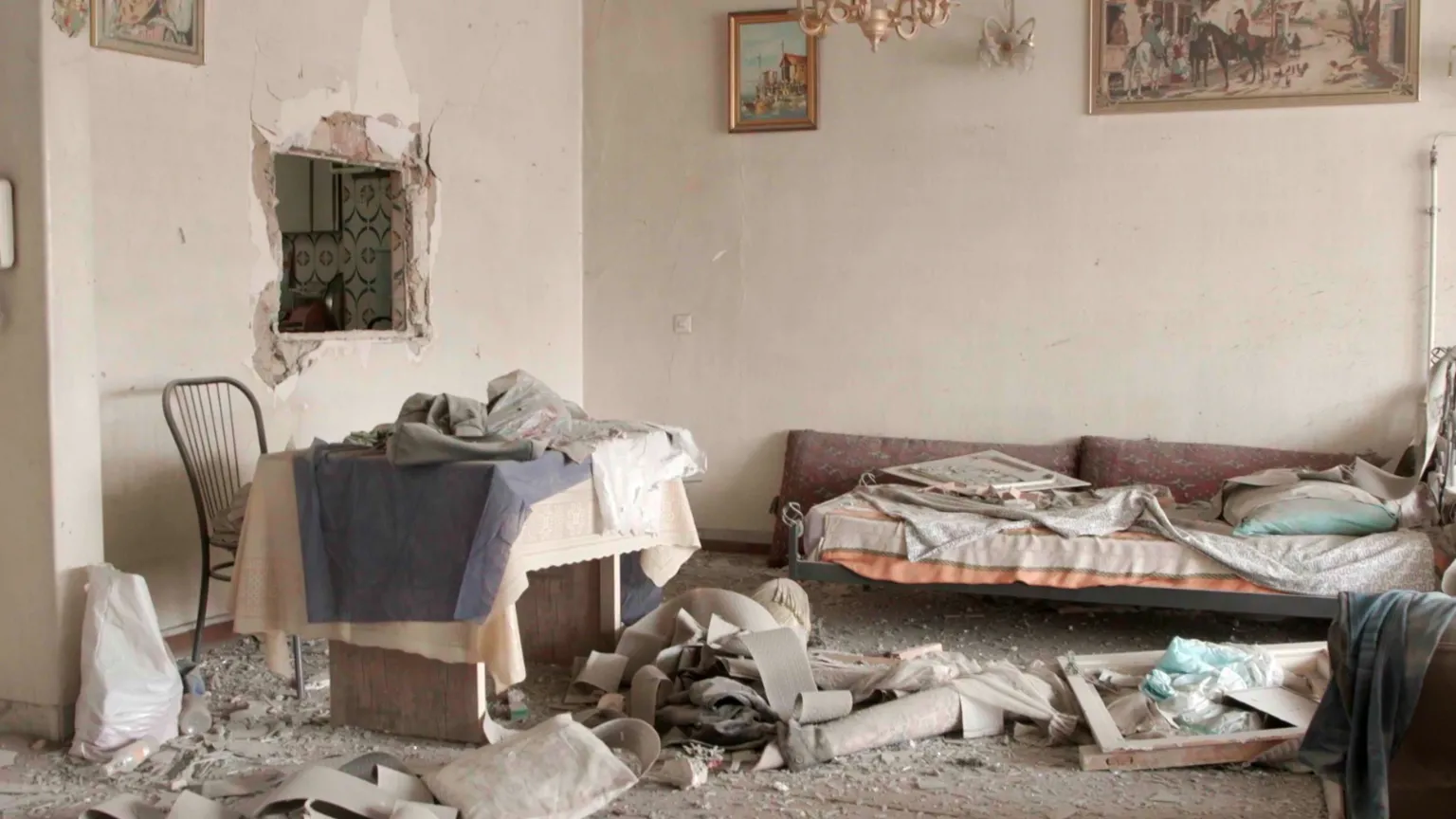
A 55-year-old resident of that building described the strike as "so sudden" that he was "thrown across the room."
"I don't have anything now… All my documents, everything, it's gone."
Local authorities and residents estimate that between 40 and 50 people were killed in this single attack.
The displaced residents are currently staying at a nearby hotel.
"This was our life," the man adds.
Statements from the Israel Defense Forces
The Israel Defense Forces (IDF) told the BBC that it "directs its strikes exclusively against lawful military objectives" in accordance with international law.
They also stated that "casualties are substantially lower than stated."
The IDF confirmed targeting a military building used by the Iranian Basij, a paramilitary group linked to Iran's Islamic Revolutionary Guard Corps (IRGC).
Extent of Damage Beyond Military Targets
Analysis of the aftermath suggests the damage extended far beyond the targeted site.
Satellite imagery taken days after the strike shows at least four buildings destroyed in quick succession.
While one building was associated with the Basij, surrounding structures appeared residential.
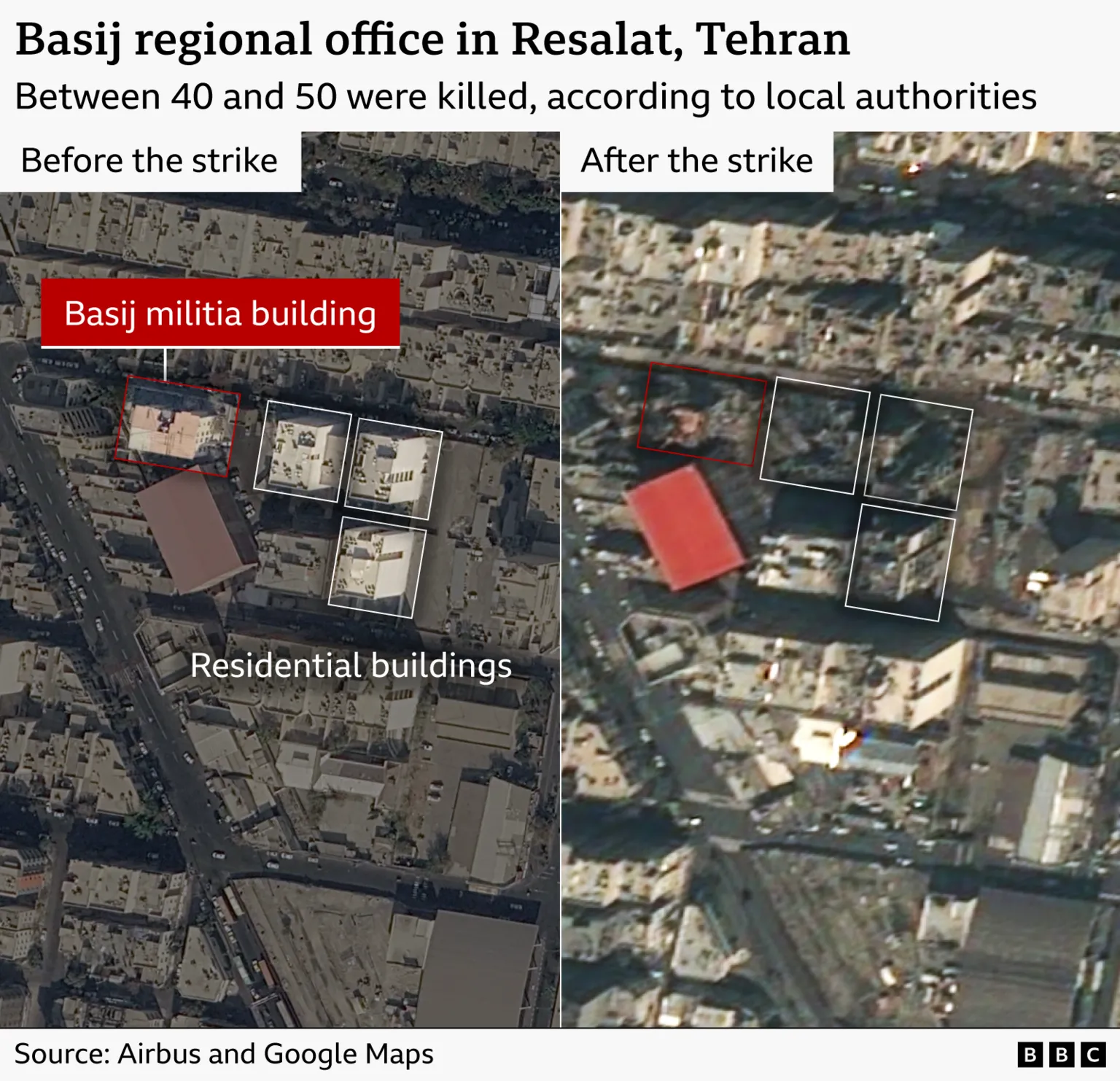
Footage verified by BBC Eye shows widespread destruction across the neighborhood, with buildings up to 65 meters away heavily damaged by the blast.
Residents reported multiple explosions occurring within seconds of each other.
"They hit three times," one survivor said.
"Maybe three or five seconds between them… I tried to stand up, but the rubble came down on my head."
Military Analysis of the Strikes
Military experts told BBC Eye that the Israeli air force likely uses large bombs from the Mark 80 series in Tehran, often equipped with precision guidance.
The scale and spread of damage in Resalat align with the use of the Mark 84 bomb, the largest in the series, weighing 2,000 pounds (907 kg).
Unexploded bombs matching these types have been photographed in the city.
The UN has previously urged parties in conflict to avoid using powerful bombs in densely populated areas due to risks to civilians.

BBC Eye consulted two international humanitarian law experts who believe that deploying such heavy bombs in densely populated areas would be disproportionate and possibly unlawful.
Wider Pattern of Strikes in Tehran
Resalat is not an isolated case.
Since the conflict began, the IDF reported dropping over 12,000 bombs across Iran, including 3,600 on Tehran alone.
US Central Command stated it has struck more than 9,000 targets across Iran.
Many US and Israeli strikes have targeted police stations, Basij militia buildings, police headquarters, military and police universities, safe houses, IRGC homes, ammunition stores, and checkpoints.
These targets are often located within busy civilian neighborhoods.
Attack on Abbasabad Police Station
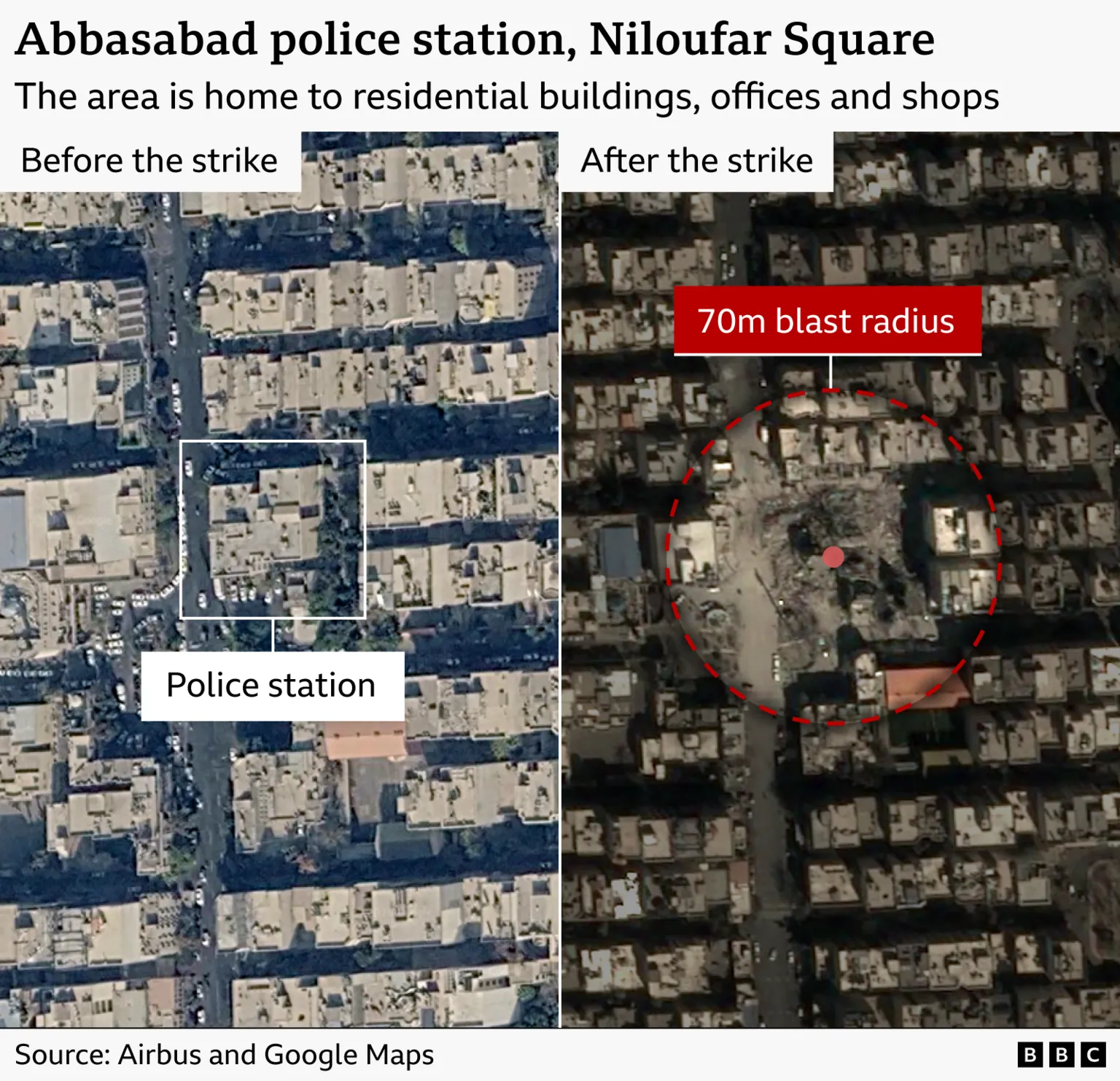
On 1 March, an Israeli strike hit the Abbasabad police station near Niloufar Square, where families had gathered after breaking their Ramadan fast.
Eyewitnesses described at least 20 fatalities, though this number has not been independently verified by the BBC.
Witnesses reported a "terrifying light" followed by multiple explosions.
"We ran into the street," one man said.
"A man and a woman had just come out of a shop… they were hit immediately."
Residents reported multiple strikes in quick succession on the same target.
"It wasn't even two minutes," another witness said.
"When we came back, they hit again."
The IDF confirmed responsibility, stating it "struck a military target."
Legal Considerations Under International Humanitarian Law
BBC Eye's analysis of the blast zone indicates damage extended beyond the intended military target, similar to the Resalat strike.
International humanitarian law requires parties to distinguish between civilian objects and military objectives.
The expected civilian harm must be proportionate to the anticipated military advantage.
It also mandates avoiding basing military targets within or near densely populated areas as far as feasible.
Civilian Casualties and Public Sentiment
The US-based Human Rights Activists News Agency (HRANA) reports that 1,464 civilians, including at least 217 children, have been killed in Iran during the first month of the conflict.
Residents told BBC Eye that strikes on residential areas risk increasing resentment, even among those previously critical of the Iranian regime.
Official Responses and Criticism
The BBC asked the IDF about the incidents detailed in this report; the IDF confirmed the strikes but provided no further comment.
The US Department of Defense did not respond to requests for comment.
Iran has also targeted civilian infrastructure and residential buildings in neighboring countries during the conflict, including airports and hotels in Gulf nations allied with Washington.
Criticism of Iranian Authorities' Response
In Tehran, residents criticized Iranian authorities for their handling of the war's impact.
They reported minimal visible safety measures such as public shelters, evacuation assistance, or temporary housing for displaced persons.
Several individuals said they received no guidance on where to seek shelter or how to protect themselves during attacks.
"There are no sirens, no warnings," one resident said.
"You just hear the explosion."
Amid ongoing internet blackouts and lack of clear communication, many residents feel exposed and uncertain about when or where the next strike will occur.
The Iranian government has not publicly outlined any nationwide civil defense protocols in response to the attacks.
Broader Impact on Tehran's Population
The United States and Israel state they are targeting Iranian state infrastructure.
However, in Tehran, where such infrastructure is interwoven with homes, shops, and schools, the consequences extend far beyond the intended targets.
For residents, the impact is measured in lost homes, shattered families, and a growing sense that no place is truly safe.