

Pre-Revolution Cuba and the Revolution's Legacy
A significant exhibit at Havana's Museum of the Revolution is devoted to illustrating the conditions in Cuba prior to the 1959 revolution. Located within the ornate former presidential palace, the display features photographs and oral testimonies that portray the severe poverty and entrenched corruption under the dictatorship of Fulgencio Batista, Cuba's then-military strongman.
The enduring image from this exhibit is that of a woman cooking with firewood inside a dirt-floored palm-leaf hut. Similar images are displayed in state museums across Cuba, from the Bay of Pigs to Birán, the birthplace of Fidel Castro, the father of the Cuban Revolution. The clear implication is that the revolutionaries rescued Cubans from the ignorance and hardship of life under a Washington-backed de facto leader, leading them instead to dignity, education, and genuine independence.
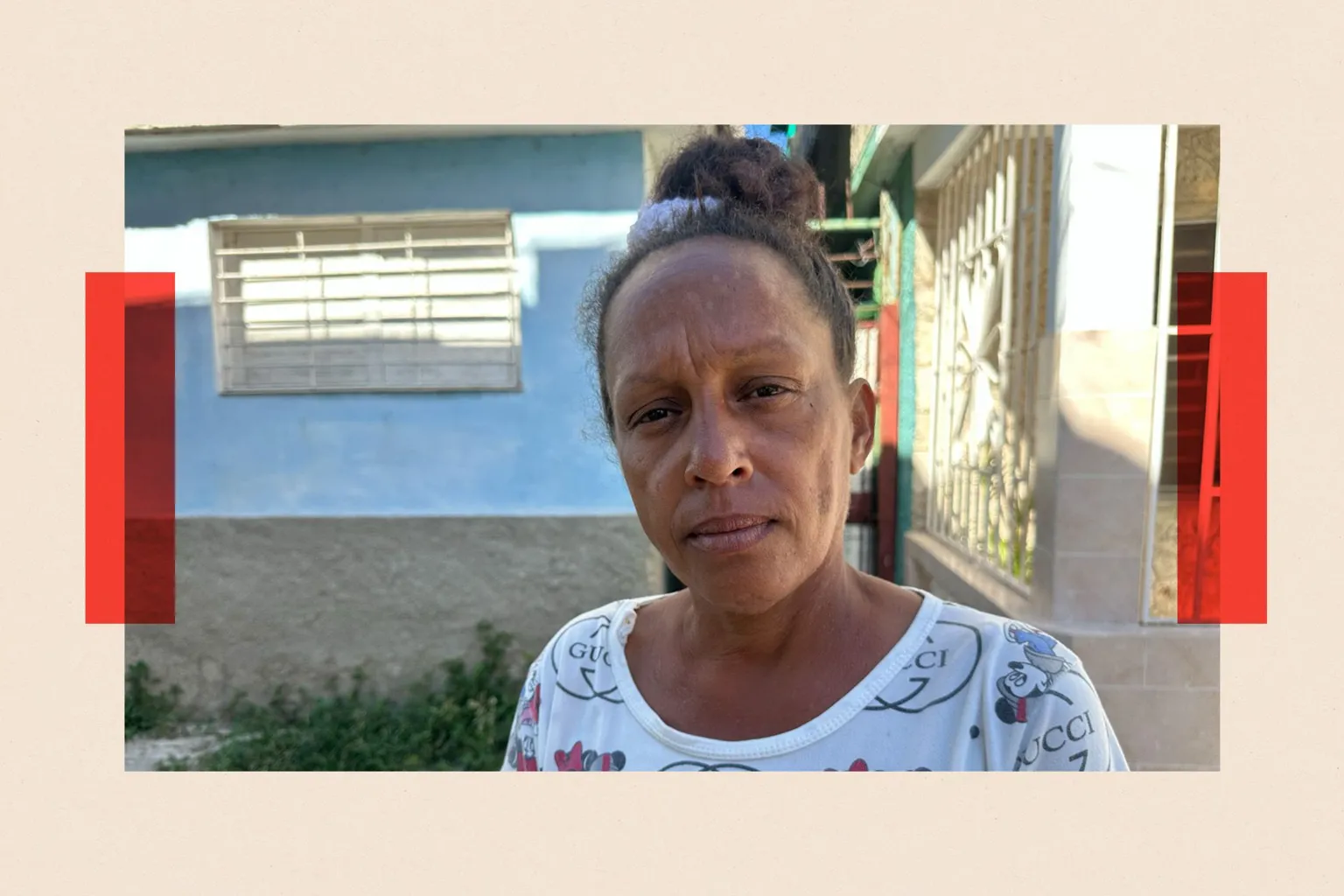
However, today Lisandra Botey identifies more with the impoverished woman in the photograph than with the revolutionaries who liberated her country from Batista.
"We're living like that now, we're exactly like that," says Lisandra, a housewife, outside her home in Havana, which is constructed from pieces of sheet metal and wood.
She explains, "Every morning, we have to go down to the beach [in Havana] and look for firewood. Then we bring it home to cook breakfast with – because if we get power, it comes on during school hours."
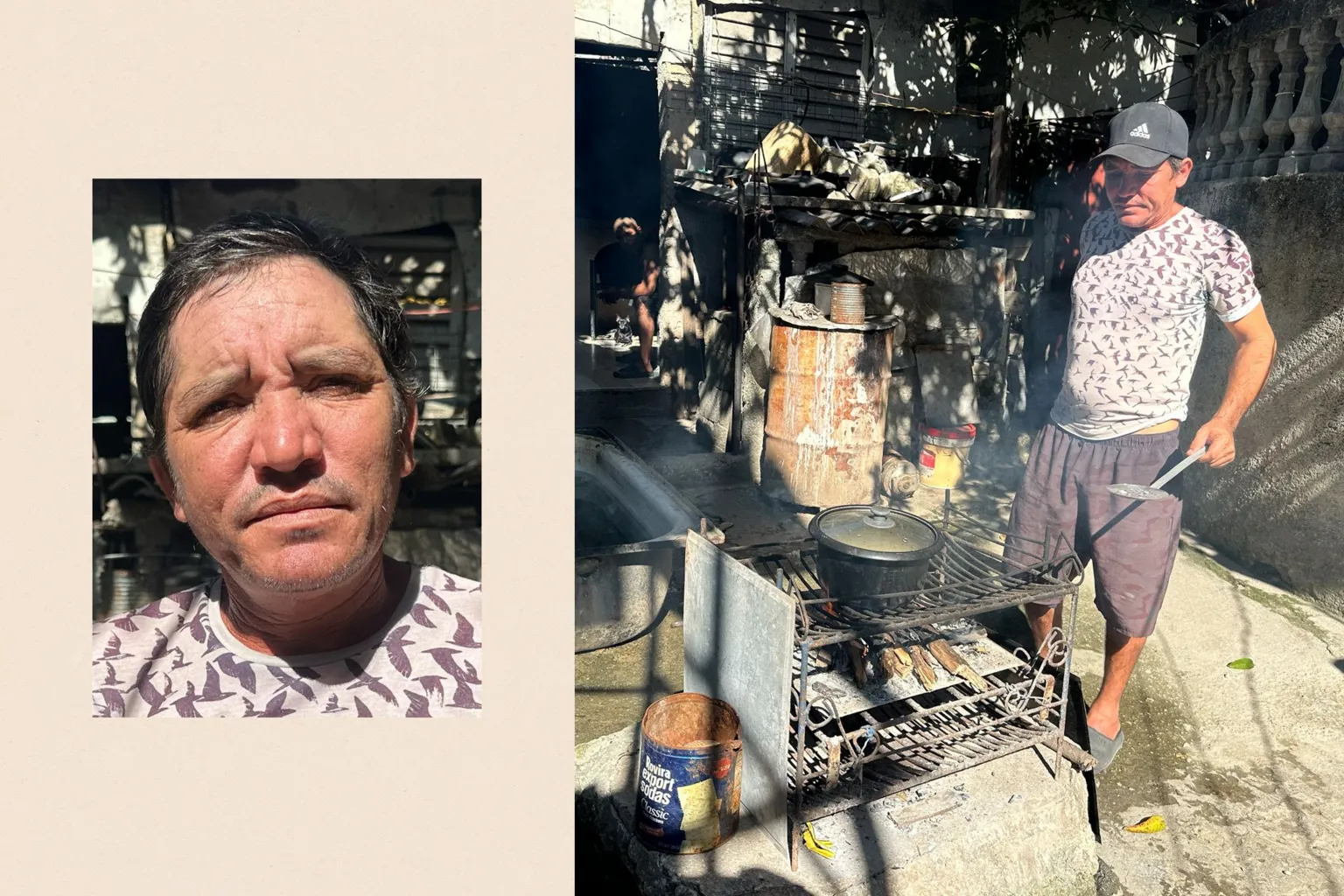
Lisandra's nine-year-old daughter left for school that morning with an empty stomach, she says, tears welling in her eyes. Her husband, Brenei Hernández, a construction worker with little employment, states that they often do not know where their next meal will come from.
"Every day is the same hunger, the same misery," he says, stirring a pot of white rice so that at least his daughter will return home to a hot meal.
Economic Collapse and Fuel Shortages
Since the onset of the coronavirus pandemic, the Cuban economy has been in freefall. No gas has been delivered to Brenei's modest home in a Havana suburb for months. Even before US troops forcibly removed Venezuela's president Nicolás Maduro, Cuba's closest ally, on 3 January, Brenei and his neighbors were cooking with firewood and charcoal. Since then, Washington appears to have taken control of Venezuela's oil industry, causing the supply of crude oil to the communist-run island to cease.
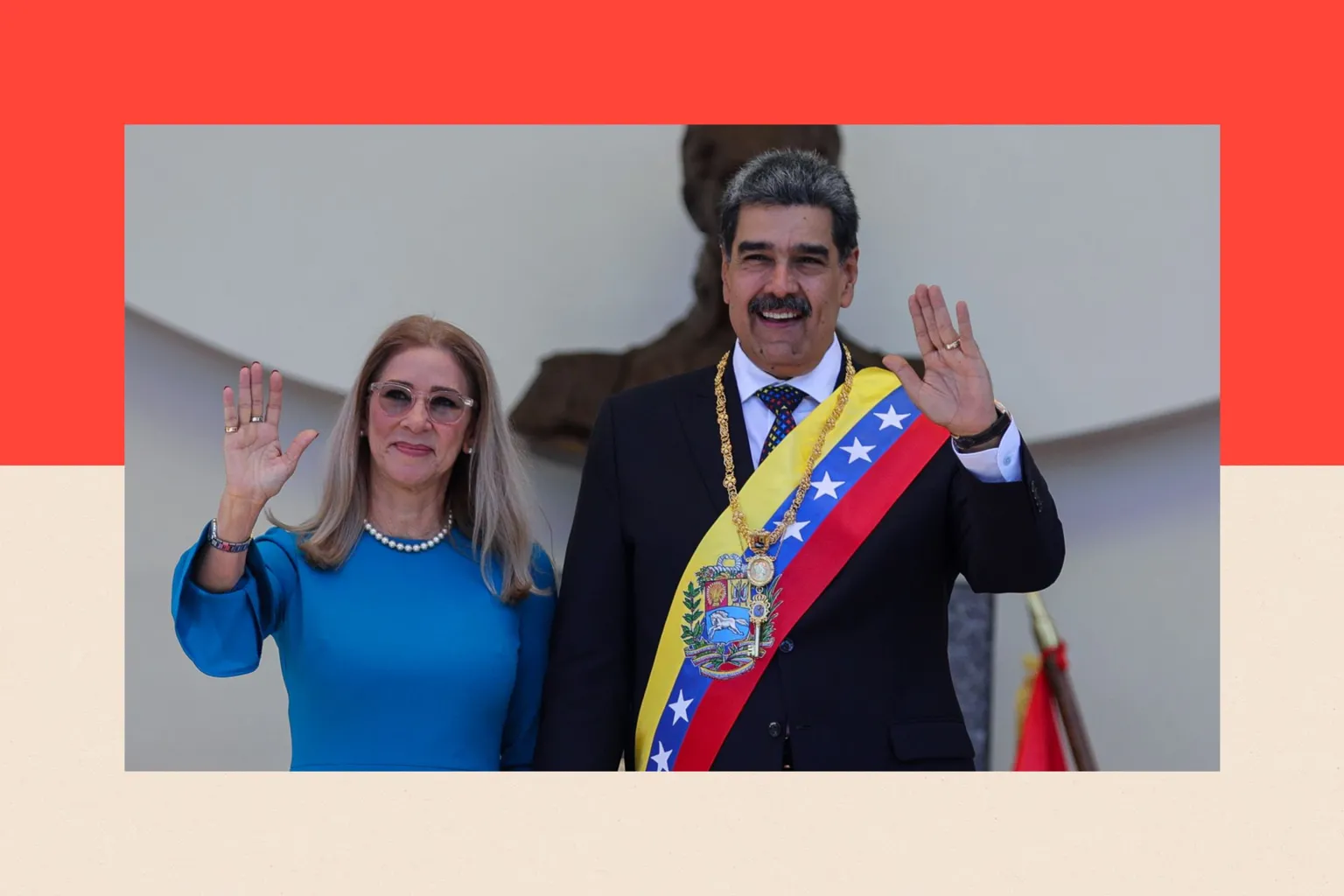
The decades-long US economic embargo on Cuba has been intensified significantly. US President Donald Trump has threatened tariffs on any nation that supplies oil to Cuba.
None of Cuba's traditional allies—including Mexico, Russia, China, Vietnam, or Iran—have increased their support to compensate for the loss of Venezuelan oil. However, the US Treasury recently announced a relaxation of restrictions on a limited number of oil sales to Cuba, citing the need to "support the Cuban people for commercial and humanitarian use."
This development comes amid escalating tensions between Washington and Havana. The Cuban government reported that its border guards fatally shot four individuals traveling in a US-registered speedboat. The government stated the individuals were Cuban nationals residing in the United States. A US official confirmed that at least one American citizen was killed and another injured during the interception by Cuban officials.
US Secretary of State Marco Rubio said the US is investigating the "highly unusual" incident.
"Washington's old playbook on Cuba doesn't apply anymore and whoever hasn't appreciated that yet is in for a shock," says Cuban economist Ricardo Torres. "Trump is changing the rules of the game."
Trump has declared that "Cuba is ready to fall," increasing pressure on the island at its most vulnerable point since the Cold War. Some analysts suggest that Washington's removal of Maduro in Venezuela was intended to deepen Cuba's economic crisis. The Trump administration appears to aim to weaken the revolution—potentially irreversibly—and push for the collapse of state-run socialism on the island.
The basic premise is that worsening internal crises could create conditions for the Cuban Revolution to unravel from within. However, it remains uncertain whether this strategy will lead to regime change or whether the Cuban communist government will find ways to endure, as it has during previous crises.
Blackouts and 'Extreme Rationing'
The fuel crisis is affecting Cuba nationwide.
In Havana, blackouts can last 15 hours or more daily. Hospitals operate in darkness, admitting only emergency cases. Schools frequently close. Garbage accumulates on street corners as fuel shortages prevent state trucks from collection. Elderly and malnourished residents are often seen scavenging through the waste.
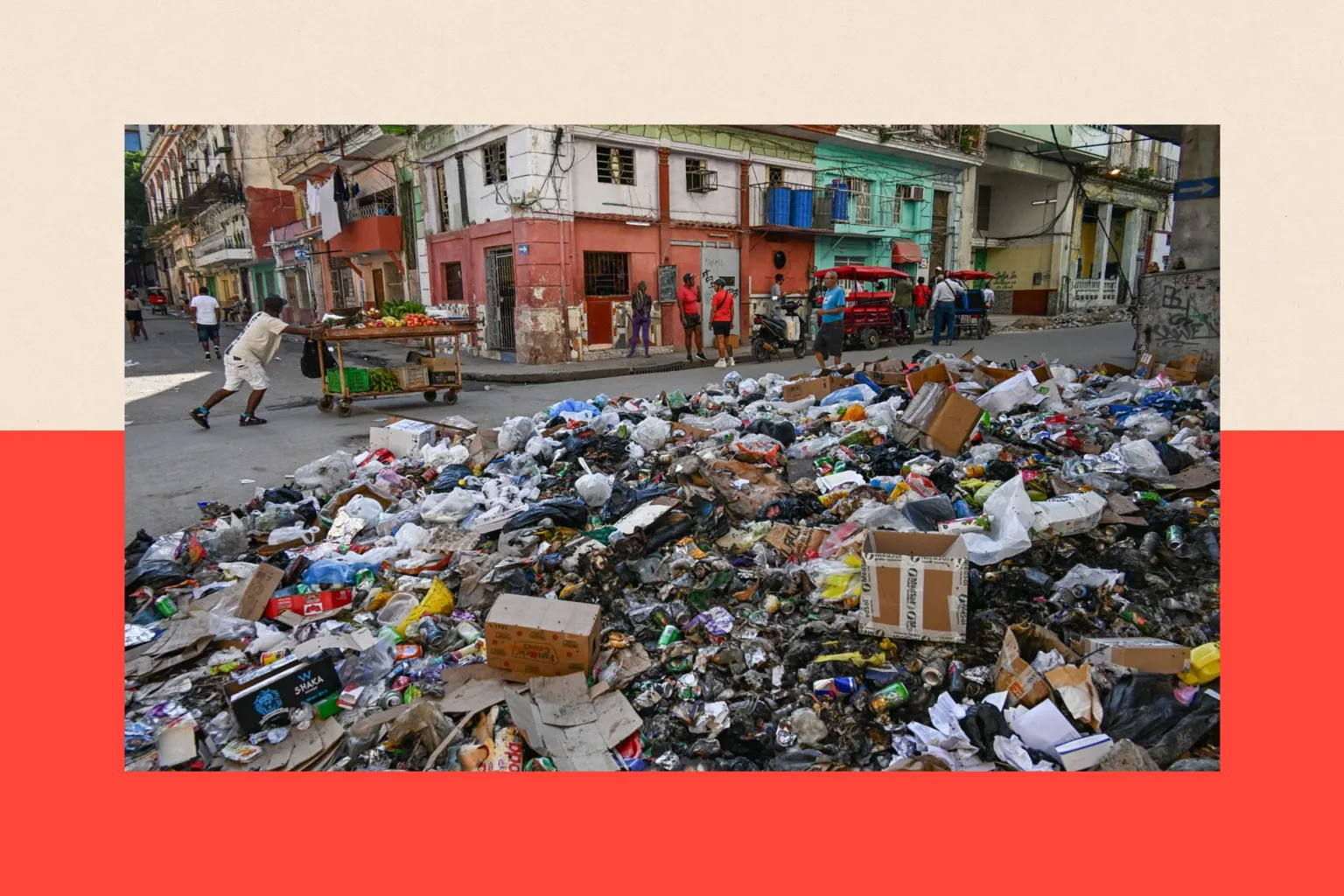
For an island proud of its social safety net established since 1959—including universal healthcare, eradication of illiteracy, and reductions in infant mortality and preventable diseases—the current situation is bleak and deteriorating.
A constant question since Maduro's arrest is how long Cuba can sustain itself without new fuel supplies.
"Perhaps the oil inventories could last for six to eight weeks," suggests Ricardo Torres, adding that precise data is unavailable since Cuba does not publish fuel inventory figures.
"Extreme rationing" could be implemented, though strict restrictions are already in place. Citizens are limited to 20 litres of fuel at petrol stations, which must be paid for in US dollars.
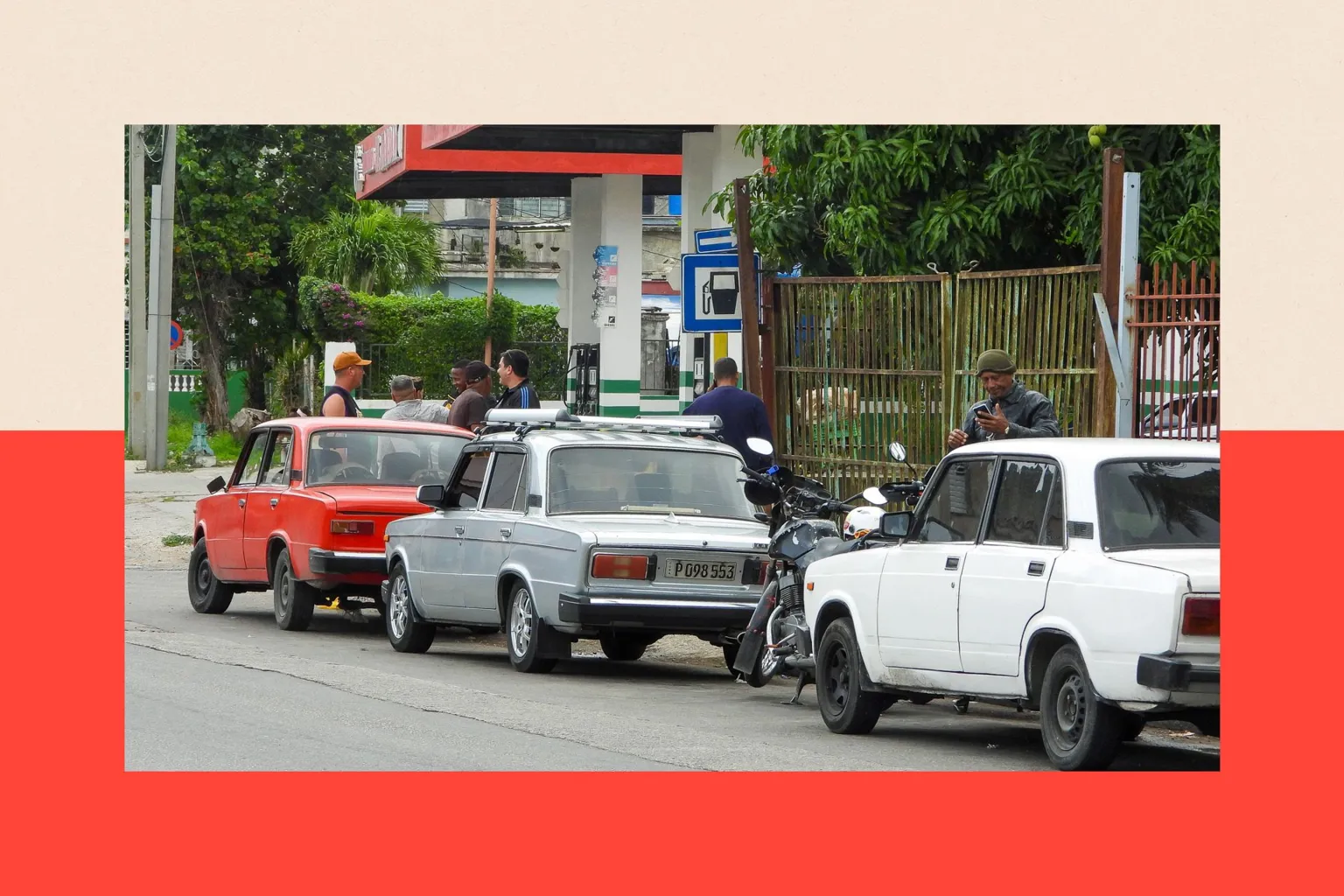
They are required to use a government-run app called Ticket, but waits can last days or weeks. Drivers often find more than 10,000 people ahead in the virtual queue for half a tank of petrol. Consequently, black-market fuel prices have surged.
Despite these hardships, Brenei Hernández directs his frustration not at Washington but at the Cuban government.
"I'd like Trump to take this place over. Then let's see if things get better," he says candidly. "What can I tell you? I'm not going to lie," he adds.
Regime Change and Public Sentiment
After years of hearing Cubans recite revolutionary slogans on camera, it is striking to hear such candid opinions expressed without apparent fear of repercussions. The level of public exhaustion and disgust is causing fear of reprisals to diminish.
"It's too much," Brenei says. "We're only eating white rice. Hopefully I can get enough money together in the next couple of days for a packet of hot dogs, or three or four eggs."
Lisandra worries that her daughter will want a birthday cake this year, which is beyond their means.
This suffering may be part of the Trump administration's "maximum pressure" strategy on Cuba. However, while the methods may be new, Ricardo Torres notes that Washington's ultimate goal remains regime change.

"Whether the change in Cuba is something very sudden or a negotiated solution, in the end, it's regime change that Trump wants."
Torres adds that the question is how Washington plans to achieve this change, especially with more severe pain from the oil embargo looming.
The Cuban government has repeatedly condemned the policy as inhumane, cruel, and illegal under international law.
"What right does a world power have to deny fuel and the ability to function to a smaller nation?" said Cuban President Miguel Díaz-Canel.
This situation contrasts sharply with the optimism of Washington's Cuba policy a decade ago. After decades of hostility, in 2014 President Barack Obama re-established diplomatic ties with Cuba in a historic but short-lived thaw. Cuban government hardliners warned that Obama's overtures masked the same goal of regime change under a friendlier guise. For ordinary Cubans, the diplomatic reset was the opposite of the current Trump administration's approach.
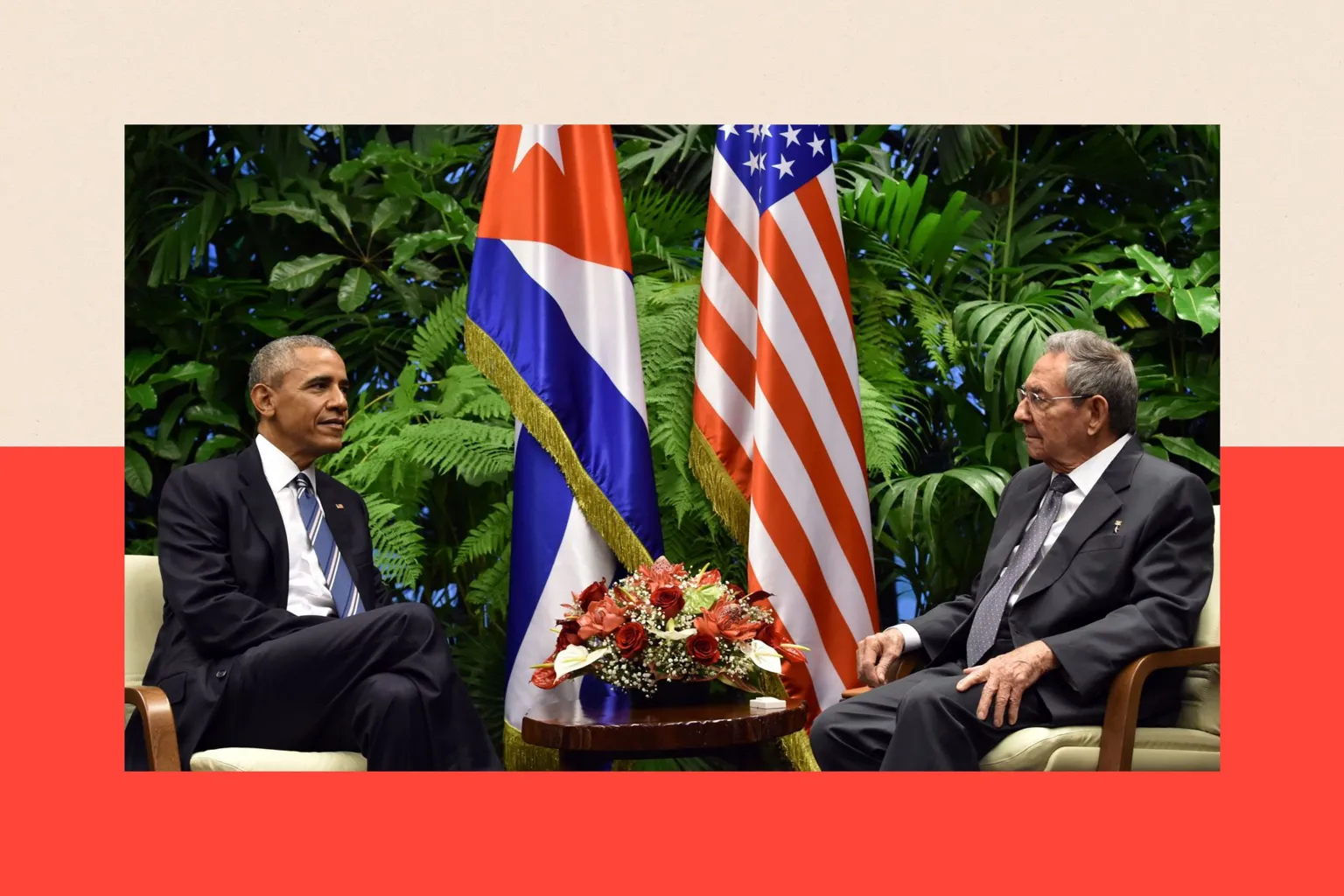
Next month marks the tenth anniversary of Obama's visit to Havana, the first by a sitting US president in nearly a century.
In front of Cuban leader Raúl Castro, Obama delivered a live broadcast address on state television, stating he had come to "bury the last remnant of the Cold War in the Americas" and to "extend the hand of friendship to the Cuban people."
Jeffrey DeLaurentis, the then-US ambassador to Cuba who oversaw the diplomatic thaw, was asked whether the Cuban Revolution now faces an existential threat.
"That will depend upon what some other countries might do," DeLaurentis replied.
Venezuela's oil support was approximately 35,000 barrels of crude per day to Cuba. There have been indications that Russia might send oil, and Cuban Foreign Minister Bruno Rodríguez recently held talks in Moscow with his Russian counterpart and President Vladimir Putin. However, no Russian fuel shipments have yet arrived in Cuban ports.
Rodríguez also traveled to China, Vietnam, and Spain seeking support.
"The rush to defend and help has certainly not been as enthusiastic and as significant as we've seen in the past. But there's still a chance that other countries might take some action," says DeLaurentis.
Regarding Trump's specific objectives in Cuba, DeLaurentis states the administration is "trying to take coercive steps to bring the government to the table or capitulate but not necessarily collapse."
"That's a pretty risky strategy it seems to me, with a lot of potential for unintended consequences," he adds.
These consequences are already evident in the worsening humanitarian crisis, which prompted Mexico to send emergency aid to Cuba, including powdered milk and personal hygiene items. The effects are felt daily by families cooking with firewood and drivers urgently needing petrol.
Impact on Tourism and Daily Life
Esteban Bello Rodríguez operates several "almendrones," classic 1950s American cars used to ferry tourists around Havana's iconic sites. His business has been severely affected by fuel shortages and the decline in tourism.
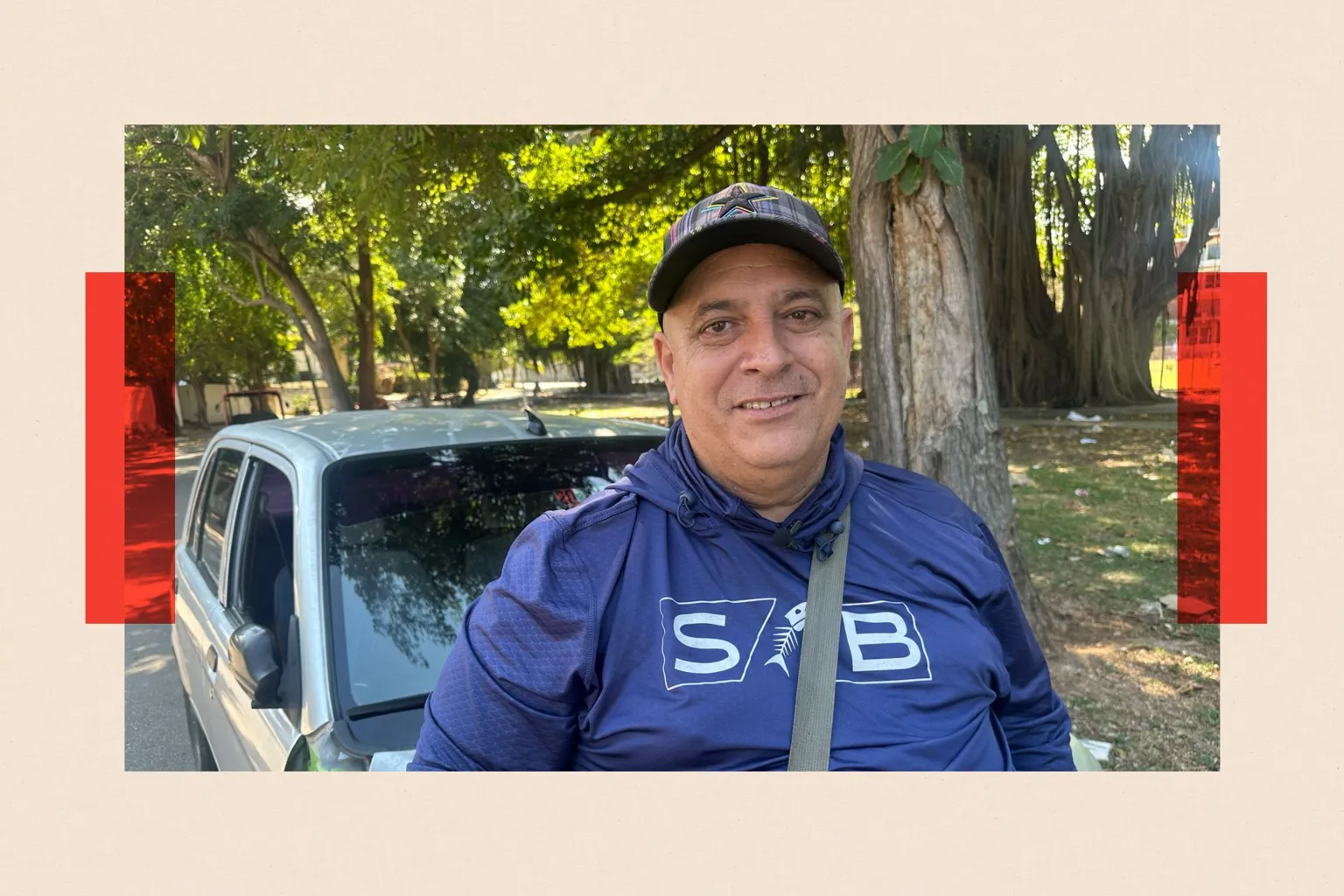
"There's a problem here – the fuel problem – so surely the people at the top on both sides have to sit down, figure it out," he says bluntly. "All I know is that a solution must be found because this is affecting the entire country – the people, nationwide. All of us."
The Real Power and Negotiations
On the US side, Cuba policy is largely led by Secretary of State Marco Rubio, a Cuban-American son of exiles and former Florida senator.
Trump has stated that Rubio is engaging with the top tier of the Cuban government. There has been widespread speculation about who might lead negotiations on the Cuban side. Cuban economist Ricardo Torres asserts that only Raúl Castro holds real negotiating power, despite his advanced age of 94.
"The only people with capacity to engage in a meaningful negotiation are people close to Raúl. The civilian government doesn't have any real power – including President Miguel Díaz-Canel," he argues.
"The real power in Cuba is Raúl and the closed circle around him."
Last week, Axios reported that Raúl Castro's grandson, Raúl Rodríguez Castro—known in Cuba as "El Cangrejo" (The Crab)—is the Trump administration's contact within Castro's inner circle. He is considered one of Raúl's most trusted confidantes, having served as his personal bodyguard and being more business-oriented than ideological, though he lacks high-level diplomatic experience. Neither side has confirmed these talks.
"In the case of Venezuela, the Trump administration has been very pragmatic," Torres adds.
Rubio has been willing to engage with an interim government in Caracas under Delcy Rodríguez, and Washington appears to be seeking support from the conservative Cuban-American lobby in Florida for negotiations with a similarly weakened regime in Havana.
Despite public adherence to the "maximum pressure" strategy, Washington seems to fear that sudden political change in Venezuela or Cuba could be destabilizing, potentially triggering migration and humanitarian crises.
Observers have noted that Rubio's tone toward Cuba softened during recent remarks at the Munich Security Conference, emphasizing economic reforms rather than comprehensive political transformation.
"In a way it almost sounded like a strange variant of Obama 2.0 in terms of economic reforms and so forth," said former ambassador DeLaurentis. "That signaled to me that they are looking for a Delcy-like figure to negotiate with."
"Ten to 20 years ago, the diaspora in south Florida would have been completely opposed to that kind of approach. But I guess that now they'd give the president and the secretary the benefit of the doubt, and allow this sort of scenario to play out," adds DeLaurentis.
Meanwhile, visitors wishing to see the photograph of the pre-revolutionary woman cooking with firewood must wait, as the museum has been closed for over a year for refurbishments, which cannot continue due to fuel shortages.
In what is now the most challenging period in Cuba's modern history, it remains unclear whether only the Museum of the Revolution will undergo renovation this year—or the Cuban Revolution itself.
Image Credits and Additional Information
Top picture credit: AFP via
BBC InDepth is the website and app home for in-depth analysis, fresh perspectives that challenge assumptions, and detailed reporting on major issues. Emma Barnett and John Simpson present their selection of the most thought-provoking deep reads and analysis every Saturday. for the newsletter here.



