

Drone Attack on Animal Shelter in Zaporizhzhia
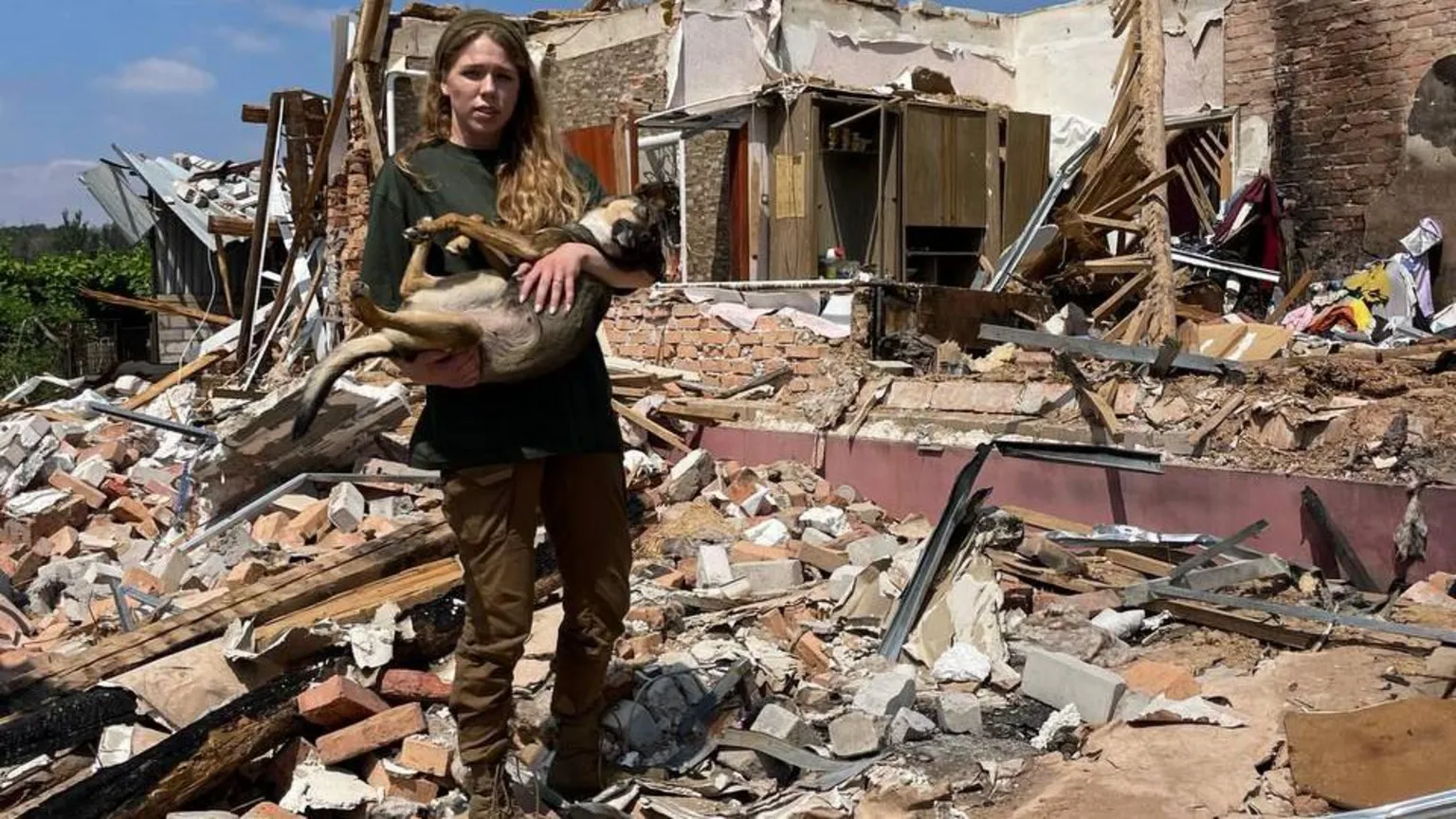
In February, as staff at the animal shelter "Give a Paw, Friend" in the frontline Ukrainian city of Zaporizhzhia were preparing for their shift, a Russian drone struck the centre of their compound. The steel door at the entrance likely saved their lives, but more than a dozen animals sheltering there were killed.
"It was terrifying, to put it mildly," says the group's head Iryna Didur.
Local residents quickly assisted in clearing rubble and capturing animals that had fled in panic. The local energy company, itself frequently targeted by Russian attacks, installed a new steel door to reinforce the shelter's safety.
"We've got very good people here in Zaporizhzhia. A lot of them have been visiting us to help, and we cleared almost all the rubble in three days," Didur told the BBC.
Animal Welfare Efforts Amid Conflict
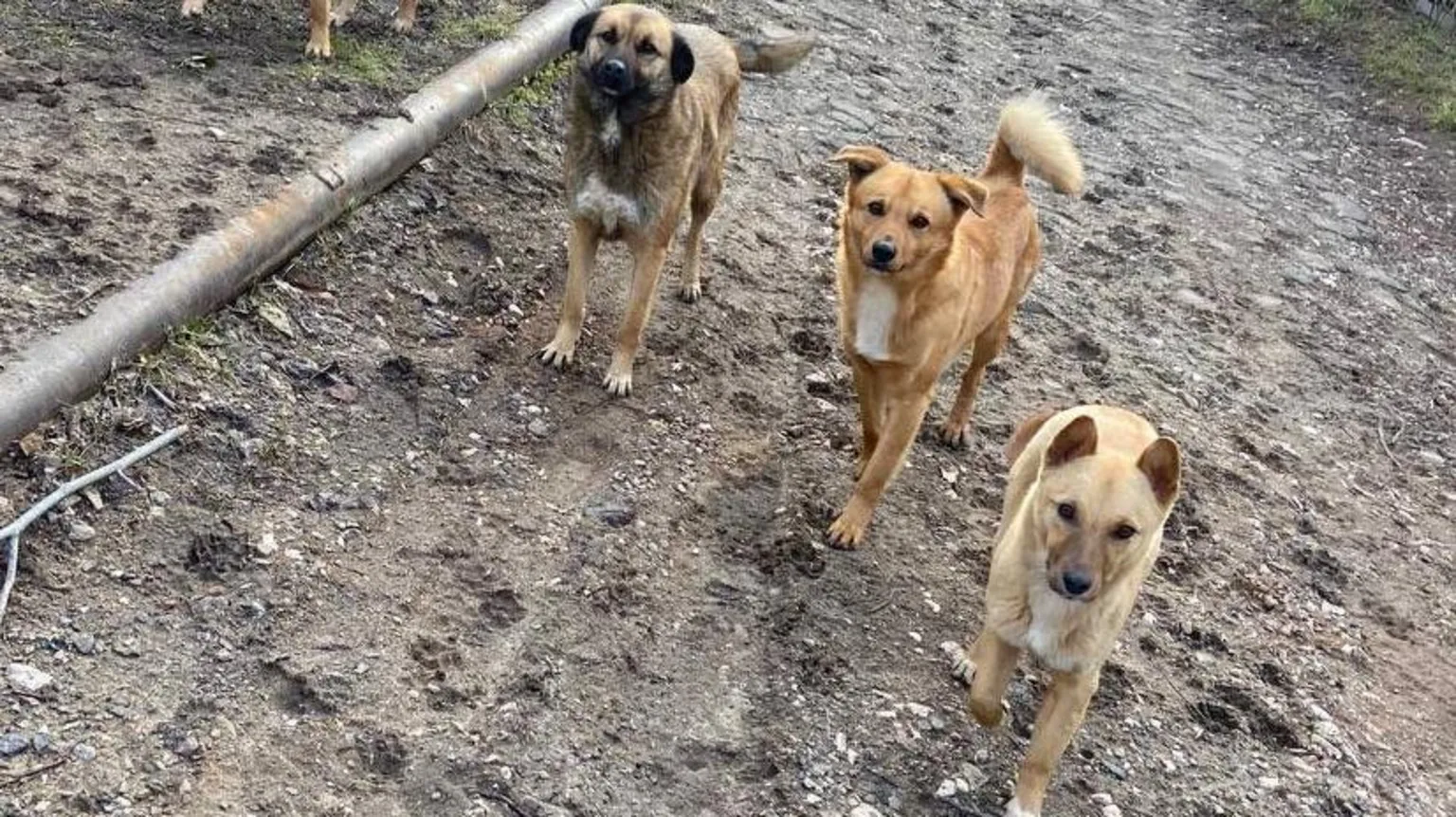
"Give a Paw, Friend" is one of many organizations providing food, veterinary care, shelter, and evacuation assistance for animals affected by the war. Some groups also neuter stray cats and dogs to control population growth.
Many pets were abandoned as their owners fled areas near the front line under Russian bombardment. Others struggle to survive after their owners were killed.
Rescue Operations and Evacuations
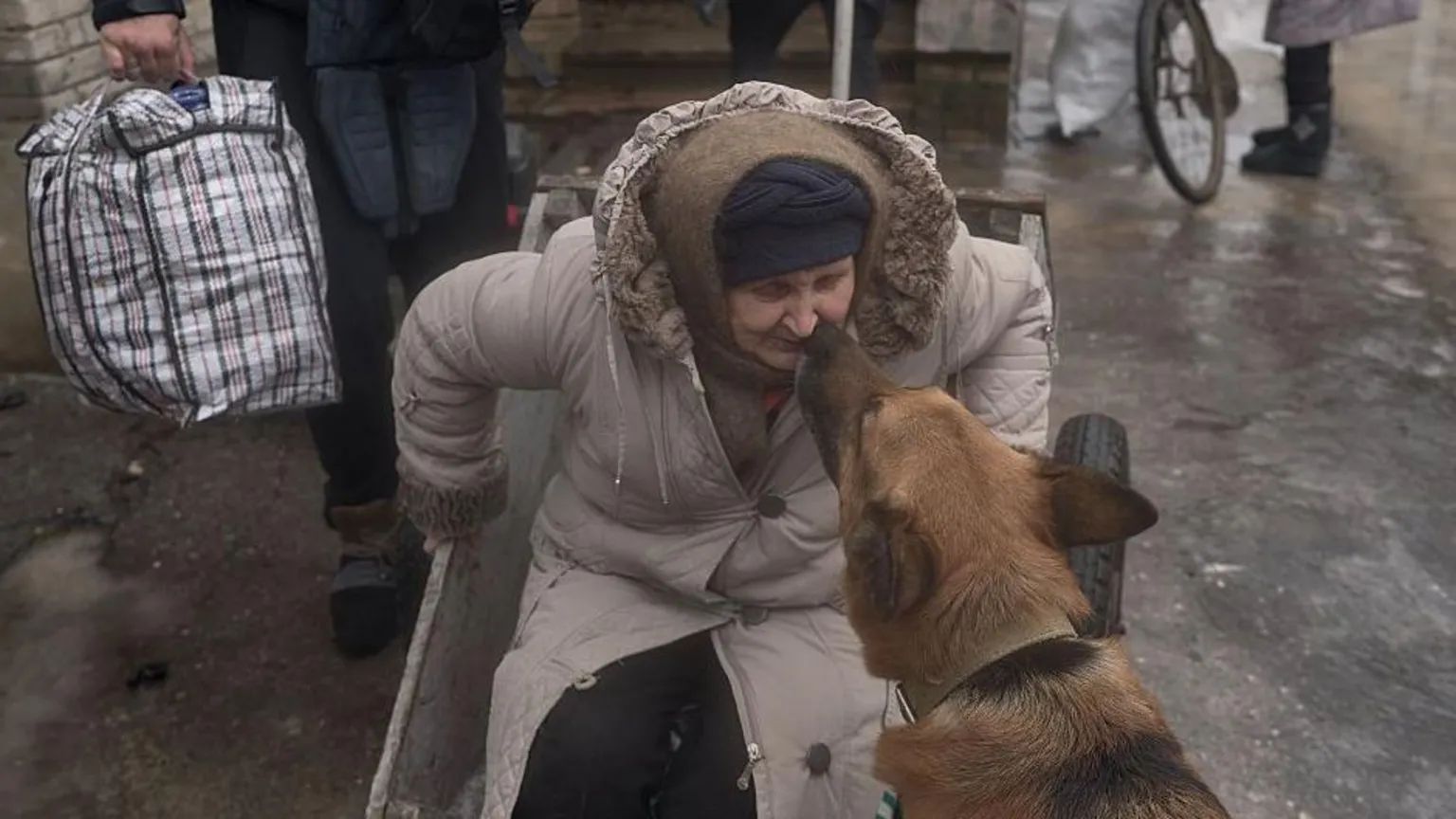
Lala Tarapakina, head of the 12 s charity, was moved to action after witnessing abandoned dogs that appeared to have been family pets. Her organization has rescued over 40,000 animals, often from dangerous areas.
"Many people were forced to flee under shelling, losing friends, relatives and limbs along the way. They left lots of animals behind, and we evacuated them under artillery shelling," she said.
Evacuated animals are placed in shelters, with adoptive families, or reunited with their owners. These efforts also assist pet owners who cannot or will not travel without their animals.
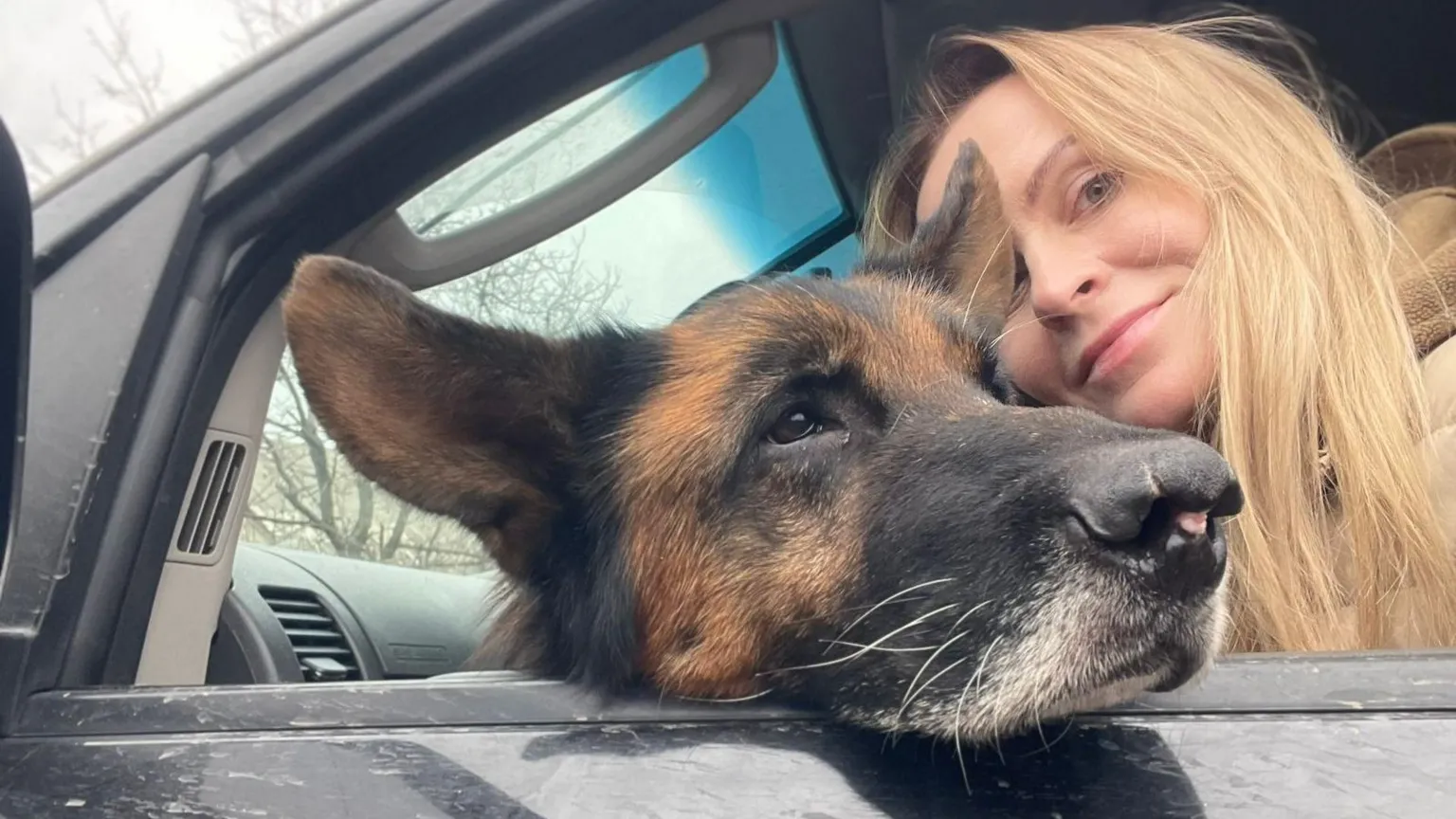
Alla, the last resident to leave her village in Donetsk region, stayed because of the cats and dogs she cared for.

"I love them all! How could I abandon them? I probably wouldn't survive, my heart would just break," she told Ukrainian TV.
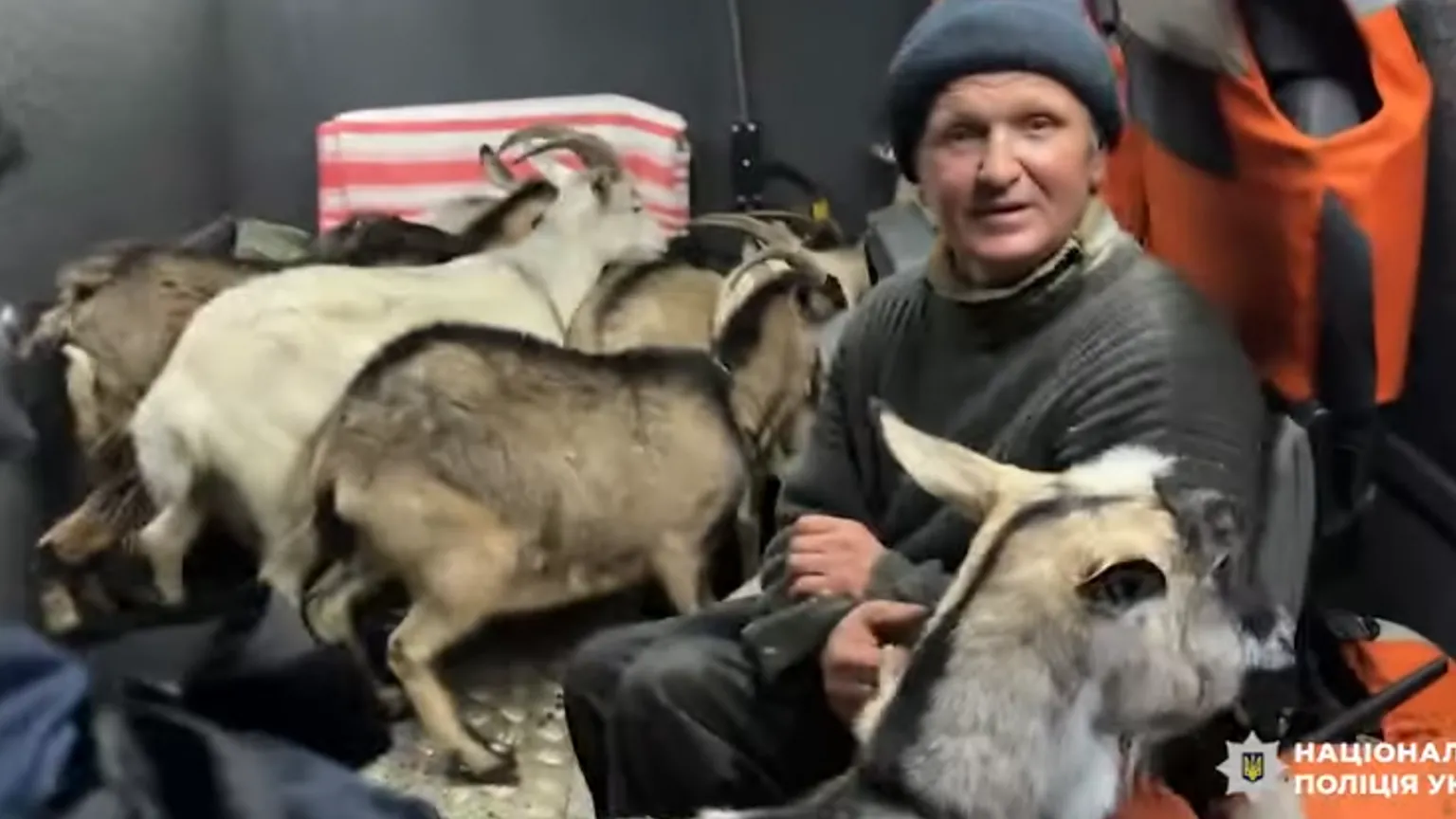
A special police unit helped a farmer evacuate with his 11 goats from bombardment in the northern Sumy region.
Challenges of Traveling with Pets
Many Ukrainians remain near the front line because traveling with animals is complicated and costly. Finding pet-friendly rented accommodation in safer regions is difficult. Traveling abroad with pets requires documentation such as rabies vaccination certificates.
Risks for Animal Aid Workers
Helping animals during wartime carries significant risks. Nate Mook, whose Hachiko Foundation provides veterinary care and pet food with 150 feeding stations along the front line, explained the dangers.
"We've had to arm our teams with drone detectors now. We're driving along highways with [anti-drone] netting," he said.
"We've had to relocate in certain areas because it became too dangerous, and unfortunately, some of the areas where we began our work in 2022 are now no-go zones."
Animals Amid the Front Lines
There are so many stray animals near the front lines that Ukrainian soldiers joke cats and dogs have become standard issue. For over two years, a drone unit driver outside Kupyansk has been accompanied by a maltipoo dog. The 831st Myrhorod tactical aviation brigade has a ginger cat that appears during air raids.
"He just sits near an air defence artillery gun, silent and motionless, as if he's also on duty," the brigade said.
Motivations Behind Animal Rescue
Despite immense human suffering and personal risk, many choose to help animals. Lala Tarapakina explained the emotional impact.
"Saving one animal is the same as saving several people because it gives them hope," she said. "By rescuing one dog, you make an average of about 10 people happy. That's good maths, isn't it?"
Nate Mook, formerly of World Central Kitchen, emphasized the trauma animals endure.
"Dogs and cats have no choice about what's happening around them, and there's this sense that they are really powerless. They are equally traumatised and shell-shocked, and the same thing that humans go through, the animals also go through," he said.
He added that helping animals is not a matter of choosing between humans and animals, and that animals do not cause wars.


