

Declassification of 1981 Coup Documents
Spain's government has declassified and released dozens of documents related to the attempted coup that occurred 45 years ago, an event considered a pivotal moment in the nation's history.
A group of armed officers stormed the parliament, threatening members of parliament (MPs) with the objective of overthrowing Spain's nascent democracy and reinstating dictatorship. Their attempt was thwarted when King Juan Carlos refused to endorse the coup.
Despite the failure of the coup, conspiracy theories have persisted, including allegations that the king may have had prior knowledge of the plot or was even complicit in it.
Death of Coup Leader and Family Statements
The release of these files coincided with the death of the coup's leader, Antonio Tejero Molina, who passed away at the age of 93.
Tejero's lawyer characterized him as a "man of honour, unwavering faith, and great love for Spain."
"May God grant him the peace that men denied him,"
he wrote on X on behalf of Tejero's family.
Details of the 1981 Coup Attempt
On 23 February 1981, a group of officers led by Tejero entered the main chamber of the national parliament armed with guns, threatening politicians during the swearing-in of a new government. Their goal was to restore authoritarian rule, six years after the death of Spain's dictator Francisco Franco.
A widely recognized image from the coup shows Tejero brandishing a handgun inside the parliament as MPs take cover.
Public Reaction and Document Release
The publication of 153 classified files generated significant public interest, resulting in the temporary collapse of the government webpage designated for hosting the documents.
The files include police and judicial reports, transcriptions of official conversations, and foreign governments' responses to the coup attempt.
However, the documents do not appear to contain any groundbreaking revelations.

Historical Context and Aftermath
Francisco Franco, Spain's authoritarian ruler, died in 1975, which led to the establishment of a parliamentary monarchy.
Six years later, Spain's fragile democracy was put at risk during the coup attempt.
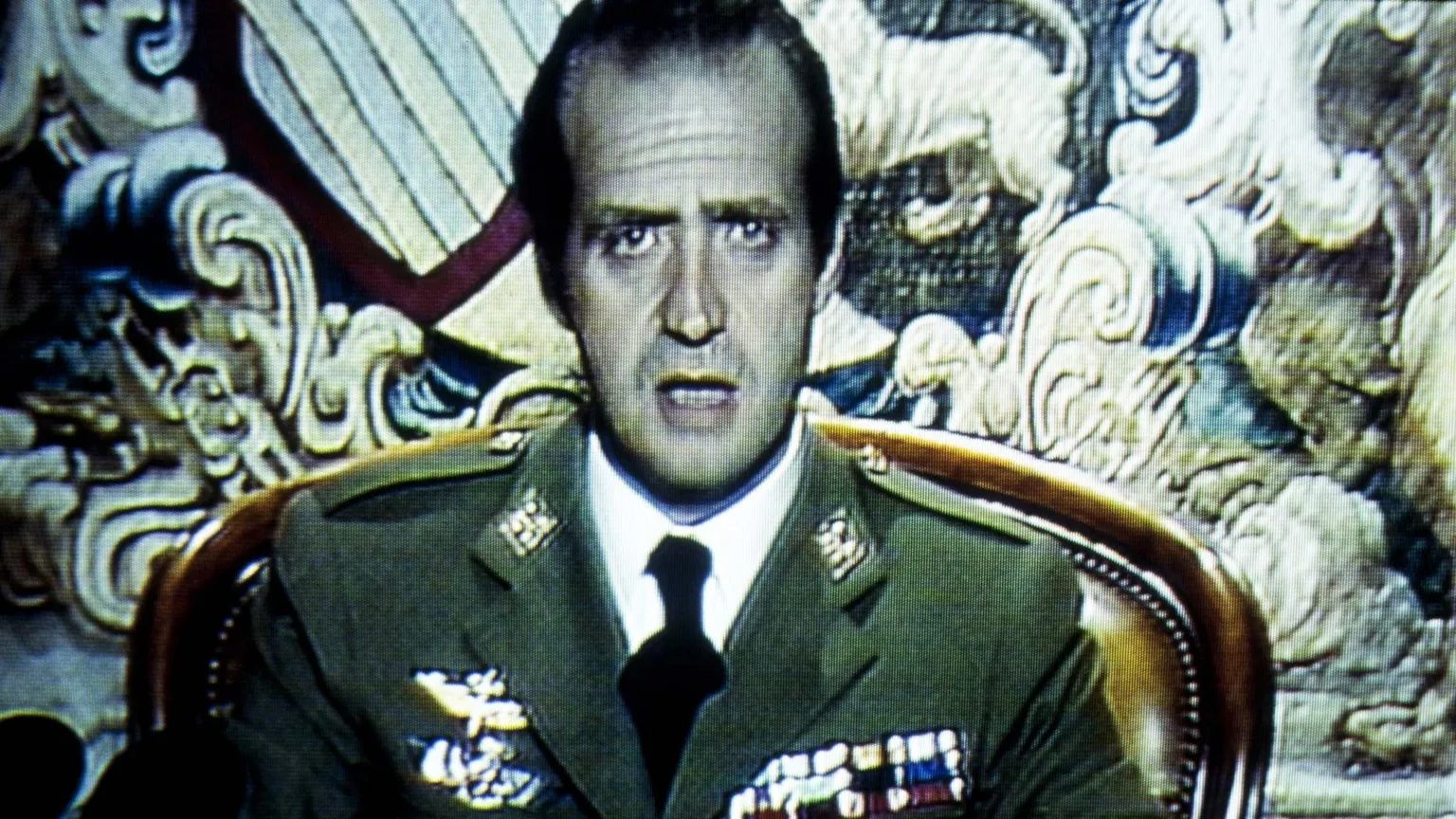
The coup ultimately failed after King Juan Carlos addressed the nation and the armed forces via television, opposing the rebels and ordering the military to remain in their barracks.
For many Spaniards, this event cemented Juan Carlos's reputation as the protector of their young democracy and symbolized the country's rejection of Francoist principles.
Ongoing Controversies and Theories
Despite this, doubts have persisted over the king's purportedly heroic role.
Alternative theories have suggested that the coup was orchestrated by the political establishment as a test to reinforce democracy.
Government Position on Declassification
The current Socialist-led government under Pedro Sánchez described the continued secrecy of documents related to the coup as a "historical anomaly" that needed rectification, emphasizing that their release posed no threat to anyone.
The government also stated that declassification would help dispel false conspiracy theories surrounding the coup.
Notable Revelations in the Files
Among the documents, it was revealed that six members of the intelligence services were involved in the coup plot.
Another document indicated that security forces estimated a police special unit's attempt to breach the parliament could have resulted in "between 80 and 110 deaths."
The files also contained messages of support from foreign governments following the coup's failure.
One such message, in Spanish, from Queen Elizabeth II to King Juan Carlos stated:
"All of us in Great Britain are reassured to know the final result."


