

Police Federation Advocates for Armed Access in Vehicles
The Scottish Police Federation (SPF), representing 98% of Scotland's frontline police officers, has proposed that officers should have access to firearms securely stored in their patrol vehicles. This recommendation aligns with a model implemented in New Zealand, where police officers are not routinely armed but can access weapons when necessary.
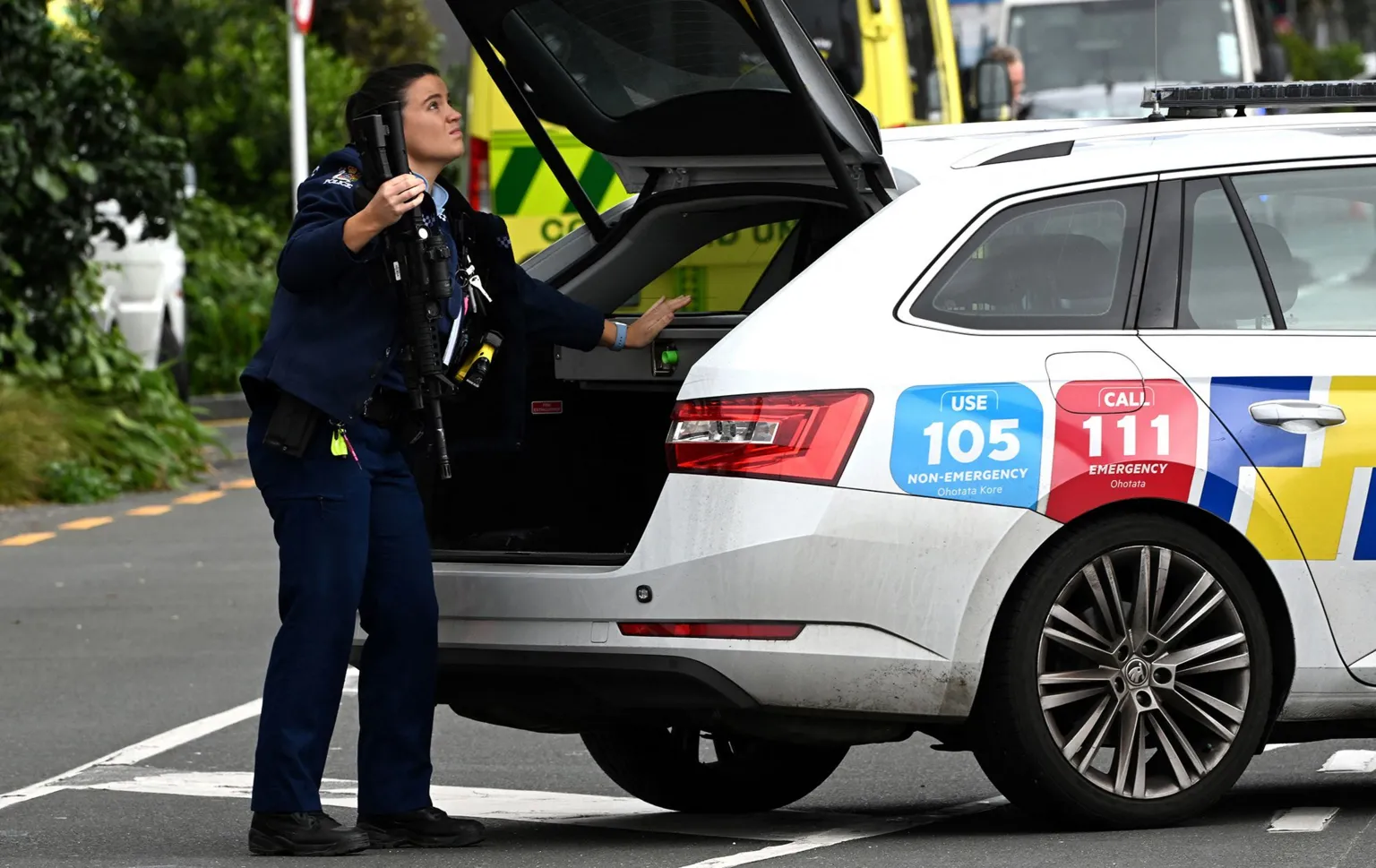
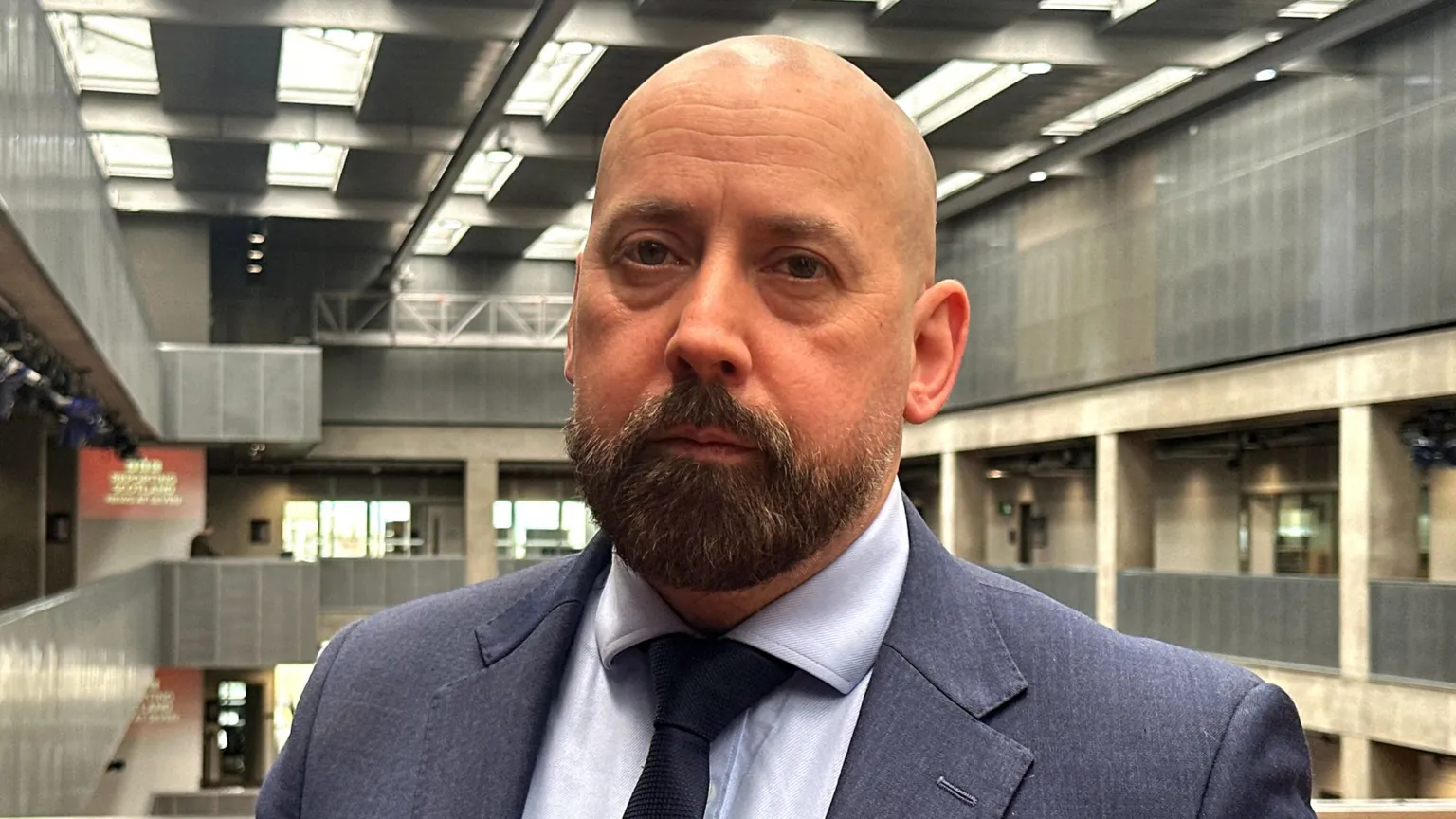
SPF general secretary David Kennedy also advocated for all officers to carry Taser electric shock weapons to address increasing violence. He cautioned that individuals brandishing knives could face lethal force in response.
The Scottish government responded by affirming that Police Scotland will remain an unarmed force, maintaining that its current armed capability is appropriate and proportionate.
Manifesto Calls for Policing Improvements Ahead of Election
The SPF, which represents 16,500 officers up to the rank of chief inspector, issued these recommendations in a manifesto outlining measures to enhance policing as political parties prepare for the upcoming Holyrood election.
The federation supports the New Zealand system introduced in 2012, where Glock handguns and semi-automatic rifles are stored in locked cabinets within police vehicles. Officers may request permission to access these weapons during emergencies.
Currently, in Scotland, firearms are issued only to approximately 500 authorized firearms officers, with the majority of police lacking firearms training.
Concerns Over Armed Response Delays
Kennedy expressed concerns that the closure of local police stations and the centralization of specialist teams could result in significant delays when armed responses are needed.
"There's not enough to cover rural areas.
Even within towns or cities in Scotland it will be a long time before the firearms team is available."
He referenced a 2022 incident in the Highlands where a man fatally shot his brother-in-law, stabbed his wife, and subsequently attacked another couple while being pursued by unarmed officers. The officers were instructed not to intervene until an armed response unit arrived from Inverness, approximately 100 miles away.
Additionally, last month a man was sentenced to 10 years in prison for pursuing a police officer in Paisley while wielding a chainsaw.
Taser Availability and Financial Constraints
Currently, around 2,000 Scottish police officers are trained to use Tasers; however, there are insufficient devices to issue them routinely. Kennedy attributed this shortage to financial limitations rather than safety concerns.
"It's because of finances, it's a money thing. It's nothing to do with safety,"
he stated.

He further warned:
"Don't carry a knife, don't produce a knife on the streets of Scotland because of the tactics that are in place now, you can be shot."
Rising Assaults and Policing Challenges
Recent statistics indicate that police officers in Scotland face over 20 assaults daily, with approximately 25% resulting in injury, and this trend is increasing.
The SPF's "Policing Manifesto 2026" highlighted that the Scottish police service is at a "critical inflection point" following a decade marked by funding pressures and centralization.
The manifesto calls for investment at least matching inflation rates, increased local decision-making, and more officers patrolling and engaging with communities.
It also urges the reversal of "non-attendance policies" for incidents and cautions that the move towards non-custodial sentences, even for violent offenders, could undermine deterrence.
Furthermore, the SPF emphasizes the need for enhanced psychological support for officers regularly exposed to traumatic events to improve welfare and retention.
Official Responses on Armed Policing
A Police Scotland spokesperson stated:
"All firearms officers undergo robust training which focuses on de-escalation and communication, which is always the primary objective when responding to incidents where there is a potential risk of serious harm.
A number of statutory measures are in place to allow for independent scrutiny to ensure the use of armed policing resources is both proportionate and justified."
The Scottish government acknowledged the critical role of police officers who frequently face personal risk while protecting the public.
A government spokesperson added:
"Police Scotland continues to be an unarmed service and our position on that will not change.
The service has an appropriate and proportionate armed policing capability including both conventional weapons and Taser.
Deployment of firearms officers remains an operational matter for the Chief Constable."
The spokesperson noted that the draft budget for 2026-27 allocates "record funding" exceeding £1.7 billion for policing.
They also highlighted that Scotland remains a safe place to live, with recorded crime reduced by half since 1991.


