Record Number of Race Hate Incidents in Northern Ireland
New data revealing the highest number of race hate incidents ever recorded in Northern Ireland has been described as "disheartening" but not unexpected by a campaigner.
Earlier this week, the Police Service of Northern Ireland (PSNI) reported 2,260 race hate incidents recorded in 2025, marking the highest level since records began in 2004.
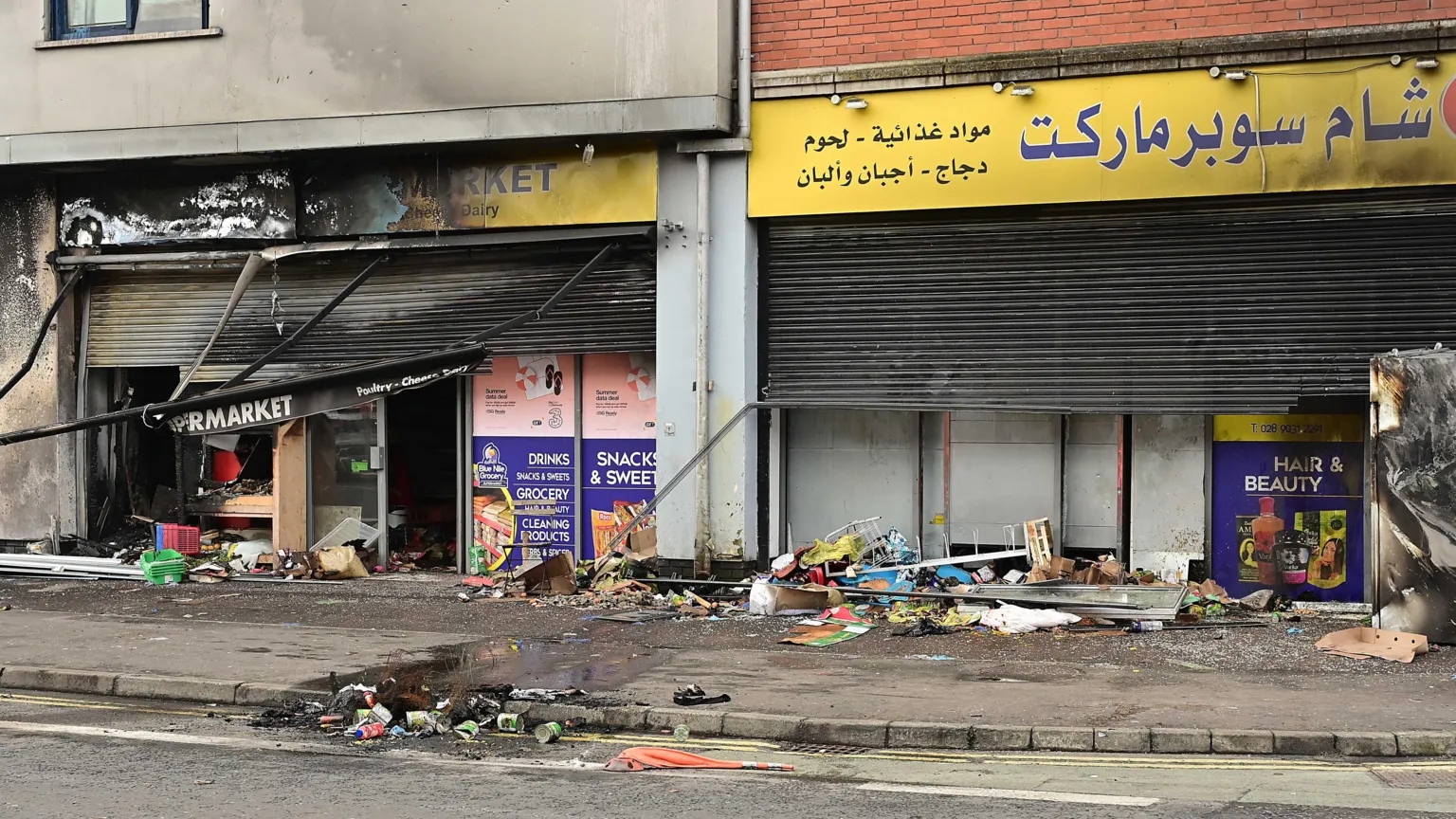
This increase follows several high-profile events in recent weeks, including racist graffiti on a Belfast apartment building and a letter containing sectarian and Islamophobic messages circulated on social media.
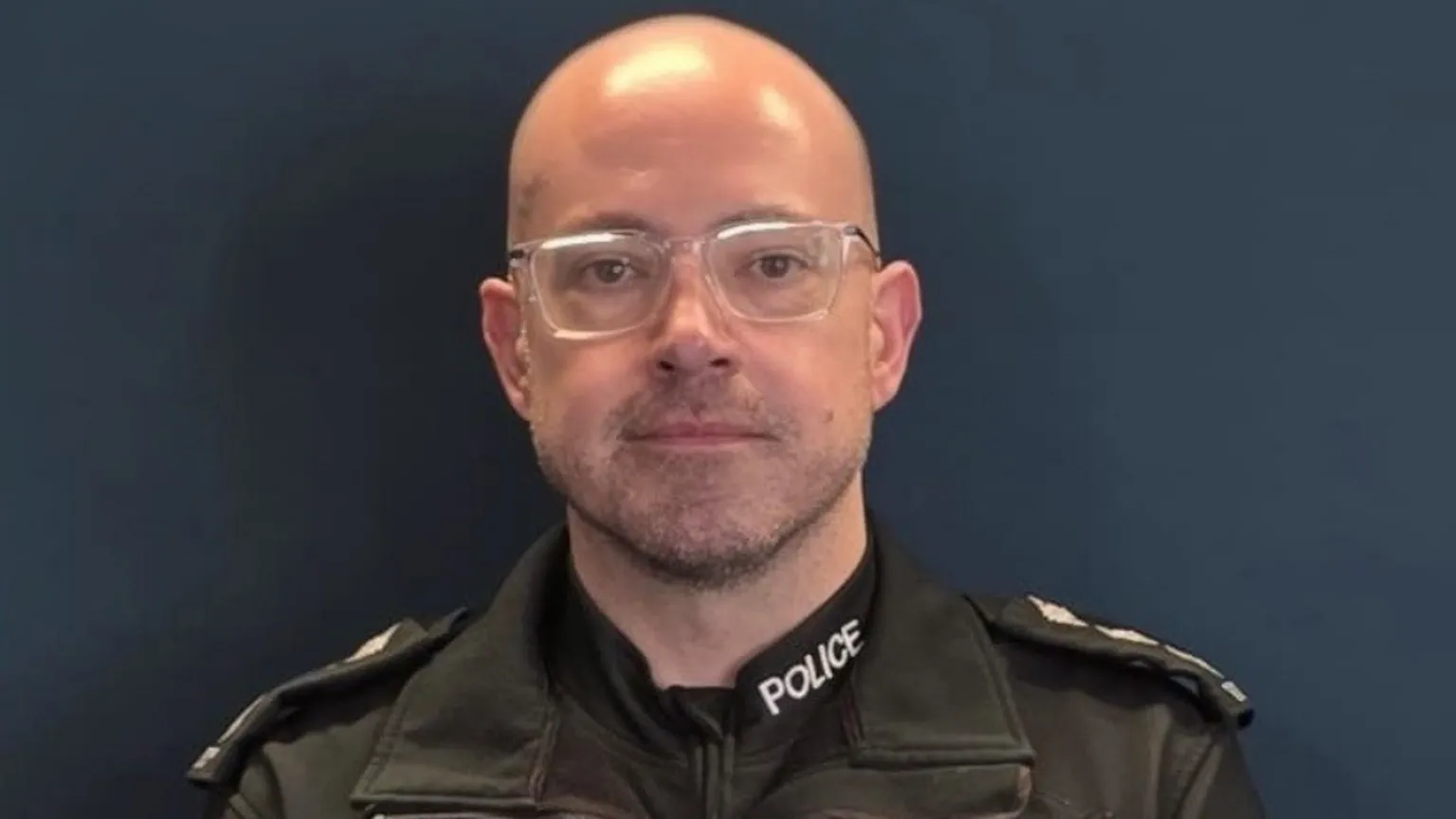
PSNI Chief Inspector Paddy Mullan noted that although more incidents are being reported, many victims still do not come forward to report their experiences.
Dr Imani Strong, vice chair of the North West Migrants Forum, emphasized that racism is "everyone's issue," with communities, politicians, and policymakers all playing significant roles in addressing it directly.

'Hard conversations needed' about race
Dr Strong, an anthropologist, expressed concern over the "massive increase" in reported incidents and identified multiple contributing factors.
"I think that social media does feed it but I think that is intentional and its algorithmic," she told NI.
"I think there are politicians who have found it expedient to scapegoat migrants and people of colour in particular who are migrating to Western countries."
She stressed the importance of having open and challenging discussions about race, especially confronting those who spread "deeply problematic" rhetoric, noting that perpetrators often do not fear social consequences.
Dr Strong highlighted the impact of rising racism, particularly online, causing anxiety among minority communities and leading some to hesitate before posting on social media.

"Everyone is always affected by racism because it erodes community cohesion," she said.
"It's easy to get fatigued… but behind every single data point is an actual human being that we know and whose kids are still waking up or having nightmares and who is looking over their shoulder when they're going to the grocery store and wondering if they're safe.
So we do all have to continue to confront this and I think the biggest way we can do that... is by educating, particularly our kids, and getting into the schools, teaching about race in a way is informative, about what racism is but also empowers them to interrupt it."
What do the latest statistics say?
Between 1 January 2025 and 31 December 2025, the PSNI recorded 2,260 race hate incidents and crimes, an increase of 488 from the previous year.
Of these, 1,430 were classified as race hate crimes, with two in five incidents occurring within the Belfast City district.
Following unrest in June 2025, police recorded 347 race hate incidents, contributing to the overall higher figure.
However, the report noted that levels remained "elevated," with the period from May to December 2025 accounting for eight of the ten highest monthly figures in the data.
'We all need to play a role'
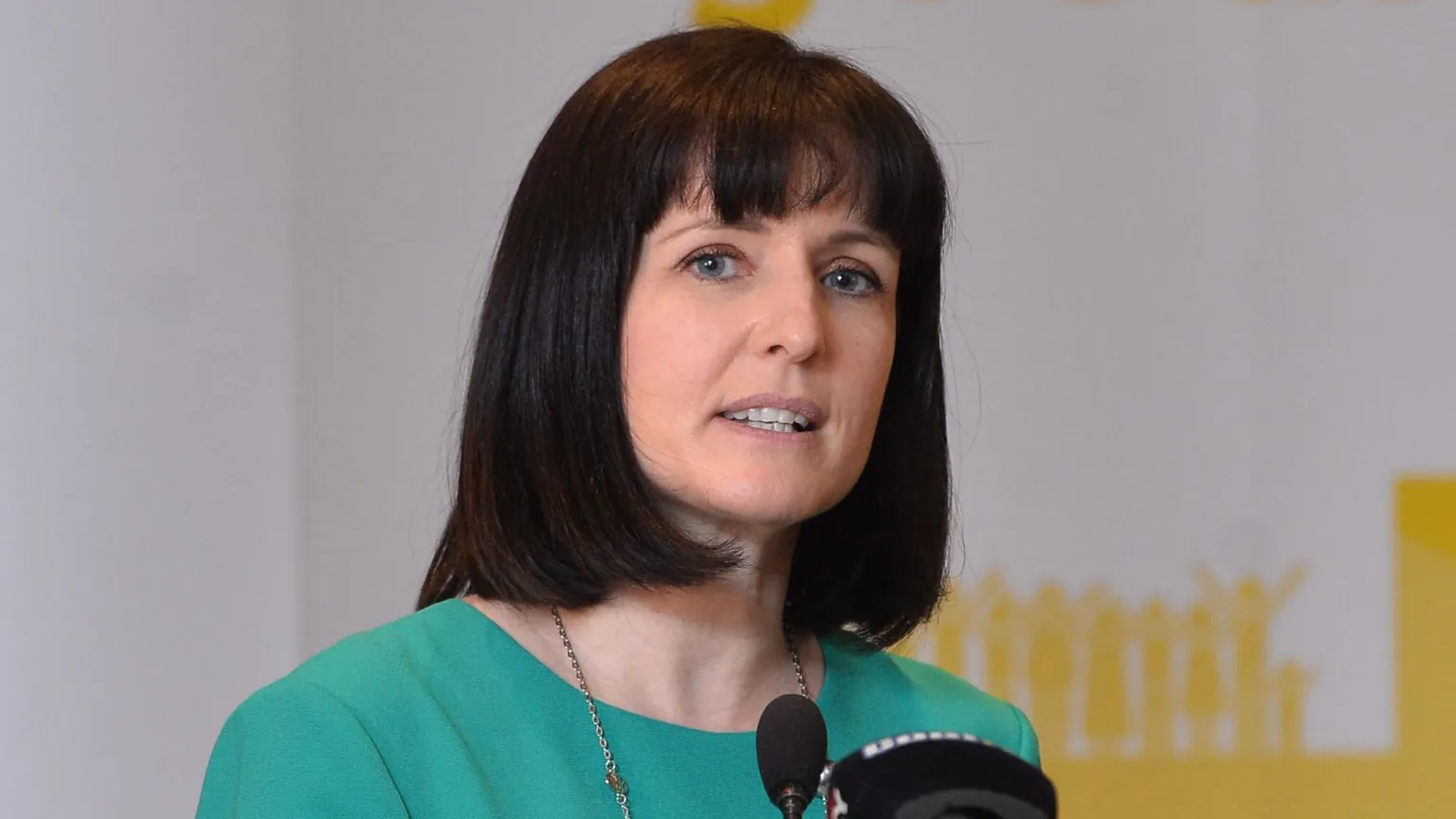
Paula Bradshaw, chair of Stormont's all-party group on ethnic minority communities, described the PSNI data as "deeply worrying," noting that many people in her south Belfast constituency feel "very vulnerable" in their daily lives.
"I do think that community tensions are being exploited through social media, online anti-immigration sentiment and I think that's sort of having a bleed into what's actually happening on the ground," she said.
"I think the other issue is this widespread fear that a lot of ethnic minority families experience just walking from school or their place of work... so I think there's just this general apprehension for people just trying to live their lives."
Bradshaw added that racism and sectarianism are "two sides of the same coin," both societal issues requiring comprehensive action.
"I think the other problem we see is there is a lot of rhetoric around ethnic minority communities, that they're coming in, they're taking our homes... and I think we need to push back against that because a lot of that online sentiment is factually incorrect," she explained.
"It can't just fall to the PSNI or policy or laws, it has to be about this wider integration piece that we all need to play a role in."
Police ready to help race hate victims
Chief Inspector Mullan, the PSNI's deputy lead for hate crime, acknowledged that many victims do not report race hate crimes.
"We've worked really hard to try and improve confidence for victims to come forward and report because we want to be able to provide victims with the support that they may need," he said.
"We want to provide victims with justice if they are being targeted because of who they are or where they're from."
He described targeting individuals based on their origin or identity as "absolutely abhorrent."
Hate crime remains a strategic priority for the PSNI, which treats it with utmost importance.
"Every hate crime that is committed in or recorded in Northern Ireland, the district commander or the senior officer looks at them every single morning to scrutinise them to make sure that we have provided those victims with the support that they need and we've done a robust investigation around those incidents," he said.
"We are very clear around the support that we offer to hate crimes or to hate crime victims and that it is an absolute priority for policing, to protect the victims in society."