

Introduction to a Defining Image
This story contains upsetting details that some may find distressing.
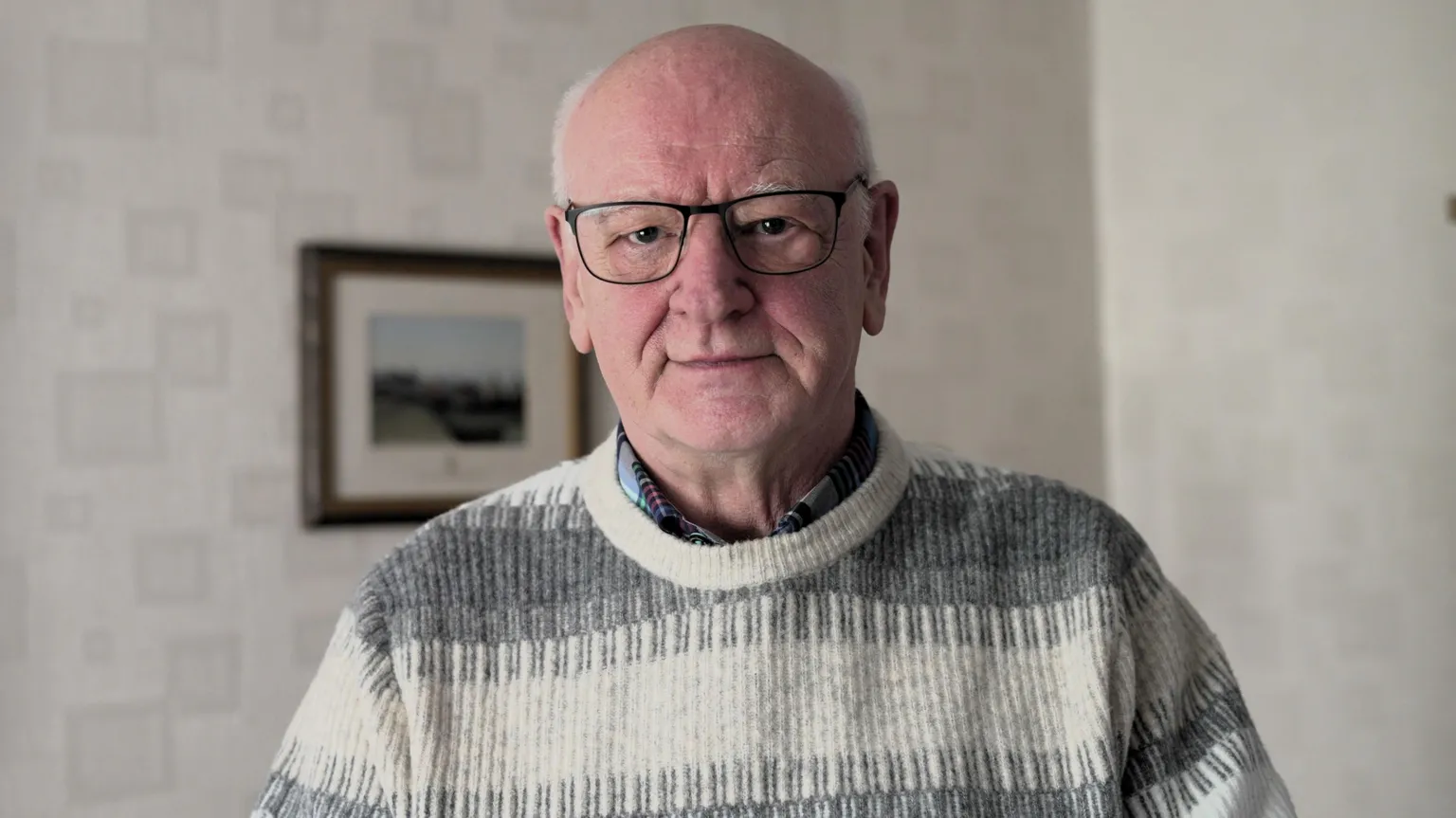
One of the most renowned photographs capturing the aftermath of the Aberfan disaster was taken by Mel Parry, an 18-year-old apprentice photographer with the Merthyr Express newspaper. On the morning of the tragedy, Parry was passing through the south Wales village on his way to work when he began documenting the catastrophic event.
On 21 October 1966, a colliery spoil tip collapsed, sliding down a mountain and engulfing the village's primary school and nearby houses. The disaster resulted in the deaths of 116 children and 28 adults, leaving a profound and lasting impact on Wales.
In the photograph, PC Victor Jones is seen carrying eight-year-old Susan Maybank to safety, with a woman identified as Susan's aunt standing to the right.
Despite the image’s widespread recognition, Parry later expressed regret over taking it and eventually abandoned his photography career.
Capturing the Moment
In December 1966, Parry’s photograph was awarded the British News Photographer of the Year. However, Parry attributed the image’s success largely to chance.
"I happened to be the person on the spot, unfortunately,"
Parry had been travelling by bus through Aberfan when someone shouted that the school had collapsed. With only one roll of film in his camera, he borrowed additional film from a local chemist and began taking photographs almost immediately.
One particular frame would come to symbolize the tragedy on newspaper front pages worldwide, although Parry did not realize its significance at the time.
"I never, ever remember taking it. The camera was above my head and upside down. I couldn't see what I was taking,"
PC Victor Jones, Aberfan’s local police officer, is central in the image, holding Susan Maybank, whose body appears limp and barefoot. Surrounding them is a crowd of relatives and rescuers.
The film was quickly taken by Alun Michael, a young reporter for the Western Mail who later became Wales’ first First Minister. Michael had rushed to the scene from Cardiff.
Parry recalled seeing his colleague at the scene.
"He threw the film across the line of miners. He didn't even know he'd taken it,"
Within hours, the photograph was published on the front page of the South Wales Echo and soon appeared in newspapers around the globe.
Recognition and Personal Impact
The photograph brought Parry recognition as the youngest recipient of the British News Photographer of the Year award. However, the success of the image caused him discomfort and influenced his decision to leave photography in the early 1970s.
"It's a tragedy and unfortunately I ended up gaining from it,"
In the days following the disaster, once his journalistic instincts subsided, Parry fully grasped the scale of the tragedy. He had family in Aberfan and lost two cousins in the collapse.
"They were digging people out and unfortunately some were alive and some were dead. It's not something I would ever, ever want to go through again,"
Legacy of the Photograph
As the 60th anniversary of the Aberfan disaster approached, Parry’s photograph remains one of the defining images of the event.
Will Troughton, curator of photography at the National Library of Wales, commented on the image’s enduring power.
"It is a very strong composition, which really makes people look at the picture and take in the detail. Your eye is drawn along the two rows of people and it's then you see the policeman holding the little girl."
"They are looking stunned, they don't know what's happening, and in the middle of it, you've got this spark of hope,"
Alun Michael reflected on the photograph’s deeper significance.
"It's a memory of the horror... but also the sense of pride."
Mine rescue workers and volunteers from across south Wales had rushed to assist, digging through the debris. Michael emphasized that this sense of community is one of Wales’ greatest strengths.
Aftermath and Personal Connections
Susan Maybank survived the disaster and was reunited for tea with PC Jones and Mel Parry a few weeks later.
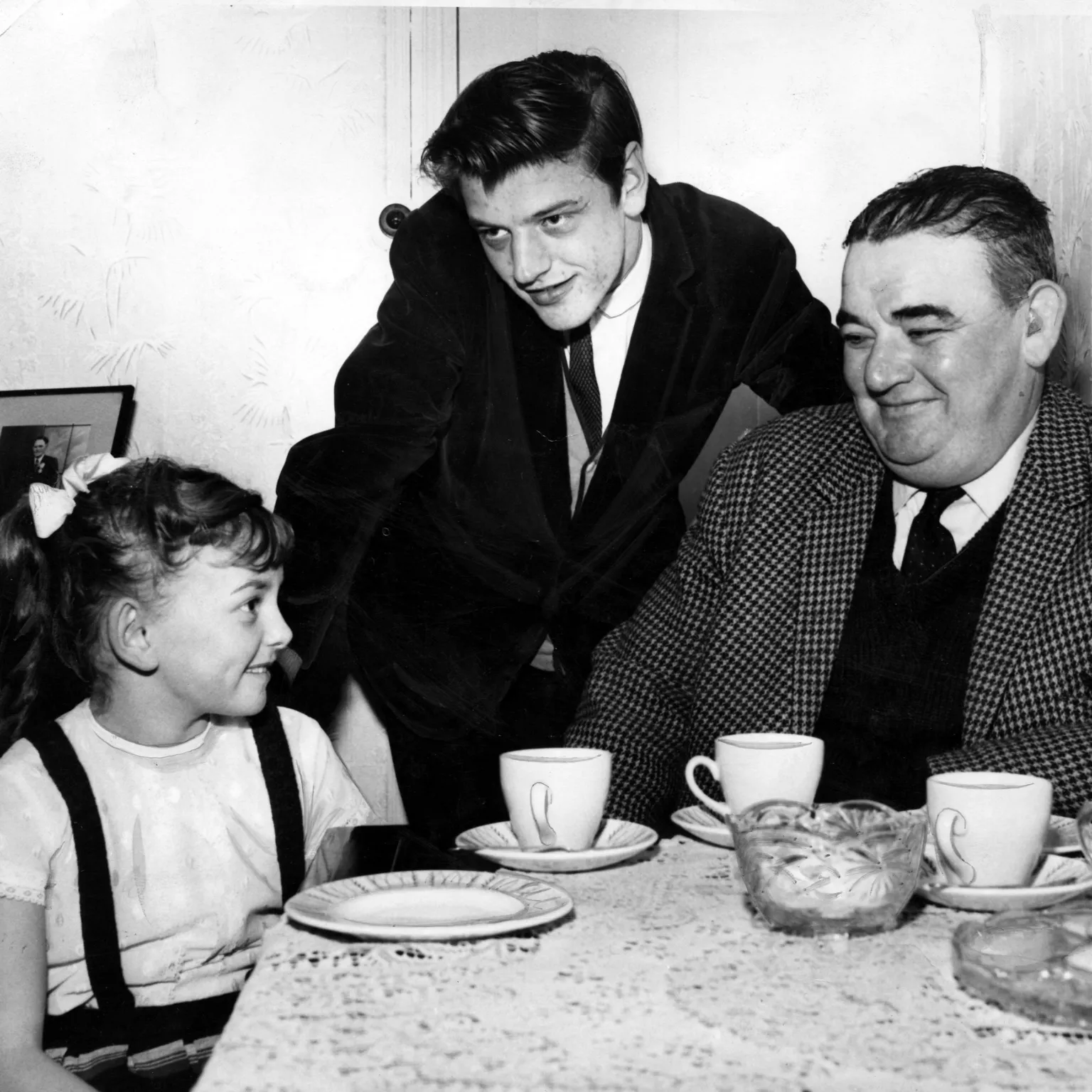
She passed away in 2025, with her family choosing not to speak publicly about her life.
For Parry, the image remains inescapable as it resurfaces with every anniversary and retelling of the Aberfan disaster.
"As I get older I get fed up with seeing the photograph. But when people see that photograph they can remember Aberfan and they can remember what was there, and I hope that out of that something good will come."
Donation and Preservation
Following his interview with BBC Wales, Parry decided to donate the photography award he received to Amgueddfa Cymru, Wales’s national museum, which has collected items related to the Aberfan disaster.


