Don't lose sight of Ukraine, Nato chief tells European allies
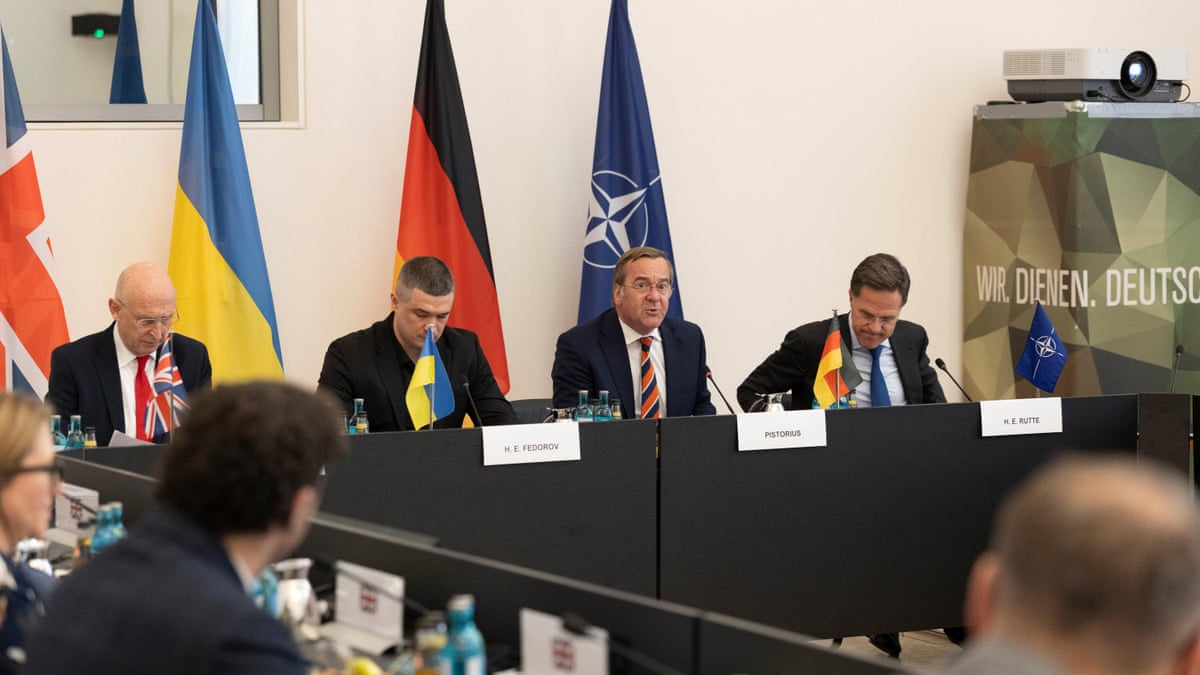
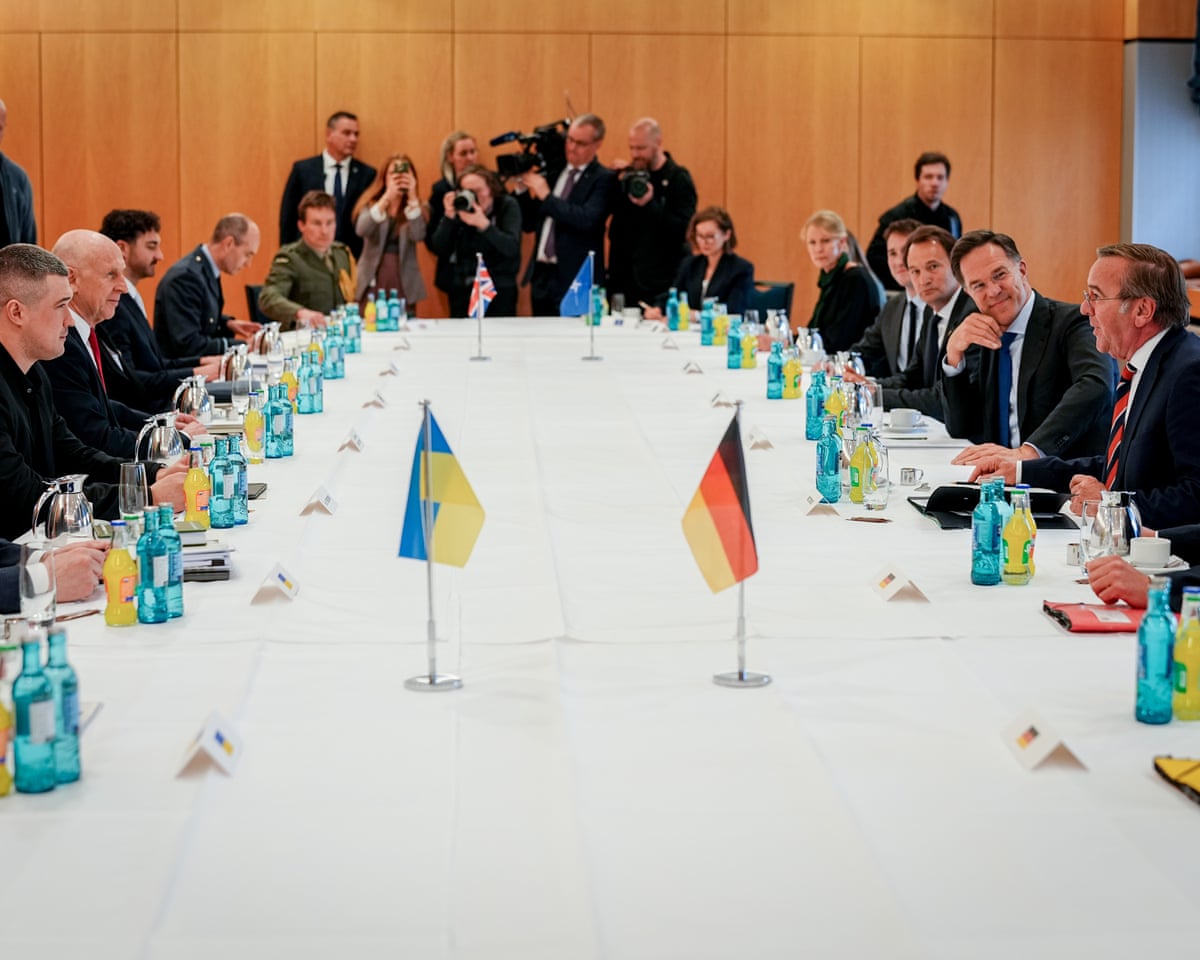
Nato chief Mark Rutte called on members of the military alliance to maintain focus on the Ukraine conflict and increase their support for Kyiv to $60 billion by 2026, according to AFP. His remarks were made at the start of a meeting in Berlin involving defence ministers from Ukraine’s key supporters, including Germany and Britain, as the conflict with Russia enters its fifth year.
"We have to ensure that we are capable of delivering uninterrupted support for Ukraine," Rutte said. "We cannot lose sight of Ukraine."
With global attention recently directed towards the US-Israeli conflict involving Iran, concerns have arisen about diminishing support for Kyiv. Rutte stressed that
"supporting Ukraine’s fight is as important as ever,"and noted that
"too few countries share too much of the burden."
Supporting Ukraine 'not only moral duty, but strategic necessity,' Meloni tells Zelenskyy in Rome
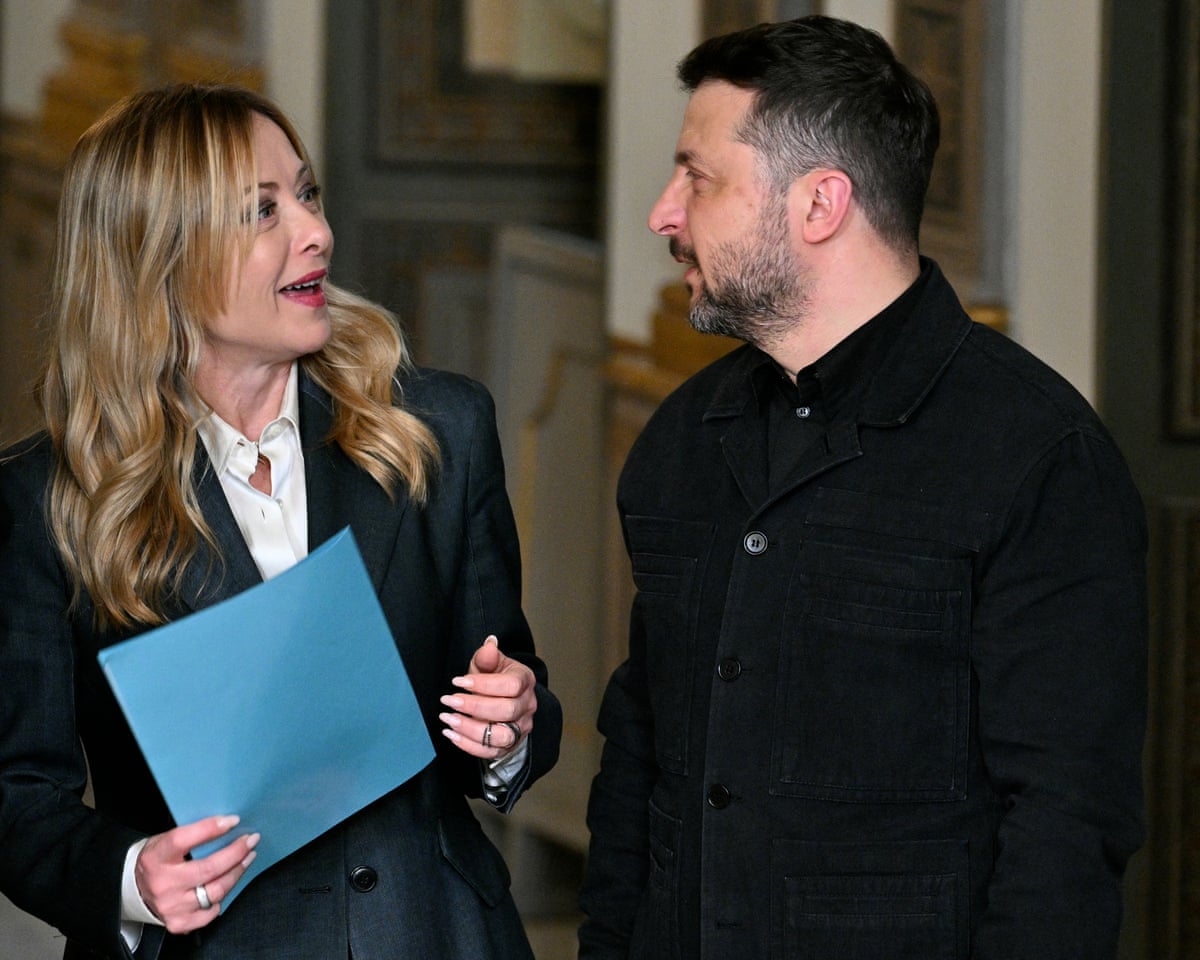
Ukrainian President Volodymyr Zelenskyy continued his diplomatic efforts in Europe with a visit to Italy, following trips to Berlin and Oslo. At a joint press conference, Italian Prime Minister Giorgia Meloni expressed strong support for Ukraine and highlighted plans for a joint drone production programme, reported.
"We believe that supporting Ukraine is not only a moral duty but also a strategic necessity," she said.
'Winning [in Ukraine] is now distant dream for Putin,' Nato's Rutte says
Mark Rutte reiterated the importance of maintaining focus on Ukraine despite multiple security challenges. He emphasized that Russia continues its aggressive attacks without pause, while Ukrainian forces and civilians persist in their resistance.
"There is no respite in Russia’s war of aggression. Russia continues its brutal attacks day and night. Ukrainian armed forces continue to hold back the Russians, and the Ukrainian people continue to resist today, and I think that was very important."
Rutte highlighted Nato’s ongoing support through the PURL initiative and donations of missiles and drones from member states such as Germany, the Netherlands, and the UK. He praised Ukraine’s leadership directly:
"You are doing a fantastic job. Russia is struggling on the battlefield. Winning is now a distant dream for Putin, and we even saw some media reports that he is understanding that his economy is in a bad shape."
We will not grow weary or distracted, but keep supporting Ukraine, UK's Healey says
British Defence Secretary John Healey commended Ukraine’s efforts to counter Russian aggression and assist Gulf countries amid tensions with Iran.
"Putin wants the world to think that his forces have built up an unstoppable momentum on the battlefield, but for four straight months Russia has lost more troops than it’s recruited, and Putin wants the world to believe that Ukrainians have no choice but to concede. Well, it is the Ukrainians conducting successful counterattacks across the frontline in recent weeks.
And Putin wants the world to think that those who stand with Ukraine have grown weary or distracted. The truth is our support continues steadfast, and this [meeting] demonstrates that we will stand with Ukraine.
We’ll keep up the pressure on Putin and we will help secure a lasting peace."
Hungary's veto on €90bn Ukraine loan expected to be lifted soon, German minister says
German Defence Minister Boris Pistorius sent a clear message to Hungary’s incoming administration regarding the €90 billion interest-free loan for Ukraine. He expressed optimism that the EU blockade would be lifted soon after Hungary's elections.
"Europe is expected to put its money where its mouth is and grant into interest free loan. Finally, the 90 billion euro Ukraine loan will be provided over two years [as] after the elections in Hungary I expect that the blockade within the EU will be lifted soon. …
This money will enable Ukraine to procure military equipment sustainably and at the same time. With this money, Ukraine will rebuild the infrastructure Russia destroyed.
In the end, it’s about being able to successfully defend against Russia’s brutal attack and the terror against the Ukrainian people."
'We must not falter in our support to Ukraine,' German defence minister says
Following the defence ministers’ meeting in Berlin, Pistorius emphasized the necessity of continued support for Ukraine amid global challenges.
"We must not falter in our support to Ukraine,"he said, warning that
"Russia benefits from the current developments in the Middle East."
He noted that rising oil prices are temporarily funding Russia’s war efforts and that Moscow is using these resources to continue its attacks against Ukraine. He also mentioned that peace talks have been suspended but stressed that Russia has never seriously engaged in them.
"This is why it is all the more important to support Ukraine."
Hungary's state media push back after Magyar's criticism of North Korean-style propaganda
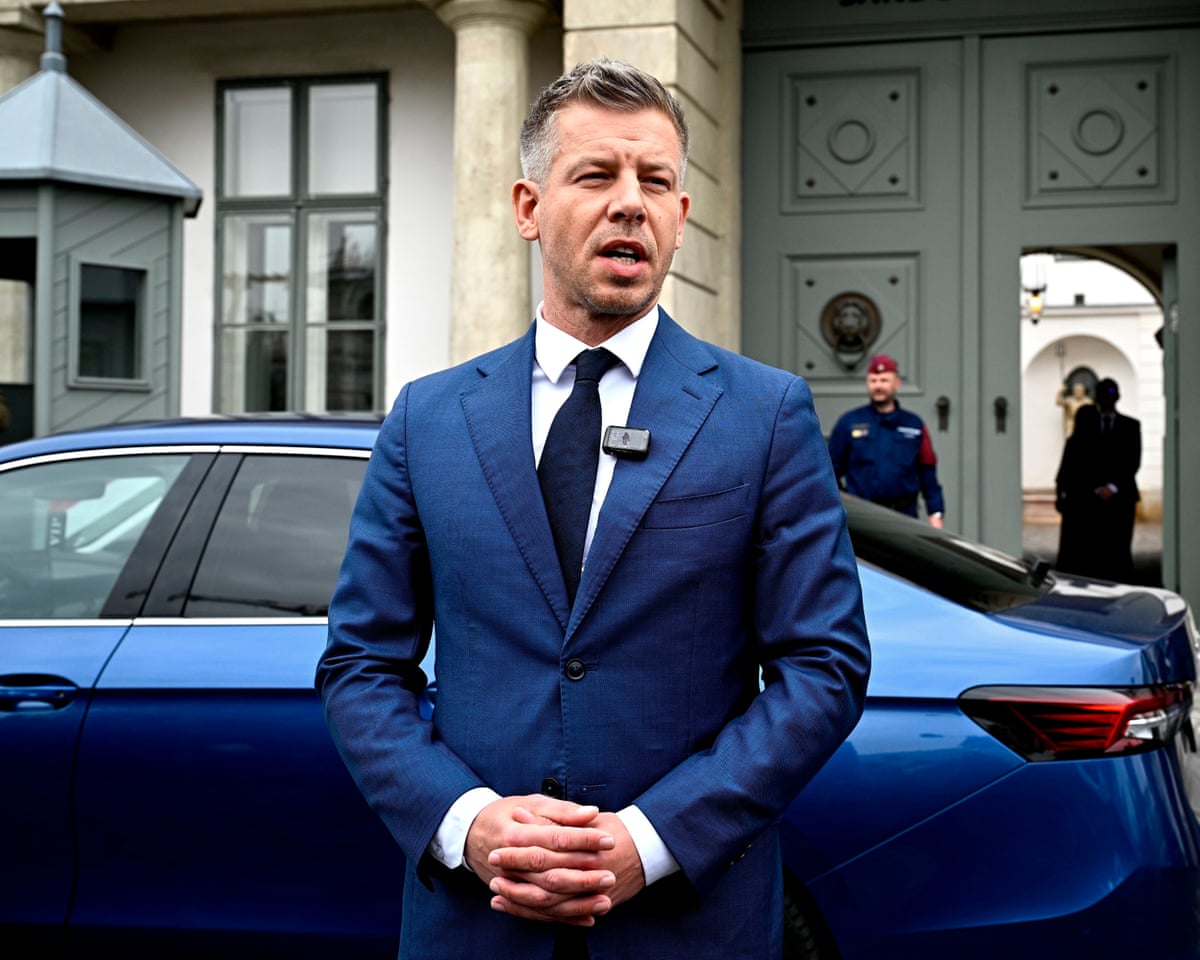
After Péter Magyar criticized Hungary’s state broadcaster for biased coverage during the election campaign, the state media authority responded by stating it had extended multiple invitations to Magyar and his party.
Magyar used interviews with state broadcasters to confront them over their coverage, accusing them of spreading fear and misinformation, comparing it to propaganda from North Korea and Nazi Germany. On Kossuth state radio, he stated:
"Every Hungarian deserves a public service media that broadcasts the truth."
Reporters Without Borders has consistently expressed concerns about Hungary’s media landscape, where the ruling Fidesz party controls approximately 80% of the media, and state media has served as a government mouthpiece.
Magyar announced plans to pass a new press law and establish a media authority aimed at ensuring state media fulfills its intended role.
On social media, he wrote:
"We have just witnessed the last days of a propaganda machine. After the formation of the Tisza government, we will suspend the news services of the ‘public’ media until its public service character is restored."
The state media interviews and a meeting with President Tamás Sulyok highlighted the challenges Magyar faces as he seeks to dismantle Orbán’s "illiberal democracy." During Orbán’s tenure, loyalists filled key state, media, and judiciary positions, raising questions about their response to the new government.
Hungary’s voters shunned Orbán – but it may be too early to celebrate end of Europe’s far right
Analysts caution that while Hungary’s parliamentary election result dealt a blow to Europe’s far-right populists, it does not signal a definitive end to the national-populist movement.
Sarah de Lange, a far-right expert at Leiden University, noted:
"Of course there is a symbolic element. Europe’s longest-serving far-right leader, the inspiration for them all, was defeated – even when the system was rigged in his favour."
However, she emphasized that Orbán’s defeat was not a rejection of his illiberal governance model but rather driven by domestic concerns such as corruption, economic hardship, and a desire for change after four consecutive governments.
Gabriela Greilinger, a doctoral researcher at the University of Georgia, suggested the result might temporarily dampen the far right’s momentum, especially since Orbán played a central role in uniting the global far right.
There could be limited consequences if Magyar restricts funding to conservative think tanks like the Mathias Corvinus Collegium (MCC) and the Danube Institute, which Orbán heavily financed.

"The MCC is the best-funded thinktank in Europe," Greilinger said. "It actively seeks to influence European policy in Brussels, it has outposts in several other countries and it funds high-profile conservative researchers, including from the UK."
Investigations have linked Hungarian conservative think tanks to prominent British right-wing figures, including GB News presenter Nigel Farage, who is listed as a visiting fellow of the MCC.
De Lange also noted potential tensions within Europe’s far right over future leadership, debating between a mainstream figure like Italy’s Giorgia Meloni or a more confrontational leader in Orbán’s style.
"But overall, we really shouldn’t overestimate the impact," Greilinger said. "The far right succeeds electorally because of domestic issues: this wasn’t the defeat of the far right, it was the defeat of Orbán’s kleptocratic, clientelistic, corrupt government."
EU 'ready to implement' €80bn loan to Ukraine as soon as Hungary drops veto, EU commissioner says
The European Union anticipates that Hungary’s new government will lift Viktor Orbán’s veto blocking the €90 billion loan to Ukraine. EU Defence Commissioner Andrius Kubilius remarked:
"A new wind is blowing in Hungary,"and stressed that the EU is
"ready to implement the loan as soon as we get the green light."
Magyar suggested he may drop the veto provided Hungary retains its opt-out and is not required to contribute to the loan, consistent with agreements made by the previous administration in December.
Hungary 'can only comply with conditions that are good for Hungarian people' to get EU funds flowing, Magyar says
Discussions between the new Hungarian government and the European Commission are expected to focus on unfreezing €17 billion in EU funds withheld from Hungary.
Speaking to reporters, Magyar emphasized the importance of conditions that benefit Hungary:
"I explained it clearly to her as well, and we have made it clear before, that we can only comply with conditions that are good for Hungarian people, good for Hungarian businesses and, in general, for our country."
It remains unclear whether this indicates an attempt to narrow the list of conditions before a tight deadline. A European Commission spokesperson was not immediately available for comment.
'New man is going to do good job,' Trump says as he unexpectedly distances himself from Orbán
US President Donald Trump told ABC News reporter Jonathan Karl that he was not concerned about Orbán’s electoral defeat and expressed support for incoming Prime Minister Péter Magyar.
"I think the new man’s going to do a good job – he’s a good man,"Trump said, according to .
Trump also stated he was unsure if his personal involvement in the campaign would have changed the outcome, noting:
"He was behind substantially. I wasn’t that involved in this one. Viktor’s a good man, though."
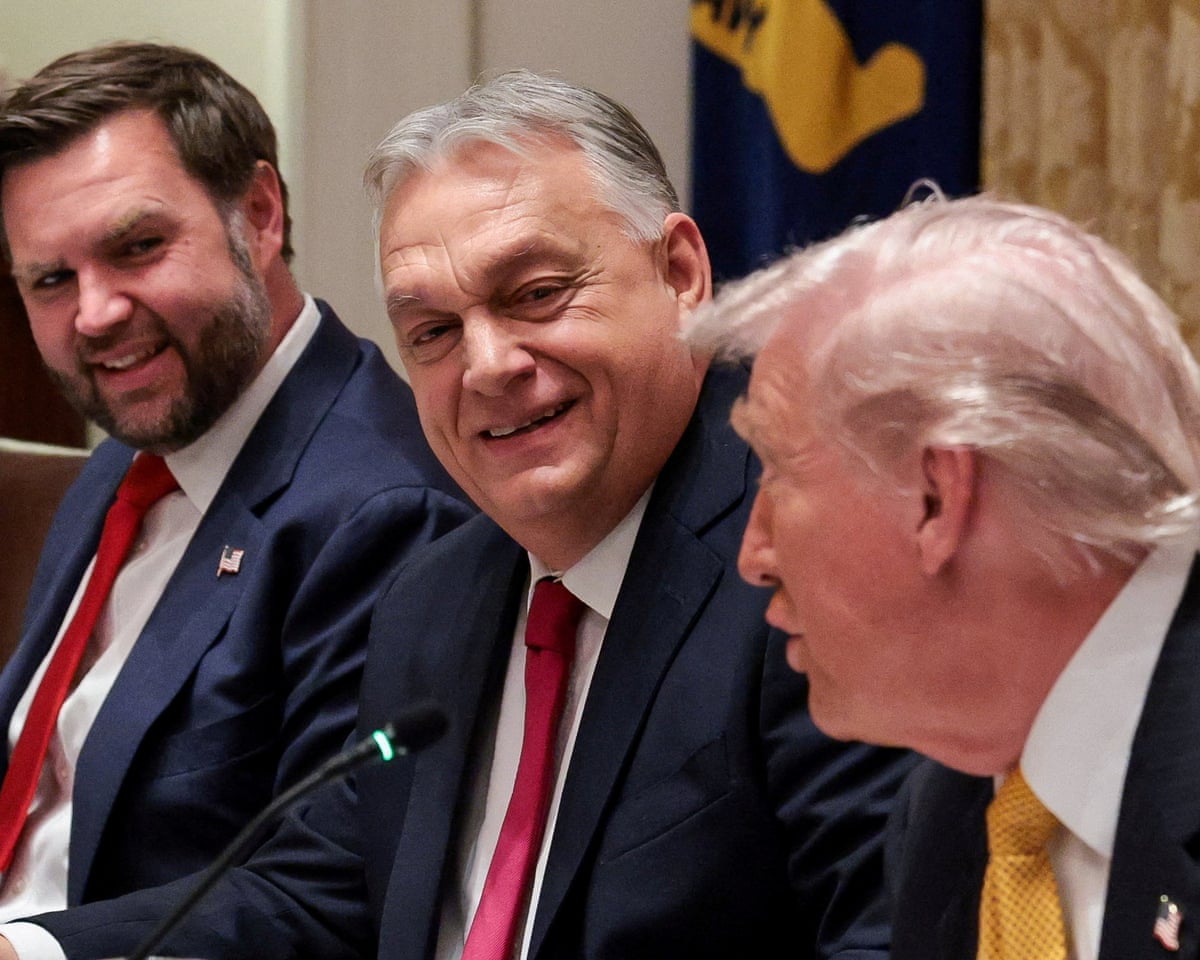
This statement contrasts with Trump’s prior active involvement, including endorsements and sending Vice-President JD Vance to campaign for Orbán shortly before the vote.
Magyar welcomed Trump’s comments, sharing them on social media.
Hungarian president meets with party leaders as Magyar mocks Orbán in bizarre social clip
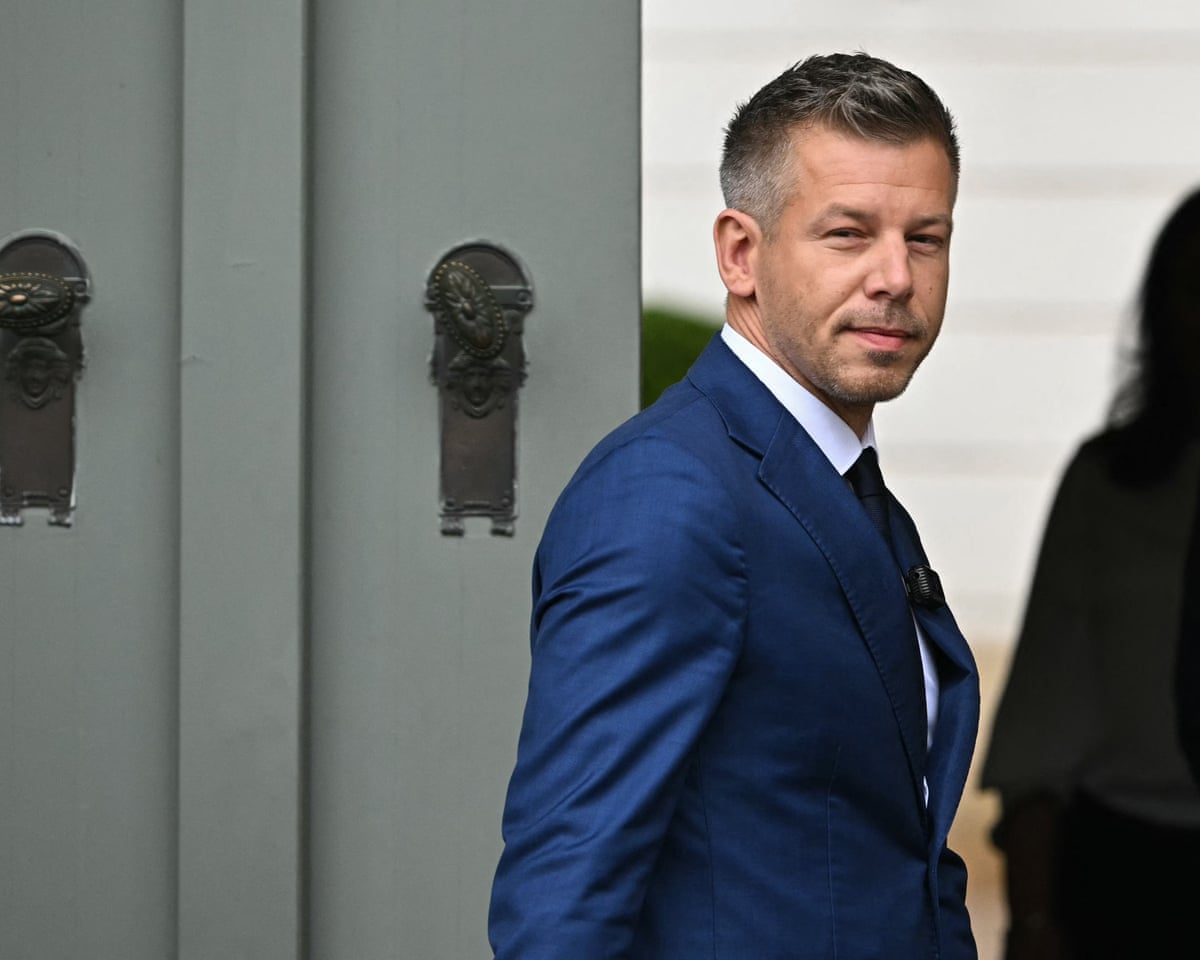
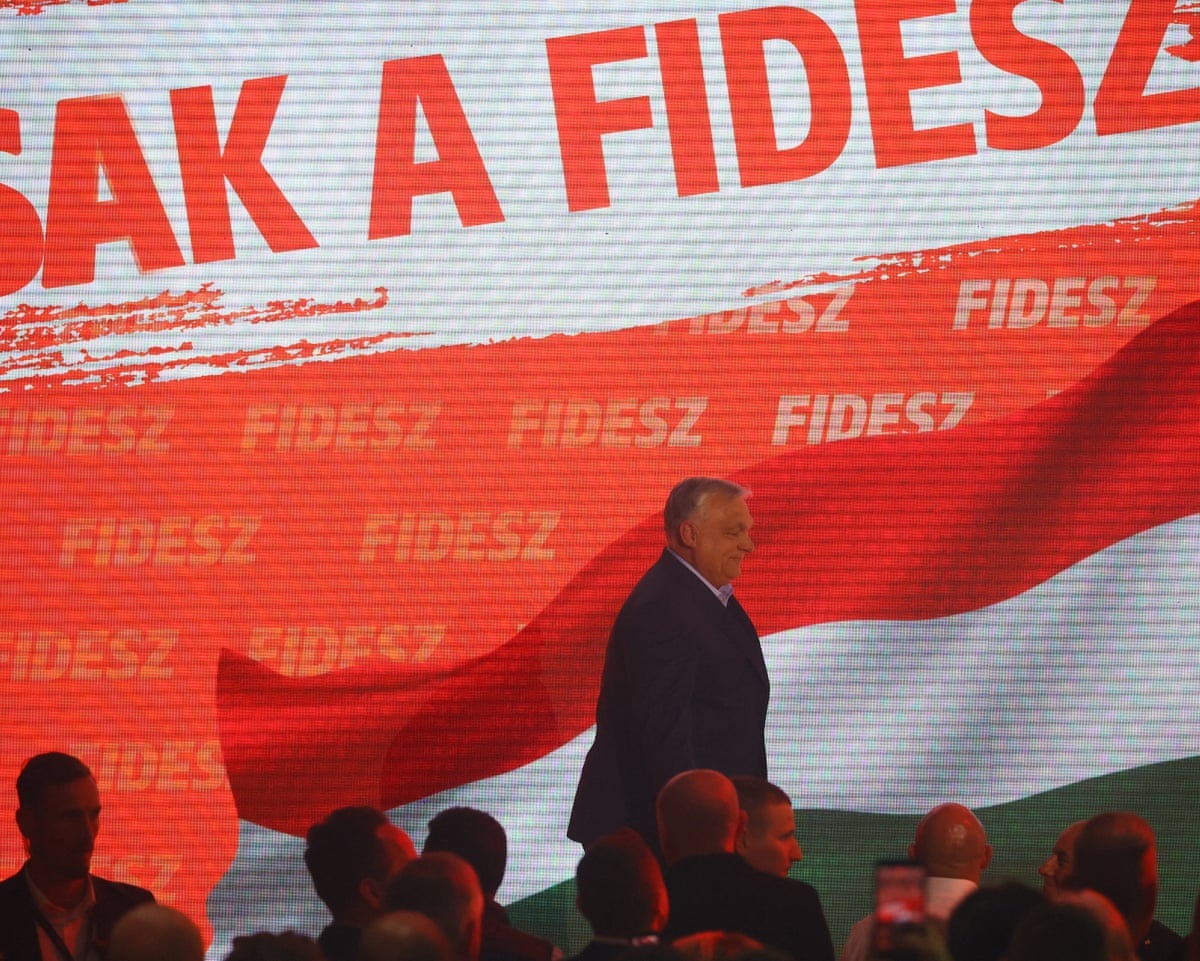
President Tamás Sulyok met with outgoing Prime Minister Viktor Orbán, far-right Our Homeland party leader László Toroczkai, and incoming Prime Minister Péter Magyar. He briefly stated on Facebook that discussions covered post-election tasks, including scheduling the inaugural session of the new parliament.
During a meeting with Magyar, they noticed Orbán reading on the terrace near the Prime Minister’s office. In a social media clip, Magyar is seen waving to Orbán, who did not respond. Magyar humorously speculated whether Orbán was reading a farewell speech, a sports daily, or Trump’s overnight comments praising Magyar.
Magyar says he will suspend state media news broadcasts
reported that Magyar announced plans to suspend state media news broadcasts, which critics have described as government propaganda under Orbán, and to restore media freedoms after his cabinet assumes power.
"Every Hungarian deserves a public service media that broadcasts the truth,"Magyar said on Kossuth state radio, where Orbán had been a frequent guest while opposition politicians were rarely invited.
"We will need a little time to pass a new media law, a new media authority and setting up the professional conditions for state media to actually do what it is meant to do,"he added.
On social media, Magyar wrote:
"We have just witnessed the last days of a propaganda machine. After the formation of the Tisza government, we will suspend the news services of the ‘public’ media until its public service character is restored."
Morning opening: Magyar meets president and goes on state media as he plans break with Orbán era
Election winner Péter Magyar confirmed efforts to form a new Hungarian government by mid-May after talks with President Tamás Sulyok, a loyalist of Orbán. They discussed the timetable for the new parliament, which cannot convene before 4 May when election results are certified.
Magyar expects the new government to be established by mid-May and plans further informal talks with the European Commission regarding restoring the rule of law to expedite access to billions of euros in frozen funds.
He also reiterated calls for Sulyok to resign as part of a broader overhaul of state institutions, suggesting the president, a largely ceremonial figure elected by parliament, is unfit for his role.
"[Sulyok] is unworthy of representing the unity of the Hungarian nation. He is unfit to serve as of legality. He is not fit to serve as a moral authority or a role model."
Earlier, Magyar appeared on state broadcaster studios for the first time in 18 months, confirming plans to suspend news operations and establish unbiased coverage after years of pro-government propaganda.
He noted the irony of needing to win an election to be invited by the public broadcaster.
It is Wednesday, 15 April 2026, Jakub Krupa reporting, and this is Europe Live.