

Marco Rubio arrives in Budapest to meet Viktor Orbán and Hungarian foreign minister
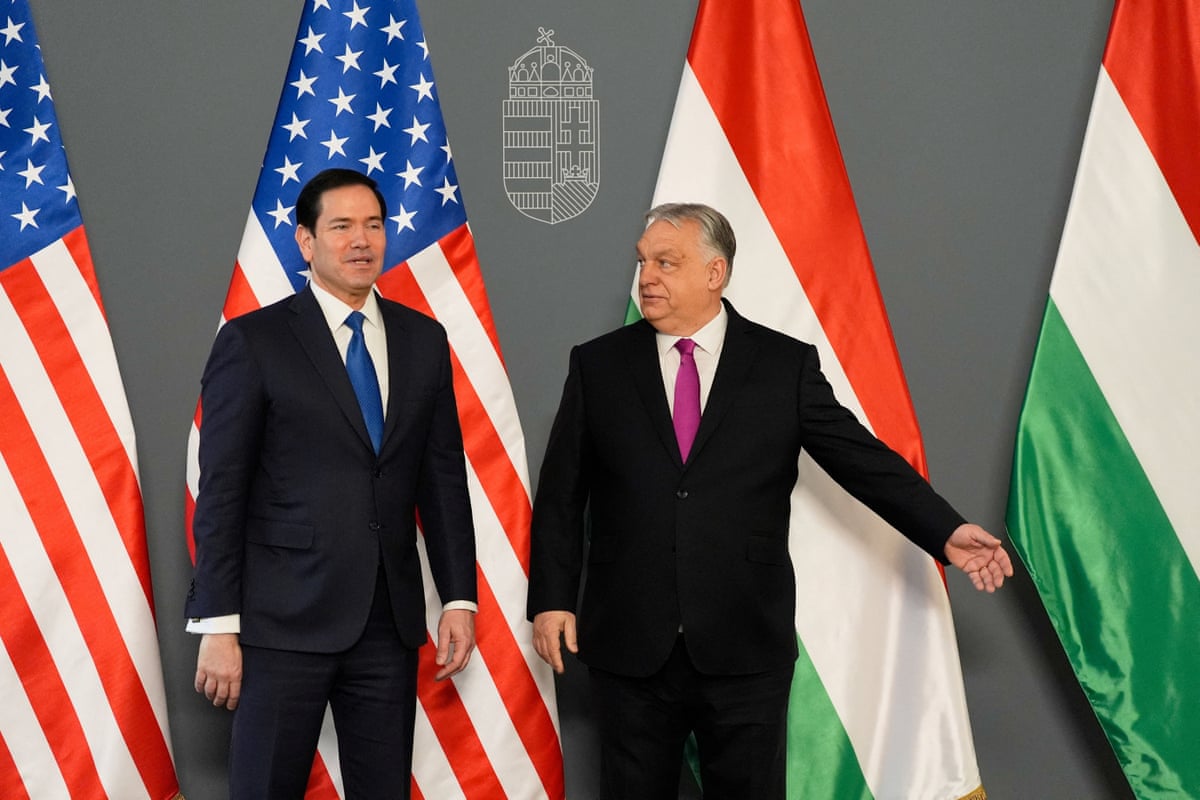
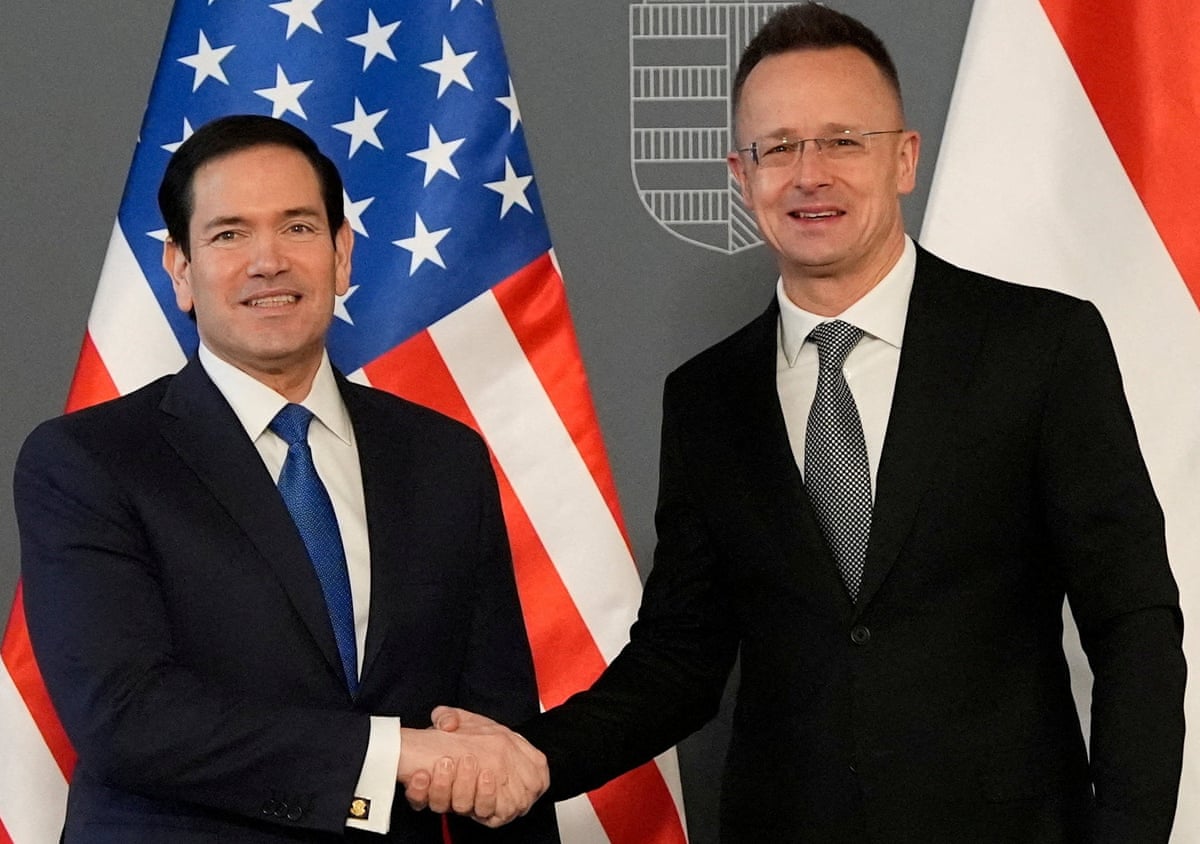
Images from newswires show Marco Rubio in Budapest as he prepares to meet Hungary’s Prime Minister Viktor Orbán and Foreign Minister Péter Szijjártó.
Hungary’s 12 April election is poised to be one of the most consequential in the European Union this year. Voters will elect a new 199-seat national assembly under the country’s mixed electoral system. Orbán faces his most significant electoral challenge after 16 years of uninterrupted leadership.
Under Orbán’s administration, Hungary has frequently sought to block EU initiatives, including vetoing the release of billions of euros in funds intended to reimburse other EU countries providing military aid to Ukraine. Budapest has used its veto power in Brussels to delay urgent EU decisions.
The far-right Hungarian leader has long been at odds with the EU, which has frozen billions in funding to Hungary over concerns about the dismantling of democratic institutions, erosion of judicial independence, and widespread alleged corruption.
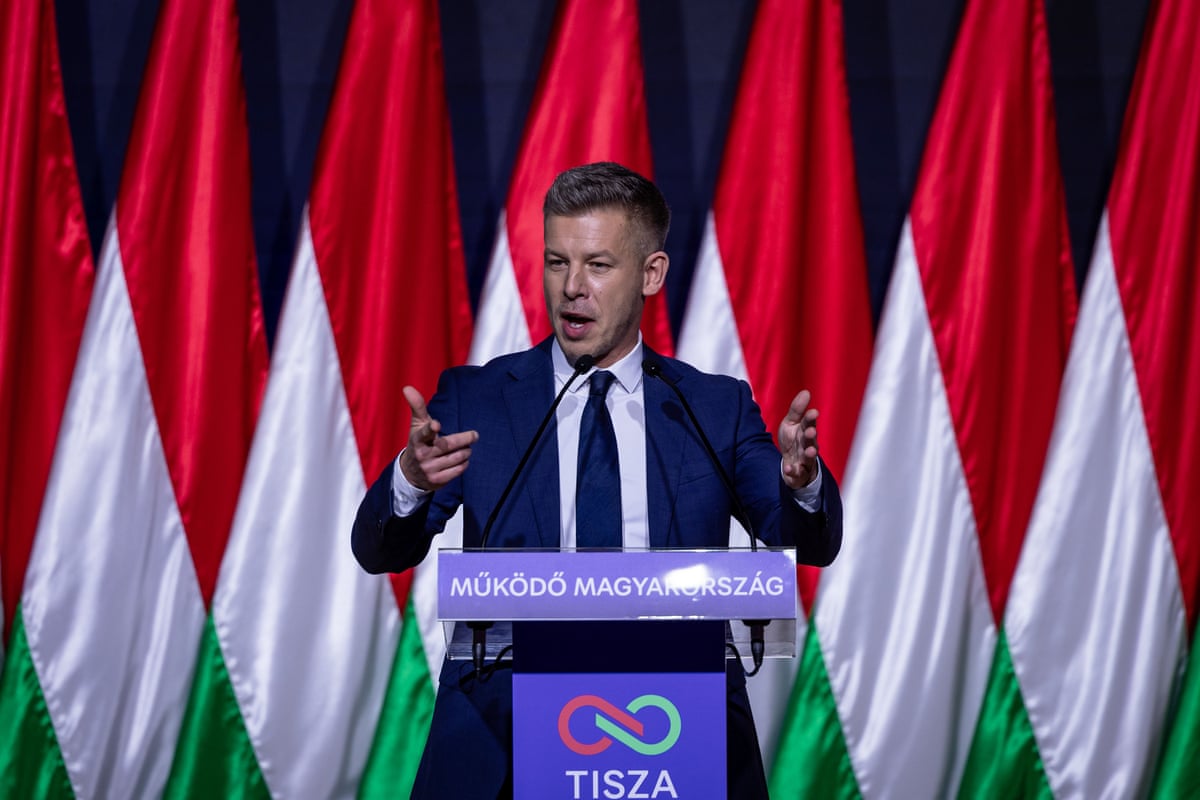
In a speech on Saturday, Orbán compared the EU to the repressive Soviet regime that ruled Hungary for over 40 years last century. However, his message appears to be resonating less with voters than he might hope. Polls suggest Orbán and his Fidesz party are being challenged by Péter Magyar’s opposition Tisza party.
Magyar, a former Fidesz member, has pledged to combat corruption and introduce term limits for future leaders. He has emphasized issues such as low wages and rapidly rising living costs, factors that have contributed to Hungary being one of the poorest countries in the EU.
On Sunday, Magyar referenced meetings with numerous European leaders at the Munich Security Conference over the weekend and stated he would end Hungary’s "drifting out of the European Union" as experienced under Orbán.
EU foreign policy chief criticises ‘fashionable euro-bashing’ by US
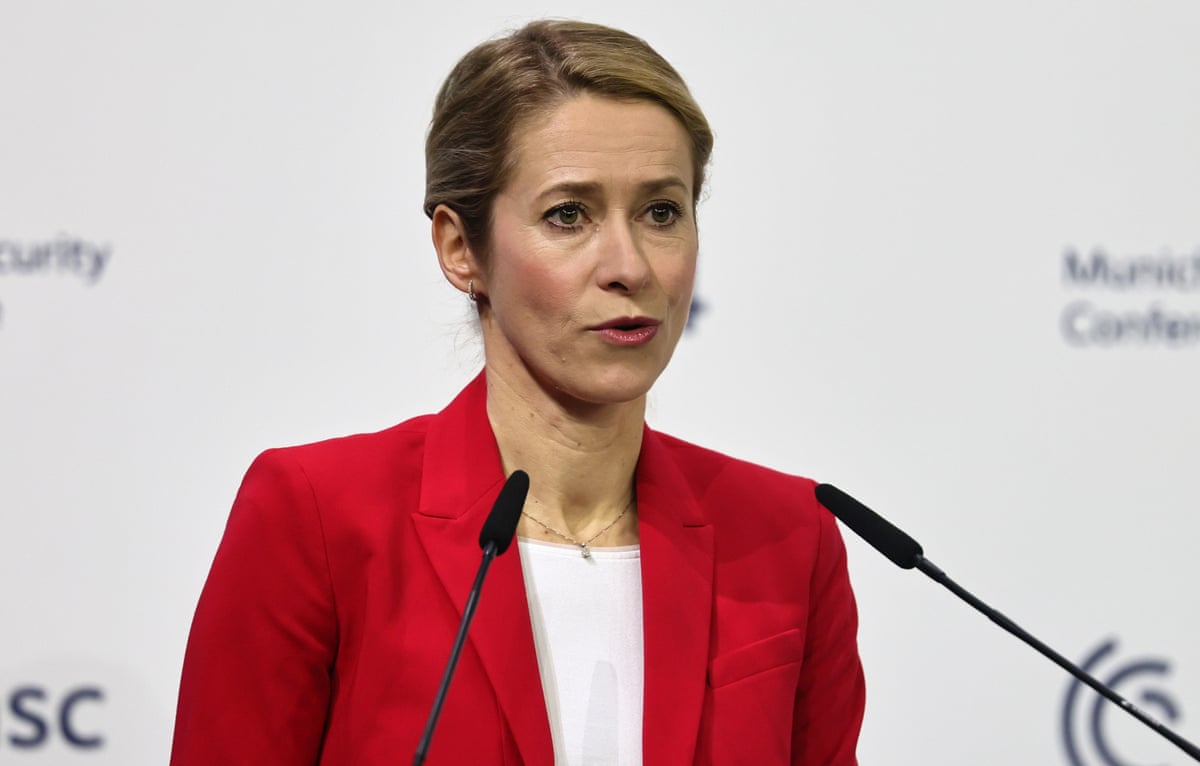
The EU’s foreign policy chief, Kaja Kallas, has rejected claims from the US suggesting Europe is facing civilisational erasure, condemning what she described as "fashionable euro-bashing" by Washington.
Kallas also noted that the US is realizing it cannot resolve the war in Ukraine without Europe’s involvement and consent.

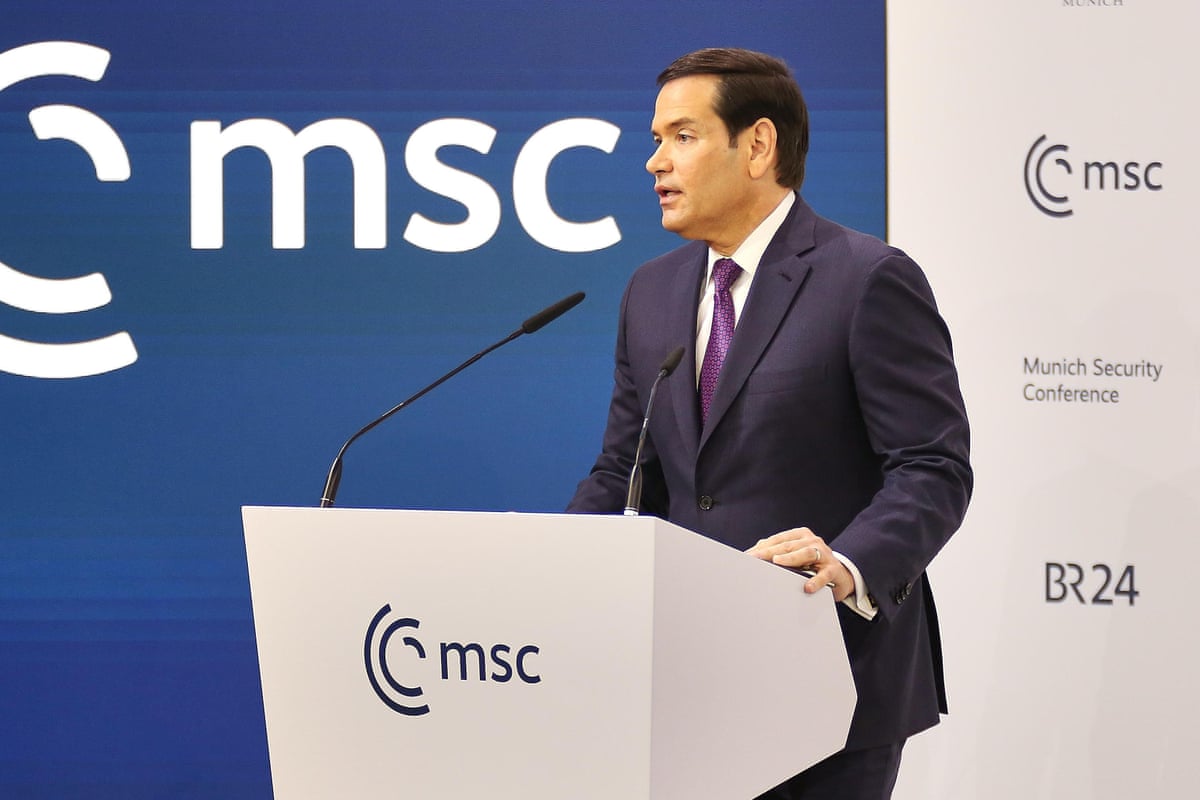
Her comments concluded a challenging three-day Munich Security Conference attended by world leaders and security officials. Discussions focused on the health of the transatlantic alliance, strengthening the European pillar within NATO, and the Ukraine peace talks.
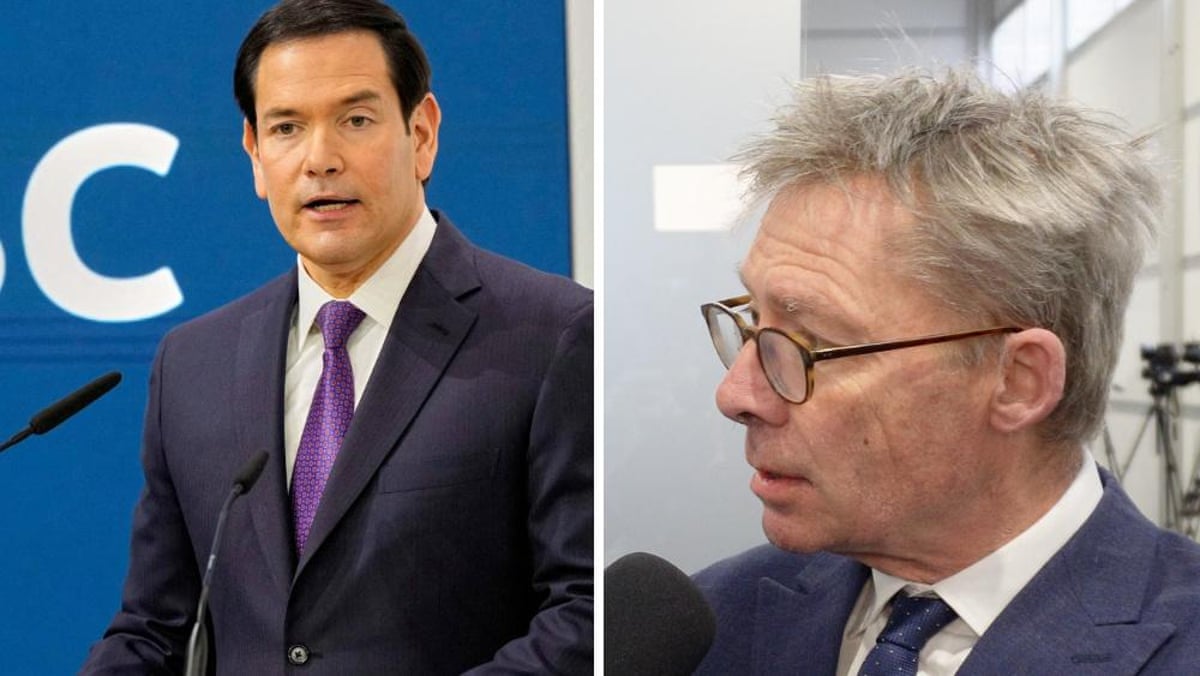
In his Saturday speech, US Secretary of State Marco Rubio combined a diplomatic tone with a firm message that Washington would only cooperate with Europe if it adapted to US leadership on issues such as mass migration, free trade, and increased European defense spending.
Kallas, speaking on the final day of the conference, suggested some of Rubio’s remarks were aimed at a domestic audience.
“Euro-bashing” was now “very fashionable” despite all “the good things that Europe actually has to offer,” Kallas said. “When I travel around the world, I see countries that look up to us because we represent values that are still highly regarded.
“Contrary to what some may say, woke, decadent Europe is not facing civilisational erasure. In fact, people still want to join our club, and not just fellow Europeans. In Canada, I was told over 40% of Canadians have an interest in joining the EU.”
Marco Rubio to meet Viktor Orbán in Budapest ahead of Hungary elections
Good morning and welcome to our Europe live blog. US Secretary of State Marco Rubio is in Hungary today as part of his tour of key American allies in Central Europe following his attendance at the Munich Security Conference.
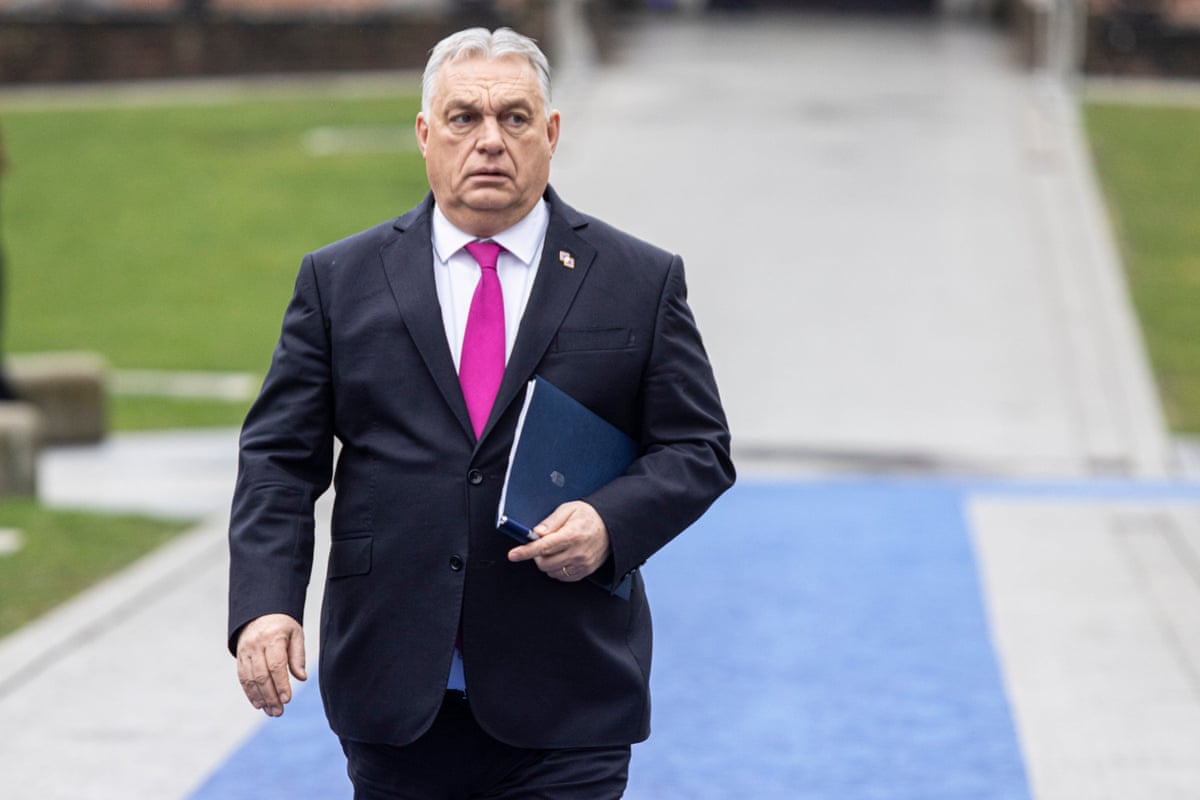
Rubio is scheduled for morning talks with Hungary’s Foreign Minister Péter Szijjártó in Budapest, followed by a meeting with the country’s embattled Prime Minister Viktor Orbán, who is trailing in polls ahead of the critical elections on 12 April. A press conference is expected around 11am local time.
Rubio, who visited Slovakia on a diplomatic visit yesterday, is expected to discuss bilateral relations with Orbán as he seeks to strengthen ties with US allies in the region.
The Secretary of State is also reportedly working to secure energy agreements with both Slovakia and Hungary. Orbán has been a vocal critic of the EU’s green policies. Rubio and Orbán plan to sign a civilian-nuclear cooperation agreement later, according to the Associated Press.
US President Donald Trump publicly endorsed Orbán earlier this month, stating he had his “complete and total endorsement for re-election.” Orbán has cultivated a strong personal rapport with Trump over the years, particularly regarding their shared hard-line immigration policies.
Rubio’s diplomatic efforts follow a softer tone he adopted at this year’s Munich Security Conference, where he criticized Europe’s policies on migration and free speech but also spoke of an “intertwined destiny” for the US and Europe. He described America as “a child of Europe,” before making a highly conditional offer of a new partnership.
Stay with us as we continue to provide the latest updates from across Europe.


