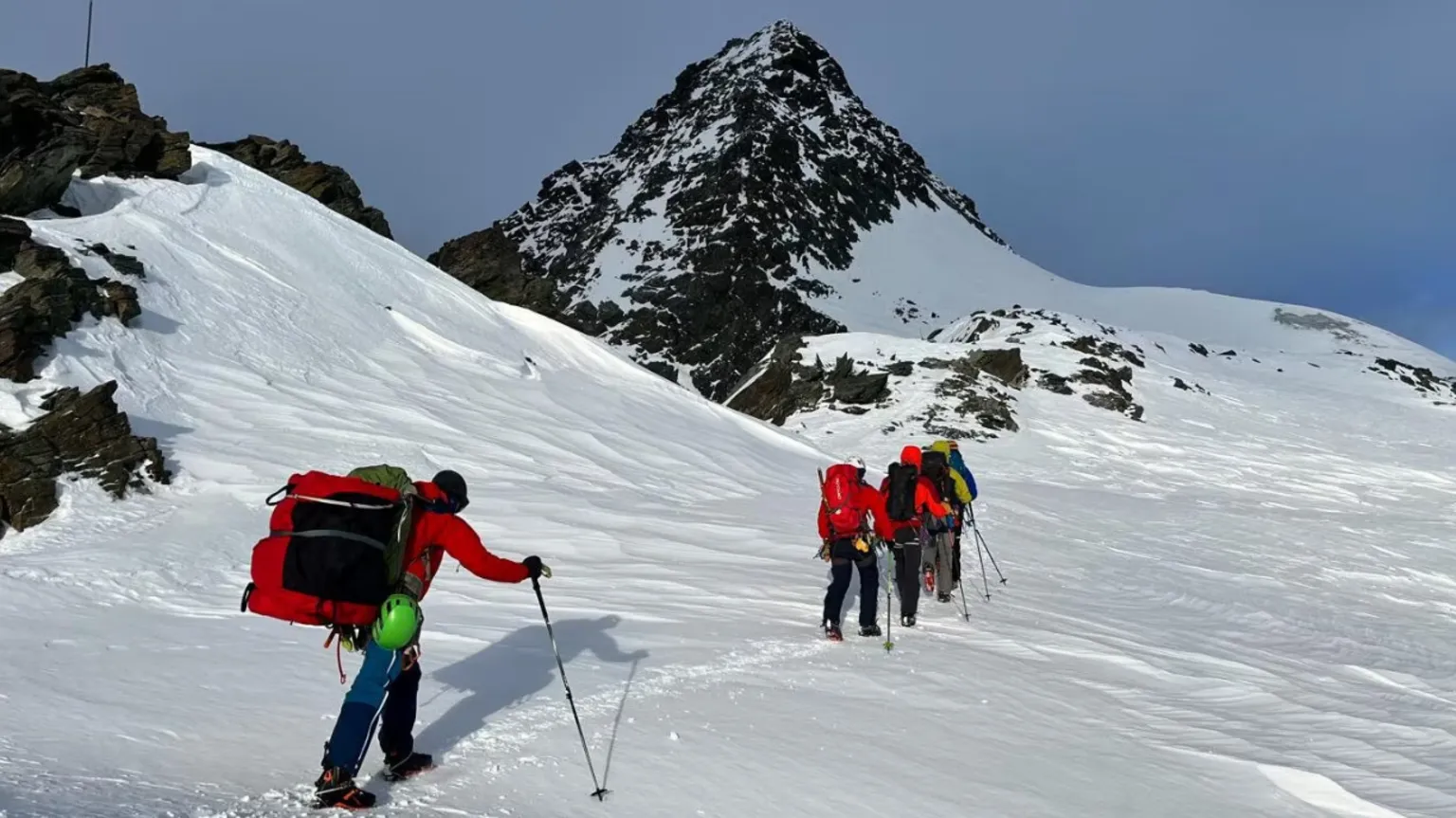
Trial Opens Over Fatal Climb on Austria's Grossglockner
More than a year after a 33-year-old woman succumbed to hypothermia on Austria's highest mountain, her boyfriend faces trial on charges of gross negligent manslaughter starting Thursday.
Kerstin G died during a mountain climbing expedition on the Grossglockner after being left unprotected and exhausted near the summit amid stormy conditions in the early hours of 19 January 2025. Prosecutors allege her boyfriend abandoned her to seek help.
The case has attracted significant attention and debate within Austria and internationally among mountain climbing communities.
Authorities contend that as the more experienced climber, the defendant was "the responsible guide for the tour" and failed to retreat or request assistance promptly to aid his girlfriend.
Identified by Austrian media as Thomas P, he denies all charges. His attorney, Karl Jelinek, characterized the incident as "a tragic accident."
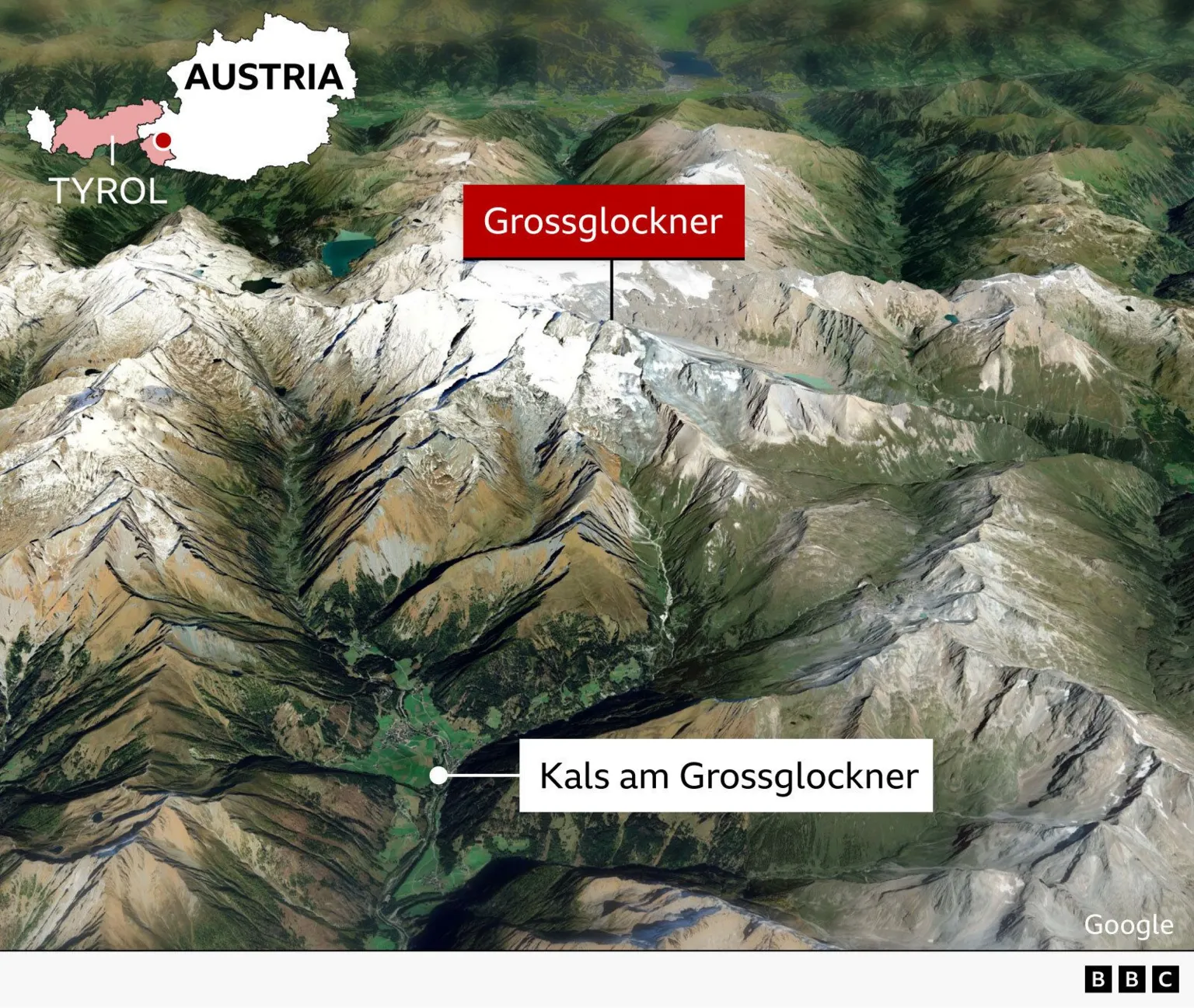
The tragedy occurred after the couple commenced their ascent of the 3,798m (12,460ft) Grossglockner.
Prosecutors accuse Thomas P of committing multiple errors from the beginning of the climb, listing nine specific mistakes.
The case raises critical questions about the boundary between personal judgment and criminal liability in high-risk sports. Austria's Der Standard newspaper noted that a conviction could represent "a paradigm shift for mountain sports."
Central to the prosecution's case is the assertion by state prosecutors in Innsbruck that Thomas P was the "responsible guide for the tour" due to his greater experience in high-altitude Alpine expeditions and his role in planning the climb.
Prosecutors state he undertook the climb despite his girlfriend lacking experience with Alpine tours of similar length, difficulty, and altitude, especially under challenging winter conditions.
They further allege he began the climb two hours later than advisable and failed to carry sufficient emergency bivouac equipment.
Additionally, prosecutors claim he permitted his girlfriend to wear snowboard soft boots, which they argue are unsuitable for high-altitude tours involving mixed terrain.
The defendant disputes these claims. In a statement, his lawyer Kurt Jelinek said the couple planned the climb together.
"Both considered themselves... to be sufficiently experienced, adequately prepared, and well equipped,"
he said. Both had "relevant Alpine experience" and were "in very good physical condition."
Once on the mountain, prosecutors argue that Thomas P should have turned back while conditions still allowed, citing strong winds reaching up to 74km/h (45mph) and temperatures of -8C with a windchill of -20.
According to the defendant's lawyer, the couple reached a location known as Frühstücksplatz at 13:30 on 18 January, which marked the point beyond which turning back was no longer feasible.
As neither climber was "exhausted or overwhelmed," they proceeded onward, Kurt Jelinek stated.
Prosecutors contend the couple became stranded around 20:50 and that Thomas P failed to contact police or send distress signals when a police helicopter passed overhead at approximately 22:50.

The boyfriend's lawyer said that at that time, both individuals still felt well and did not call for assistance because they were near the summit.
Webcam footage shows torchlight from the couple as they continued their ascent.
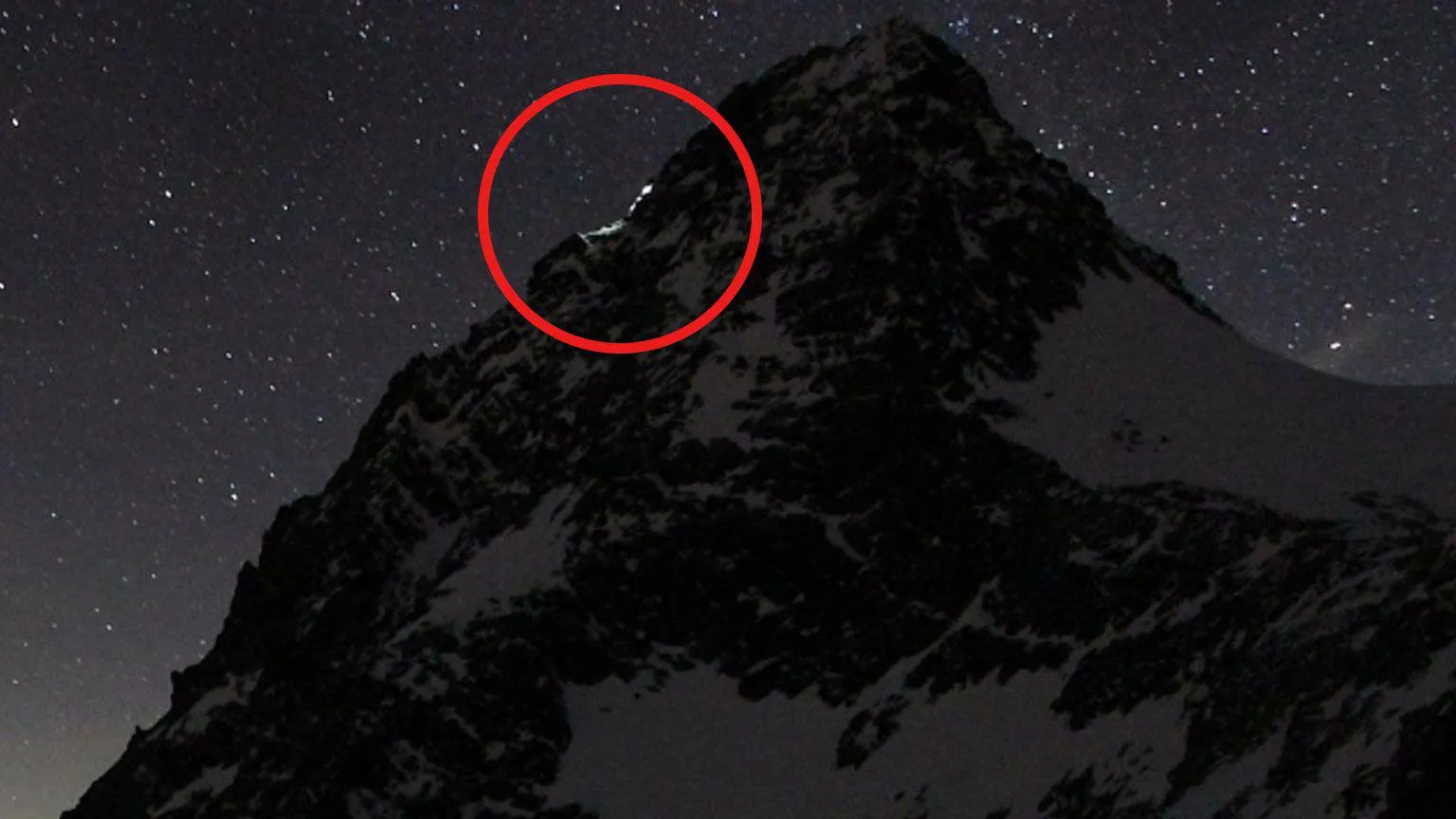
Shortly thereafter, the situation reportedly deteriorated. Mr. Jelinek explained that the woman unexpectedly exhibited increased exhaustion, although by then it was too late to turn back.
At 00:35 on 19 January, Thomas P contacted mountain police. The details of the conversation remain unclear, but the lawyer asserts his client requested help and denies claims that he told authorities everything was fine. Police allege he then silenced his phone and did not respond to further calls.
Kurt Jelinek states the couple reached a spot approximately 40m (130ft) below the cross marking the Grossglockner summit.
Because his girlfriend was too exhausted to continue, the defendant left her to seek assistance, ascending to the summit and descending the opposite side, according to his lawyer. Prosecutors say he abandoned her at 02:00.
Webcam images capture a torchlit figure descending from the summit.
Prosecutors assert Thomas P did not use aluminium rescue blankets or other protective gear to shield her from the cold and delayed notifying emergency services until 03:30.
By that time, rescue efforts were likely futile. Strong winds prevented helicopter rescue operations during the night.
Kerstin G died alone in the snow on the frozen mountainside.
Her social media profiles indicate she was an avid mountaineer. Her mother told German media that Kerstin enjoyed mountain hiking at night.
Thomas P's lawyer expressed remorse for the tragedy.
"He is deeply sorry for her death. Above all, he would like to express his sincere condolences to the family of the deceased,"
Mr. Jelinek said.
If convicted, Thomas P faces a prison sentence of up to three years.
A guilty verdict could also have broader implications for mountain climbers regarding their legal responsibilities toward companions in similar situations.