

Opening summary: German defence minister 'foresaw' withdrawal of US troops
Hello and welcome to our live coverage of events in the Middle East.
The German defence minister, Boris Pistorius, stated that it was “foreseeable” that the US would withdraw troops from Europe, following the Pentagon's announcement to pull thousands of American soldiers from Germany.
US President Donald Trump announced on Friday that the US will withdraw 5,000 active-duty troops from NATO ally Germany within the next six to 12 months, fulfilling earlier threats after a public dispute with German Chancellor Friedrich Merz over the Iran conflict.
Earlier this week, Merz criticized the US, stating it had been “humiliated” and questioned how Trump intended to end the conflict, saying: “The Americans obviously have no strategy.”
Responding to the announcement of the troop withdrawal, Pistorius said:
“It was foreseeable that the US would withdraw troops from Europe, including Germany.”
He added that Europeans must assume greater responsibility for their own security and affirmed that Germany was “on the right track” in this regard.
Trump indicated he is engaging with a new proposal from Iran aimed at ending the war, as peace talks remain stalled despite a weeks-long ceasefire. Iranian state news agency Irna reported that Iran delivered the proposal text to mediator Pakistan on Thursday evening, without disclosing its contents.
The US State Department announced approval of military sales totaling more than $8.6 billion to Middle Eastern allies Israel, Qatar, Kuwait, and the United Arab Emirates. Concurrently, Washington warned European allies, including the UK, Poland, Lithuania, and Estonia, to anticipate long delivery delays for US weapons as it works to replenish stockpiles depleted by the Iran war, according to a report citing multiple sources.
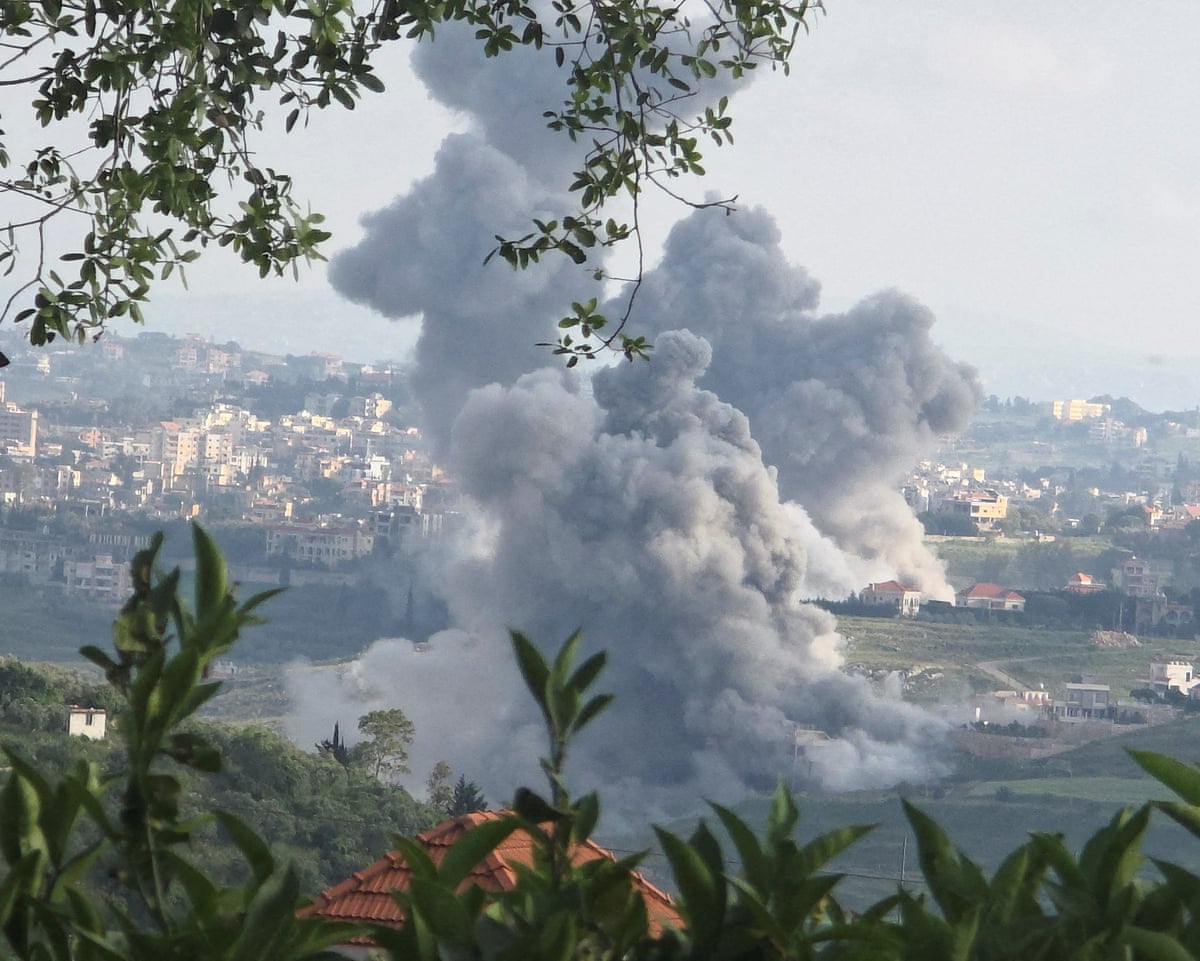
In Lebanon, 12 people were killed in Israeli strikes in the south, according to Lebanon’s health ministry. This included attacks in the town of Habboush, where the Israeli army had issued an evacuation order despite the ongoing ceasefire. Israeli warplanes “launched a series of heavy strikes … less than an hour after” the warning, the state-run National News Agency reported.
The US Treasury Office warned that shipping companies paying tolls to Iran for passage through the Strait of Hormuz, including charitable donations to organizations such as the Iranian Red Crescent Society, risk punitive sanctions. Tehran has proposed charging fees on vessels passing through the strait as part of a deal to end the war.
Trump wrote to US lawmakers on Friday declaring hostilities with Iran “terminated,” despite no change in the US military posture, as he faces ongoing pressure at home to seek congressional authorization for the war.
The State Department’s announcement on Friday included approving military sales to Qatar of Patriot air and missile defense replenishment services costing $4.01 billion and advanced precision kill weapon systems (APKWS) costing $992.4 million. It also included approval of the sale to Kuwait of an integrated battle command system costing $2.5 billion and to Israel of APKWS costing $992.4 million.
Iran’s supreme leader Ayatollah Mojtaba Khamenei urged his people to wage economic battle and “disappoint” its enemies, as the war and years of sanctions take a toll. In a written statement, he also said,
“the owners of damaged businesses should avoid, as much as possible, layoffs and separation of their workforce.”
The UK Maritime Trade Operations (UKMTO) reported suspicious activity 84 nautical miles southwest of the port of Mukalla in Yemen. A bulk carrier reported that a small boat and a fishing vessel came within 500 meters of it, according to UKMTO.
Since the US-Israeli war against Iran began on 28 February, reports to UKMTO have increased significantly, particularly in the Strait of Hormuz, which runs through the center. UKMTO recorded 41 incidents between 1 March and 27 April, the majority involving attacks where ships were damaged, their crew harmed, or collateral damage occurred.
Cmdr Jo Black, UKMTO head of operations, said,
“The most distressing calls are those from ships under attack. It’s an absolutely terrifying experience for them – they’re civilians, they’re not prepared for this – drones, missiles, small arms fire aimed at their bridge or engine room, and threats to their safety – so they’re stressed, many speak only very rudimentary English and they’re trying to describe things often beyond their comprehension.”
Hope out of chaos: how the dark era of Trump is creating a new approach to global politics
Antonio de Aguiar Patriota, Brazil’s ambassador to London, described the modern world as suffering from “global warming and environmental degradation, multiple conflicts, rising military budgets, disregard for international law and international humanitarian law, disruptions to trade, erosion of democratic governance and technological developments that are met with excitement and fear.”
However, he noted that beneath the surface,
“something is happening. Something is moving.”
Patriota observed a new division in “the global north” into “two poles, a unilateralist superpower on the one hand and a majority of multilateralists on the other.”
He stated,
“The highly unpopular and illegal war in Iran is fast becoming a vivid example of the chaos and instability bred by unilateralism. It is laying bare a perception that the world will not be made unipolar again.”
The argument that the current era of American unilateralism and lawless militarism may be ending prematurely, sinking below the waters in the Strait of Hormuz, is gaining traction as other Western countries regain confidence and place long-term bets that they can no longer rely solely on the US security umbrella.
They have observed the limited protection that umbrella provided for the Gulf monarchies and how little it has promoted European interests in the region, and many have realized they are better off cultivating diverse alliances.
Here is the full statement from German defence minister Boris Pistorius in response to the US’s decision to withdraw 5,000 troops from Germany:
“The presence of American troops in Europe, particularly in Germany, serves the interests of both the US and ourselves.
We collaborate closely with our US partners in Ramstein, Grafenwöhr, Frankfurt and elsewhere – to foster peace and security in Europe, to support Ukraine and to uphold joint deterrence. The US presence in Europe also serves its own security interests in Africa and the Middle East.
It was anticipated that the US might withdraw troops from Europe, including Germany. Latest reports speak of 5,000 of a total of almost 40,000 US soldiers stationed in Germany.
One thing is clear: if we are to remain transatlantic, we must strengthen the European pillar within NATO. In other words: as Europeans, we must take on more responsibility for our own security. Germany is on track. We are building up our defence: our armed forces are expanding, we are procuring equipment faster and in greater quantities, we are focusing on innovation, and we are building more infrastructure.
We coordinate all of our efforts closely with our allies, for example within the Group of Five with the United Kingdom, France, Poland and Italy.”
IDF says it launched 50 strikes in southern Lebanon amid ceasefire
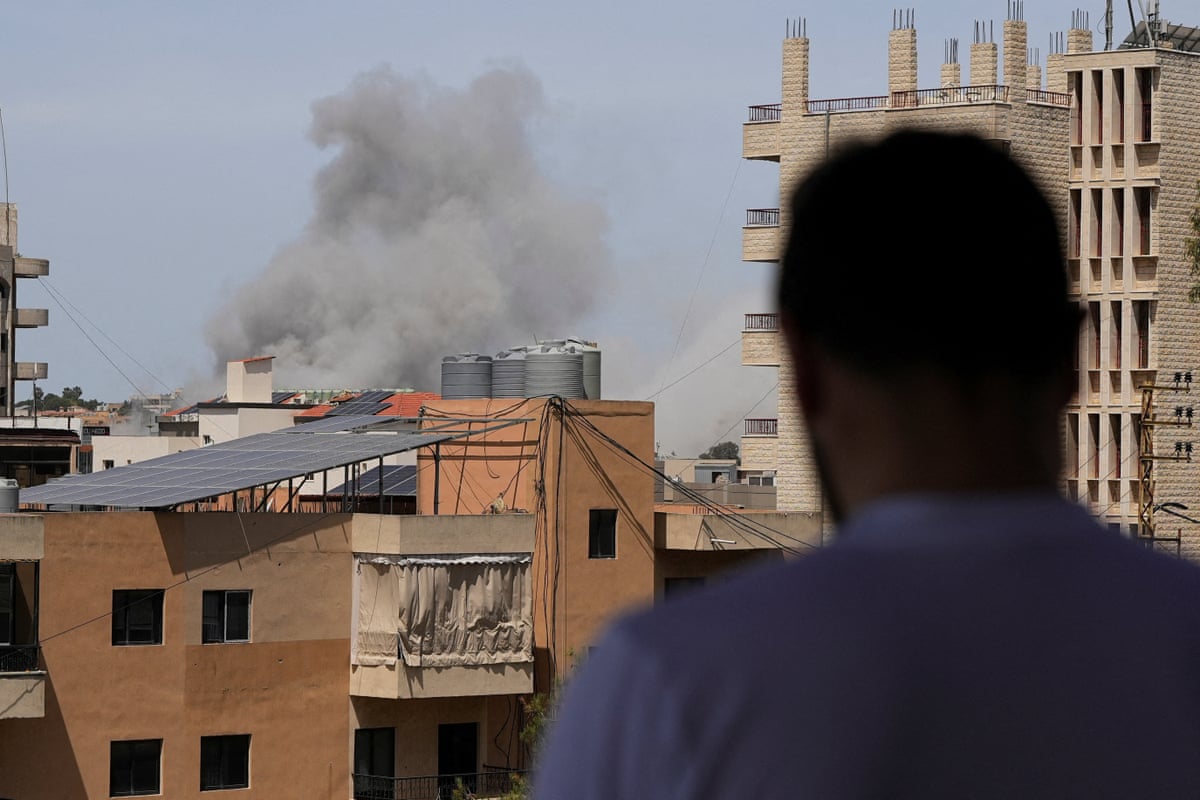
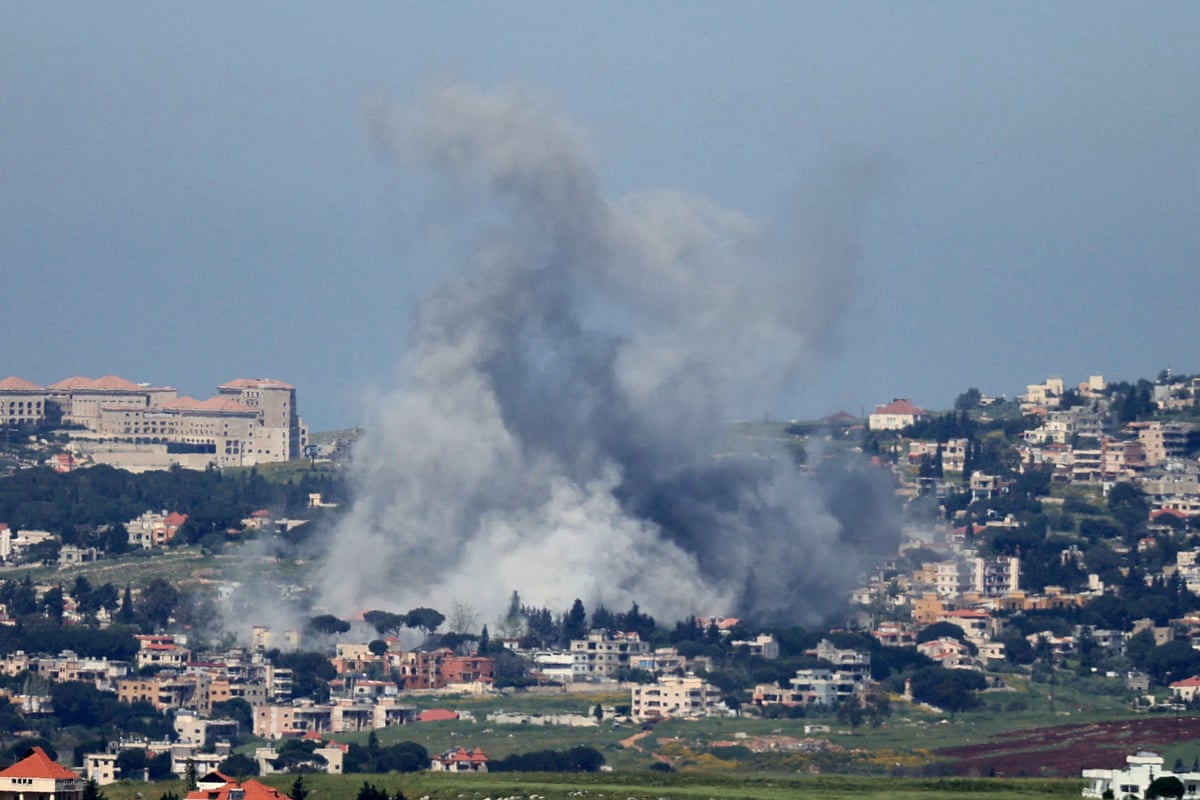
In Lebanon, the Israeli military reported it continued to strike what it described as Hezbollah targets across southern Lebanon despite an ongoing ceasefire.

In a post on X this morning, the Israel Defense Forces (IDF) said it launched 50 strikes in the last day in southern Lebanon, stating it destroyed Hezbollah infrastructure in several areas.
The IDF also reported that Hezbollah had “fired a number of rockets” toward IDF forces operating in southern Lebanon, which landed “in open areas.”
Lebanon’s official National News Agency reported seven people were killed in Israeli attacks in the southern Lebanese district of Nabatieh.
NATO says it is working with US to understand decision to withdraw troops from Germany
NATO spokesperson Allison Hart said the alliance is working with the US to understand its decision to withdraw 5,000 American troops from Germany.
Echoing earlier remarks by the German defence minister, Hart said the move
“underscores the need for Europe to continue to invest more in defence and take on a greater share of the responsibility”for the region’s security.
She added,
“We are working with the US to understand the details of their decision on force posture in Germany. This adjustment underscores the need for Europe to continue to invest more in defence and take on a greater share of the responsibility for our shared security – where we’re already seeing progress since allies agreed to invest 5% of GDP at the NATO Summit in The Hague last year. We remain confident in our ability to provide for our deterrence and defence as this shift towards a stronger Europe in a stronger NATO continues.”
Why does the US have military bases in Germany?
The US is withdrawing troops days after German Chancellor Friedrich Merz suggested Washington was being outplayed and “humiliated” by Iran.
President Trump indicated that a “determination” on the US military presence in Germany, considered a key part of NATO’s defences and vital for projecting US power globally, would be made “over the next short period of time.”
This explainer examines why the US maintains military bases in Germany, their role, and how Trump’s threat to reduce them may not benefit the US.
Regarding Iran’s new peace proposal, state media reported Tehran handed the offer to Pakistan on Thursday night to pass on to Washington, though its contents were not immediately clear.
Commenting on the proposal last night, Trump said,
“They’re asking for things I can’t agree to.”
Pakistan, which is facilitating US-Iran talks in Islamabad, believes a deal is within reach, but no progress has been reported since the failed negotiations on 11 and 12 April.
Iran says war with US will 'likely' resume
A senior Iranian military official said renewed fighting between the US and Iran was “likely,” according to Iran’s semi-official Fars news agency.
The statement followed reports that the US was “not satisfied” with a new Iranian proposal to end the war. Iran delivered the proposal to mediator Pakistan on Thursday evening, Iranian state media reported, without detailing its contents.
President Trump said yesterday,
“At this moment I’m not satisfied with what they’re offering.”He did not elaborate on the proposal’s shortcomings but attributed stalled talks to “tremendous discord” within Iran’s leadership.
A ceasefire has halted fighting since 8 April, and attempts have been made for peace talks in Pakistan since then.
Mohammad Jafar Asadi, a senior figure in the Iranian military’s central command, said,
“a renewed conflict between Iran and the United States is likely.”He added,
“Evidence has shown that the United States is not adhering to any promises or agreements. The actions and statements of American officials are mostly media-oriented, firstly to prevent the fall in oil prices and secondly to get out of the predicament they have created themselves. The armed forces are fully prepared for any new American adventure and folly.”
German defence minister says American troops in Europe 'in our interest and in the US's'
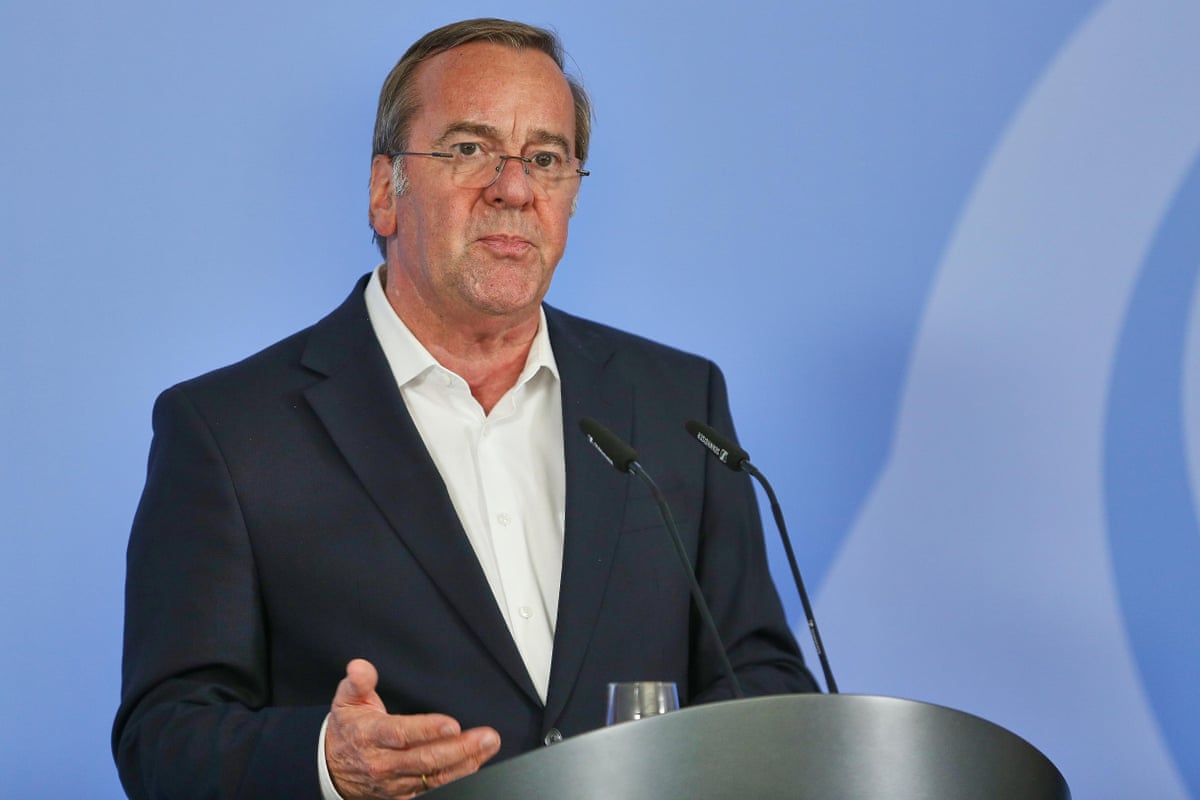
German defence minister Boris Pistorius called on European allies to assume more responsibility for their security after the US announced it would withdraw 5,000 troops from Germany.
Pistorius said the presence of American soldiers in Germany was
“in our interest and in the interest of the United States,”but added,
“It was foreseeable that the US would withdraw troops from Europe, including Germany. We Europeans must take greater responsibility for our security.”
Germany hosts the US military’s largest basing location in Europe, with about 35,000 active-duty personnel, serving as a key training hub.
The Pentagon stated the withdrawal of troops is expected to be completed over the next six to 12 months.
The announcement came amid a public dispute between US President Donald Trump and German Chancellor Friedrich Merz, after Merz said the US was being “humiliated” by Iran.
Pistorius affirmed Germany was “on the right track” in strengthening its defence capabilities, citing the expansion of the Bundeswehr armed forces, accelerated procurement of equipment, and infrastructure development.
You can read last night’s report on this story here.


