Concerns Over Litter at Loch Lomond
Loch Lomond remains a key attraction for tourists visiting western Scotland, yet local residents express concern that funding reductions and increased fly-tipping are damaging its reputation.
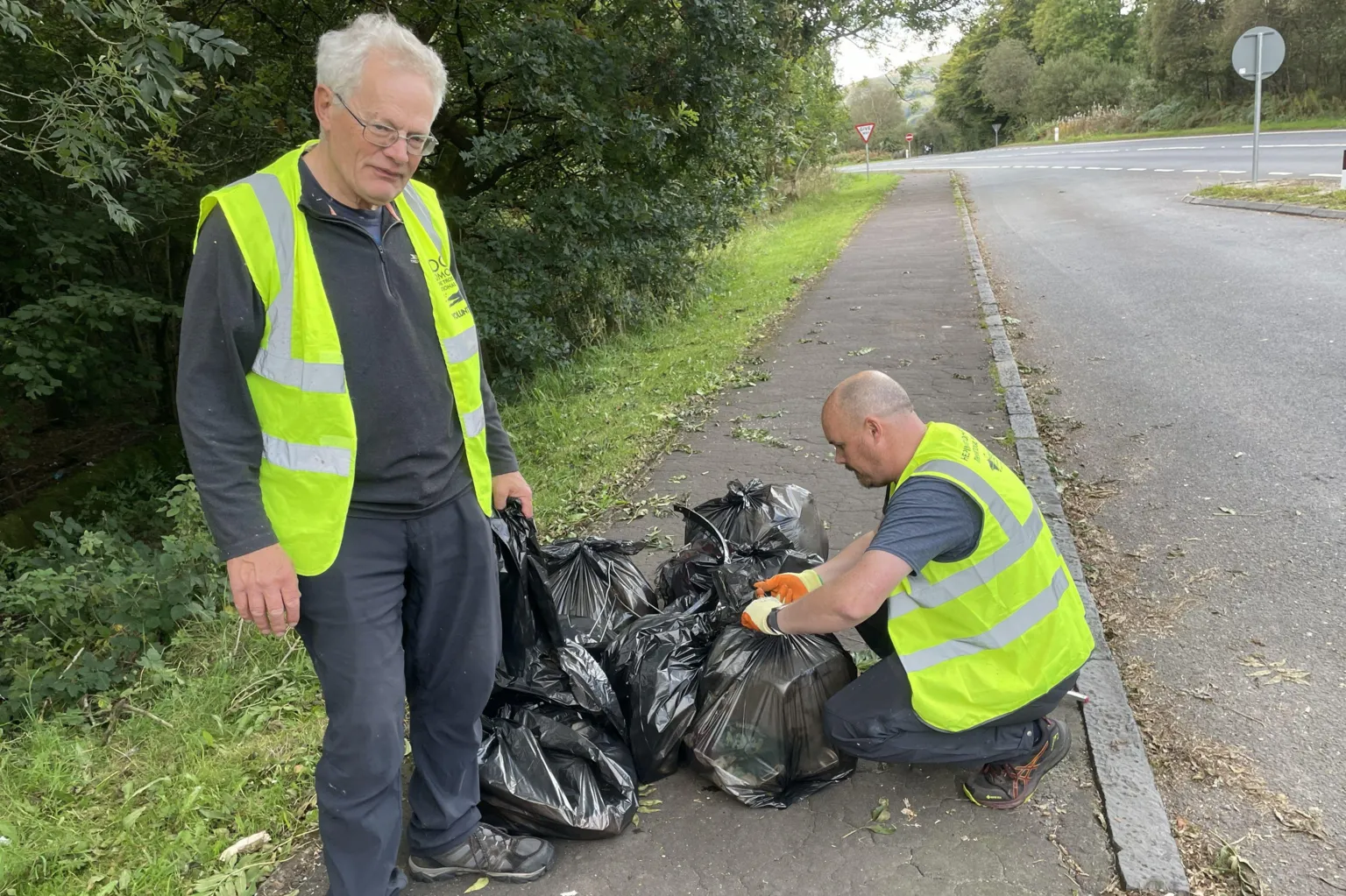
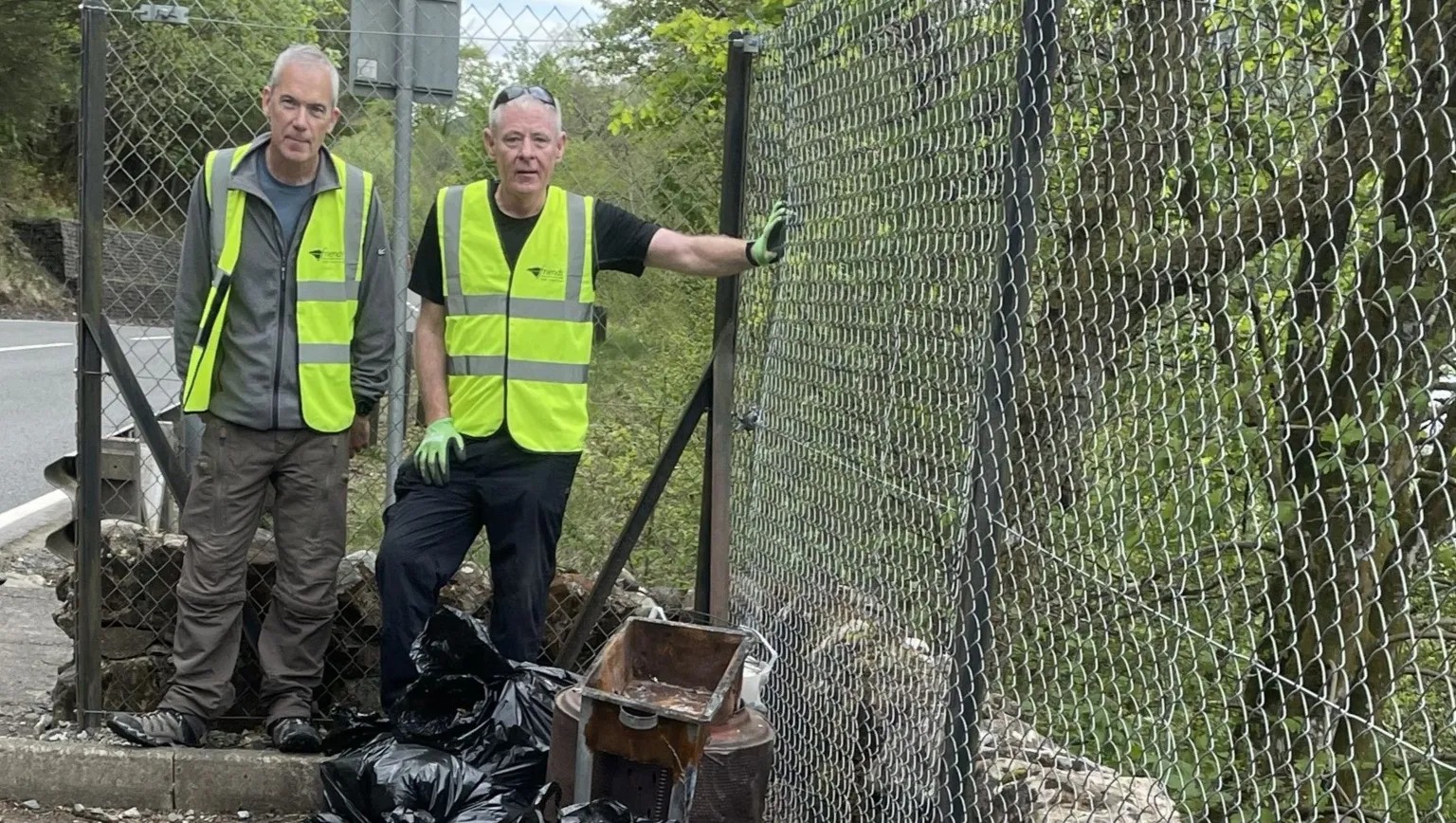
The Friends of Loch Lomond and the Trossachs have been supplying bins in the area for four years following a surge in visitors and rubbish after Covid restrictions were lifted.
This initiative was supported financially by Argyll and Bute Council and the Loch Lomond and the Trossachs National Park Authority. However, since this funding ceased, rubbish has accumulated significantly.
Argyll and Bute Council stated it cannot meet the demands of servicing additional bins as emergency funding has been exhausted.
The Friends of Loch Lomond and the Trossachs emphasised that removing bins is a last resort rather than a solution.
Initially, the group was funded to address roadside waste along the A82 with what appeared to be a straightforward solution.
However, the costs proved unsustainable.
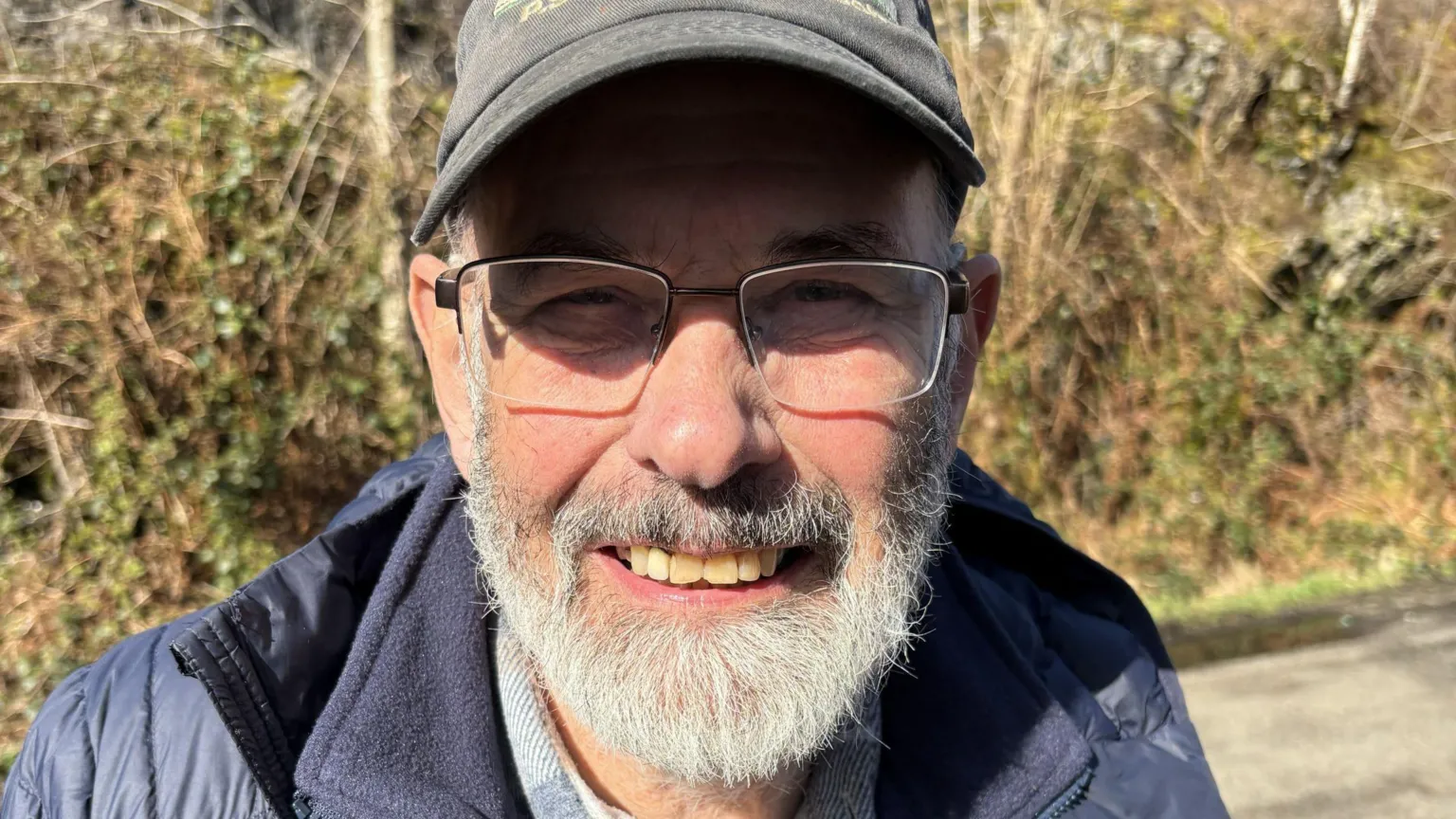
"We are just a charity, we don't have that kind of money," said John Urquhart, the group's chair.
Annual maintenance now costs between £25,000 and £30,000.
Luss Estates contributed £6,000 annually to the bin scheme, with additional support from local businesses, but even combined efforts were insufficient to maintain the service.
The type of waste also changed; bins intended for tourists were frequently filled with household rubbish.
At a layby near Luss, Mr Urquhart indicated a patch of verge where a bin once stood.

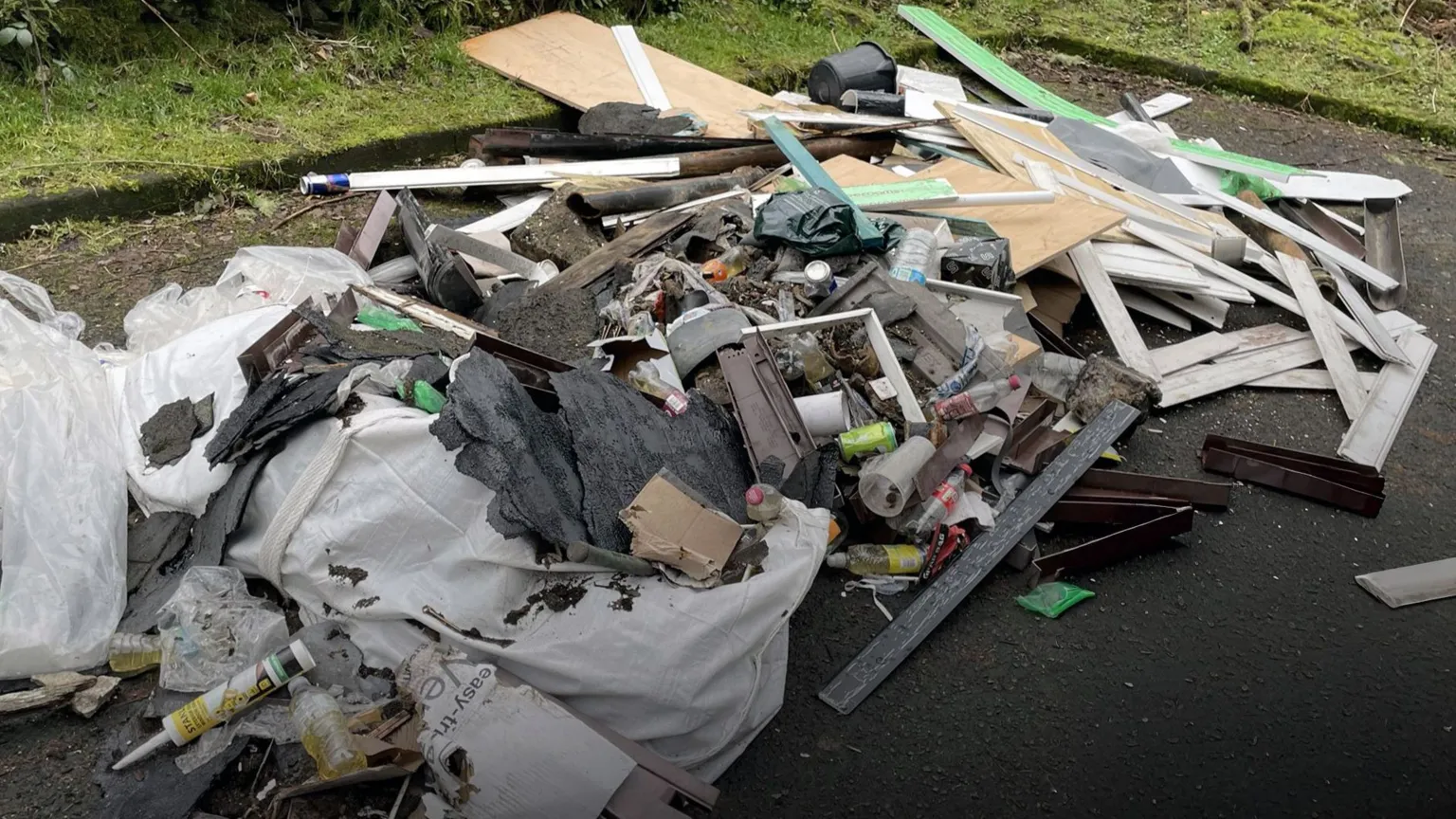
"This is meant to be one of the most beautiful parts of Scotland," he said. "But we're constantly clearing up rubbish that shouldn't be here in the first place."
"The verges between the lay-bys were strewn with litter, the lay-bys themselves were in a mess," he added. "And it's not just litter, it's also toileting. So not very nice."
Mr Urquhart clarified the legal responsibility for litter management.
"People might ask the question, why is a charity paying to put bins in, is that not the local authority?" he said.
"Well of course it's the local authority's duty. I mean legally it's Argyll and Bute who is responsible for keeping this highway clear."
Drivers often slow along the A82 to enjoy the Loch Lomond scenery, but some discard rubbish from their vehicles, according to Patrick Calhoun.
Mr Calhoun, assistant chief executive of Luss Estates, whose land borders heavily visited Lochside areas, has observed this behaviour repeatedly.
"We inherit litter from drivers driving up, they'll throw litter out the windows," he said.
He views this as a direct threat to the local economy.
"With four million people coming to the area every year, our feeling was that you've got to supply something, some kind of piece of infrastructure to allow customers to arrive and leave the litter, not just by the side of the road, but actually in a bin."
Mr Calhoun expressed skepticism about the council's advice for visitors to take their rubbish home.
"It's not a good look. It's the first impression for a lot of overseas visitors as well. And the tourism economy depends on that."
The Council continues to urge people to take their rubbish home.
Mr Calhoun argued that without proper infrastructure, this message is unrealistic and the problem will persist.
Argyll and Bute Council explained that emergency funding supporting increased visitor management post-Covid has ended.
In a statement, the Council said:
"Post Covid, a package of measures was introduced to support the increase of domestic visitors and tackle issues such as littering, additional toilet facilities etc. That funding is no longer available.
We would love to do everything our communities want us to do, but sadly we are unable to meet the demands of servicing additional bins and the surplus waste they generate. Our message is clear, please keep your litter in your vehicle and take it home with you."
The Loch Lomond and the Trossachs National Park Authority contributed £20,000 to the project between 2022 and 2024 but noted that responsibility for the laybys lies elsewhere.
For Mr Urquhart, removing bins does not resolve the issue.
"What's the answer?" he said. "Well, we want the litter collected and also we want to see much more education of the public. You need to move on all these different fronts."
Visitor numbers are expected to rise again over the summer, and those familiar with the road fear worsening conditions.