Supermarkets' Role in Finland's Defence Strategy
If Finland were to face aggression from Russia, Janne Ahtoniemi would be prepared to respond immediately, though not in the conventional manner one might expect.
Contrary to assumptions that Ahtoniemi might be a soldier, his readiness is linked to his role at the nationwide supermarket chain S Group.
In the event of an invasion or a significant nationwide cyberattack, S Group has a comprehensive plan to support the national effort by ensuring that Finland's population of approximately 5.6 million maintains adequate food supplies.
Other critical sectors in Finland, including defence manufacturers, transportation companies, and cybersecurity firms, also maintain detailed contingency plans to address crises arising from international conflict or natural disasters.
"Finland's strong security of supply is based on decades of consistent preparedness and training,"
"Companies understand this perspective and their own role in it. That is why people and companies are ready to invest in security of supply."
These remarks were made by Janne Ahtoniemi, head of risk management at S Group.
Comprehensive Security and Total Defence
The four Nordic countries—Finland, Sweden, Norway, and Denmark—have long implemented a "total defence" strategy, which involves close cooperation between military and civilian sectors.
Following Russia's invasion of Ukraine in 2022, Finland has taken a leadership role in enhancing this approach, increasing business involvement and rebranding the concept as "comprehensive security."
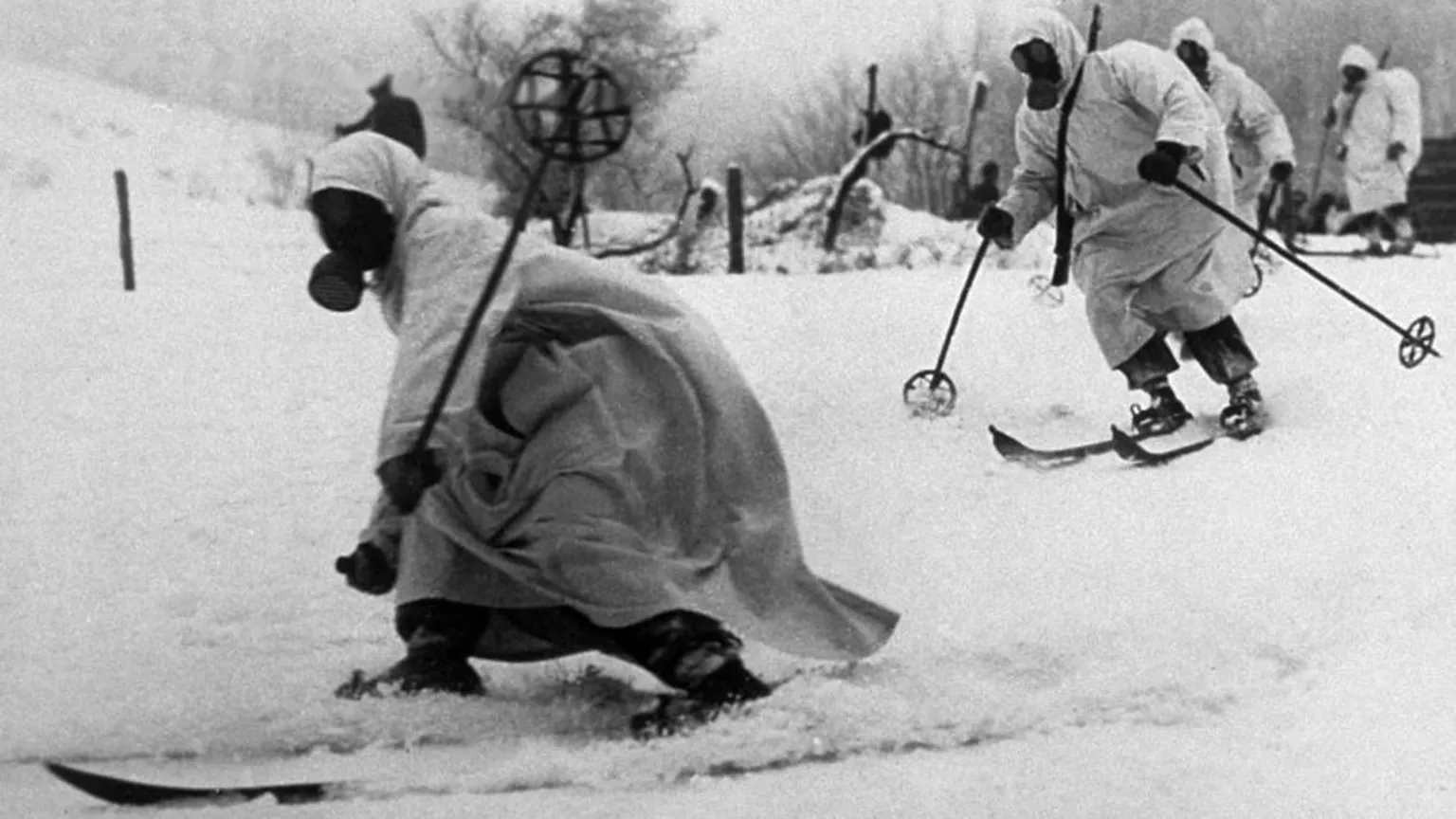
Given Finland's 1,340 km (830 mile) border with Russia, this strategic emphasis is understandable.
Last year, the Finnish government published The Security Strategy for Society, describing it as "the most important document guiding comprehensive security in Finland."
Critical businesses participate in "preparedness committees" alongside local authorities and central government representatives and engage in national training exercises.
Preparations extend beyond conventional warfare to include scenarios such as nationwide cyberattacks, disruptions to food and water supplies, and attacks on the financial system.
Business Involvement and Legal Obligations
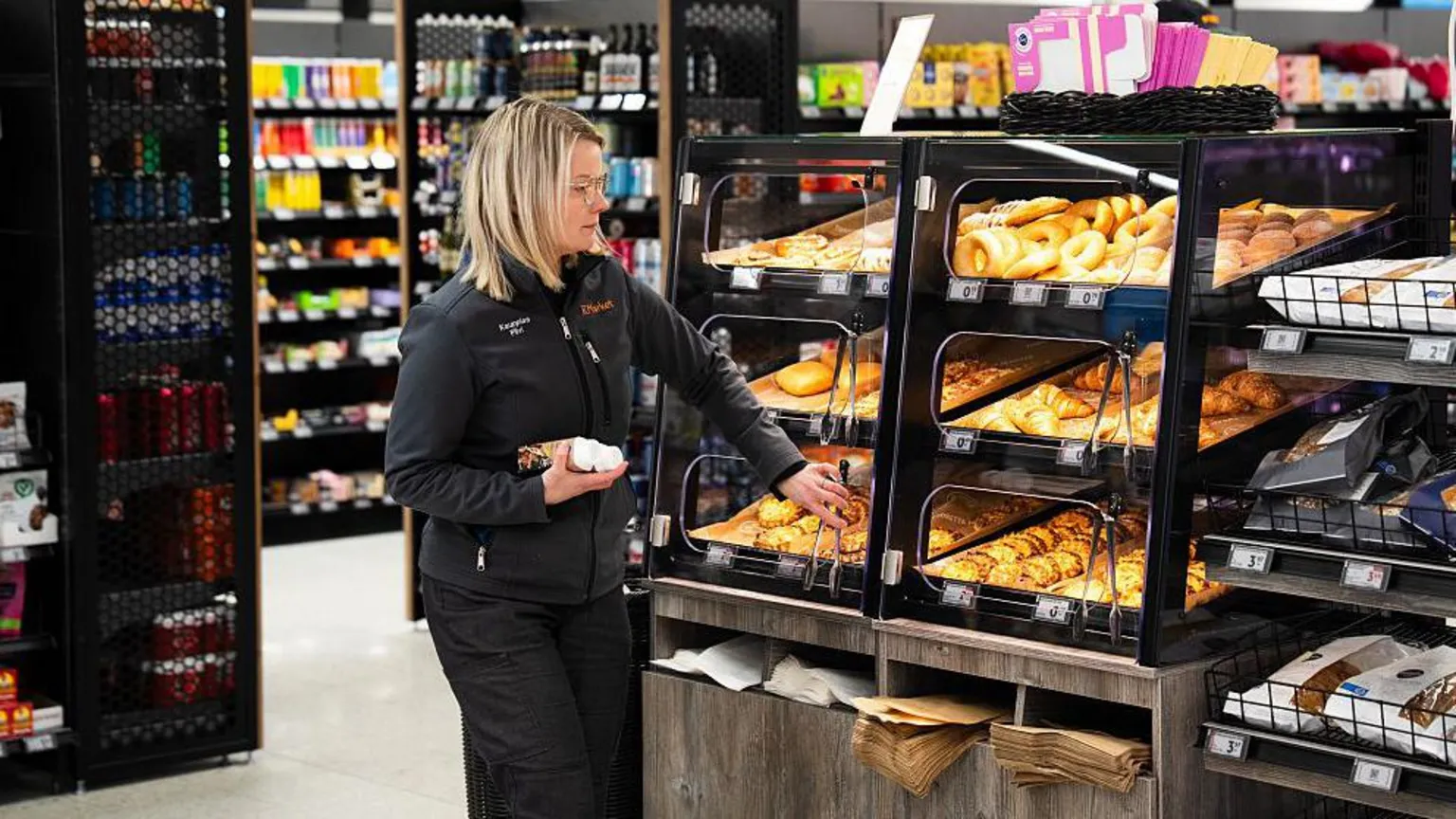
Ahtoniemi notes that participation in these exercises represents a significant investment for organizations. S Group also collaborates with the National Emergency Supply Organisation.
Kesko, a competing supermarket group, is similarly engaged.
"We want to do our part to ensure Finnish society is able to function every day, regardless of the circumstances,"
"Companies develop preparedness for different types of disruption scenarios, using collaborative contingency plans and exercises."
These statements were made by Kesko executive Jyrki Tomminen.

Both supermarket groups and other food companies are legally required to maintain strategic reserves of essential items such as flour, sugar, and cooking oils. These reserves are stored in dedicated warehouses or underground bunkers equipped with backup electricity generators.
Public Participation and Societal Trust
Every adult in Finland is expected to contribute to national defence efforts, according to Tom Woolmore, an expert on security in Northern European countries.
"It's not theoretical, it's very much put into practice."
An example is Professor Frank Martella, a philosophy lecturer at Aalto University in Helsinki and a navy reservist who can be called upon during national emergencies.
Given that security now encompasses more than military capabilities, Martella acknowledges he might be assigned duties aligned with his skills and experience rather than returning to naval service.
"When something happens I will be told what to do,"
he said while having coffee in a Helsinki café.
Dr Jennifer De Paola, a psychologist at Helsinki University, explains that Finnish companies and citizens willingly contribute due to two main factors: trust in the government and a cultural emphasis on feeling safe.
Her research involved asking dozens of Finnish children aged 10 to 12 to draw happy and unhappy people and explain their choices.
"I was sure I'd find a very strong association between happiness and having fun, but instead I discovered that Finnish children associate happiness with feeling safe, and unhappiness with feeling unsafe."
De Paola notes that this focus on safety persists into adulthood, leading Finns to value trustworthiness highly.
"We really trust our institutions much more than in other countries. That includes our governments, ministries and politicians. There is a low level of corruption in Finland."
Professor Martella adds that Finland's high level of societal equality is also significant.
"The more equal the society, the more people trust each other,"
he said.
These values underpin Finland's resilience, according to Woolmore.
Confidentiality and Historical Context
Despite the high levels of trust, Finnish companies maintain strict confidentiality regarding their defence plans.
Ahtoniemi declined to disclose details of S Group's wartime plans, citing the information as confidential.
Similarly, Kesko's spokesperson stated,
"In line with our standard practice, we do not elaborate further on our contingency planning."