Far Left Under Scrutiny After Killing of Quentin Deranque
Is the far left poised to replace the far right as the political pariah in France? This question has gained urgency following the killing of nationalist student Quentin Deranque in Lyon, an incident linked to suspected far-left militants.
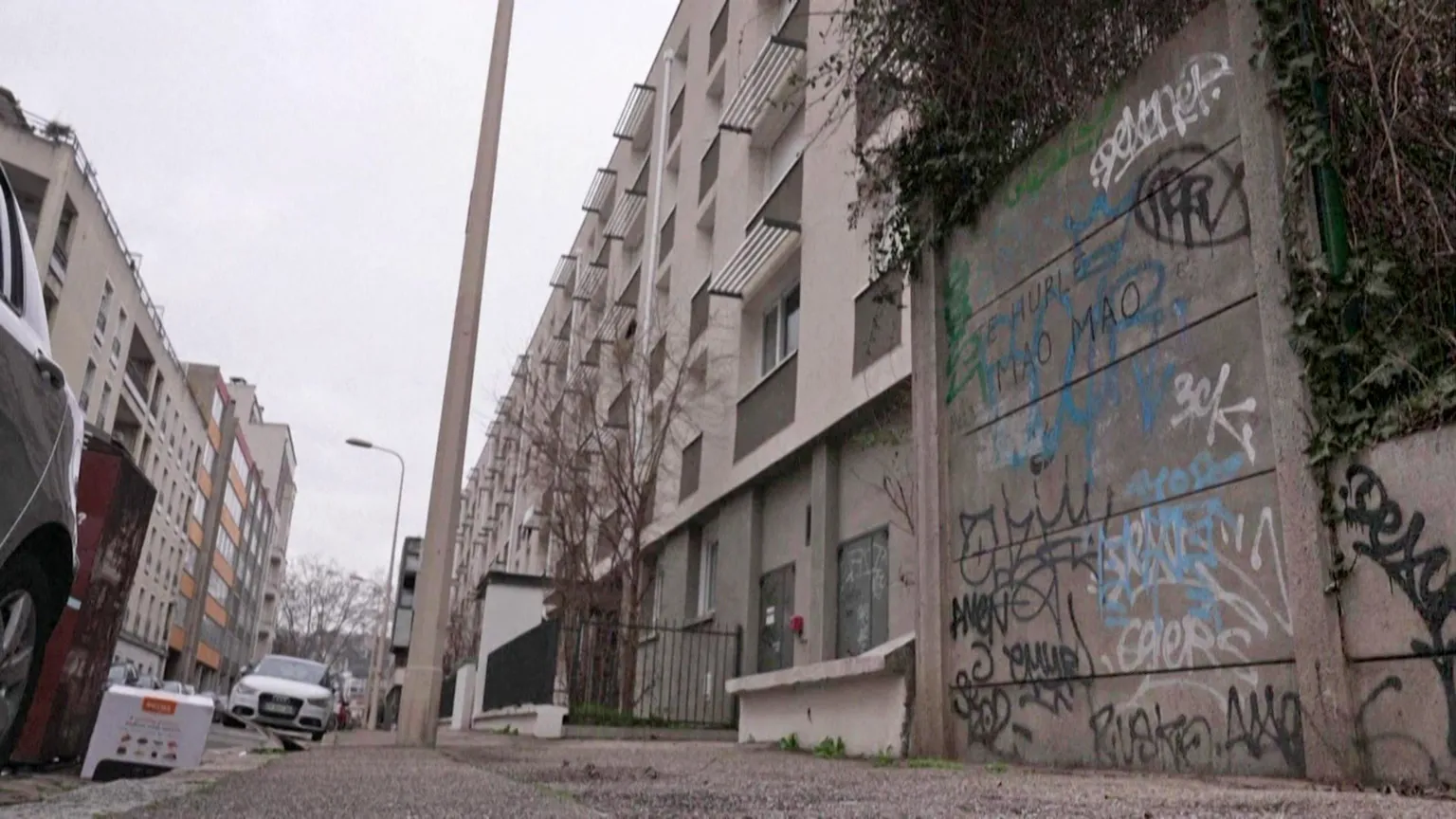
Deranque was fatally attacked on 12 February after a small university protest involving far-right feminists, whom he was reportedly protecting. Mobile phone footage captured masked and hooded assailants repeatedly kicking and punching him while he was on the ground. He succumbed to head injuries sustained during the assault.
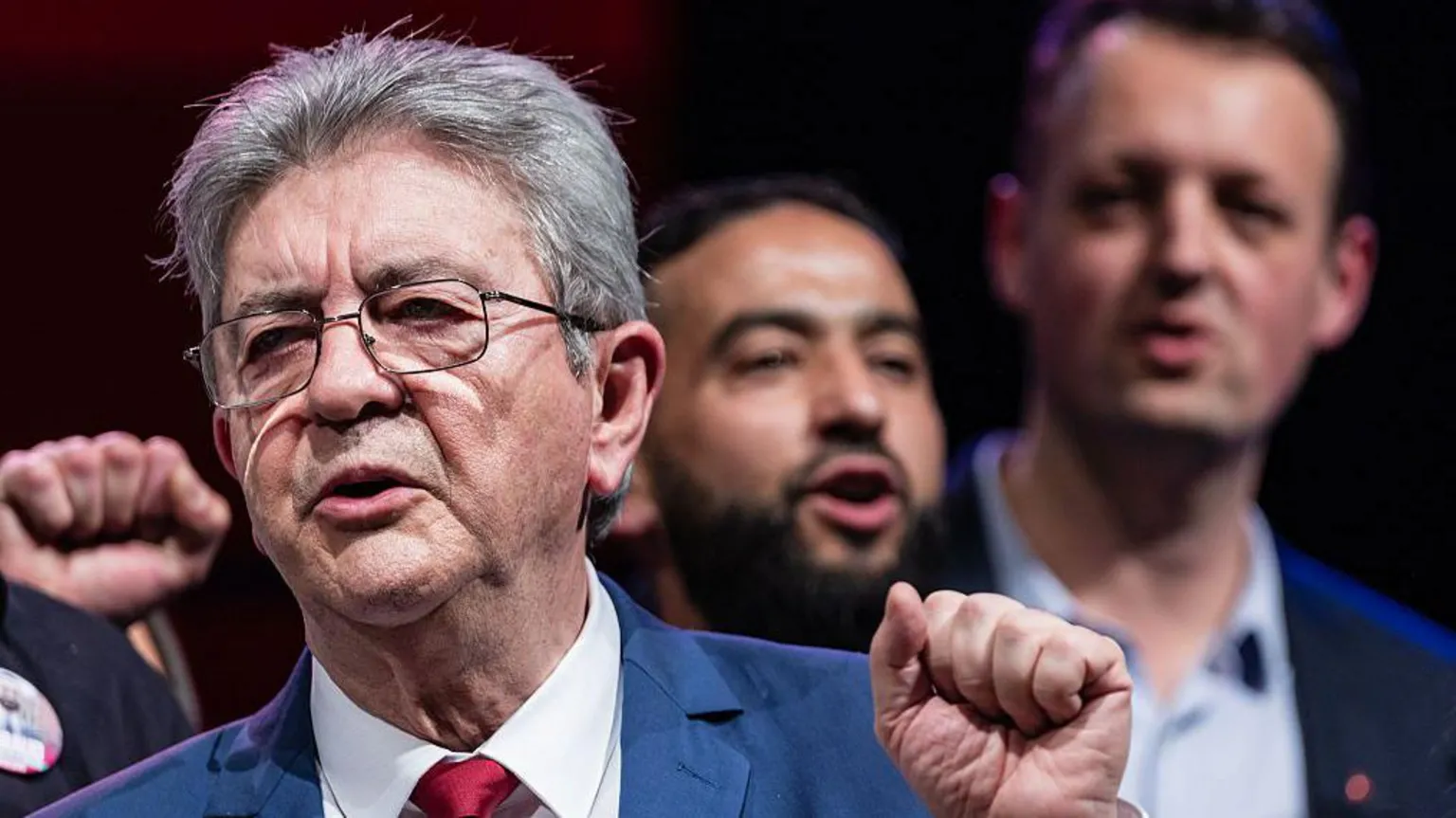
Since the incident, significant condemnation has been directed at La France Insoumise (LFI), the principal radical left party holding approximately 70 seats in the 577-member National Assembly, and its leader, Jean-Luc Mélenchon, a veteran firebrand politician.
On Saturday afternoon, around 3,000 people gathered in Lyon at the location of the attack to hold a rally in memory of Quentin Deranque. Security measures were stringent, with police ensuring that opposing groups remained separated.
The attendees represented a mix of small traditionalist, Catholic, nationalist, and neo-fascist groups. Notably, the National Rally (RN), France's largest populist right-wing party, chose not to participate.
Seven suspects charged in connection with the killing are affiliated with or close to La Jeune Garde (The Young Guard), an organization that previously provided security for LFI before being banned last year.
Among the suspects is Jacques-Elie Favrot, who served as a salaried parliamentary assistant to LFI deputy Raphaël Arnault, the founder of The Young Guard in 2018. Favrot faces charges of "complicity to murder by instigation," though he is not accused of delivering the fatal blows.
Another suspect, Adrian Besseyre, who reportedly also worked within Arnault's team at the National Assembly, is charged with murder.
According to the investigating magistrate, all suspects deny intent to kill. Two have refused to speak, while others admitted presence at the scene, with some acknowledging they inflicted blows.
Shifting Political Stigma in France
For the past five decades, the French political consensus has ostracized the far right, primarily the National Front and its successor, the National Rally (RN), due to their extremist associations.
Recent developments, however, may invert this dynamic, potentially completing the "de-demonisation" of the RN, a process championed by its leader Marine Le Pen, while casting the radical left as the new political pariahs.
Despite their opposing ideologies, both RN and LFI reject the political consensus that has dominated France for 50 years. The RN, rooted in nationalist traditions, prioritizes French citizens' interests over immigrants and adopts a stringent stance on crime, often associating it with immigrant communities. Conversely, LFI, grounded in Marxist principles, advocates for the working class, which it largely identifies as being of immigrant origin.
Economically, the two parties share some similarities, but they diverge sharply on identity issues, fostering mutual animosity.
Regarding the Gaza conflict, LFI declined to condemn the Hamas-led attacks on Israel on 7 October 2023, whereas the RN, despite its antisemitic history, increasingly aligns with Israel.

If the stigma shifts from far right to far left, the consequences for France's political landscape could be significant.
Implications for Electoral Politics
Historically, the far right has been contained by a "cordon sanitaire"—an informal agreement among other parties to exclude them from power.
Though the RN is currently the most popular party nationally, it struggles to secure electoral victories because opponents coordinate to consolidate the anti-RN vote.
For example, in the 2024 legislative elections, called after President Emmanuel Macron dissolved the Assembly, the RN performed strongly in the first round but was thwarted in the second round by Macronite and left-wing candidates withdrawing to unite the anti-RN electorate. This strategy led to a resurgence of left and center parties, with the RN securing only about 120 seats and no parliamentary majority emerging.
This arrangement was feasible because other parties were willing to collaborate with Mélenchon's LFI, which was considered part of the "Republican arc"—politically acceptable unlike the RN.
However, the murder of Quentin Deranque and the involvement of individuals linked to LFI raise questions about whether the Socialists (with around 70 MPs) and centrists (approximately 160 MPs) will continue to engage with LFI. A refusal to cooperate could weaken the blocking majority against the far right.
Furthermore, if the far left becomes the principal target of political ostracism, the far right could gain legitimacy by comparison.
This shift might encourage the conservative Republicans, holding about 50 parliamentary seats, to engage openly with the RN, bringing the far right closer to mainstream politics.
These developments could influence the upcoming municipal elections scheduled for next month across France and have even greater impact during the 2027 presidential and parliamentary elections.
Political Commentary and Reactions
Guillaume Tabard, writing for the conservative newspaper Le Figaro, summarized the situation:
"Since Quentin Deranque's death, the political landscape has shifted. Mélenchon's party has become the formation that is the most condemned in politics and the media. For [the RN] it is a godsend, after half a century in which the distinction belonged to it."
The circumstances have indeed benefited the far right. Marine Le Pen and RN President Jordan Bardella, accustomed to accusations regarding the RN's connections to questionable "security" groups or candidates with problematic histories, now find their opponents undermining themselves.
Centrist, conservative, and moderate left-wing politicians have joined the campaign against LFI, effectively advancing the RN's position without direct effort.
The process of isolating LFI is intensified by the party's refusal to express remorse. While condemning the killing, Mélenchon has declined to denounce The Young Guard or suspend its founder Raphaël Arnault from his parliamentary role.
For France's mainstream left, this situation is troubling. They face the challenge of distancing themselves from LFI while avoiding empowering the far right.
Dominique de Villepin, a former prime minister and potential 2027 presidential candidate who has shifted from conservatism to the left, expressed concern:
"By focusing all our attacks on the LFI, we are creating a corridor of respectability for the RN. We are offering the RN what it has always dreamed of: the appearance of normality."