Europe's Fragmented Response to the Iran Crisis
Europe anticipated the escalation. For weeks, leaders and policymakers observed the US military buildup in the Middle East and heard the Trump administration's stark ultimatum to Tehran: abandon all nuclear ambitions or face consequences.
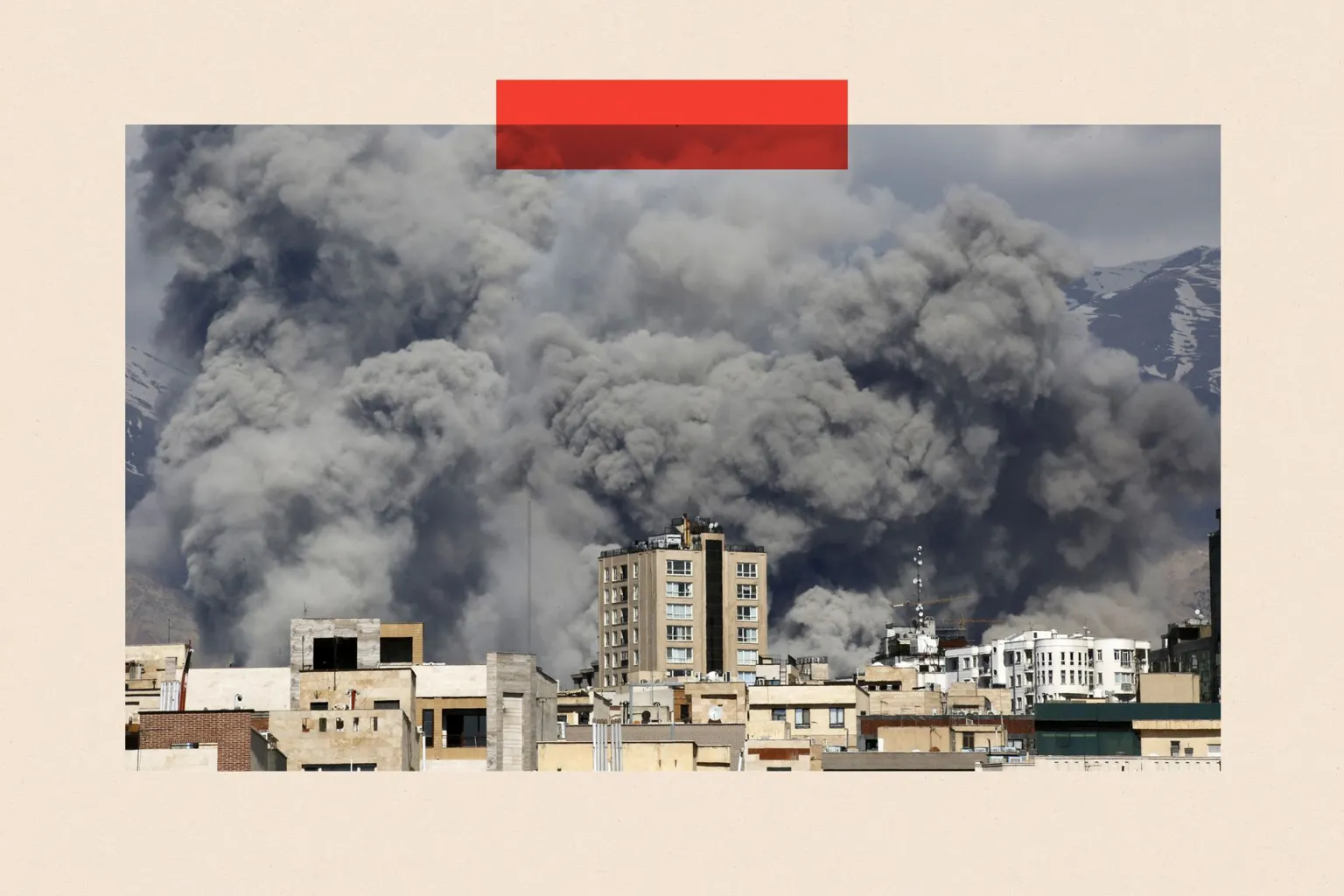
However, since the US-Israeli strikes on Iran commenced three days ago, Europe has appeared at best disjointed, if not divided, lacking influence amid the rapidly evolving situation.
Each European nation is understandably concerned about its citizens in the region, contemplating the potential evacuation of tens of thousands of people.
European governments also worry about the crisis's repercussions on domestic consumers, particularly regarding energy and food prices. European gas prices have surged to levels not seen since Russia launched its full-scale invasion of Ukraine in 2022.
Politically, Europe is struggling to articulate a unified stance on the swift and complex developments in the Middle East.
The continent's leading powers—France, Germany, and the UK—issued a joint statement over the weekend, warning Iran they were prepared to take "defensive action" to neutralize its missile and drone capabilities unless Tehran ceased its "indiscriminate attacks."
Since then, the UK has consented to a US request to utilize two British military bases for "defensive" strikes on Iranian missile sites, although President Trump has criticized the UK for not being more proactive. France is reinforcing its Middle East presence following an Iranian strike on a French base in the United Arab Emirates, and Germany has stated its troops remain ready for "defensive measures" if attacked but has no plans beyond that.
None of these three countries have questioned the legality under international law of the US-Israeli strikes. Similarly, EU foreign policy chief Kaja Kallas has refrained from criticizing Washington in her social media communications.
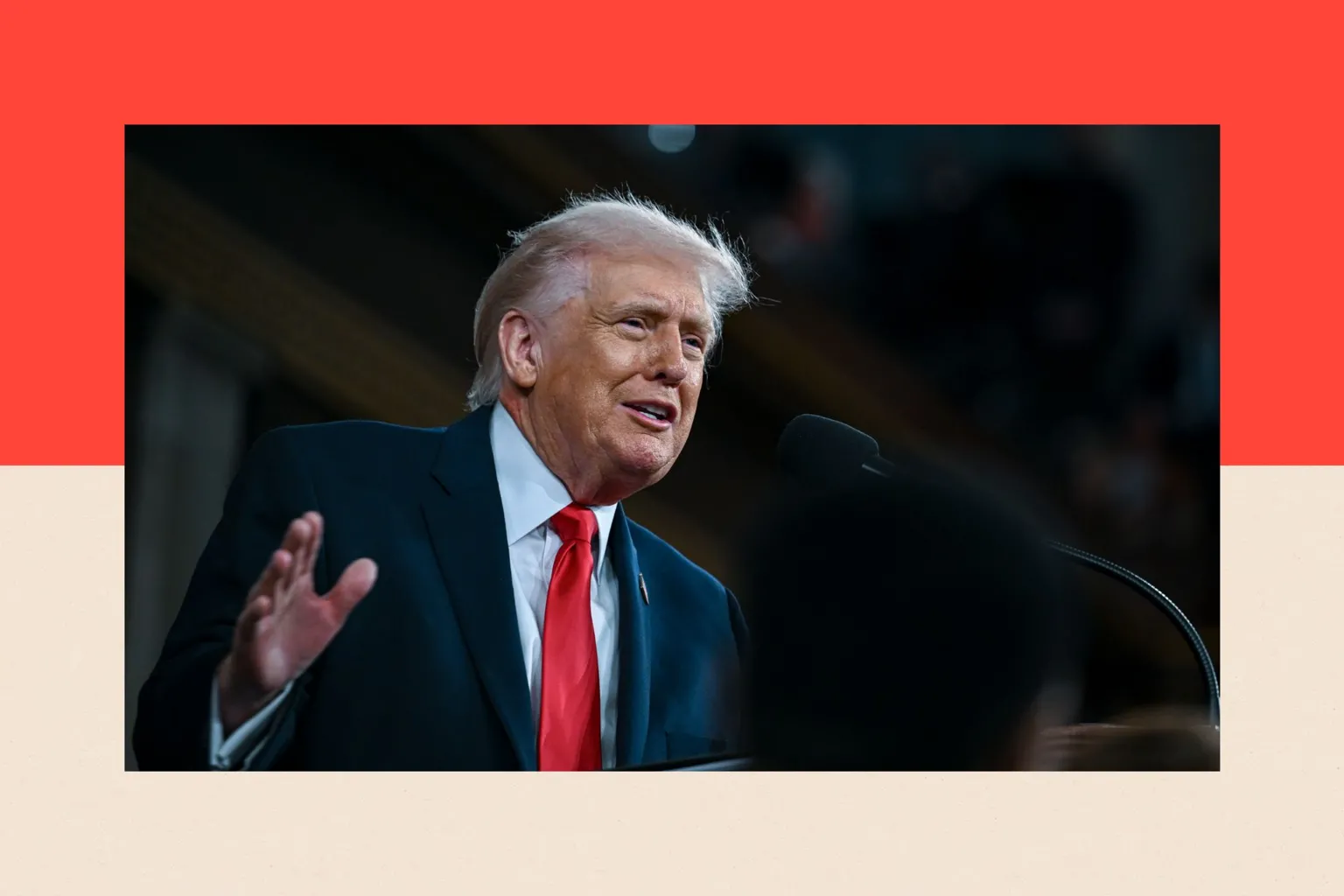
A primary concern among European leaders is avoiding alienation of Donald Trump. They hope the Middle East crisis will not distract the US president from engaging in resolving the conflict in Ukraine, which directly affects Europe.
However, does the reluctance of some European powers to address the legality of recent US actions in Iran or Venezuela obscure the principles they claim to uphold? Europe often asserts it is founded on common values and respects a rules-based international order, but the exact nature of these rules remains ambiguous.
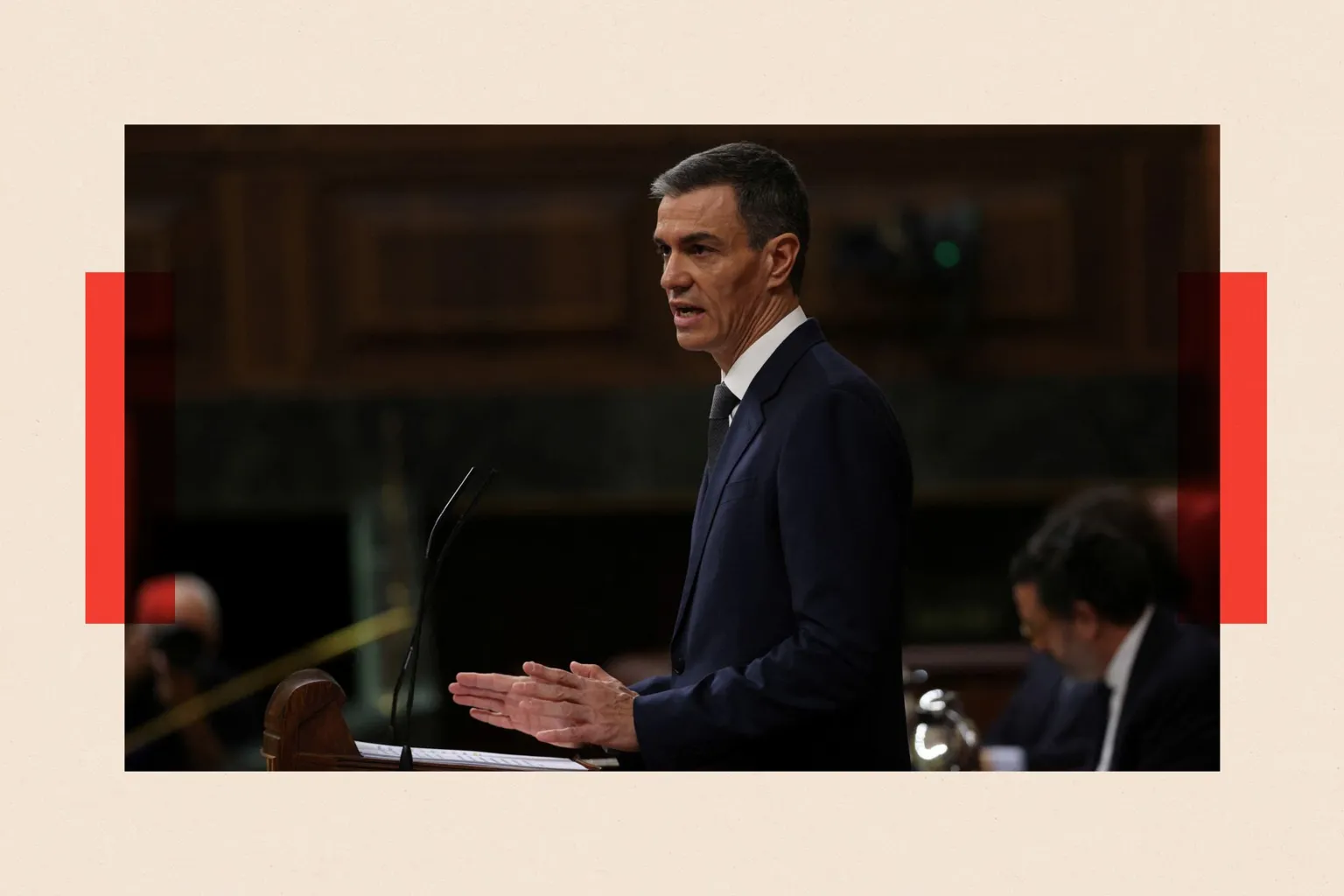
Spain's Prime Minister Pedro Sánchez has expressed clarity on the matter.
"One can be against a hateful regime, as is the case with the Iranian regime… and at the same time be against an unjustified, dangerous military intervention outside of international law."
Following this stance, several US aircraft departed Spain on Monday after Madrid declared its bases could not be used for attacks on Iran.
Meanwhile, the European Union has appeared disjointed. A statement from member states' foreign ministers stopped short of endorsing regime change in Iran, whereas the European Commission President Ursula von der Leyen called for "a credible transition in Iran" in a social media post on Sunday.
This divergence highlights the lack of a unified European voice.
Despite the ambition of European nations, both within and outside the EU—including the UK—to collaborate more effectively on shared interests, particularly in security and defense, the question remains whether they can achieve this goal.
A Nuclear Doctrine Shift
The year 2026 has been marked by turmoil involving Venezuela, Greenland, and Iran. Europe faces an expansionist Russia at its borders, an economically assertive China, and an increasingly unpredictable ally in Washington.
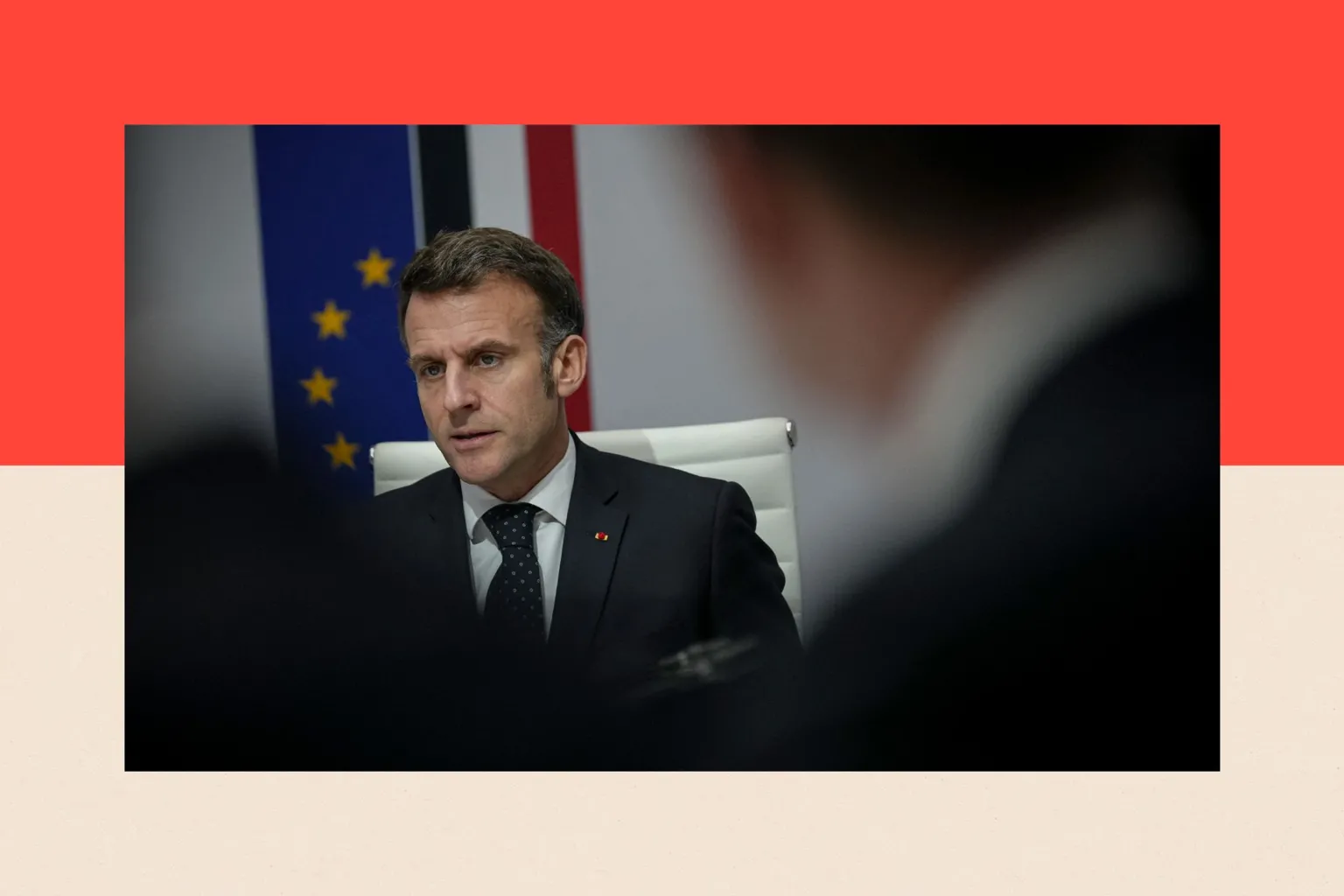
On Monday, President Emmanuel Macron announced that France would revise its nuclear doctrine and increase its nuclear warhead stockpile, citing that "our competitors have evolved, as have our partners."
Russia possesses the world's largest nuclear arsenal, China is rapidly expanding its capabilities, and although the US—the world's second-largest nuclear power—has long provided Europe with a nuclear umbrella, shifting priorities in Washington have unsettled Europeans.
Sweden, Germany, and Poland have approached France to request broader European nuclear coverage in addition to the protection already provided by the UK, the only other European nuclear power.
President Macron has long advocated for greater European strategic autonomy in defense, including initiatives in space through the European Space Agency, of which the UK is also a member.
However, coordination remains a significant challenge, exemplified by weapons procurement. While the US employs approximately 30 different weapon systems, Europe has an often redundant 178, leading to inefficiency, high costs, and delays. The President of the European Parliament, Roberta Metsola, recently described this situation as "inefficient, expensive and slow."
NATO attempts to address this by managing acquisition decisions across its 32 members, but its guidelines are voluntary. All NATO members, except Spain, agreed under pressure from Donald Trump last year to increase defense spending. However, the effectiveness of this spending is equally important.

National governments tend to prioritize protecting their own defense industries, sometimes at the expense of their neighbors, with France frequently criticized for this approach.
Priorities Shaped by History
The Middle East crisis underscores that each European country has distinct priorities, strengths, and vulnerabilities shaped by history and public opinion.
Germany recently clarified that it does not intend to increase its military presence in the Middle East or participate in offensive actions. This position reflects Germany's conflict-averse society, influenced by its past.
Germany was initially criticized internationally for its slow provision of tanks to Ukraine after Russia's full-scale invasion four years ago. Then-Chancellor Olaf Scholz was dubbed "Friedenskanzler" (Peace Chancellor) by the German press, reflecting public discomfort with the idea of German weaponry being used against Russia, given historical context.
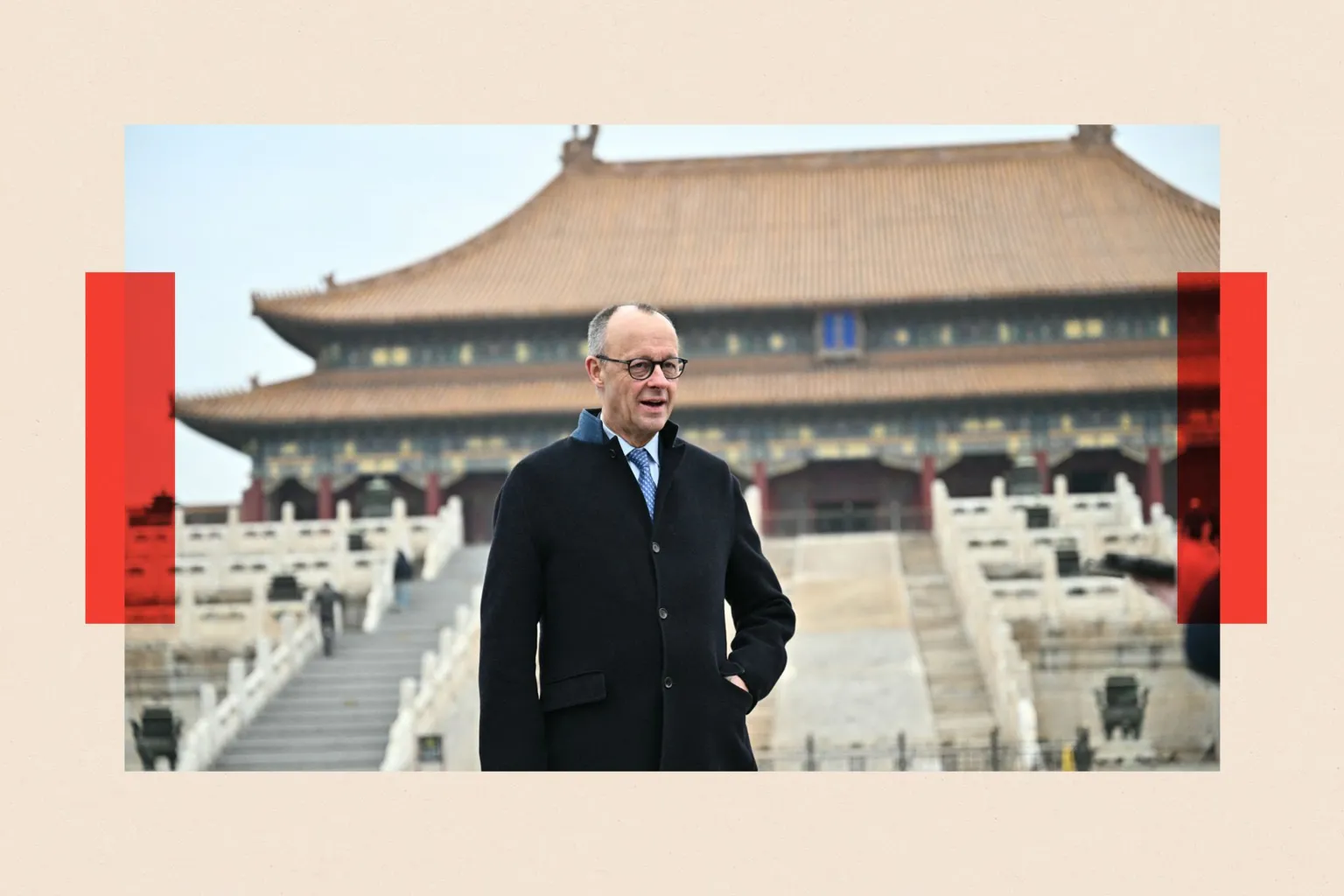
However, the current German government under Friedrich Merz is taking a different path, becoming the largest single donor of military aid to Ukraine.
Germany, like the rest of Europe, has relied on the US for security for decades. With the Trump administration urging Europe to assume greater responsibility for its defense, Germany plans to increase its defense budget by 2029 to exceed that of France and the UK combined, according to NATO.
Germany also aims to build the largest conventional army in Europe. Eighty years after World War Two, and firmly integrated into NATO and the EU, Germany's military initiatives are welcomed by other European powers.
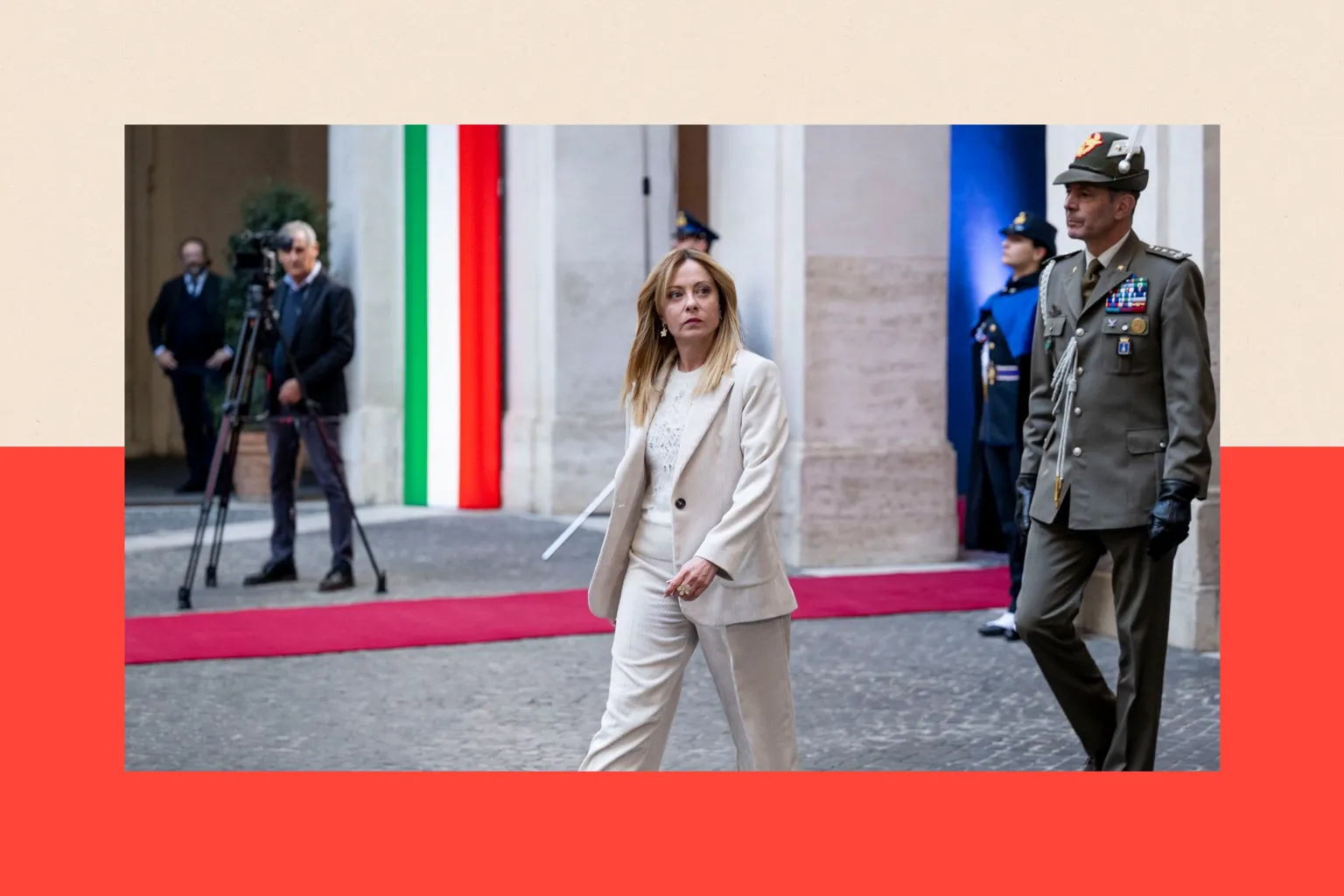
In contrast, Italy's Prime Minister Giorgia Meloni faces a challenging balance between public opinion and her government's international commitments. She has maintained a low profile regarding the US-Israeli attacks on Iran and is among the few European leaders with a warm relationship with Donald Trump.
Despite being the third-largest economy in mainland Europe, Italy has historically been among the lowest defense spenders. This is partly due to its history; Italy was only unified in 1861 and was previously a battleground exploited by foreign powers, fostering a general mistrust of the state among Italians.
Italy was unique in Western Europe at the onset of Russia's invasion of Ukraine, with a majority opposing arms shipments to Kyiv. While sympathizing with Ukraine, many Italians questioned their country's involvement, fearing economic repercussions and potential Russian retaliation.
Four years later, only 15% of Italians support continued arming of Ukraine until Russian forces are expelled, according to the Institute for the Study of International Politics.
This places Prime Minister Meloni in an uncomfortable position, as her strong defense commitments to international allies contrast with the majority public opinion. Most Italians also oppose her pledge to significantly increase defense spending.
Ad-Hoc Coalitions and European Cooperation
Understanding allies' domestic constraints is crucial as Europe enters a proclaimed era of closer cooperation.
The challenges of acting "as one," as seen in the Middle East crisis, have led to the formation of smaller, issue-specific coalitions. Examples include the UK-Norway Defence Pact to monitor Russian submarines in the North Atlantic and the Coalition of the Willing for Ukraine, led by the UK and France.
These alliances increasingly include like-minded countries outside Europe, such as Canada, South Korea, and Japan, which also participate in NATO military exercises.
Feeling pressured by a global environment where power dynamics dominate, the circle of nations cooperating with Europe is expanding. However, this also complicates understanding each member's motivations and the ability to collaborate effectively.
The first episode of "Europe on the Edge with Katya Adler" airs on 3 March on BBC2 at 9pm.
BBC InDepth is the website and app hub for in-depth analysis, fresh perspectives, and comprehensive reporting on major issues. Emma Barnett and John Simpson curate the most thought-provoking reads and analyses every Saturday.
for the newsletter here