
Initial Discovery and Family Response
Jean Hanlon's three sons (from left) Robert, Michael and David Porter refused to accept her death was an accident.
It began with a phone call from Interpol in 2009.
Officials contacted Jean Hanlon's parents to inform them that their 53-year-old daughter was missing in Crete.
Michael Porter, Jean's youngest son, received a call from his older brother Robert with the news:
"I was like, what do you mean she's missing?"
The lives of the three brothers from Dumfries were about to change in ways they could never have anticipated.
"I was automatically thinking the worst but didn't know what the worst was,"Michael said.
Jean Hanlon had been scheduled to babysit a child with learning disabilities in Crete, and when she failed to arrive, concerns arose.
"The one thing mum was very good at was being loyal. She always gave everybody everything and stuck to her word."Michael recalled.
Jean loved the sun and had "taken the plunge" to build a new life in Crete.

At the time, Michael was living in Mansfield, while his brothers Robert and David resided in Dumfries. The three immediately boarded a plane to Crete.
"I wouldn't say we're all emotional people but that was a powerful, emotional moment where we didn't say anything. We just kind of hugged, cried and it was the quietest plane journey ever because what could we say?"
The brothers were informed that a woman's body, estimated to be in her 30s, had been recovered from the water in Heraklion. Since their mother was in her early 50s, they were saddened for the other family but still held onto hope.
Nonetheless, they were taken to identify if the body was Jean. Michael recognized his mother's clothes in a pile and said they were instantly identifiable.
Robert and David, having hospital experience, tried to prepare Michael for what he was about to witness:
"As much as I appreciated that, if this was mum, this was going to be the last time I saw her."
Suspicious Injuries
Nothing could have prepared the brothers for what they saw:
"You couldn't possibly touch or hug her or anything and I think that was the hard part."
The brothers immediately became suspicious. Reports indicated their mother had been seen with a man at a nearby café in Heraklion the night she disappeared. They doubted the injuries she sustained, including a blow to the back of the head, were accidental.
The Greek authorities initially ruled her death accidental, but the brothers insisted on a second review of the post-mortem report. This took time, but within two years, it revealed injuries consistent with a struggle.
"It just infuriates me that if we hadn't kept fighting we would never have known about all those other injuries,"Michael said.
The brothers' campaign for justice had begun.
Jean and her three sons, just after the birth of Michael in Scotland.
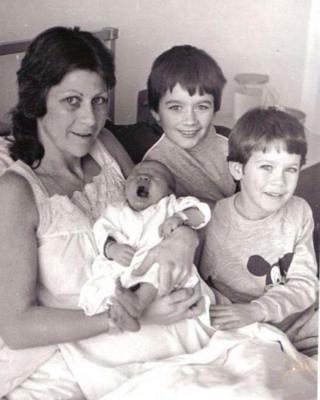
Jean had worked for the NHS in Scotland, but after her first holiday abroad to Crete at age 40, she was inspired to pursue a different path.
She worked in the travel industry for a period before relocating to Greece, where she worked in tavernas. Crete was "her place" — she loved the island and its people, which made her violent death there all the more shocking.
"It's the duty of the living to speak up for the dead,"Michael said, a phrase he has repeated in hundreds of media interviews since 2009.
In subsequent years, Greek authorities closed and reopened the case four times. Two men were falsely accused of involvement in Jean Hanlon's death.
The case was featured on the Greek equivalent of Crimewatch, but each time the investigation seemed to gain momentum, it stalled.
Years of Frustration
In 2019, Michael and Robert's daughter Rebecca returned to Crete to raise awareness of Jean's case. Several British and Greek journalists covered the trip, but it did not lead to a conclusive breakthrough.
Michael described the fight as relentless:
"You can't describe what it does to you…my motivation every day was to think of something new to keep it [his mum's story] fresh to get people's attention, to come up with another fundraising idea."
The turning point came late in 2023 when the brothers hired private investigator Haris Veramon, who worked alongside colleague Nikos Arkoulis.
Veramon approached the case with fresh eyes, focusing on Jean Hanlon's diary. In it, she mentioned a man she briefly dated at the start of 2009 but had ended the relationship.
The investigators concluded, based on the diary and other evidence, that the suspect was a "rejected stalker" who did not accept the breakup and wrongly believed Jean was involved with another man.
Jean Hanlon had settled in Crete because she loved the island and its people.
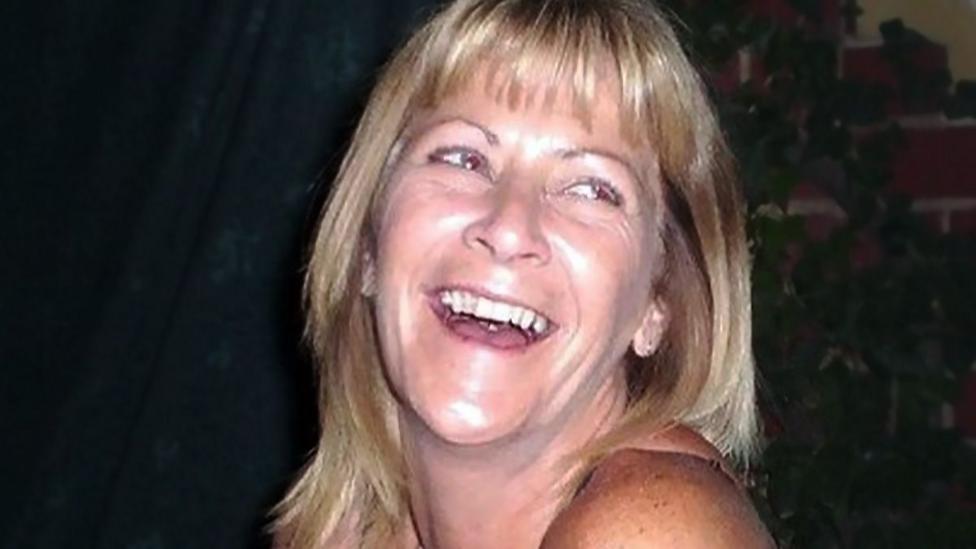
Veramon interviewed witnesses and reviewed old testimonies. A key question was who Jean was with at Café Marina the night she disappeared.
There was no CCTV or DNA evidence, but the private investigator's report concluded she had been with the suspect.
Veramon's report was sufficient to bring the case to court.
Seventeen years after identifying their mother's body, Michael, Robert, and David returned to Crete to face the man accused of murdering her.
All three testified at the trial's start. They believed their mother had politely ended the relationship, but the suspect continued to "bully her."
A significant moment on the trial's second day was testimony from the suspect's sister, who stated her brother had been diagnosed with mental health conditions and became aggressive if he did not take his medication. The prosecution argued he had not been medicated during his time with Jean Hanlon.
The suspect's testimony was inconsistent. At one point, he claimed their relationship lasted only four or five days, despite Jean's diary suggesting a longer duration.
Michael recalled his mother being happy and loved in the years before her death.
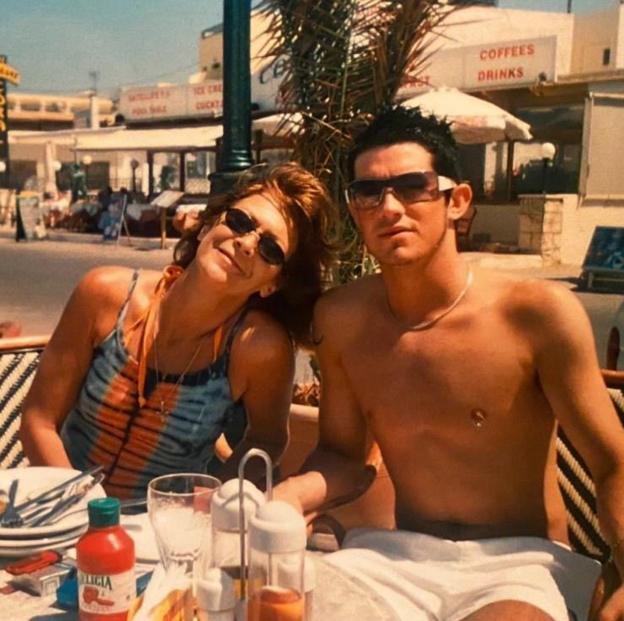
One of the most challenging testimonies for the brothers was from a forensic pathologist, who stated the likely cause of death was a blow to the back of the head and opined that Jean Hanlon was still alive when placed in the water.
Ultimately, a mixed jury of judges and public members took approximately three hours to unanimously convict the suspect of murdering Jean Hanlon, acknowledging his diminished responsibility due to mental illness.
Michael, Robert, and David were moved to tears, not for the first time during the trial. After 17 years, a man was finally convicted of their mother's murder.
The suspect was sentenced to 10 years in prison but will remain free until his appeal is heard.
Under Greek law, a convicted individual is usually not named until the legal process, including appeals, concludes.
Outside the court, the brothers spoke to journalists.
Michael expressed relief and happiness that their mother was finally free:
"We've all fought so hard for this day."
However, the brothers expressed concern that the convicted man had not been immediately imprisoned:
"It's disappointing that he's free until the appeal. Everybody has a right but that is sad and worrying for us,"Michael added.
'I'm Grateful Mum's Voice Was Heard'
Robert Porter, Jean's eldest son, said:
"I'm just grateful that a roomful of strangers just listened to my mum's voice and came to the right decision…ultimately it is a victory and I'm grateful mum's voice was heard."
David Porter, the middle son, stated:
"I'm very happy it's came to a near end although I'd rather the person was in prison."
The family's lawyer, Aspostolos Xiritakis, who has represented them since 2012, commented:
"This is the case I have worked longest on in my career. It's a great victory because the family now feel, after 17 years, that justice has been served.
We could say there is partly a bittersweet feeling because we have a conviction, but he was not kept in prison because it was recognised he has a mental health illness."
The brothers have come to expect the unexpected over the past 17 years. They have endured numerous challenges and understand that an appeal process remains.
For now, after years of pain, they have achieved some measure of justice for their mother.
That initial call set in motion a series of events culminating in a murder conviction in a Greek court more than 17 years later.


