

Belgian Court Rules Former Diplomat Should Stand Trial for Patrice Lumumba's Murder
A Brussels court has ruled that Étienne Davignon, a 93-year-old former Belgian diplomat, should face trial for alleged complicity in the 1961 assassination of Patrice Lumumba, the first prime minister of the newly independent Congolese state.
Davignon is the only surviving individual among ten Belgians accused by the Lumumba family of involvement in the killing. He faces charges of participation in war crimes.
The ruling, which can be appealed, follows a judicial review. Davignon, who previously served as vice-president of the European Commission, has denied all charges.
The Lumumba family welcomed the decision, describing it as a significant milestone. In a statement, they said,
“For our family, this is not the end of a long fight, it is the beginning of a reckoning that history has long demanded.”
Yema Lumumba, granddaughter of the assassinated leader, addressed reporters, stating,
“The fact that all this time has passed does not mean it is done and we will never get to know the truth. It is also very important for the legal Belgian system to start confronting its own responsibilities regarding what happened during colonial times.”
The decision was also praised by the Lumumba family’s legal representatives as establishing a historic precedent in criminal justice concerning crimes allegedly committed under European colonial rule.
If the trial proceeds, Davignon would become the first Belgian official to face justice for the assassination of Lumumba, which occurred 65 years ago. The court extended the scope of the trial beyond the prosecutor’s initial decision to include Lumumba’s associates, Maurice Mpolo and Joseph Okito, who were murdered alongside him.
Davignon is accused on three counts of war crimes, according to information from the Brussels court of first instance:
- The illegal transfer of Lumumba and his associates from Léopoldville (now Kinshasa) to Katanga.
- The “humiliating and degrading treatment” of the men.
- Depriving them of a fair trial.
“This is a historic decision,”said Christophe Marchand, a lawyer representing the family.
“This decision confirms that the passage of time cannot erase the legal responsibility for the gravest crimes.”
Patrice Lumumba, aged 35 at the time, was tortured and executed by firing squad in January 1961 alongside Joseph Okito and Maurice Mpolo, two other prominent politicians. The murders were carried out by separatists in the Katanga region with support from Belgian mercenaries.

Davignon had arrived in the then Belgian Congo as a 28-year-old diplomatic intern shortly before independence in 1960.
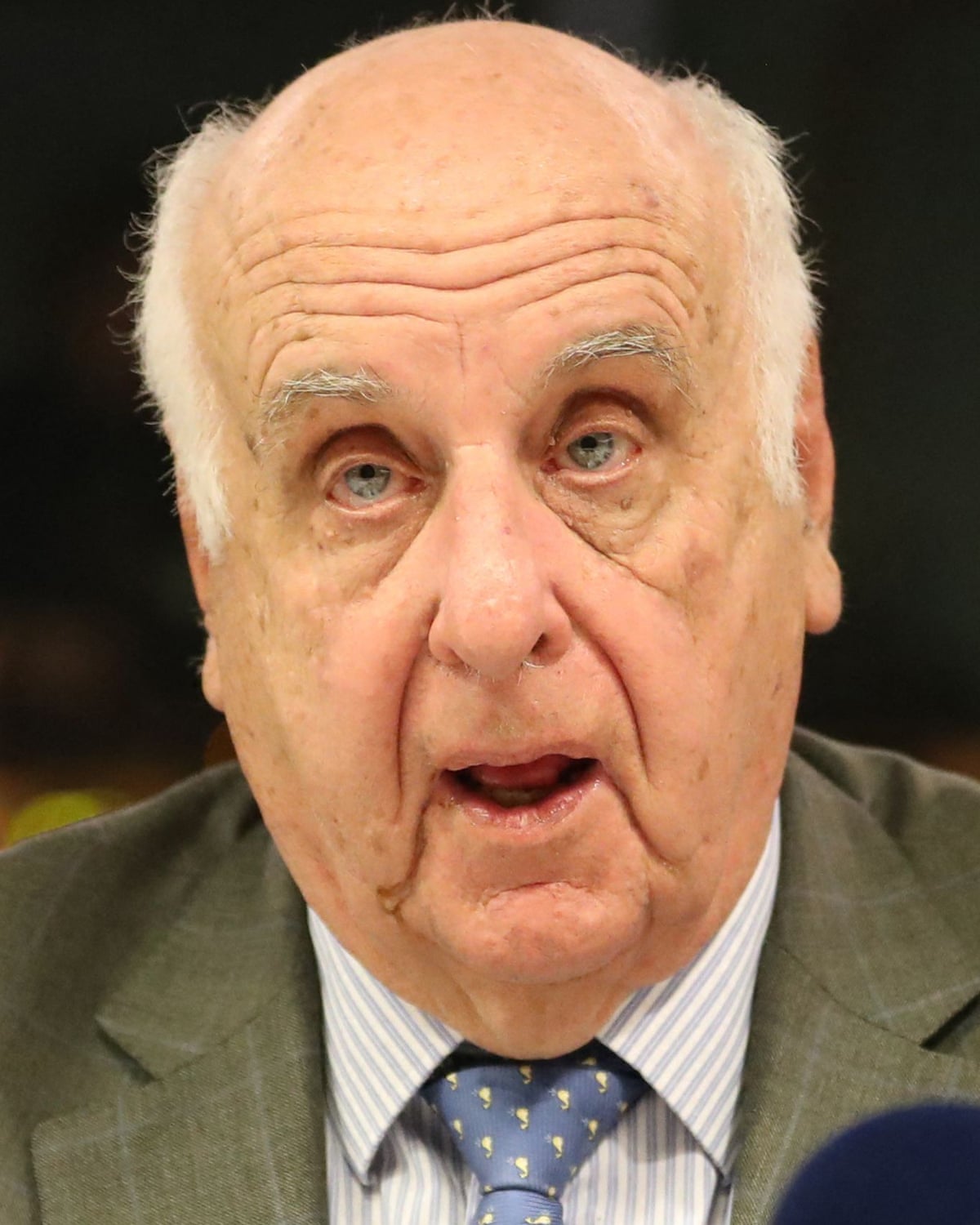
Davignon, who later held numerous senior political and business positions, did not attend the hearing at the Palais de Justice in Brussels.
Johan Verbist, Davignon’s lawyer, told that it was premature to comment on the ruling but that he would now analyze options for an appeal.
Verbist rejected the war crimes allegations during a closed hearing in January and argued that the case was time-barred, according to Belgian media sources.
A 2001 parliamentary inquiry concluded that Belgian authorities bore responsibility for the events leading to Lumumba’s brutal death. In 2022, it was revealed that one of the Belgians involved in the killing had kept a tooth of Lumumba as a macabre souvenir.
Belgium’s then prime minister, Alexander De Croo, reiterated the country’s “moral responsibility” for Lumumba’s murder during a ceremony marking the return of the tooth.
“Belgian ministers, diplomats, officials and officers had perhaps no intention to have Patrice Lumumba assassinated,”De Croo said.
“No evidence has been found to support this. But they should have realised that his transfer to Katanga put his life in danger. They should have warned, they should have refused any assistance in transferring Patrice Lumumba to the place where he would be executed. Instead they chose not to see … not to act.”
Lawyers for the Lumumba family believe that if no successful appeal is filed, the trial could commence in January 2027.
While there have been other investigations and inquiries, experts supporting the Lumumba family assert this will be the first criminal trial against a state actor for a political murder related to colonial history.
Speaking to in 2025, Christophe Marchand noted the rarity of such cases among former colonial powers, stating,
“There are very few cases where a former colonial state accepts to address the colonial crimes and to consider that they have to be tried in that same colonial state, even if it’s a very long time after.”


