

Climber Found Guilty of Manslaughter After Girlfriend's Death
An Austrian climber has been found guilty of gross negligent manslaughter following the death of his girlfriend due to hypothermia on Austria's highest mountain in January 2025.
The man, identified only as Thomas P in accordance with Austrian privacy laws, received a five-month suspended sentence and was fined €9,600 (£8,400).
His girlfriend, Kerstin G, died during a climbing expedition on the Grossglockner mountain, Austria's tallest peak.
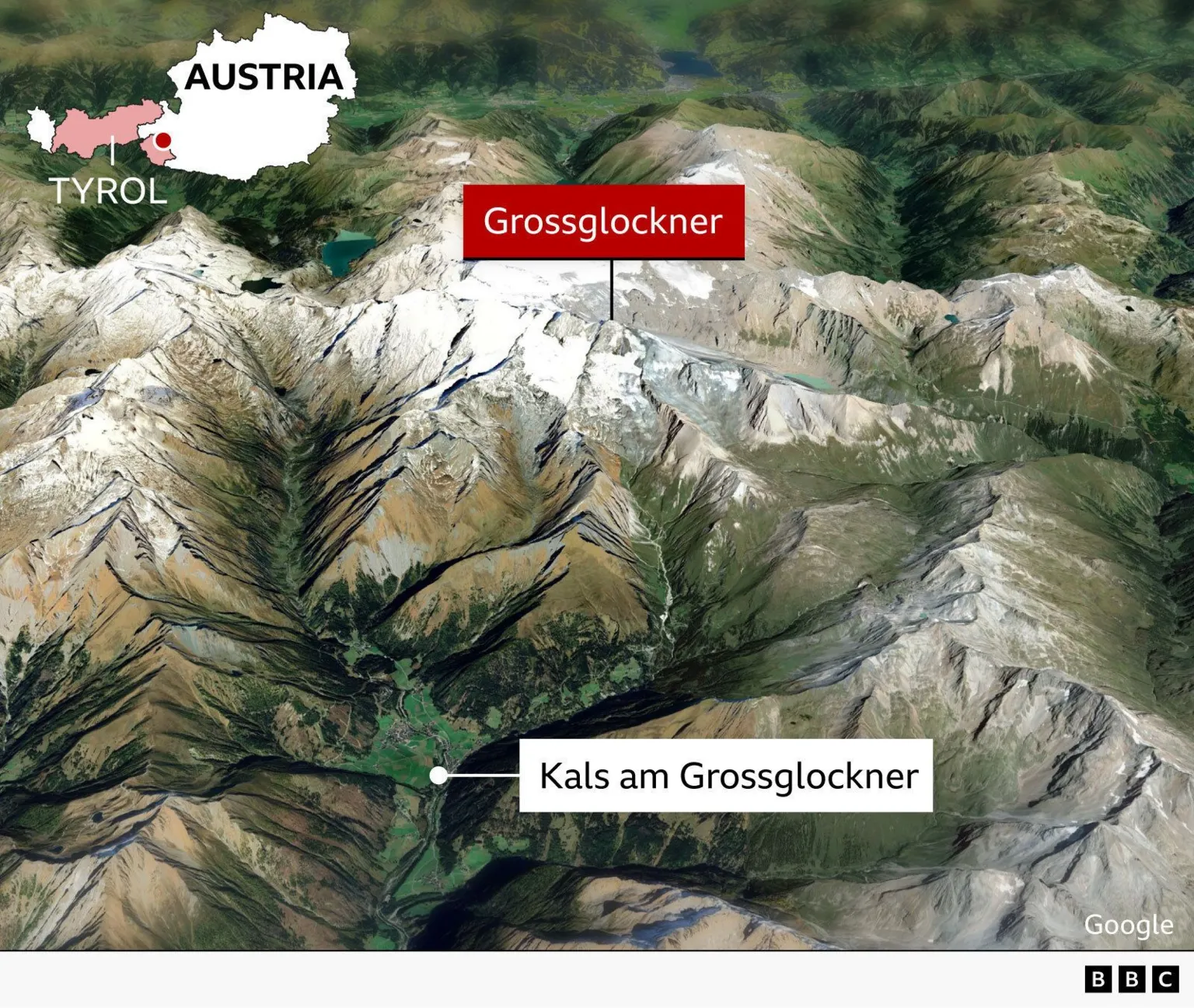
Court Statement and Mitigating Factors
In a statement provided to the BBC, the court noted that Thomas P's previously clean record and the personal loss he suffered were considered mitigating factors in the case.
The court also acknowledged the impact of social media discussions, which were described as incriminating for the defendant.
Judge's Observations on Climbing Experience
Judge Norbert Hofer, an experienced climber involved in mountain and helicopter rescue operations in Tyrol, commented on the disparity in climbing skills between the couple.
Thomas P was an excellent Alpinist, but his girlfriend was light-years behind him in terms of her climbing abilities.
The judge stated that the couple should have aborted the climb because Kerstin G lacked sufficient experience for winter climbing conditions.
Testimony from Former Girlfriend
The court heard testimony from Andrea B, a former girlfriend of Thomas P, who recounted a previous incident on the Grossglockner in 2023.
She described how he had left her alone during the climb when she was feeling dizzy and her headlamp failed. She was crying and screaming when he suddenly disappeared, walking ahead and leaving her behind.
Details of the Rescue and Condition of Victim
According to Austrian media reports, the mountain rescue team discovered Kerstin's body hanging upside down from a rock face.
One rescuer testified that she was wearing her rucksack with her head tilted back, eyes wide open, no gloves, and her boots were open.
We were amazed that she remained in that position. If the wind had been any stronger, she would have fallen over the south face.
Weather Conditions and Prosecution Arguments
The prosecution described severe weather conditions at the time, with winds reaching up to 74 km/h (45 mph) and temperatures of -8°C, with wind chill down to -20°C.
They argued that as the more experienced climber, Thomas P was responsible for guiding the tour and failed to turn back or seek help in a timely manner to assist his girlfriend.

Thomas P should never have allowed himself to get into this situation.
Defendant's Plea and Defense
Thomas P pleaded not guilty but expressed deep remorse, stating he loved his girlfriend, who was very athletic, and that the trip was planned together.
His lawyer, Kurt Jelinik, described the situation as difficult and stressful and asserted that Kerstin was not inexperienced and understood the risks involved.
Timeline and Communication with Authorities
Prosecutors stated the couple became stranded on the mountain and that Thomas P failed to call the police or send distress signals when a police helicopter passed overhead around 22:30.
Video footage from the helicopter showed the couple still climbing at that time.
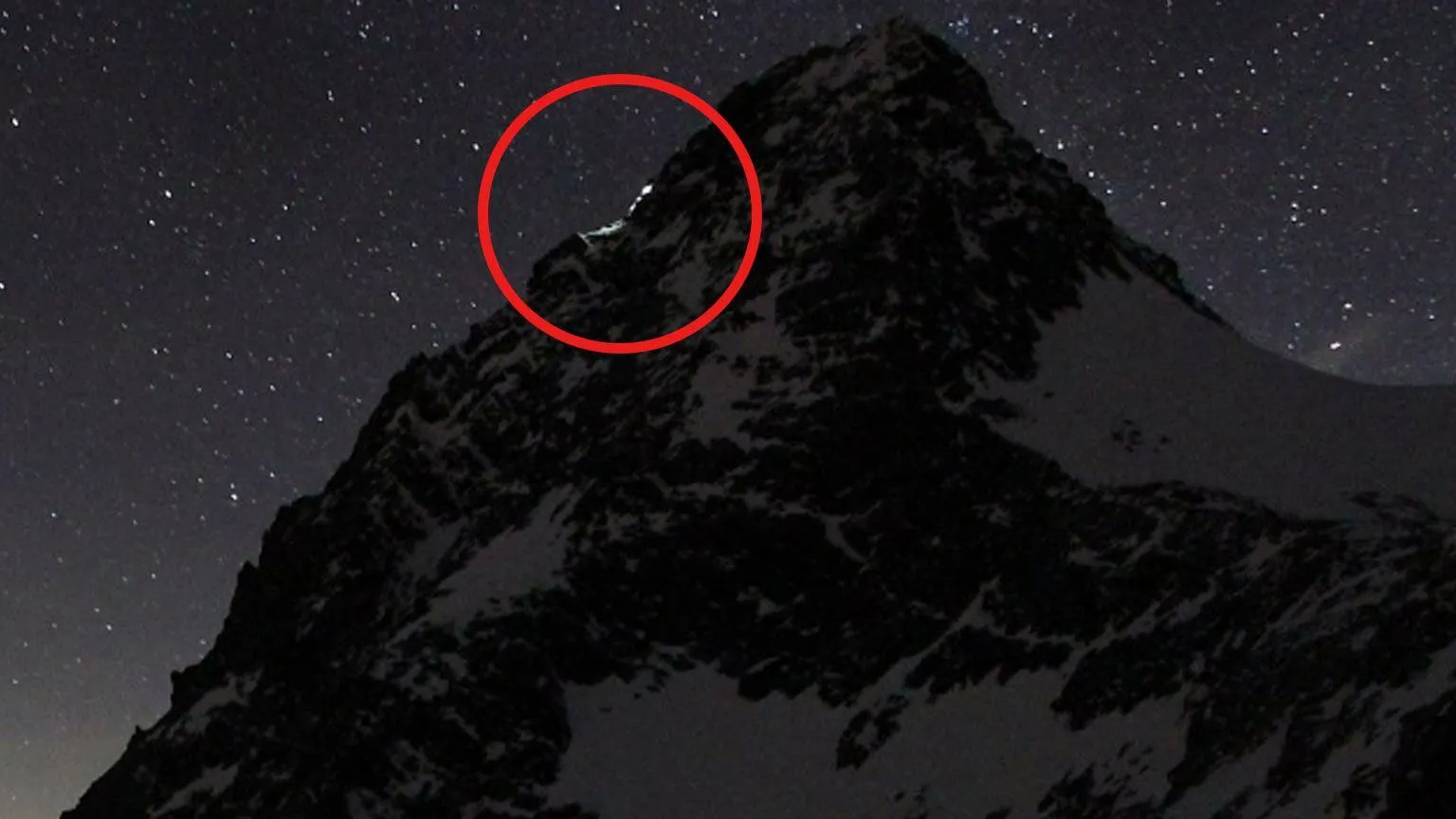
The judge noted the absence of distress signals during this period.
The defense argued that at that point, both climbers felt well and did not call for help as they were near the summit.
However, the defense stated the situation deteriorated when Kerstin became exhausted close to the summit and asked Thomas P to seek help.
At 00:35 on 19 January, Thomas P contacted mountain police. The content of this call is disputed; rescuers said it was not an emergency call, while the defense denies Thomas P indicated everything was fine.
Thomas P reached the summit and descended on the opposite side, leaving Kerstin behind. Prosecutors claim he left her at 02:00 am.
Webcam images captured his torchlit figure descending from the summit.
Public Reaction and Broader Implications
The trial attracted significant attention and debate both within Austria and internationally among mountain climbing communities.
It raised important questions about the boundaries between personal judgment, risk-taking, and criminal responsibility in mountaineering.


