

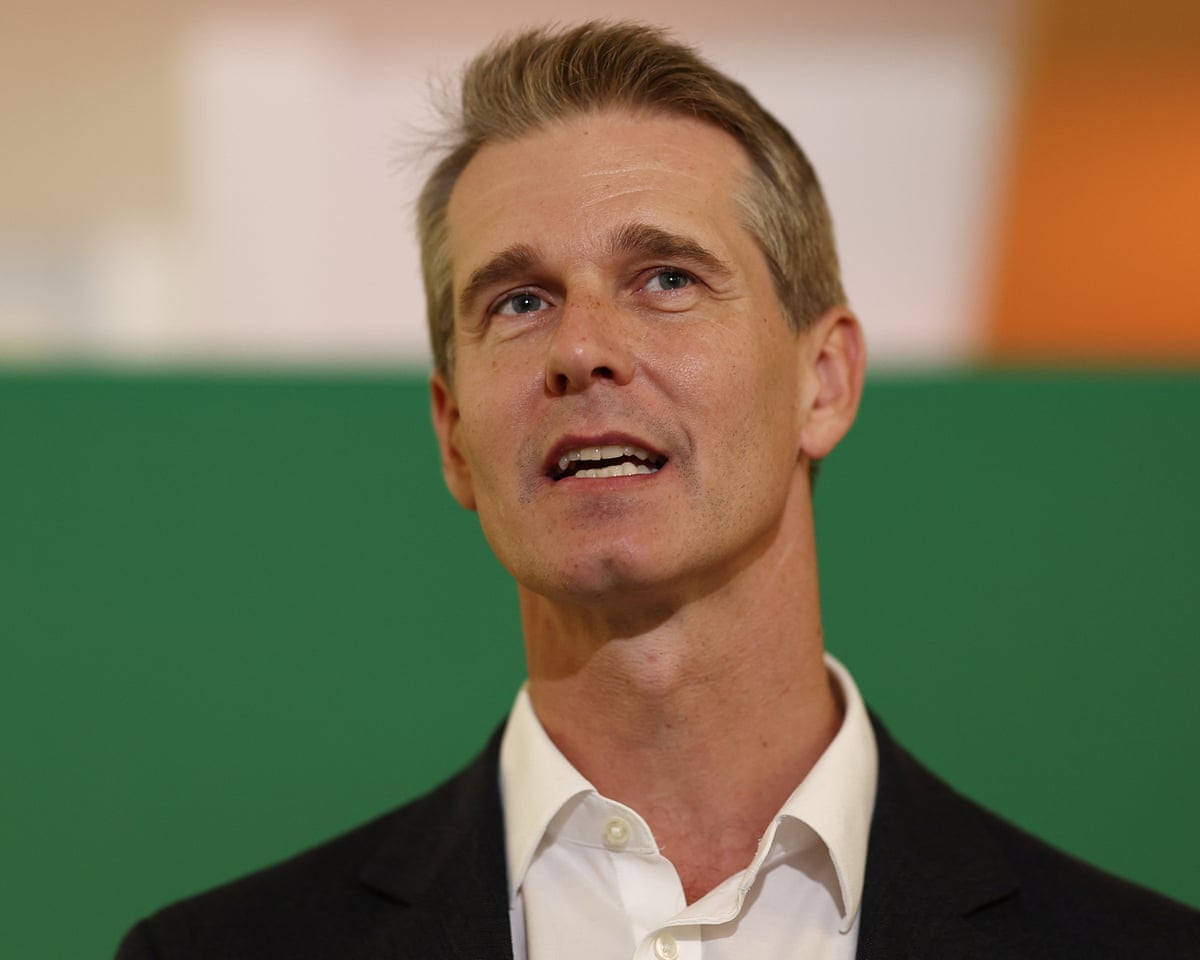
Shorten labels rising anti-immigrant rhetoric a form of ‘political dementia’
Bill Shorten has expressed concern over what he describes as a “creeping cultural dementia” within Australian political discourse amid ongoing debates about multiculturalism and monoculturalism.
Speaking to RN, the former Labor leader stated:
“I do detect – I’ve read this expression somewhere, but I’ll apply it here – a sort of creeping cultural dementia across Australian political discourse, where we’re forgetting some of the basic memory of what makes this country such a special place … Saying that we should go to zero immigration, it forgets how we got here.
Like again, to be really straight talking, I could understand why perhaps some Aboriginal Australians might say, well, immigration hasn’t been a success. But you know what? The other 97% of us, we all came from somewhere else.
We’ve got to stop this sort of rush to extremism, which extinguishes sort of the country’s history, which is a successful story of bringing things in. …
When I see people proposing very simplistic solutions and trying to put everything to a binary … that intolerance I think is a form of political dementia where we’re just shutting down our ability to think.”
Alcoa to set up gallium plant in Western Australia
Alcoa Corporation announced on Tuesday that it has made a final investment decision to establish a gallium production plant at its Wagerup alumina refinery in Western Australia. This initiative is supported by the Australian, Japanese, and U.S. governments, alongside industry partners.
The U.S. and Australian governments had previously declared in October their support for Alcoa’s expansion plans in the region, following a joint development agreement signed with a venture involving the Japanese government and Sojitz Corporation.
According to , the aluminium producer intends to construct and operate the plant, which could supply up to 10% of the global gallium market.
“This final investment decision reflects a shared commitment by governments and industry to strengthen critical mineral supply chains among the partners,” said Alcoa president and CEO William F. Oplinger.
Construction is expected to commence after final site preparations are completed.
Gallium is a critical mineral used in alumina production and is essential for the technology sector, particularly in semiconductor and defense industries.
Earlier this month, Alcoa agreed to acquire the majority of South32’s aluminium portfolio for an implied enterprise value of up to $5.6 billion, enhancing its access to upstream assets including bauxite, alumina, and aluminium across Brazil, South Africa, and Western Australia.
Coalition and One Nation’s plan to ditch net zero would not lower power prices, CSIRO report finds
Claims by the Coalition and One Nation that abandoning Australia’s net zero climate target would reduce power prices are contradicted by a new report from the CSIRO on electricity generation costs.
The CSIRO’s annual GenCost report indicates that generation costs are likely to increase after 2030 regardless of the country’s net zero policy, though prices are expected to stabilize below recent spikes.
The report also concludes that electricity generated from nuclear plants, which are promoted by the Coalition and One Nation, would be the most expensive option among current technologies.
Taylor takes harsher tone towards One Nation
Opposition leader Angus Taylor has recently adopted a more confrontational stance towards One Nation, contrasting with his previous reluctance to openly criticize Pauline Hanson and her right-wing populist agenda.
Previously, Taylor’s reticence stood in sharp contrast to colleagues like Andrew Hastie, who has declared political opposition to One Nation.
In a major speech last week, Taylor warned that a continued alliance with One Nation would bring an “eternity of pain” to Australia.
On 2GB radio Tuesday morning, Taylor stated he made these criticisms with a “heavy heart,” indicating sensitivity to alienating conservative voters who have shifted support to One Nation.
Taylor rules out power-sharing deal with One Nation
In a recent interview on ABC’s 7.30 program, Angus Taylor explicitly ruled out any power-sharing arrangement with One Nation following the next federal election.
When pressed by host Sarah Ferguson for an unequivocal guarantee, Taylor responded:
“We’ve got absolutely no plan for a deal with One Nation to form government. We want to form government in our own right, in our coalition, the Liberal and National Party coalition, on the back of a strong plan and a strong team.”
“I’m ruling it out, there is no plan.”>
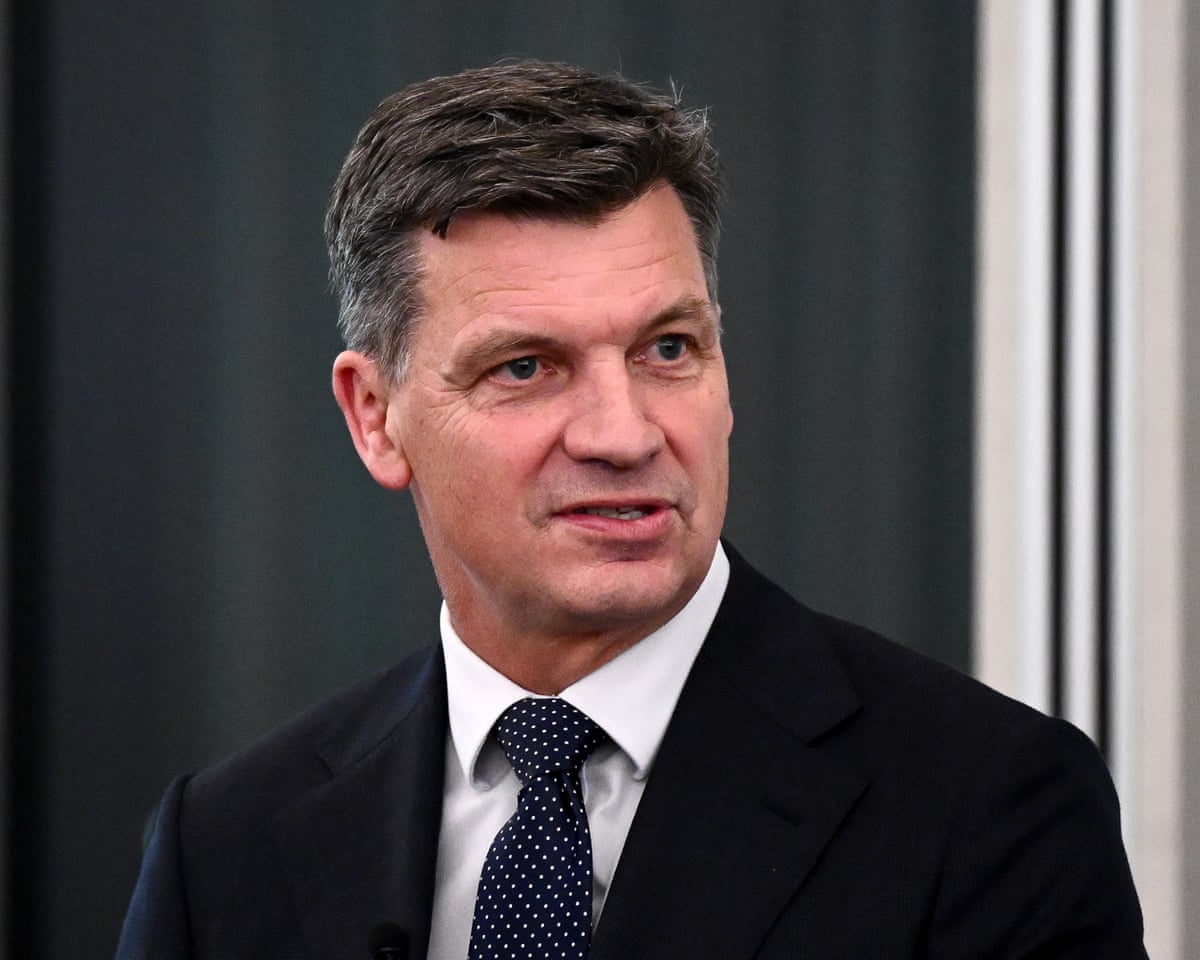
Man found dead in car after shooting in north-western Sydney
NSW police reported that a man was fatally shot in a public location in Sydney early Tuesday morning.
Emergency services were called to Carlingford, in Sydney’s north-west, around 7am. Upon arrival, officers found a man in his 30s with severe injuries inside a vehicle.
The man could not be revived and was pronounced dead at the scene. His identity has not been released.
Police have established a crime scene and closed the area to the public as investigations continue.

University vice-chancellors to be grilled at royal commission on antisemitism
University vice-chancellors are scheduled to appear before the royal commission on antisemitism, with representatives from Australia’s highest-ranked institution set to be the first to provide evidence, according to AAP.
The University of Melbourne’s interim vice-chancellor, Glyn Davis, will attend the royal commission’s public hearing on Wednesday.
Davis’s appearance follows testimony given by Jewish academic Steven Prawer, whose campus office was broken into and occupied by protesters in 2024.
A statement from the University of Melbourne reads:
“We reaffirm our commitment to a safe, inclusive and supportive environment for all and acknowledge the important work of the Royal Commission.”
“As a diverse university community, we must come together and stand united in our continued efforts to eradicate hate and discrimination in all forms.”
Shorten shocked by testimony given to royal commission on antisemitism
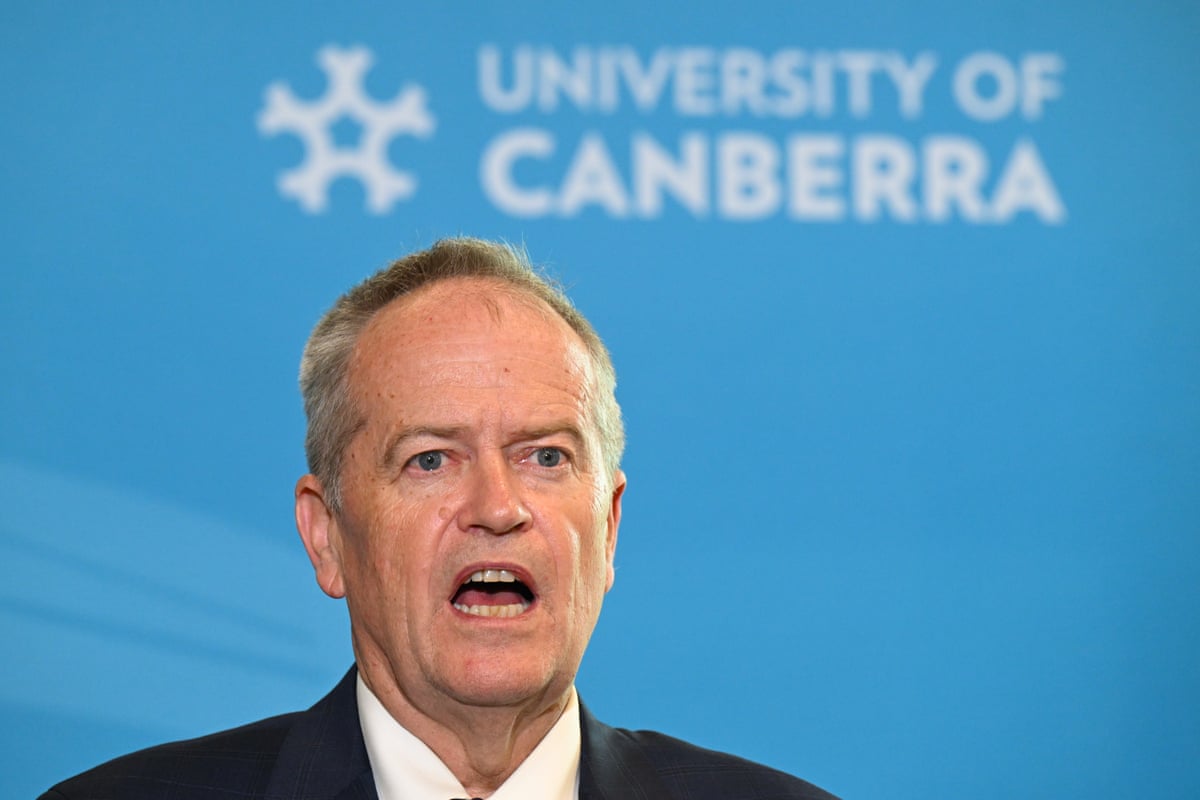
Bill Shorten, former Labor leader and current vice-chancellor of the University of Canberra, expressed shock at the evidence presented by the university sector during the latest royal commission hearings on antisemitism.
Speaking on RN Breakfast, Shorten said:
“It describes an Australia … and Australian universities that I don’t recognise. But the fact is that these voices who are speaking up through the vehicle of the royal commission are revealing things, which mean that there’s no excuse to ignore them.”
Shorten acknowledged the legitimacy of protest but condemned actions that cross the line:
“Once people are putting coverings over their faces so they can’t be identified, once they’re going to people’s individual offices, they’ve crossed a line. This is not a protest any more. It’s just bullying. It’s thuggery. It’s cowardice. It’s intimidation. And I don’t really care how righteous you think your cause is. You’ve got no right in this country to make someone else’s life so scary, so miserable, so fearful, just because you happen to have a view.”
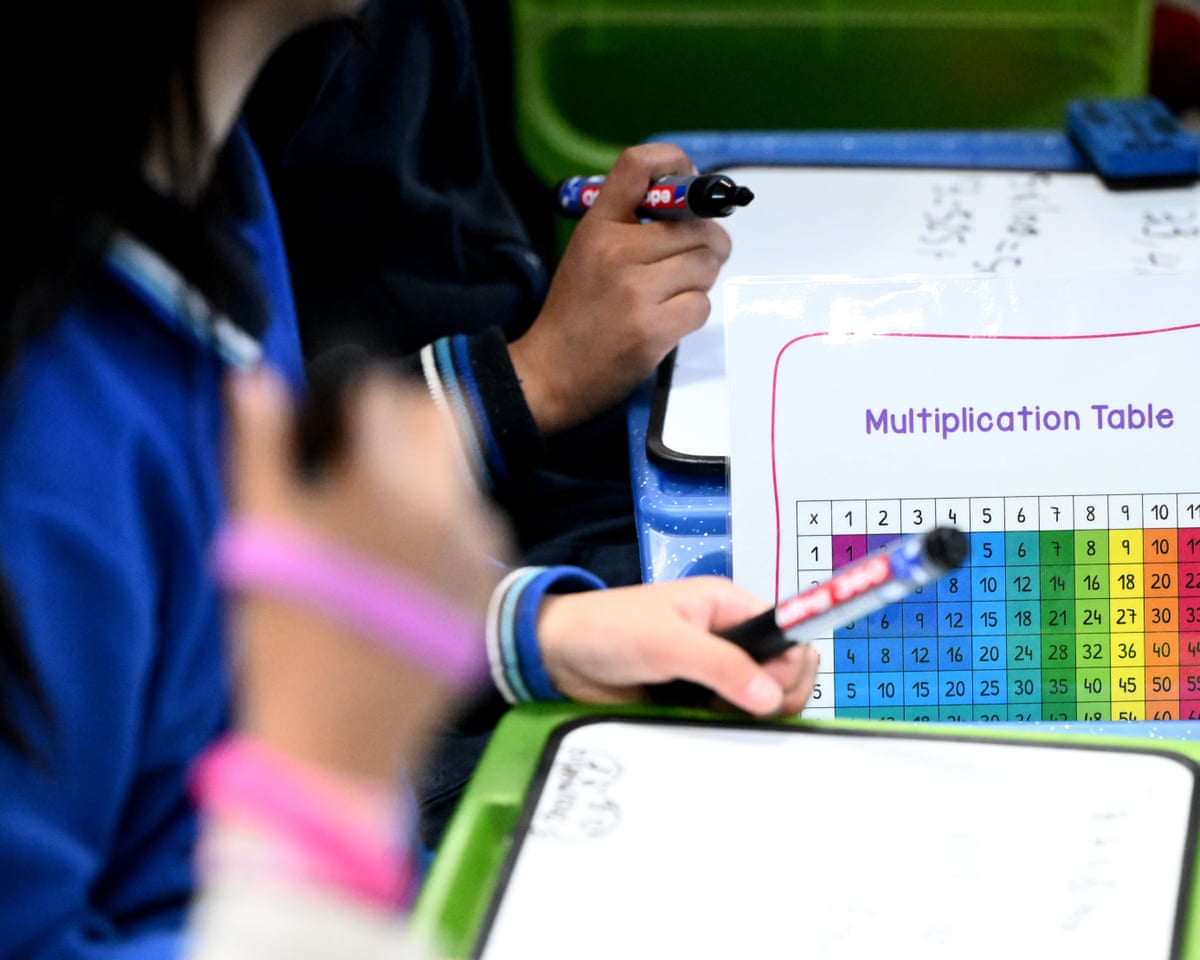
Victorian government urges teachers’ union to return to negotiations
The Victorian state government has urged the Australian Education Union (AEU) to resume negotiations to avoid disruptions affecting families across the state, according to AAP.
A government spokesperson stated:
“This deal, which was endorsed by the AEU leadership, would have made Victorian teachers the best paid in the country together with the best conditions.”
“We will always back our hard-working teachers, school leaders and education support staff.”
Teachers previously staged strikes in March, with tens of thousands participating in Melbourne, many wearing AEU red.
Approximately 35,000 people marched to the steps of state parliament during those strikes, the first of their kind in over 13 years.

Victorian teachers to walk out today over pay dispute
Hundreds of government schools across Victoria will be impacted by a new round of teacher strikes amid an ongoing pay dispute, Australian Associated Press reports.
Following a vote by the AEU’s state branch, public school staff will walk off the job today and refuse to work unpaid overtime unless a last-minute agreement is reached with the state government.
This follows the union’s rejection in June of the Labor government’s offer of a 28% pay increase over four years.
AEU branch president Justin Mullaly cited untenable workloads and uncompetitive pay as reasons for the strike:
“In this underfunded system, teachers, principals, and education support staff are working an average of 12 hours unpaid overtime every week.”
“The government must stop relying on the goodwill of school employees as a core part of their funding model for schools.”
Central office for AI policy a ‘world first’, assistant technology minister says
Andrew Charlton, assistant minister for science, technology and the digital economy, spoke this morning about the federal government’s announcement of a new office dedicated to artificial intelligence (AI). This office will expedite approvals for data centres and establish a central framework for AI technology.
Charlton described the initiative as a “world first” and emphasized the government’s methodical approach to AI expansion.
“We need to make sure that Australia shapes the future of how this technology is deployed. And there are many different levels of government that are involved in the way that large AI datacentres are deployed. There are many different departments within government that have equities in this space. So the prime minister is bringing national leadership to the issue. He is well placed to bring together the states and territories, bring together different parts of government, and make sure that we have a consistent national framework.”
Regarding copyright for creative works, Charlton stated that the government’s position remains unchanged, supporting creators’ rights.
“We have ruled out a text and data mining exemption and we have said that where Australian copyrighted material is used, it must be used with consent and with compensation for the creatives and copyright holders who made it.”
Union demands government bring ATO’s outsourced phone calls in-house
The Community and Public Sector Union (CPSU) has raised concerns that Australians’ calls to the Australian Taxation Office (ATO) are being handled by lower-paid workers at outsourced call centres.
The ATO is expected to face a Fair Work Commission case in the coming month, with a call centre worker alleging that outsourced colleagues are underpaid.
The CPSU has submitted reply arguments supporting the case, stating that outsourced workers perform the same duties as ATO employees, using identical systems, equipment, policies, and procedures, and therefore should receive equivalent pay and employment conditions.
The union criticized labour hire companies for claiming to provide specialized services and cost savings, describing call answering as “core ATO work” that should be reintegrated into the public service.
Melissa Donnelly, CPSU national secretary, urged the Albanese government to direct the ATO to bring call centre operations back in-house, stating:
“These outsourced call centre workers are doing the same job as their ATO counterparts, but with worse pay and conditions. …
Right now, millions of Australians are doing their taxes. They need to know they are talking to fully trained and trusted public sector employees – not outsourced workers being underpaid by profit-driven firms.”

Husic warns Labor over Gaza policy
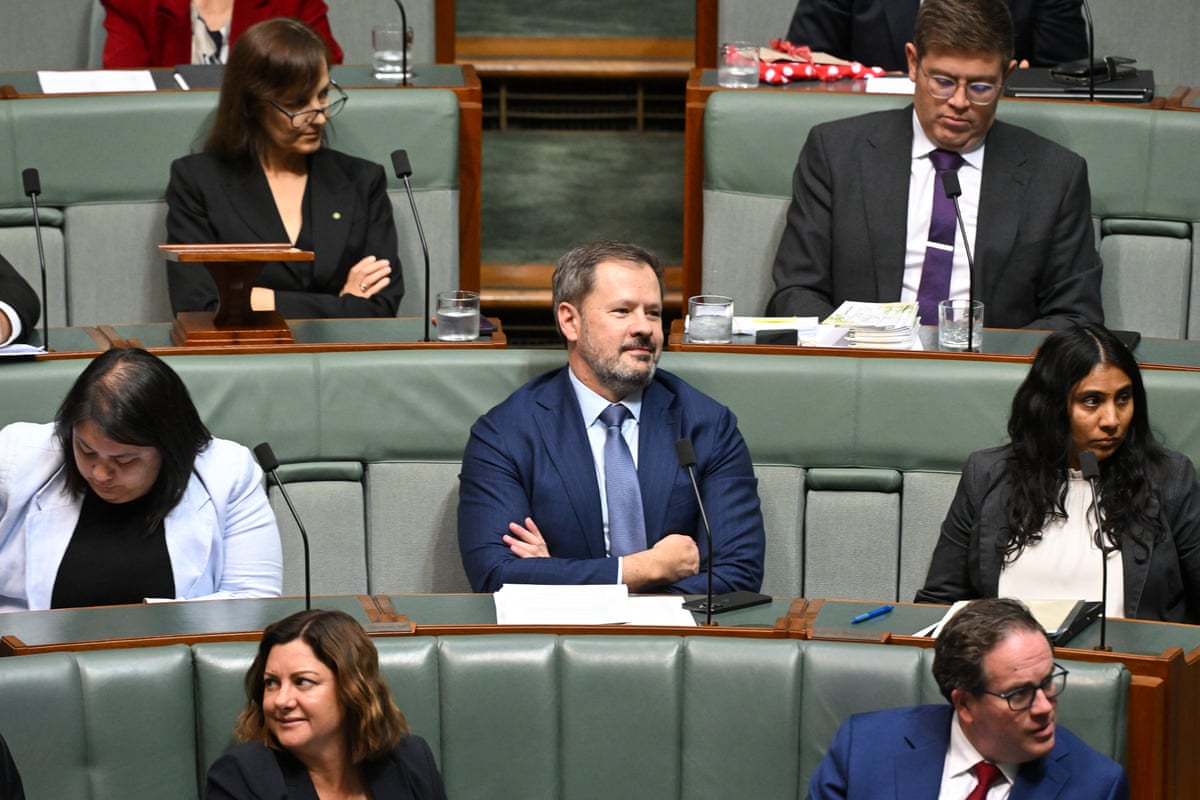
Former cabinet minister Ed Husic has cautioned that the Labor party risks losing voter support similarly to the US Democrats if it continues to respond to questions about Palestinian rights with “fear and loathing.”
The western Sydney MP, noted as the most outspoken Labor member on the Gaza conflict, also advocates for a dedicated federal police team to monitor dual Australian-Israeli citizens traveling to the Middle East to fight for the Israel Defense Forces, according to Australian Associated Press.
Speaking at a Labor Friends of Palestine event over the weekend, Husic said:
“What I am deeply concerned about is there are elements of fear and loathing that drive the way we respond to these issues.”
“Fear to have your own view, and loathing if you do.”
First reported by Labor Tribune, which describes itself as a voice for the “Marxist left” in the labor movement, Husic’s remarks were made on the sidelines of the NSW Labor conference in Sydney.
His comments suggest a potential debate over Palestinian rights at Labor’s national conference in July.
While some party factions are eager to address the issue at the party’s key policymaking forum, multiple Labor sources told AAP that the debate is expected to be tightly managed and relatively subdued.
Husic recalled that the Labor party he grew up in engaged in similar debates and went on to win multiple elections.
He warned that suppressing what he described as “legitimate debate” on Palestinian rights in Gaza and the West Bank could lead to loss of support:
“That cannot be the way that we continue. Otherwise, we will see what happened to the US Democrats happen with us as our members and supporters drift off, and we cannot have that.”
Top 100 CEOs paid a median $4.8m in 2025, analysis shows
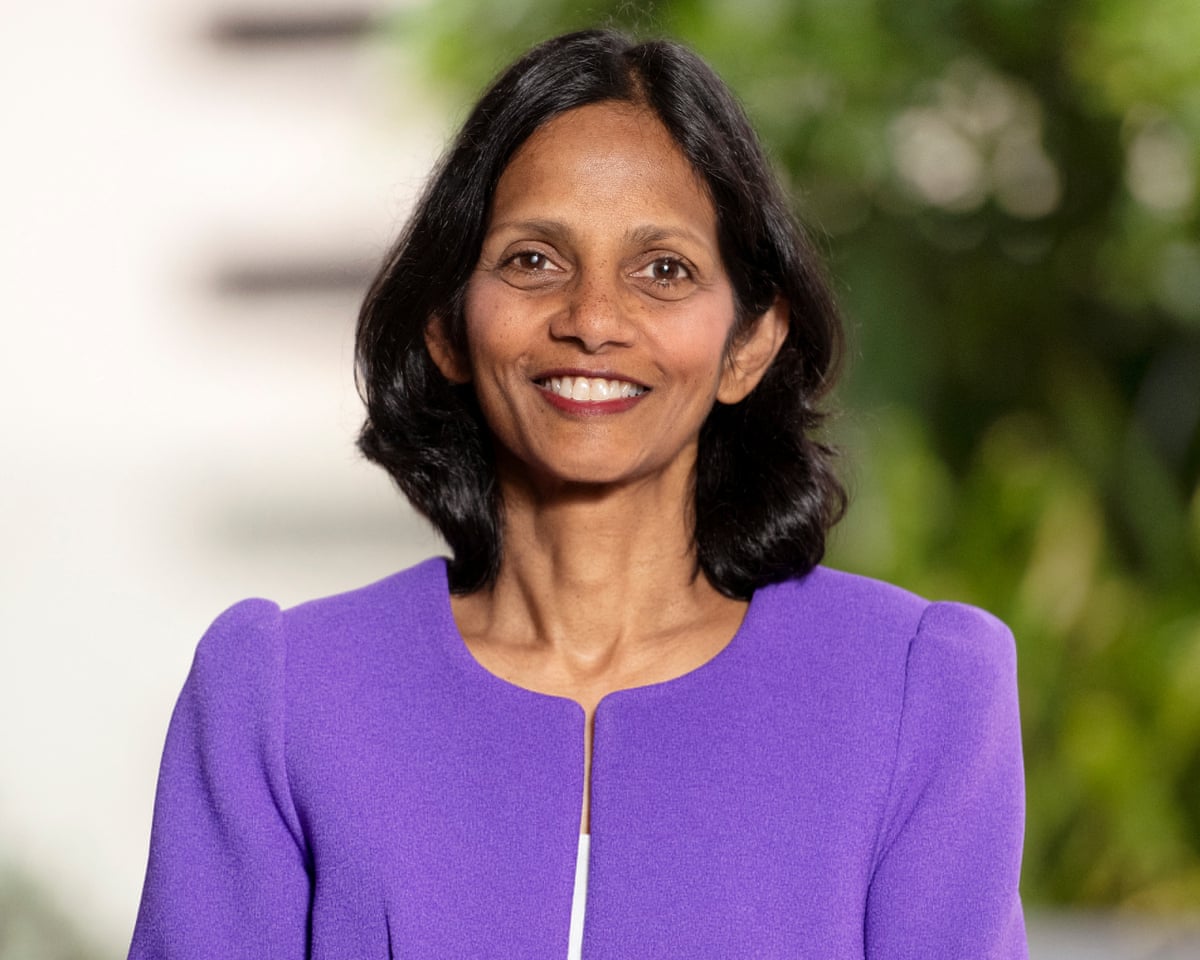
According to a report by the Australian Council of Superannuation Investors (ACSI), chief executives of Australia’s 100 largest companies earned a median realised pay of $4.8 million in the 2025 financial year, marking a 16% increase from 2024.
ACSI’s calculations include reported pay, bonuses, vested shares, and other compensation.
Among the top 100 ASX companies, the $4.8 million median is the highest recorded in the 12 years of ACSI’s analysis. Two Australian-based CEOs earned over $30 million: Macquarie’s Shemara Wikramanayake and Goodman’s Greg Goodman, whereas none reached this threshold in 2024. Incumbent CEOs generally saw higher pay increases, with an average of $6 million.
ACSI noted that the pay gap between top CEOs and average workers remained consistent with 2024, with chief executives earning 55 times the average Australian adult’s weekly full-time earnings as of May 2025. Since then, average earnings have slowed, potentially widening the gap.
Additional news highlights
Life360’s founder Chris Hulls was the highest-paid CEO of an Australian-listed company in the 2025 financial year, earning $47.7 million in realised pay, approximately 437 times the average Australian full-time adult worker’s salary.
Other top earners included ResMed’s Mick Farrell with $35.1 million and News Corp’s Robert Thomson with $33.5 million.
Among the 200 largest ASX-listed companies, Temple & Webster’s Mark Coulter had the lowest realised pay at $506,000.
ACSI’s Louise Davidson commented that Australian investors have been effective in controlling executive pay, with fixed pay for the top 100 companies rising 4% to a median of $1.83 million, still below 2012 levels. Bonuses make up the difference, with the median ASX100 CEO receiving 70.7% of their maximum bonus. Only five CEOs missed out on bonuses, and nine received termination payments averaging $2.2 million each.
Good morning, Nick Visser here to take over the blog. Let’s proceed.
More details on the Australian Council of Superannuation Investors’ CEO pay report reveal that Life360’s founder Chris Hulls was the highest-paid chief executive of an Australian-listed company in the 2025 financial year.
Hulls earned $47.7 million in realised pay, which was about 437 times more than the average Australian full-time adult worker.
Other top earners were also heads of ASX-listed companies headquartered overseas: ResMed’s Mick Farrell took home $35.1 million ...


