

Australians are ‘aggrieved’ with Liberal party and 'looking for a change', Hume says
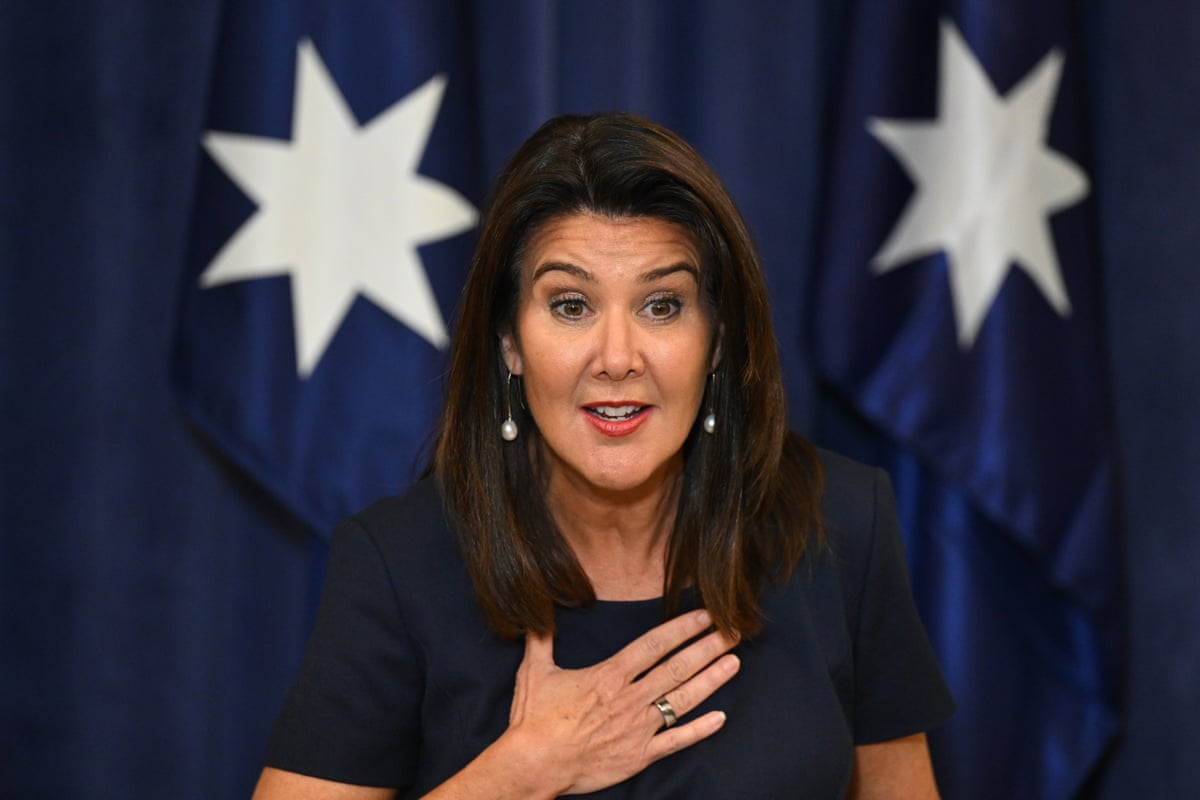
The Liberal Party’s deputy leader, Jane Hume, stated that the recent South Australian election results have conveyed a clear message to her party: the public is seeking change.
The state election over the weekend saw One Nation convert some of its polling support into seats in both the upper and lower houses. Within the Liberals, some have described the polling indicating One Nation ahead of the Coalition as a form of protest or a "middle finger" vote.
Speaking to earlier, Hume emphasized that her party will not respond to pressures from either the left or right factions of other parties.
She asserted that the Coalition must develop a stronger policy platform to regain voter support in the next election.
"I think the biggest message for the federal Coalition is that Australia is looking for change. They are rightly aggrieved right now.
They are looking for solutions to their high energy bills, to an out of control immigration policy where they want sensible settings, and they want their standard of living improved and their way of life restored, I think that that is not an unacceptable or unreasonable request."
Hume also acknowledged Ashton Hurn, the SA Liberal leader, for his determined efforts following a scandal-afflicted previous Coalition opposition in South Australia.
‘No shame’ in being patriotic: Malinauskas
After a decisive victory in the state election, South Australian Premier Peter Malinauskas remarked that Australians are patriotic and that patriotism should not be monopolized by any political group or ideology.
Speaking on ABC’s RN Breakfast, Malinauskas was asked about his campaign question to voters: "Are you for Australia?"
He stated that he has not encountered anyone who is not proud of Australia and its values, noting that Australian patriotism is less boastful than that of Northern Hemisphere countries but more persistent and determined.
"I get frustrated, Sally, at the idea that patriotism or pride in our country can be co-opted by one particular political group or ideology. I just reject that notion … I think when we see One Nation project patriotism in their form, we shouldn’t sneer at it. But rather, I think it opens up an opportunity for others to talk about patriotism in a way that I think reflects our country in a deeper way.
I don’t think patriotism is just waving the flag. I think patriotism comes in other forms, such as sitting down with a stranger and having a cuppa and talking to one another civilly and understanding their journey here and having a welcoming approach … And I think there’s no shame in being honest about that and being patriotic ourselves."
Almost half of Australians think a foreign military will attack within five years, ANU study says
A recent study from the Australian National University’s National Security College reveals that nearly half of Australians believe the country will face a foreign military attack within five years, reflecting rising concerns about national security.
The report, based on polling conducted between November 2024 and February 2026, found that two-thirds of respondents, including a growing number of teenagers and young adults, expressed worry about national security issues.
Specifically, 60% of Australians reported concern about national security, with the sharpest rise among 18 to 24-year-olds, where 55% expressed worry, up from 22% in November 2024.
Respondents feared threats such as AI-enabled attacks, disinformation campaigns, critical supply disruptions, climate change impacts, foreign interference, and severe economic crises, with over 85% considering these likely by the end of the decade.
Concerns about Australia’s involvement in overseas military conflicts were significant, with 69% of those polled in July 2025 viewing such an event as likely or almost certain within five years.
Working from home to reduce fuel use is ‘helpful’, Plibersek says
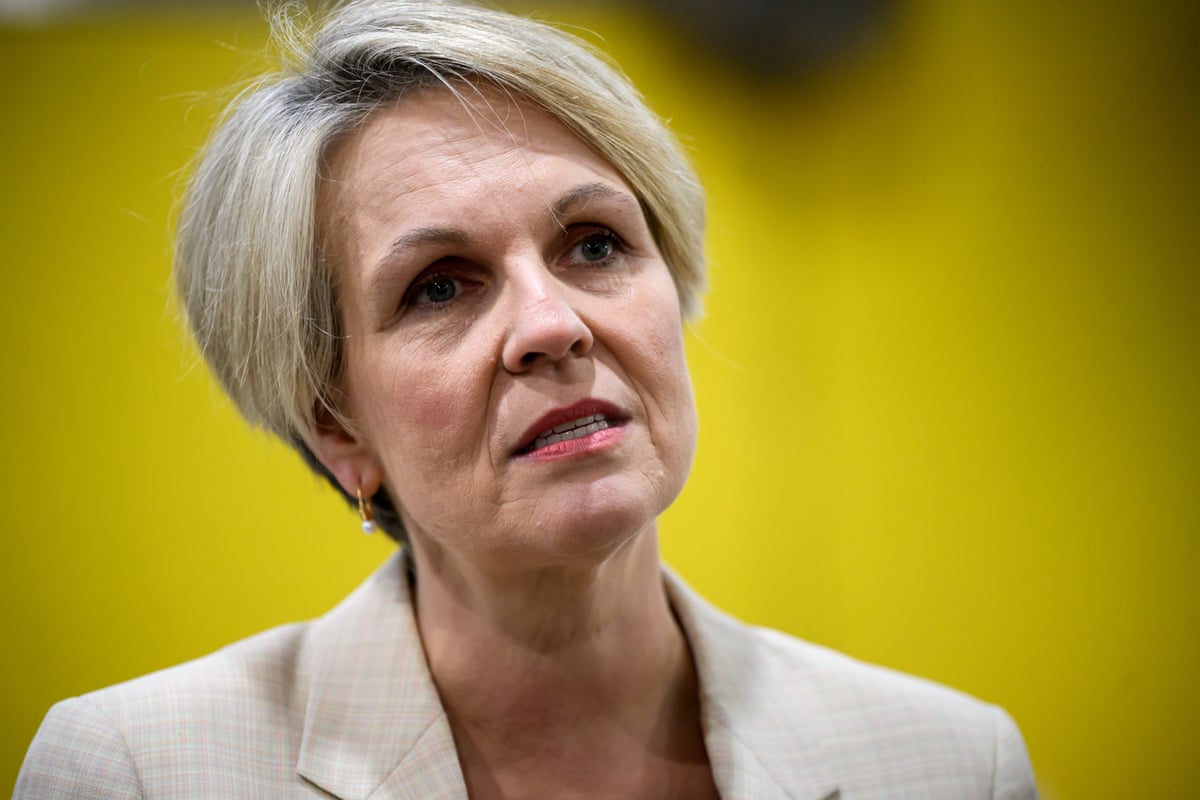
Social Services Minister Tanya Plibersek joined the discussion on working from home as a means to reduce fuel consumption, describing it as "helpful" but emphasizing that the most effective action Australians can take is to avoid purchasing more fuel than necessary.
Speaking on Sunrise, Plibersek noted that many Australians have already incorporated working from home into their routines.
"We’re saying that if you can reduce your fuel use, then that would be a really helpful thing to do. But certainly we’re not telling people that they must work from home.
The most helpful thing people could do is just buy the fuel they need and no more."
Labor minister says regional partners have a ‘vested interest’ in sending fuel to Australia
Assistant Minister for Foreign Affairs Matt Thistlethwaite stated that Prime Minister Anthony Albanese has been directly negotiating with regional partners to secure fuel supplies, expressing confidence that nations will not withhold fuel from Australia.
Speaking to , Thistlethwaite highlighted that Australia receives much of its fuel from South Korea and Singapore, countries which depend on Australia’s coal and gas exports.
Government ministers have suggested Australia’s position as a major coal and gas exporter provides leverage in these negotiations, with Thistlethwaite elaborating:
"The beauty of Australia, Pete [Stefanovic], is that we are one of the largest distributors of LNG anywhere in the world. And South Korea gets almost all of its LNG, it’s liquefied natural gas through Australia. So, they’ve got a vested interest in ensuring that. It’s a two-way street.
I don’t think it will [be withheld]. Both nations need supplies of LNG and fuel. Australia is a very reliable distributor of LNG … So, we’ve got that advantage in that we can work with our neighbours in Asia Pacific to ensure that they have access to their energy needs and we get access to ours."
Labor ‘doing everything we can’ to secure fuel supply, Mark Butler says
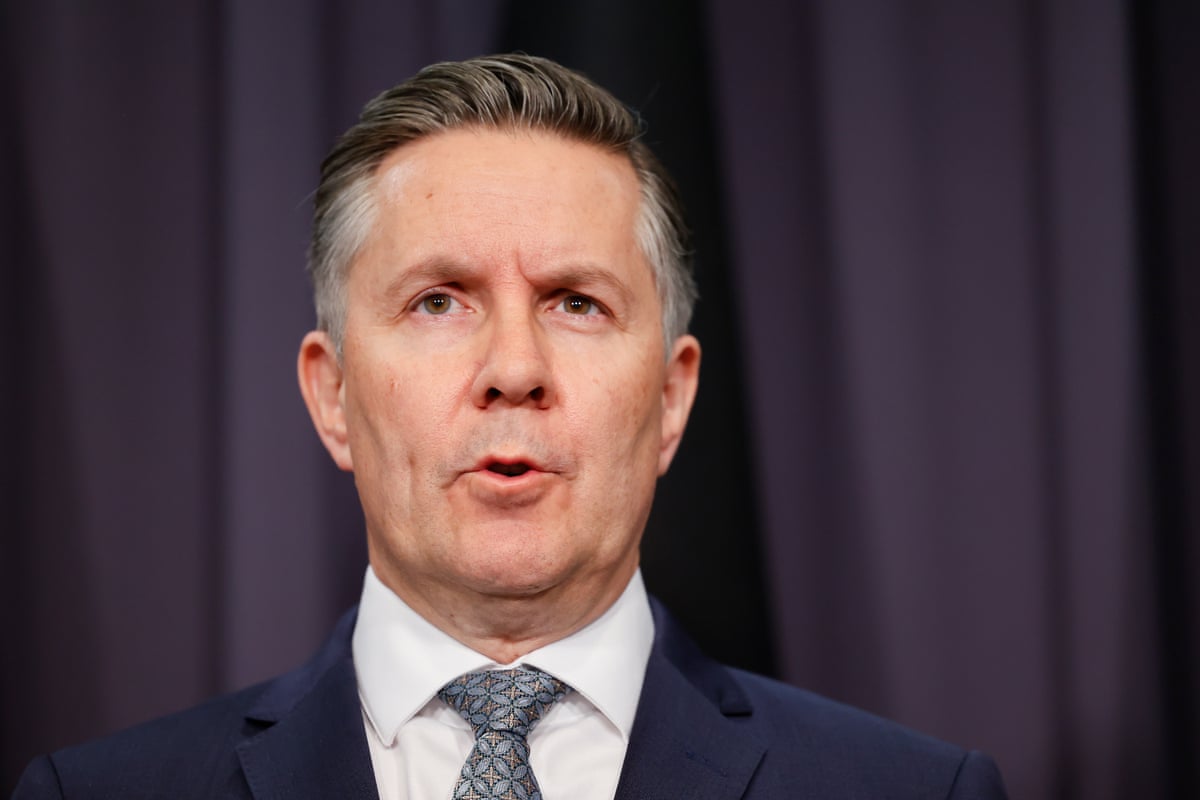
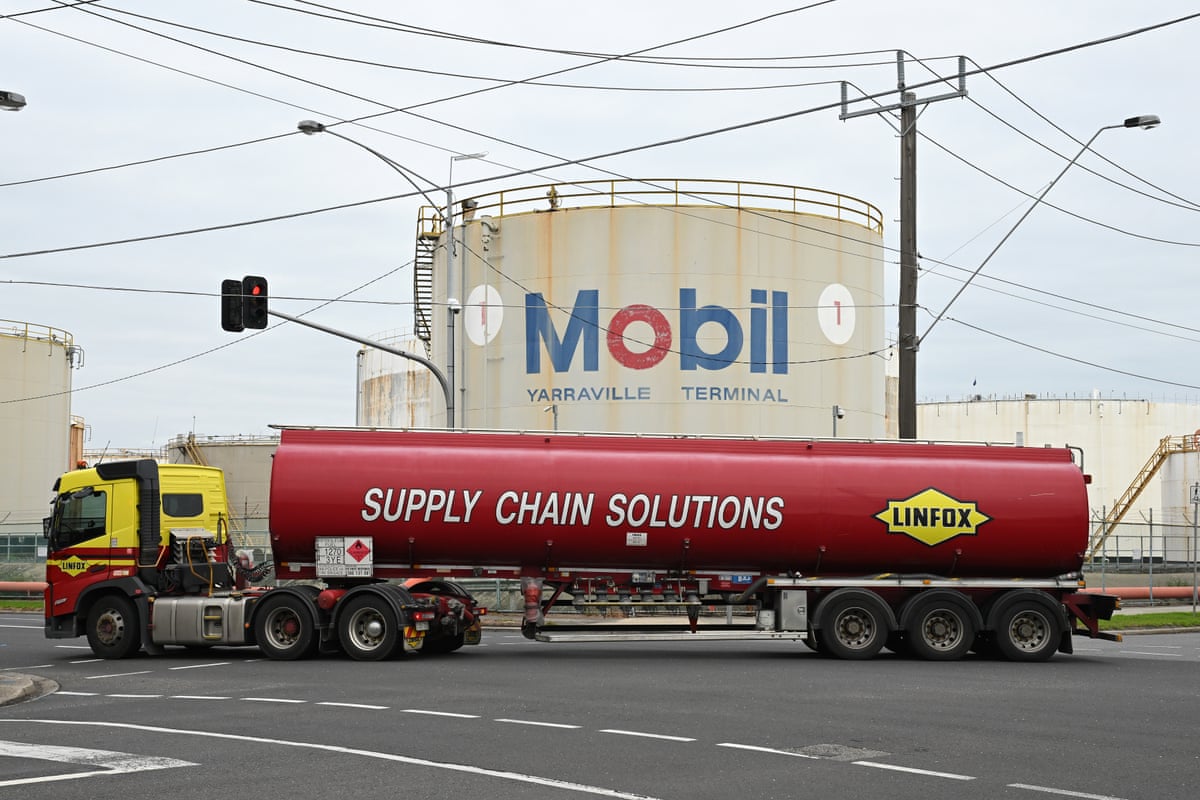
Health Minister Mark Butler confirmed that the government is collaborating with regional partners to secure fuel supplies and noted that, despite six oil shipments to Australia being cancelled or deferred, replacements are generally being arranged.
Speaking to Nine, Butler indicated that the ongoing conflict is likely to persist for some time.
He added that the government is sourcing supplies from wherever possible, including increased shipments from the United States, which have not been seen in many years.
"We are working very hard with our regional partners. They receive energy from us, we receive liquid fuels from them. We’re doing everything we can to get supply back into Australia and at the moment those supplies are holding up pretty well."
Hume says more working from home 'wouldn’t touch the sides' of fuel issues
As tensions escalate in the Middle East, politicians have been asked whether Australians should consider working from home to conserve fuel.
Tehran has threatened to target essential infrastructure across the Middle East, including critical water systems, if the US proceeds with threats to "obliterate" Iran’s power plants unless the Strait of Hormuz is fully opened within two days.
Jane Hume, speaking to ABC News Breakfast, described working from home as "terrific" for those able to do so but opposed suggestions that more Australians should be encouraged to avoid commuting.
Hume was responsible for the Coalition’s unsuccessful policy to restrict work-from-home options for public servants at the last election.
She said that a slight increase in working from home would have minimal impact on fuel supply issues.
"This is like Covid style restrictions I think that are potentially being floated. I would not support that in any way, and I don’t think businesses would do so either …
If people can work from home and they want to and it works for their employers, fine, I think that’s terrific, but it doesn’t help small businesses. It certainly doesn’t help the truckers and the fishers and the farmers and the manufacturers and the miners that are relying on fuel supply."
Joyce defends One Nation’s vetting, saying candidates ‘lie’
One Nation MP Barnaby Joyce told RN Breakfast that "every party has issues with vetting" following the party’s decision to drop its Adelaide candidate Aoi Baxter a day before the election amid reports of an outstanding UK arrest warrant.
When asked if One Nation needs to improve its vetting process, Joyce attributed the problem to candidates who "lie."
Regarding why the ABC uncovered the story instead of One Nation, Joyce praised journalists for their investigative work.

"They [candidates] lie, see? They lie, they don’t tell the truth. If people are suggesting that we deliberately select someone with a warrant, well, that is absurd.
Every party has issues with vetting. You give me a party and just give me 10 minutes, and I’ll give you some problems that they’ve had in the selection of candidates."
One Nation's Barnaby Joyce says ‘the move is on’ after SA election
Barnaby Joyce stated that the South Australian election results confirm polling trends.
Speaking to ABC’s RN Breakfast, he claimed a global movement rejecting mainstream policies on climate change and migration has reached Australia, areas where One Nation has been critical.
Despite Labor’s landslide victories in South Australia and nationally, campaigning for stronger climate action and multiculturalism, Joyce said One Nation poses a significant threat to both major parties.
"I think the move is on. I think it’s been a move that’s happened globally and it’s arrived in Australia. And it’s premised on the fact that people have been tolerant or accepting of basically sort of a word salad of ideas that never really eventuate into cold hard policies. And when they do, they don’t work on behalf of the Australian people.
The Coalition’s fading. Liberal party’s fading. You’re seeing that. But you’re seeing a peel-off of blue-collar votes. I can assure you [of] that."
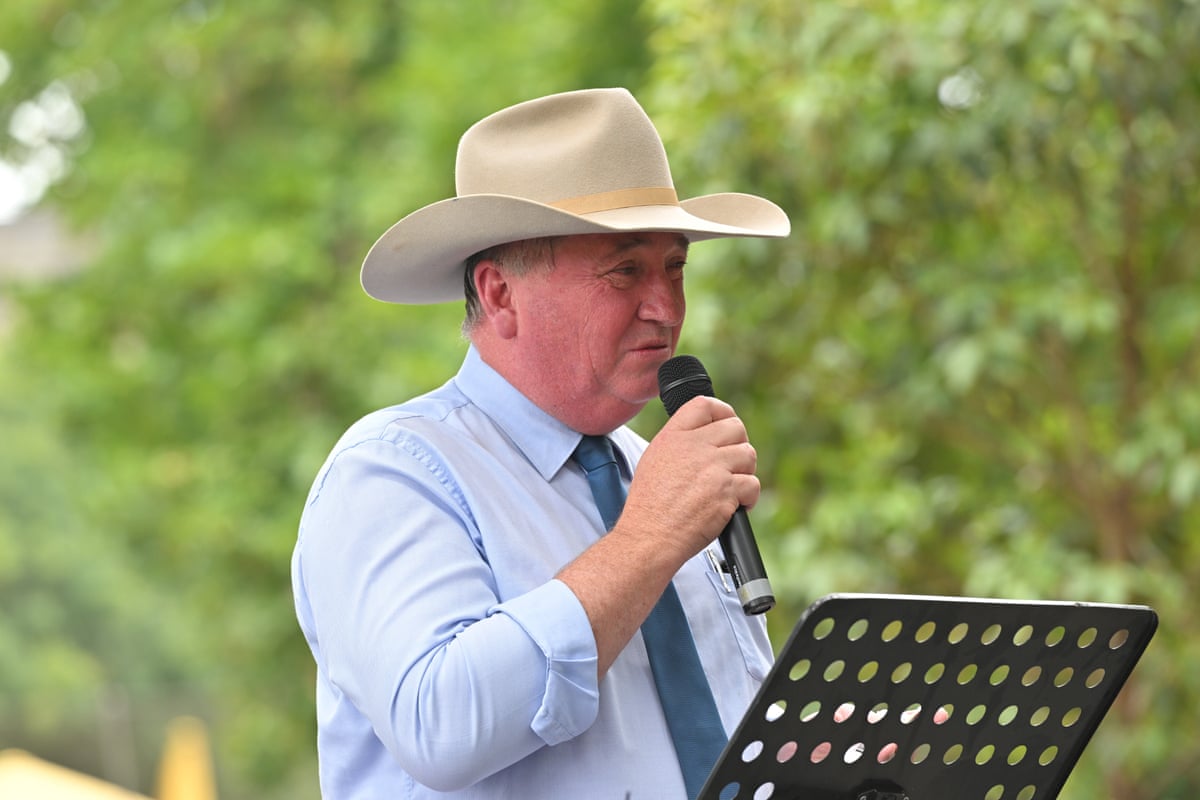
SA election result ‘very grim’ but ‘better than we were expecting’: Liberal senator
Federal Liberal Senator Leah Blyth described the South Australian election outcome as "very grim" but acknowledged it was better than anticipated.
Speaking to RN Breakfast, Blyth noted that when Ashton Hurn was elected leader 100 days ago, projections estimated the party would win zero to three seats.
She mentioned that a previous drug conviction against former state leader David Spiers negatively affected the party’s standing and described the leadership changes as a "rolling door," with Vincent Tarzia serving less than four months before Hurn took over.
Blyth praised Hurn and quoted former Liberal Prime Minister John Howard, stating that 100 days was insufficient to establish a strong policy platform.
"It’s not the election result we were hoping for, obviously, but I think it is much better than we were expecting.
It’s very grim but we’re sort of looking at it. It could have been worse. So we’ve got to rebuild."
Regarding implications for the federal party, Blyth emphasized the need for discipline and unity.
"Discipline and unity. That’s the message that I’m taking. And that we’ve got to make sure that we are putting up policies that are in the interests of Australians at a federal level and that we’ve got to stop talking about ourselves. That is death politically."

Government announces new green energy rules for datacentres
The government has introduced new regulations for companies planning to build datacentres in Australia, requiring them to contribute additional clean energy and minimize water usage.
Australia currently has the second-largest pipeline of datacentre construction globally, after the United States. However, datacentres consume significant amounts of power and water, with projections indicating they will account for approximately 6% of grid-supplied energy by 2030.
The new rules mandate that datacentres must bring new clean energy sources, cover their full share of energy connection costs, improve efficiency, support grid stability, and avoid increasing energy costs for households and businesses.
Additionally, companies must support Australian jobs and industry.
Minister Tim Ayres, responsible for the initiative, explained in an ABC interview that these principles communicate the government’s expectations for companies and investors regarding datacentre development.
"It sends a message to the states and territories, we don’t want to see a race to the bottom on these standards, and it makes it very clear, if you’ve got a datacentre investment for Australia, we want to see you underpin additional electricity through power purchasing agreements that mean you’re contributing to Australian resilience, not undermining it."
Should Australians work from home to save fuel?
James Glenday asked Minister Tim Ayres whether Australians should consider working from home to conserve fuel, noting that countries like Sri Lanka have adopted four-day workweeks and encourage public servants to work remotely.
Ayres responded that the government will not mandate such measures and reminded listeners that the Coalition previously attempted to ban working from home.
"Australians will make their own decisions, and work from home is a viable option for many, many people, and they’ll make that call. We’re not going further than that."
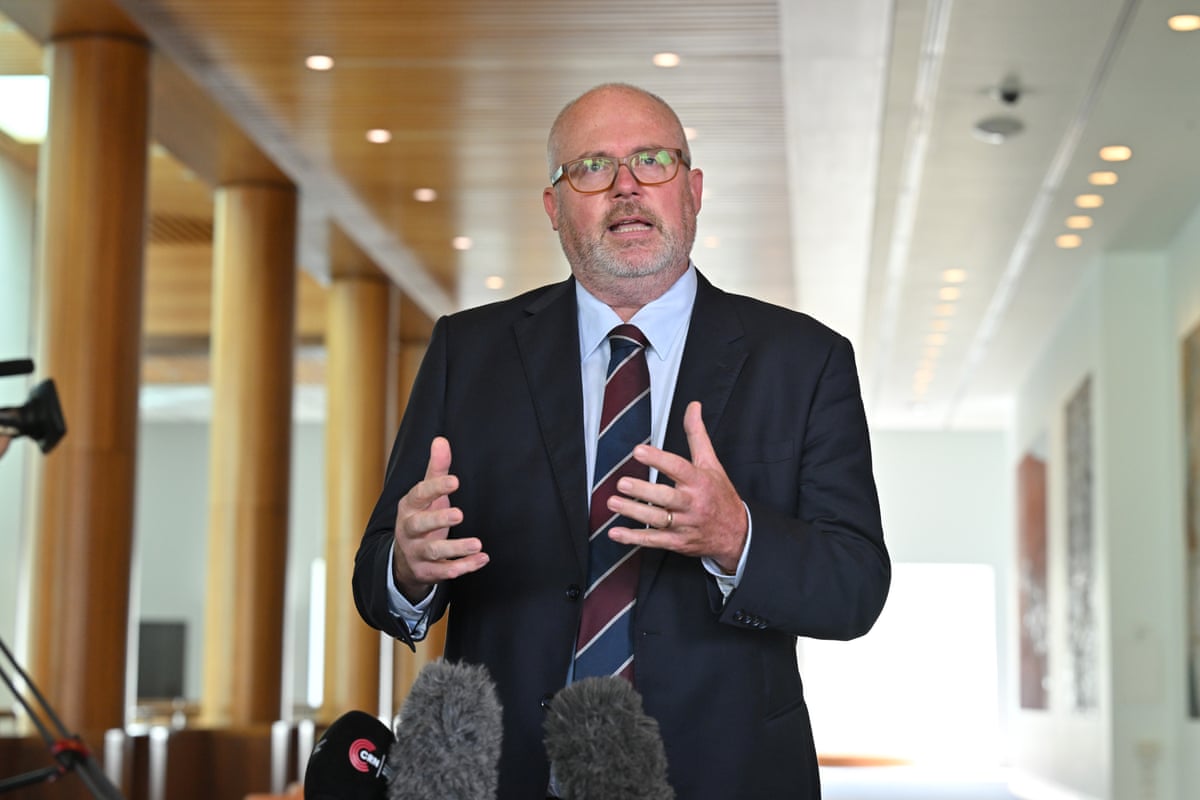
Industry minister quizzed on fuel security
Industry Minister Tim Ayres avoided direct answers to questions on whether Australia will leverage its coal and gas exports to secure fuel imports.
On ABC News Breakfast, Ayres broadly stated that the government is collaborating with international partners to maximize fuel supplies and ensure distribution to regional areas as needed.
When pressed on whether a quid pro quo approach is being considered, Ayres declined to confirm, stating:
"We are an excellent partner on energy security for a range of our partners in the region in terms of refined fuel products and crude oil."
Regarding reports of a potential 25% export tax on gas companies if prices surge, Ayres said:
"We have moved for the first time at the commonwealth level to impose a reservation scheme so that Australian gas is there for Australian households and Australian business. The details of that reservation scheme will be decided in the normal way and a proper cabinet process … We’ll release those details when it’s been properly decided."
Lowy Institute paper warns of drone terror threat
A report from the Lowy Institute warns that governments worldwide are unprepared for the increasing threat of drones being used in terror attacks.
Advancements in drone technology, 3D printing, and AI-assisted navigation necessitate a reevaluation of anti-extremism strategies, including in Australia.
The report cites several incidents as warning signs, including a UK student arrested for producing "kamikaze" drones for Islamic State, arrests in Queensland involving homemade guns and drone-mounted explosives, and two US plots involving drones.
Authors James Paterson and Lydia Khalil highlight that what was once limited to state actors is now accessible to nearly anyone with a credit card and data signal.
"The combination of easy accessibility and payload potential, and the limitations of domestic counter-drone systems, presents a growing challenge."
Drones have been used effectively in conflicts such as the Russia-Ukraine war and Middle East tensions, where they are loaded with explosives and targeted at military personnel or sensitive sites.
The report warns that a wide range of civilian and military locations could be targeted, including mass gatherings and major events, and that difficult decisions will be required to determine which sites to defend and how.
Good morning
Good morning, Krishani Dhanji here as politicians convene in Canberra for another sitting week.
Today’s agenda includes increased pressure on the government regarding global oil supplies amid escalating Middle East tensions.
The Liberal Party continues to manage the repercussions of the South Australian election over the weekend, while European Union President Ursula von der Leyen arrives in Sydney and is scheduled to address the federal parliament later this week, becoming the first female foreign leader to do so.
The government is also introducing new regulations for datacentres and AI, requiring companies to contribute to clean energy supplies and reduce water consumption.
This article was sourced from theguardian


