

Spotlight on Marital Rape in India
A recently released web series confronting the issue of marital rape in India has brought significant attention to a subject that remains legally unaddressed in the country.
Chiraiya—meaning small birds in Hindi—premiered on JioHotstar in March and has attracted millions of viewers, ranking it among the platform's most popular Hindi shows in recent months.
Media critics have commended the series for tackling a largely taboo topic, sparking widespread discussions on social media about consent and misogyny. However, some commentators have criticized it as "anti-men" and accused it of attempting to undermine the sanctity of marriage.
Plot and Characters
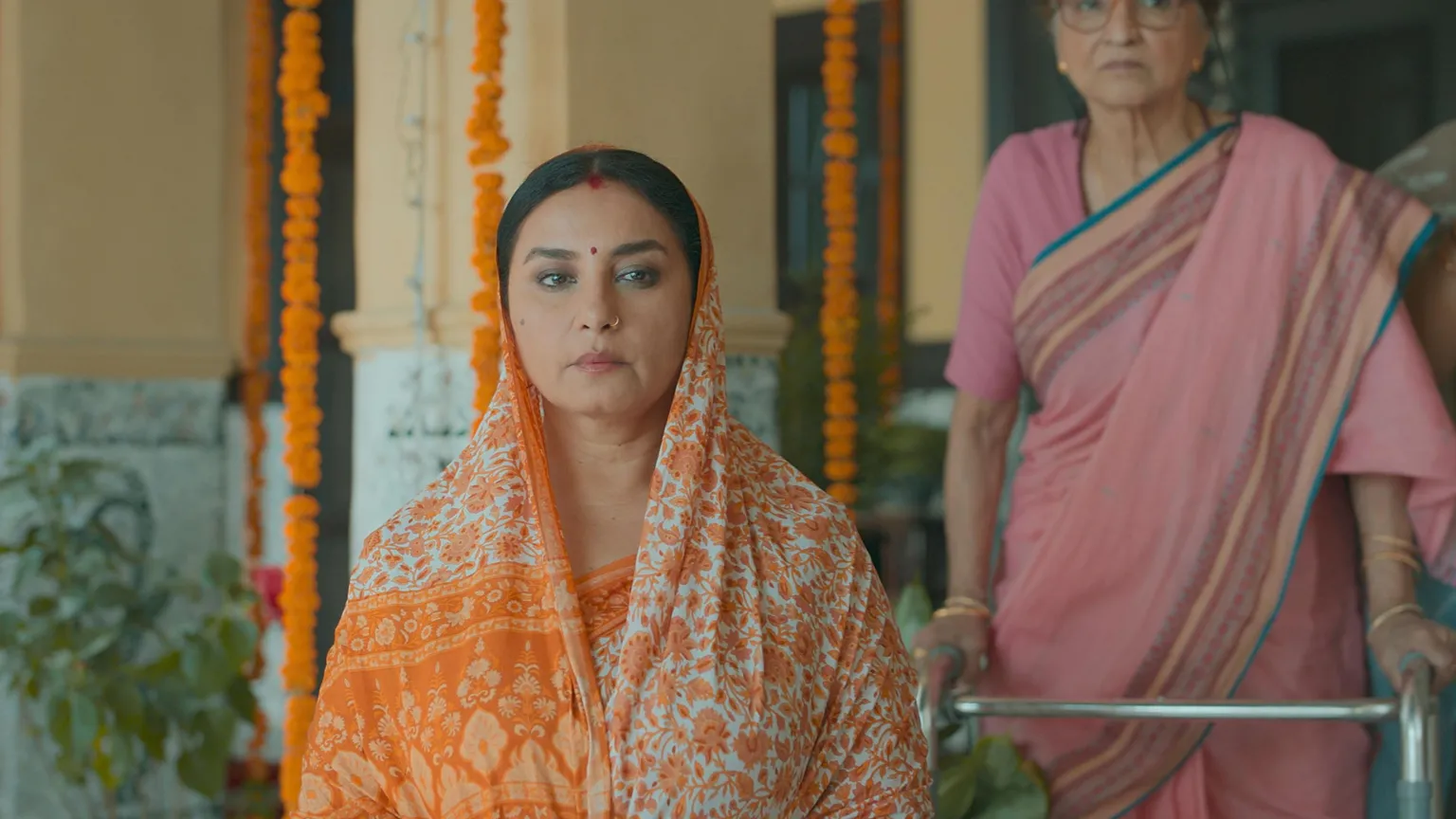
Divy Nidhi Sharma, the scriptwriter of the show, explains that the narrative follows two women, Kamlesh and Pooja.
Kamlesh, portrayed by Divya Dutta, is a middle-aged homemaker who holds traditional views, believing that "women should be interested in cooking and housework." Pooja, played by Prasanna Bish, is educated, socially aware, and advocates for gender equality and dignity.
Their lives intersect when Pooja marries Arun, Kamlesh's brother-in-law whom she raised as her own son. Arun is initially perceived as an ideal partner for Pooja, but her hopes for a happy marriage are shattered when he rapes her on their wedding night.
Upon confronting Arun, he asserts that he has "just taken what's mine." He further states,
"Why do you keep repeating that I raped you?" he says, adding that marital rape is not a crime in India and there is no law to deal with it.
Exploring Consent Within Marriage
Divya Dutta describes the series as focusing on consent, "specifically in a marriage, which is considered a very, very special bond."
She elaborates,
"Marital rape is very difficult to talk about. Every woman who goes through it thinks it's just her story. She thinks if she speaks about it, there will be social stigma, the harmony of the house will be disrupted."
Within the show, when Pooja, who is battered and bruised, voices her suffering, she is advised by everyone around her, including her mother, to adjust and remain silent to avoid bringing shame upon the family.
Initially, Kamlesh believes that consent for sex is implicit within marriage, Dutta notes. However, as the series progresses, Kamlesh's perspective evolves when she must choose between her "comfort zone" and supporting a woman she initially dislikes.
Dutta states,
"She comes to choose the right path,"
becoming a steadfast ally to Pooja.
Legal and Social Context
According to Indian government data, 6.1% of ever-married women have experienced sexual violence. Despite persistent activism, India remains one of approximately three dozen countries—including Pakistan, Afghanistan, and Saudi Arabia—where marital rape is not criminalized.
Activists have submitted multiple petitions to the Supreme Court seeking to criminalize marital rape. However, the government, religious organizations, and men's rights groups oppose amendments to the Colonial-era law, which exempts husbands from prosecution for forced sex with their wives unless the wife is a minor.

In a notable case last year, a man convicted of raping his wife—who died shortly after the assault—was acquitted on appeal because the court ruled that India does not recognize marital rape.
Sharma comments,
"This injustice is happening within our homes, in our neighbourhoods.
What I find most troubling is that there's no legal or social recourse. So, as a writer I felt I should do my bit about it."
Adaptation and Character Development
Chiraiya is adapted from a Bengali show titled Sampoorna and has been reimagined for northern India, a region noted for its more patriarchal social structure.
Sharma explains,
"The protagonist of Sampoorna is a feminist.
Our protagonist Kamlesh is a woman who doesn't even know the spelling of misogyny, she's so steeped in patriarchal conditioning that her moral compass has gone haywire.
But in the end, she rises to fight what's wrong."
Director Shashant Shah adds that with Kamlesh,
"we wanted to present a woman that millions of women in India can relate to.
She is a person who has faith in the family system. But slowly you see the transformation, as her world slowly crumbles, she realises it's all a façade, a farce where people are suffering within the family."
He emphasizes that the intention behind Chiraiya was not to challenge the government or laws directly but to provoke societal reflection, stating,
"We wanted to raise this question to the society - how do you look at it? We wanted to make people aware."
Regarding Pooja's story, Shah notes,
"Pooja's story is fictional, but it's the reality for millions of women"
and with Kamlesh's character,
"we wanted to tell a story of sisterhood."
Portrayal of Men and Public Reception
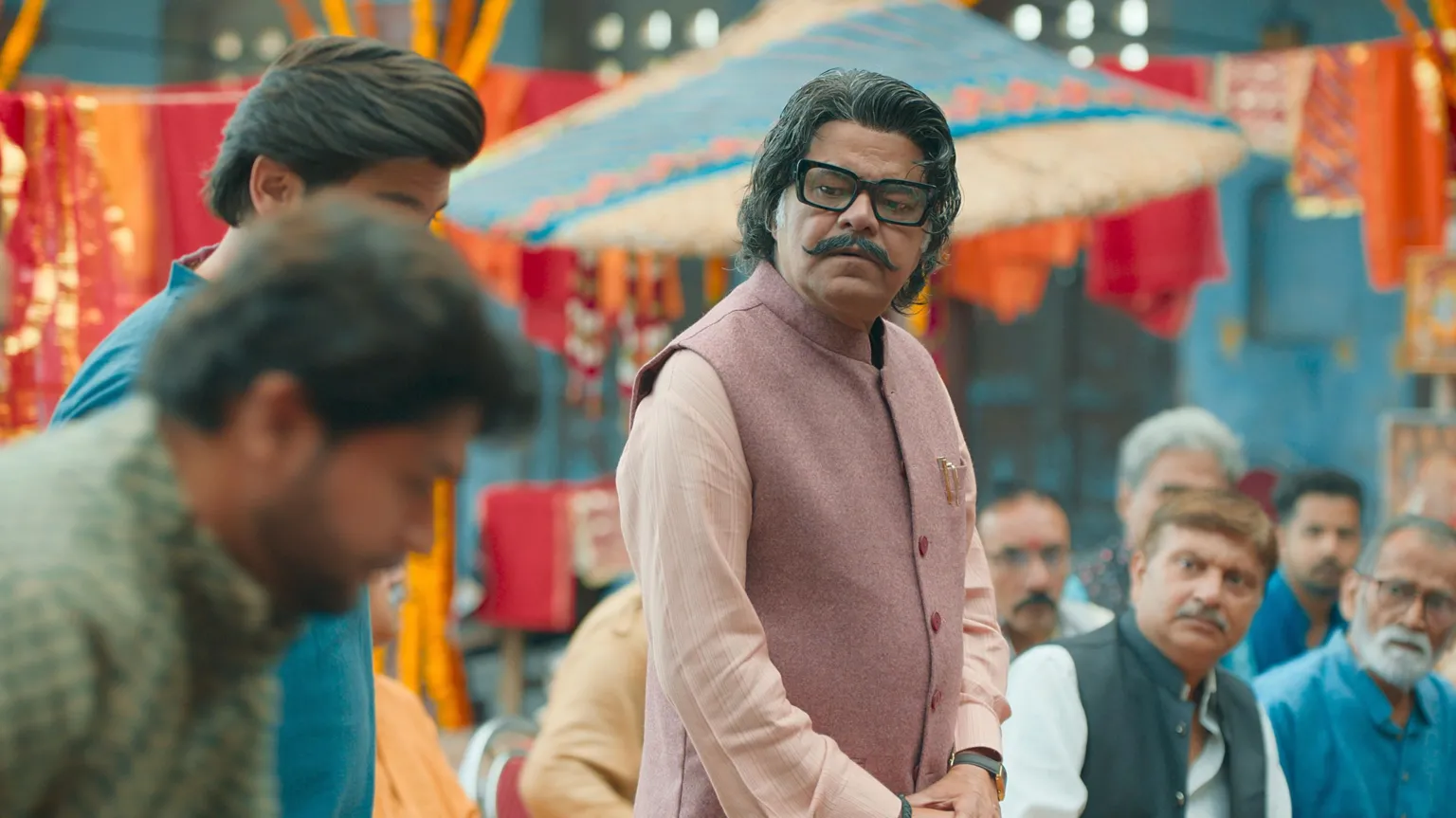
Although the series centers on women, Shah states that care was taken to avoid depicting men as extreme villains, explaining,
"They are not monsters - they are just regular people we encounter in our daily lives. Patriarchy is so deeply entrenched that most people are not even aware they are being misogynistic."
Divya Dutta describes the response to the show as,
"absolutely overwhelming."
She shares,
"I've been getting midnight messages and calls and personal notes on Instagram and Twitter. Everyone's watching it. Veteran actors are calling me to say thank you for doing this. Someone sent me a sari with a heartfelt note, somebody's sent a poem they've written. I think it really stirred something within everyone."
However, the series has also faced criticism. Sharma acknowledges,
"Some people are getting triggered by it and there's been a backlash from a section of men saying shows like these portray men in a bad light."
He adds,
"But our aim was to just start a conversation. We are artists, we can't make laws, we can't curb crimes, we can't change society rapidly, but we can use art to make a taboo topic mainstream."
Dutta chooses to focus on the positive feedback, stating,
"I would rather not read that 1% [negative feedback] and thrive on the 99% who are giving it their love, who are saying thank you. Let's concentrate on the thank yous."
Impact and Hope for Change
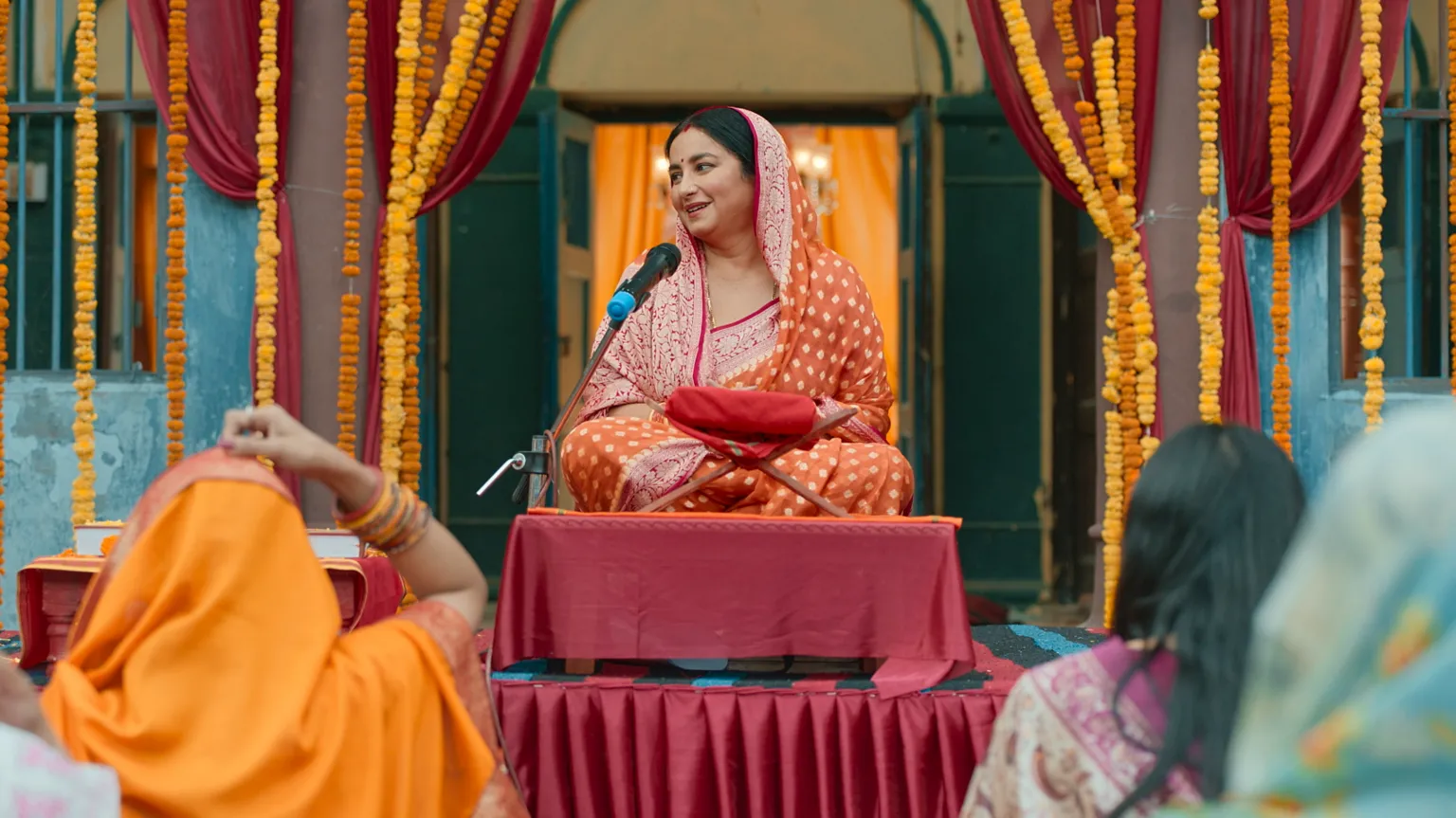
Dutta expresses her belief in the transformative power of stories like Chiraiya, saying,
"I think this will make a difference in more ways than one because it is telling us where we are going wrong. And rather than just putting the onus on the outside, for someone else to do something for us, this show just emphasises that let's start from home first.
And that is a first step, but it is a very strong step."


