Historic Launch of Hong Kong Astronaut on Chinese Spacecraft
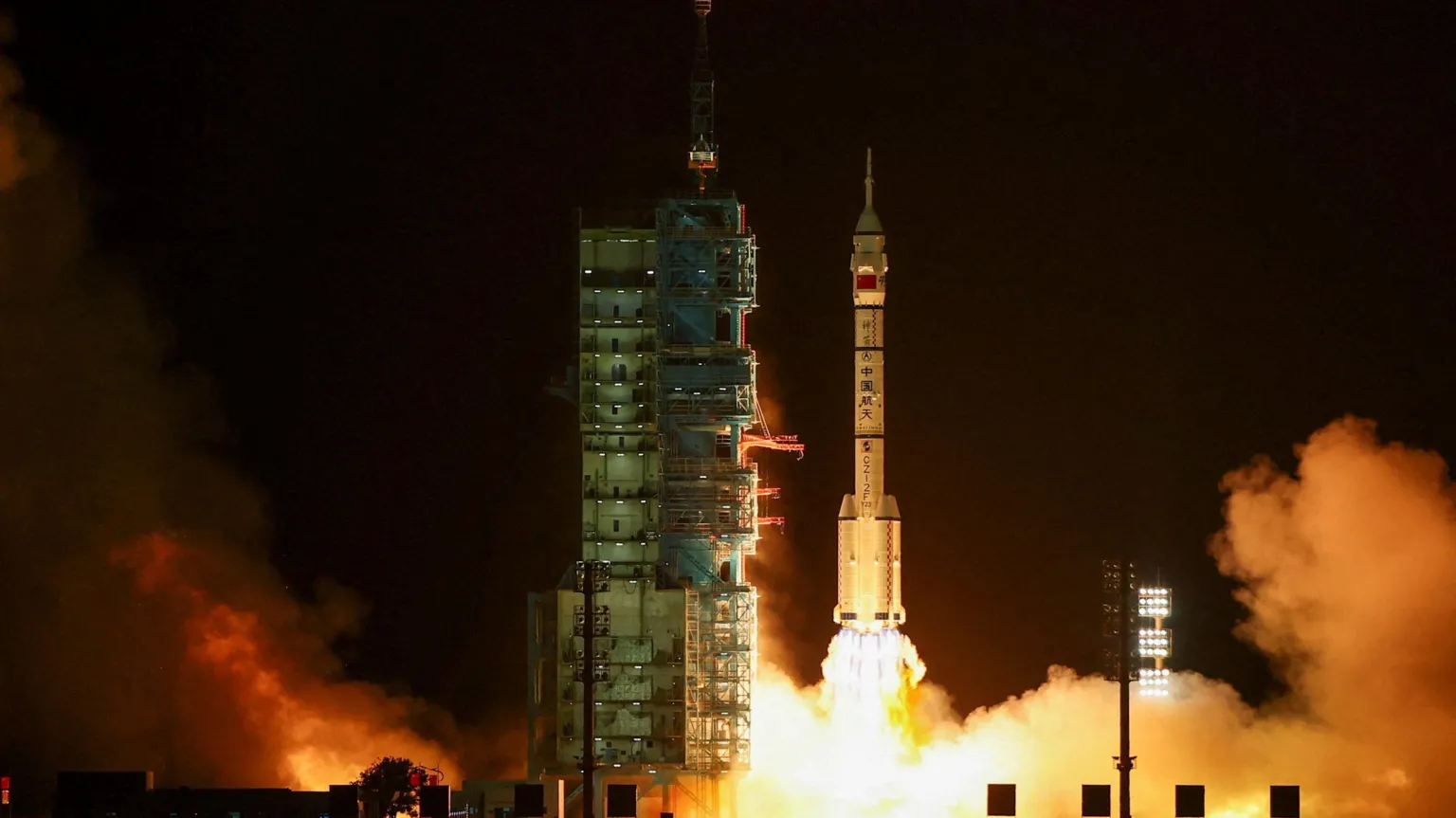
A Hong Kong astronaut has embarked on space travel for the first time, aboard China's Shenzhou-23 spacecraft.
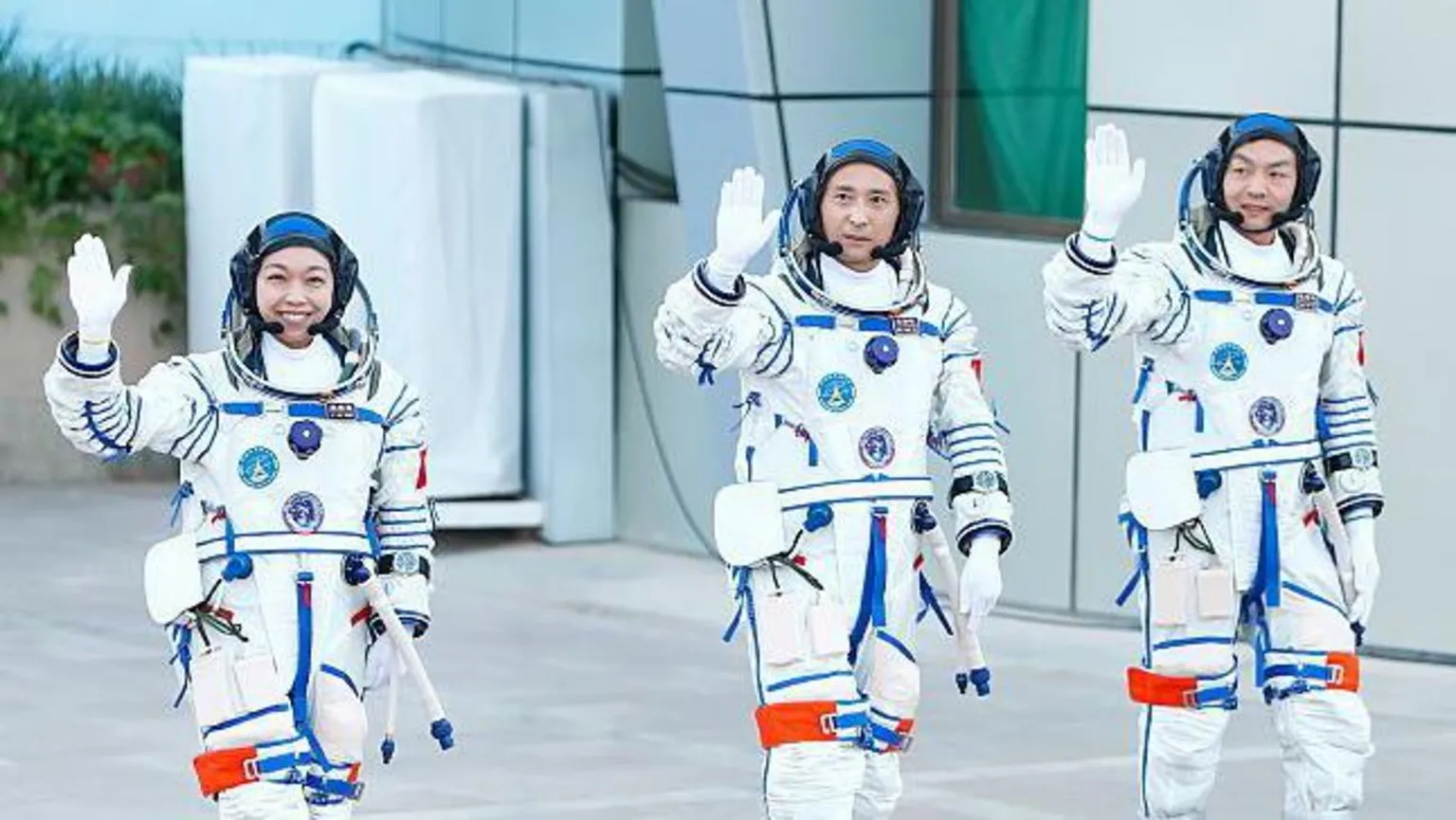
Li Jiaying, aged 43, a police officer and mother of three children, is serving as the payload scientist among the three-member crew that departed for China's Tiangong space station on Sunday night.
At least one crew member will remain in orbit for a full year as part of a significant experiment, with authorities to decide who will undertake this extended mission at a later time.
The mission represents a continuation of China's ambitious space program aimed at sending humans to the moon by 2030. This effort is occurring amid an accelerating competition with the United States, which is targeting a crewed lunar landing by 2028.
The Shenzhou-23 spacecraft is tasked with conducting studies on the effects of microgravity on the human body, among numerous other experiments.
Alongside Li Jiaying, the crew includes Zhu Yangzhu, a 39-year-old space engineer, and Zhang Zhiyuan, a 39-year-old former air force pilot.
Large crowds gathered waving Chinese flags as the rocket launched from the north-west Gobi desert atop a Long March 2-F rocket at 23:08 local time (15:08 GMT) on Sunday. The spacecraft docked with the Tiangong space station a few hours later.
Hong Kong Chief Executive John Lee described Li's participation in the mission as a "historic" moment.
Li Jiaying expressed that she was inspired by Yang Liwei, the first astronaut sent to space by China's space program.
"This is a rare chance. Why not try?" Li said, according to Xinhua news agency.
China's Growing Expertise in Long-Duration Space Missions
Since 2021, China has been sending astronauts to its Tiangong space station for six-month missions.
The planned year-long stay will be among the longest in human spaceflight history, approaching the 14-month record set by Russian cosmonaut Valery Polyakov in 1995.
"A year in orbit pushes both hardware and humans into a different operational regime compared with the shorter Shenzhou missions of the programme's earlier phases," said Richard de Grijs, an astrophysicist and professor at Macquarie University in Australia, in an interview with AFP news agency.
De Grijs noted that this mission demonstrates how China is developing its capabilities for extended stays in space as well as deep space exploration.
Recent Milestones and Future Plans in China's Space Program
In 2024, China's Chang'e-6 spacecraft successfully recovered rock samples from the far side of the Moon for the first time and returned them to Earth.
Later this year, China plans to conduct an orbital test flight of its Mengzhou spacecraft, designed to carry astronauts to the Moon.