
Introduction to the Conflict
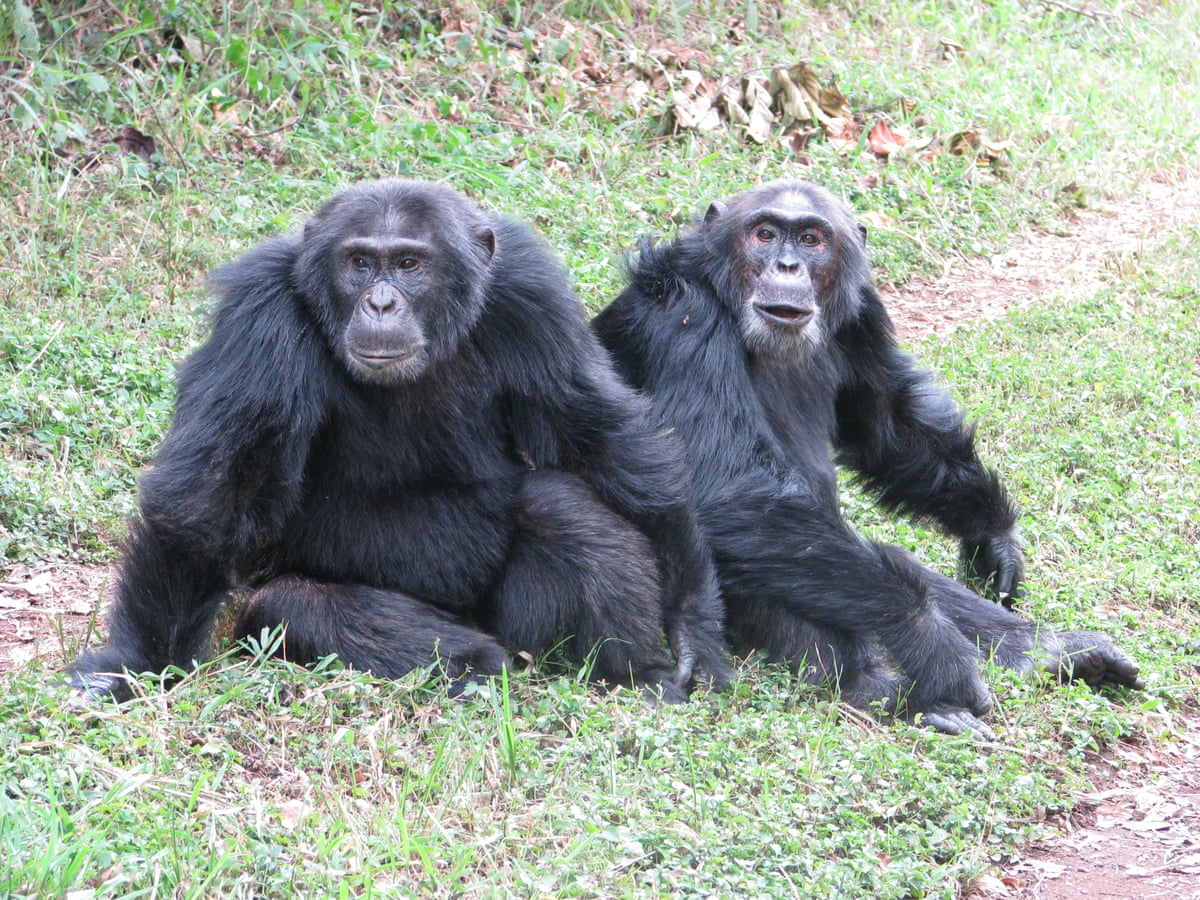
On a June day in 2015, primatologist Aaron Sandel was quietly observing a small cluster of the Ngogo chimpanzee group in Uganda’s Kibale National Park when he noticed unusual behavior. As other members of the wider chimpanzee group approached through the forest, those near Sandel began to show signs of nervousness. They grimaced and touched each other for reassurance, behaving as if they were about to encounter strangers rather than familiar companions.
In retrospect, Sandel identified this moment as the initial indication of a prolonged and violent conflict that would develop between a previously close-knit chimpanzee community.
Documenting a Chimpanzee 'Civil War'
A new study published this week in the journal Science by Sandel and colleagues documents what may be the first recorded instance of a "civil war" among wild chimpanzees. While chimpanzees have long been observed engaging in lethal aggression against outsiders, witnessing a unified group turn against itself is unprecedented and strikingly reminiscent of human behavior.
“Cases where neighbours are killing neighbours is more troubling and, in a way, it gets closer to the human condition. How do we have this seeming contradiction within us where we are able to cooperate, but then also very quickly turn on one another?” Sandel said.
“These shifting group identities and dynamics that we see in human civil war rarely have a parallel in other animals, but they do have a parallel in the case of chimpanzees.”
Long-Term Observations Reveal Group Split
The researchers utilized over three decades of behavioral data from the extensively studied Ngogo chimpanzee community to identify a permanent division within the largest known wild chimpanzee group. From at least 1995 until 2015, the chimps exhibited social cohesion, but a shift in group dynamics occurred, and by 2018, two distinct factions had formed: the western chimps and the central chimps.
Following the solidification of these two groups, members of the western faction conducted 24 sustained and coordinated attacks against the central group over the next seven years. These attacks resulted in the deaths of at least seven adult males and 17 infants.
Historical Context and Possible Causes
Scientists suggest that a similar internal conflict may have taken place in the 1970s within the chimpanzee community at Gombe, Tanzania, observed by Jane Goodall. However, limited understanding of chimpanzee behavior at that time prevented full recognition of the rarity of such in-group violence.
In the Ngogo case, researchers propose that changes in social hierarchies contributed to the group's fracture, leading to organized aggression and violence. On the day Sandel observed the unusual behavior in 2015, the alpha male had shown submission to another chimpanzee earlier that morning, signaling a shift in dominance. Additionally, the social structure had been impacted by the deaths of several key older individuals in preceding years.
“Their abrupt death likely weakened connections among the neighbourhoods, which then made the group vulnerable to this polarisation that happened when the alpha change occurred,” Sandel explained. “Then there was also a disease outbreak in 2017 that probably made the split inevitable, or expedited it slightly.”
Conservation Implications
This phenomenon raises concerns for ape conservation, as such "civil wars" among chimpanzees are believed, based on genetic evidence, to occur approximately once every 500 years. However, human activities that disrupt social cohesion—such as deforestation, climate change, or disease outbreaks—could increase the frequency of these inter-group conflicts, Sandel warned.
Perspectives from Other Experts
Brian Wood, an evolutionary anthropologist at the University of California, Los Angeles, who has also studied the Ngogo chimpanzees but was not involved in the current research, emphasized the evolutionary advantages of such aggression.
“In the theory of Darwinian fitness – a measure of how successful an animal is in passing on its genes – you can increase your Darwinian fitness by increasing your own survival, increasing your reproduction or by decreasing the survival and reproduction of your competitors,” Wood said.
“And this is what the western chimps have done. The central chimps, after facing the onslaught of the westerners, now have the lowest male reproductive success that has ever been documented in a wild chimpanzee community.”
Sylvain Lemoine, professor of biological anthropology at the University of Cambridge, remarked on the significance of the findings.
“Here we have the first thoroughly reported case of what can be qualified as civil warfare in the species … It shows that, even in absence of cultural group markers, social ties and network connectivity are the cement of group cohesion, and that these ties can be fragilised in specific circumstances, especially when they rely on few key individuals.”
Further Information
For more detailed information, follow biodiversity reporters and access additional nature coverage through app.


