

Tunisian MP Sentenced Over Social Media Posts
A Tunisian court has sentenced lawmaker Ahmed Saidani to eight months in prison due to social media posts mocking President Kais Saied following recent deadly floods in the country.
Saidani was arrested earlier this month after posting on social media about Saied's visits to flood-affected areas, sarcastically referring to him as the "supreme commander of sanitation and rainwater drainage."
He was jailed on Thursday on charges of insulting others via communication networks, according to a judicial official.
Saidani's lawyer, Houssem Eddine Ben Attia, told AFP news agency that his client was prosecuted under a telecommunications law concerning "harming others via social media," an offense punishable by up to two years in prison.
Criticism of Government Crackdown
Human rights organizations have criticized what they describe as an escalation of President Saied's crackdown on dissent since he suspended Tunisia's parliament in 2021 and began ruling by decree.
Once a supporter of Saied's consolidation of power and the arrest of opposition figures, Saidani has recently become an outspoken critic of the president.
In his Facebook post, the lawmaker mocked the president for "taking up the hobby of taking photos with the poor and destitute" during visits to flooded areas in the capital, Tunis, and other parts of the country.
Saidani, elected as a lawmaker in 2022, has also accused the president of monopolizing decision-making while avoiding responsibility, leaving others to take the blame.

"This is a violation of the law and an attack on institutions. How can parliament hold the executive authority to account if it carries out an unlawful arrest over critical views," fellow MP Bilel Mechri told news agency.
Deadly Floods and Political Context
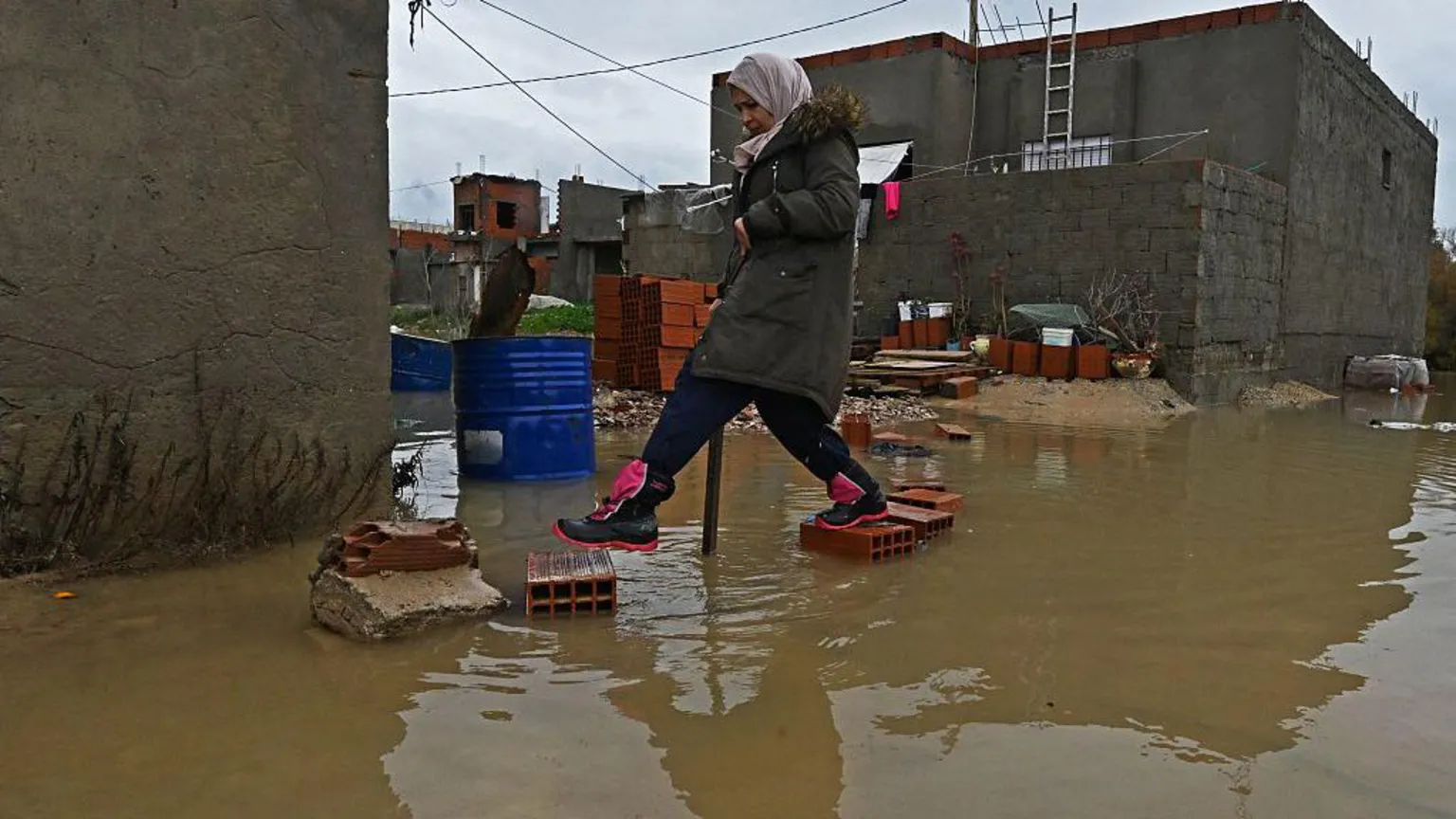
At least five people died and several remain missing after Tunisia experienced its heaviest rainfall in over 70 years last month.
President Saied was elected in 2019, promising a return to stable government following years of political instability after long-time leader Zine al-Abidine Ben Ali was ousted by the "Arab Spring" street protests in 2011.
His critics accuse him of reimposing aspects of authoritarian rule and curtailing political freedoms.
Last November, a Tunisian court handed jail terms to dozens of opposition leaders, lawyers, and businessmen accused of attempting to overthrow the president.
The 67-year-old leader rejects claims of dictatorship, insisting he is upholding the law and working to "cleanse" the country.
Parliamentary Immunity and Legal Framework
Tunisian lawmakers have parliamentary immunity, which protects them from arrest while performing their official duties, though they can be detained for committing a criminal offense.

More about Tunisia from the BBC:
Go to BBCAfrica.com for more news from the African continent.
on Twitter @BBCAfrica, on Facebook at BBC Africa or on Instagram at bbcafrica


