

Mass Hostage Release from Boko Haram Hideout
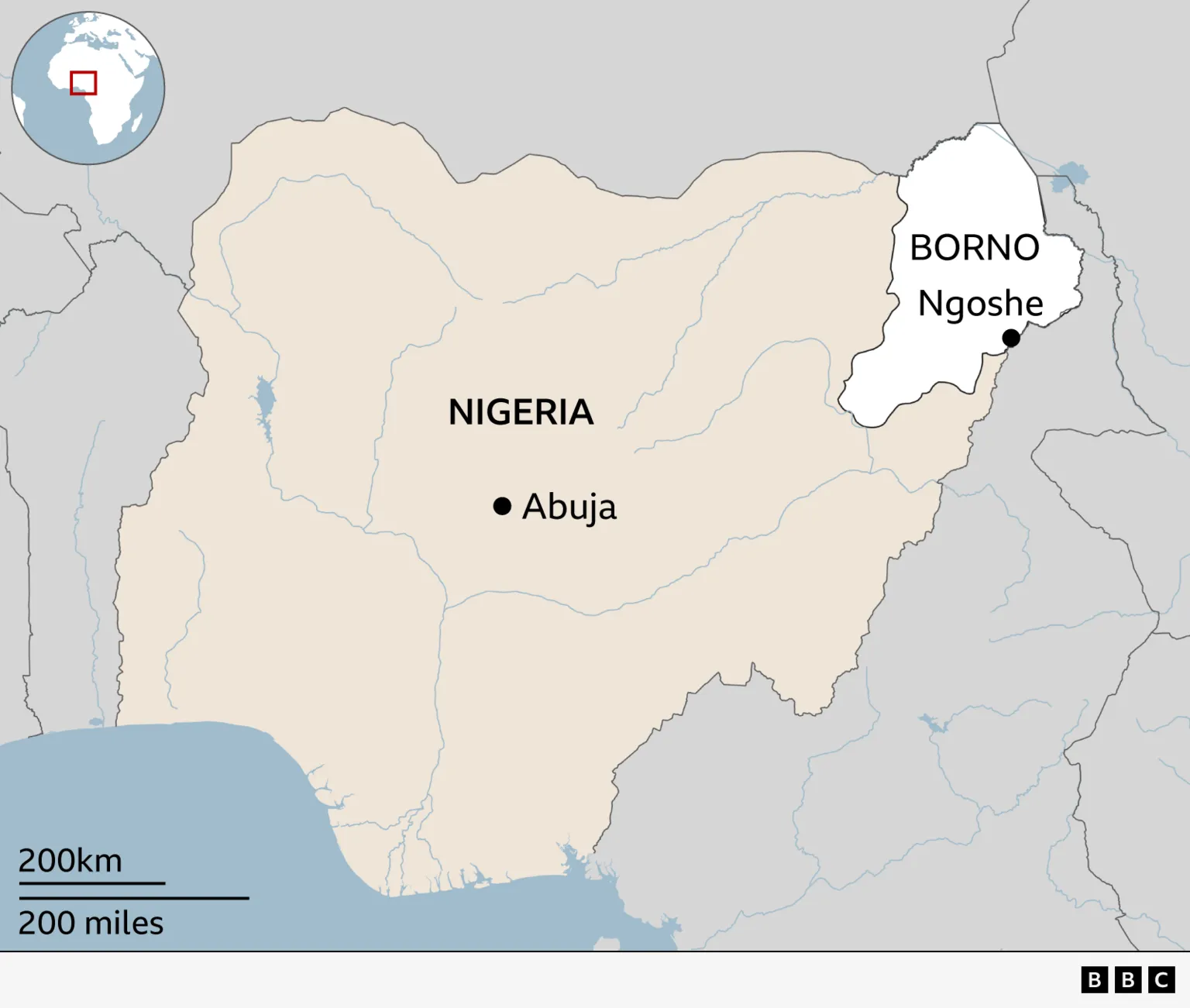
At least 360 individuals abducted by Boko Haram jihadists from a predominantly Muslim community in Nigeria's north-eastern Borno state in March have been liberated from a remote mountain hideout.
The exact circumstances surrounding their release remain contested. The Nigerian army asserts that it conducted an unprecedented intelligence-driven operation, meticulously planned over several weeks, which caught the Islamist militants off guard.
Conversely, the Borno South Youth Initiative, a local organization, claims to have mediated the unconditional release of the captives, reporting the number freed as 416.
Context of Kidnappings in Nigeria
Mass kidnappings for ransom have become a prevalent tactic in Nigeria. Boko Haram gained international notoriety in 2014 when it abducted over 200 schoolgirls from Chibok.
This event led to the emergence of various groups employing kidnapping as a means to generate funds, often targeting vulnerable locations such as schools, churches, mosques, and isolated villages.
Although paying ransoms is illegal in Nigeria, analysts indicate that payments from desperate families, intermediaries, and occasionally state authorities have inadvertently encouraged these abductions.
Military Operation Details
Military spokesperson Lt-Col Haruna M Sani described the assault on Boko Haram's Mandara mountain hideout as occurring "under cover of darkness" and characterized it as one of the military's "most significant hostage rescue operations" in the north-east region.
"Faced with the speed, precision, and overwhelming combat power of the advancing troops, several insurgents abandoned their positions and fled into surrounding mountainous terrain, while others surrendered," he stated.
Authorities report that the rescued hostages are currently receiving medical attention.
Daniel Bwala, a special adviser to President Bola Tinubu, shared on X that,
"Sadly, two infants died due to exhaustion from prolonged captivity and harsh terrain."
He further noted that the government, which has faced intense criticism over widespread insecurity in Nigeria, praised the efforts of the troops involved.
Details on the Captives and Local Response
The freed individuals hail from Ngoshe, a mainly Muslim community near Nigeria's border with Cameroon.

In early March, Boko Haram fighters attacked the area reportedly as residents were breaking their Ramadan fast.
Samaila Kaigama, president of the Borno South Youth Alliance (Bosaya), informed journalists that his organization had been advocating for the captives' release and maintained communication with the militants.
In a video posted on Facebook, Kaigama criticized government officials, referring to them as "government boys" who were "claiming glory for our efforts."
On Sunday morning, the military shared videos and photographs showing the freed captives resting under trees overnight.
Several news outlets also obtained a video featuring a local government official who stated that authorities were making every effort to secure the area to allow the captives to return to their farms.
The official added that some captives were believed to have escaped into Cameroon and that efforts were underway to ensure their safe return.
Background on Boko Haram and Security Efforts
Boko Haram initiated its armed campaign to impose Islamic rule in northern Nigeria in 2009. While it no longer controls the extensive territories it once held, the group and its splinter factions remain active and pose significant threats.
Earlier this year, a small contingent of US soldiers was deployed to Nigeria to train the nation's armed forces and assist with intelligence in combating escalating security challenges.
These challenges are multifaceted, including Islamist insurgency, kidnapping gangs, land disputes, and separatist unrest.
Last month, Nigeria and the US announced the killing of a senior Islamic State (IS) leader during a joint operation.
Additional Information
For more news from the African continent, visit BBCAfrica.com.
Follow updates on Twitter @BBCAfrica, on Facebook at BBC Africa, or on Instagram at bbcafrica.


