

Concerns Over Independent Journalism After Major Media Acquisition
Following the recent acquisition of East Africa's largest media organization by a politically connected billionaire businessman, questions have emerged regarding the future of independent journalism in the region.
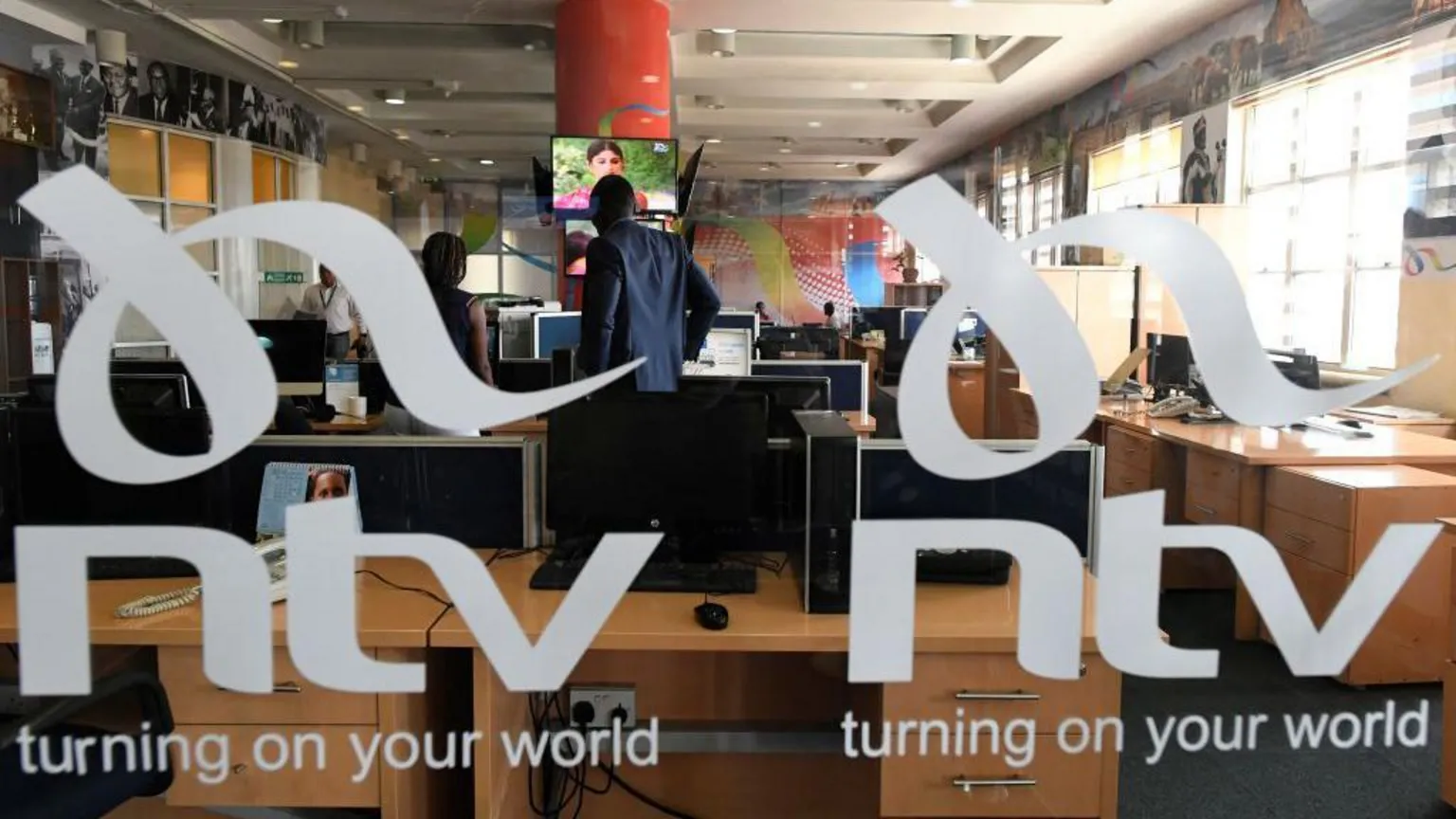
Millions of people daily in Kenya, Tanzania, Uganda, and Rwanda rely on one of the numerous newspapers, television and radio stations, or digital platforms owned by the Nation Media Group (NMG) for trustworthy news.
In countries where journalists have faced pressure from authorities, publications such as Kenya's Daily Nation, Tanzania's Mwananchi, and Uganda's Daily Monitor have become key sources of reliable information.
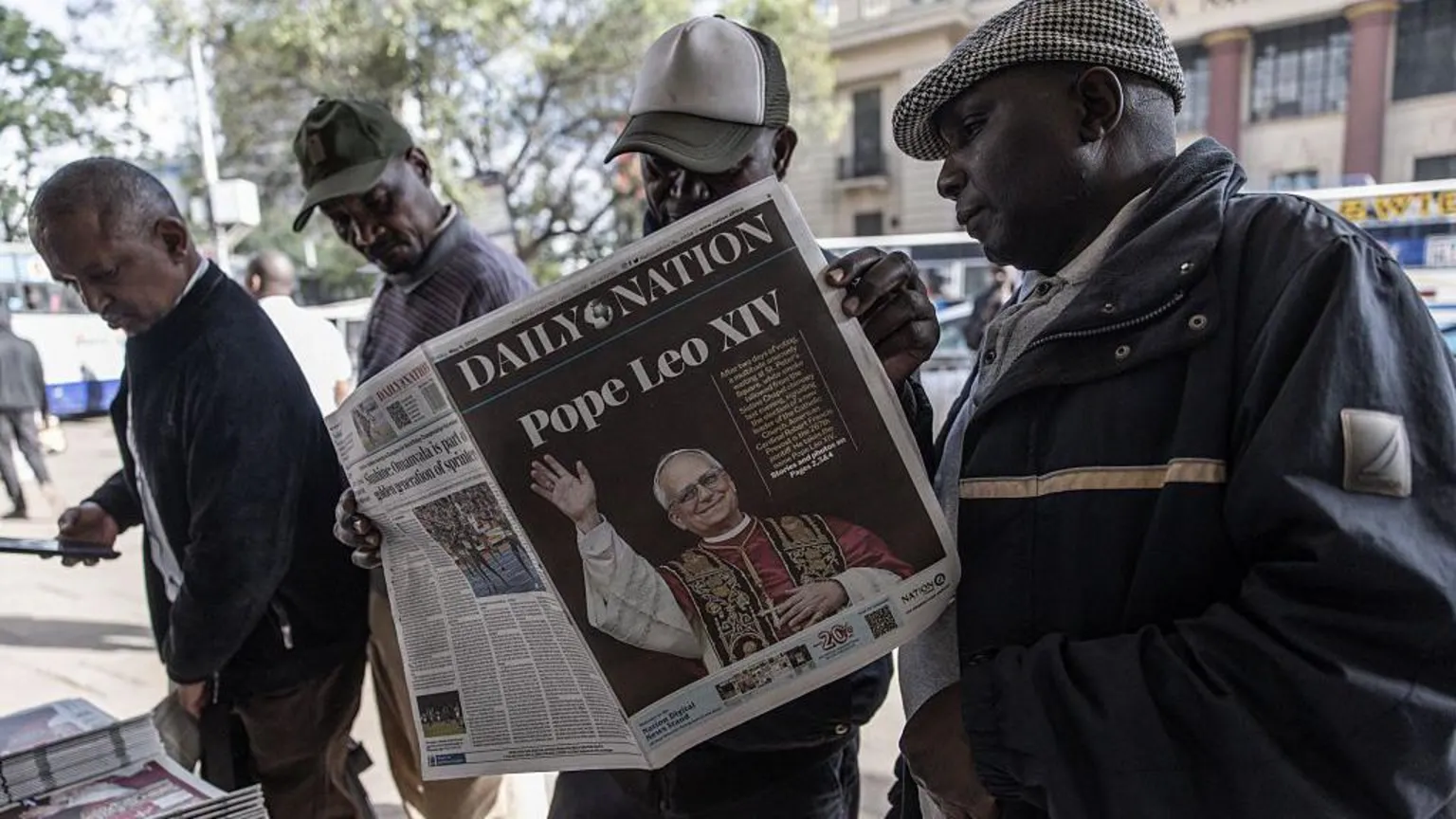
However, NMG now has a new majority shareholder.
New Majority Shareholder: Rostam Aziz
Rostam Aziz, recognized by Forbes in 2013 as Tanzania's first dollar billionaire, announced this week that his company, Taarifa Ltd, acquired a controlling 54% stake in NMG.
The transaction remains subject to approval by media regulators across the involved countries.
Aziz is a former Member of Parliament for Tanzania's ruling Chama Cha Mapinduzi (CCM) party and maintains close relations with prominent politicians in the region, prompting concerns among critics about potential influence over NMG's editorial direction.
Aziz Affirms Commitment to Editorial Independence
At a press conference held on Wednesday at an upscale hotel in Nairobi, Kenya's capital, the 65-year-old businessman, who holds significant investments in gas and telecommunications, emphasized his support for rigorous journalism.
He stated he supports "credible and independent journalism" as "essential for the development of our society." Aziz added that the "partnership is grounded in a commitment to editorial professionalism and institutional credibility."
NMG’s Legacy and Ownership Change
NMG has a long history of defending editorial independence through some of the region's most politically turbulent periods.
Founded in 1959 by the late billionaire philanthropist and spiritual leader Aga Khan, the company was established to provide a voice for the majority African population, according to its profile.
The Aga Khan Fund for Economic Development (Akfed) decided to sell the business after reviewing its investments and choosing to focus on other sectors.
Industry Reactions to Ownership Shift
Churchill Otieno, former senior digital editor at NMG and current president of the Africa Editors Forum, expressed serious concerns about the ownership change.
"For decades, NMG has not simply been a media company. It has functioned as part of East Africa's democratic infrastructure," he wrote on LinkedIn. "When ownership shifts, the critical issue is not merely who buys, but what vision of the public sphere accompanies that purchase."
Bernard Mwinzi, a former senior editor at NMG, noted on Facebook that the previous ownership by a development agency rather than a commercial conglomerate or political family made NMG an "unusual institution."
"That structure gave it a degree of insulation from the political and business pressures that often shape editorial agendas in the region," he said. "Now, Akfed's exit signals the end of that model."
Concerns Over Political Influence
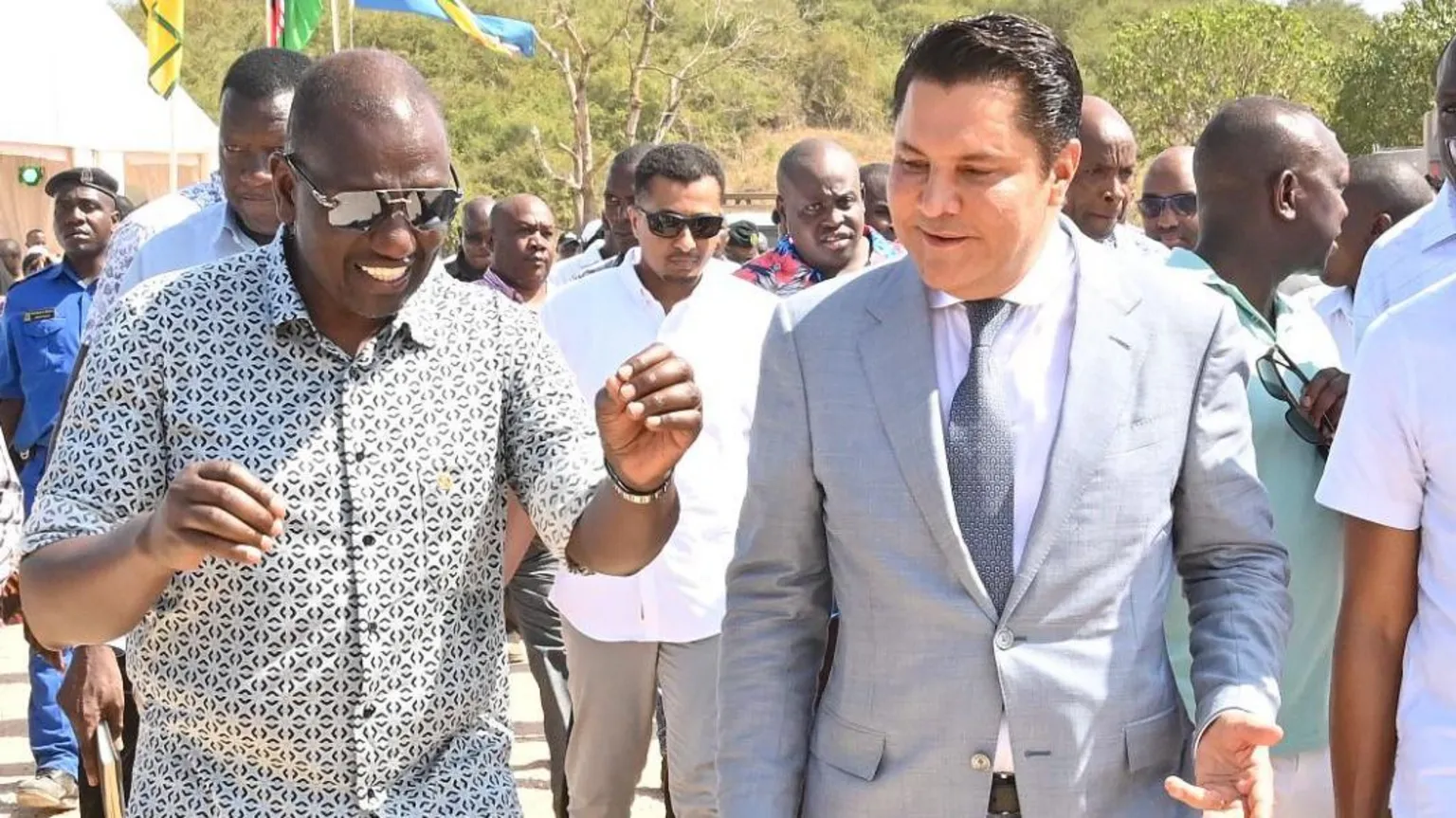
Despite Aziz's assurances to maintain NMG's independence, his relationships with politicians, including Kenya's President William Ruto, raise questions about potential editorial pressure.
Aziz's ties with Ruto were strengthened through a significant energy project championed by the president.
In 2023, Ruto commissioned Aziz's Taifa Gas plant in the coastal city of Mombasa, praising him as a "resilient investor" who overcame five years of government delays to finalize the deal.
With Ruto seeking re-election next year, many Kenyans will closely observe whether the Daily Nation or other NMG outlets show increased support for him.

"He's very well established, very well known and very powerful," said Asha Abinallah, CEO of Tech and Media Convergency, a Tanzanian tech firm, in an interview with the BBC. She noted it was "a possibility" that NMG outlets could align with the Kenyan and Tanzanian governments following Aziz's acquisition.
Aziz’s Response to Political Influence Concerns
Speaking to journalists, Aziz firmly rejected suggestions that the acquisition was politically motivated, describing it as a commercial and "strategic investment" aimed at modernizing NMG.
He highlighted his relationships with multiple Kenyan leaders, stating that these were personal and unrelated to business interests.
"I believe in relationships. Those are personal relationships, they have nothing to do with commercial considerations," Aziz said. "I'm very close to the leadership in Zambia, I'm very close to leadership in Uganda and I'm very close in leadership all around our region."
Aziz is also widely regarded as close to Tanzanian President Samia Suluhu Hassan and former President Jakaya Kikwete, both members of CCM, where he served as an MP.
Analysts suggest these connections have supported his expanding business ventures across East Africa.
Background and Business Experience
Born in western Tanzania in 1960 to a family that migrated from present-day Iran to East Africa over a century ago, Aziz completed secondary education in Tanzania before studying economics at a UK university.
He returned to Tanzania and initially built his wealth through trading before expanding into telecoms, mining, and energy sectors.
Aziz's business expertise may prove valuable as NMG navigates challenging commercial conditions.
Like many global news publishers, NMG has faced years of declining print revenues, staff reductions, and a difficult transition to digital platforms, emerging leaner but still one of the region's most recognizable media brands.
Aziz’s Media Industry Experience
Aziz is not new to the media sector.
In the late 1990s, he co-founded Mwananchi Communications, which published the Mwananchi, The Citizen, and Mwanaspoti newspapers in Tanzania before being acquired by NMG.
In 2006, he purchased Habari Corporation, a print media company that ceased operations in December 2020, citing a challenging business environment.
He has pledged to "uphold [NMG's] editorial independence while investing in its continued success."
Market and Investor Reactions
While sceptics will closely monitor Aziz's adherence to his commitments, not all reactions have been negative.
Investors on the Nairobi stock exchange responded positively, with NMG shares rising 28.3% over two trading days after the announcement, reaching a two-year high—indicating broad investor approval of the deal.
Aziz has also promised to inject new capital into NMG to expand its digital platforms in response to evolving media consumption patterns.
"For a media house that has spent years downsizing and restructuring, that promise of capital and intent carries real weight," economist Keith Mwau told the BBC.

For more news from the African continent, visit BBCAfrica.com.
on Twitter @BBCAfrica, on Facebook at BBC Africa, or on Instagram at bbcafrica.


