

Honoring a Promise with Technology
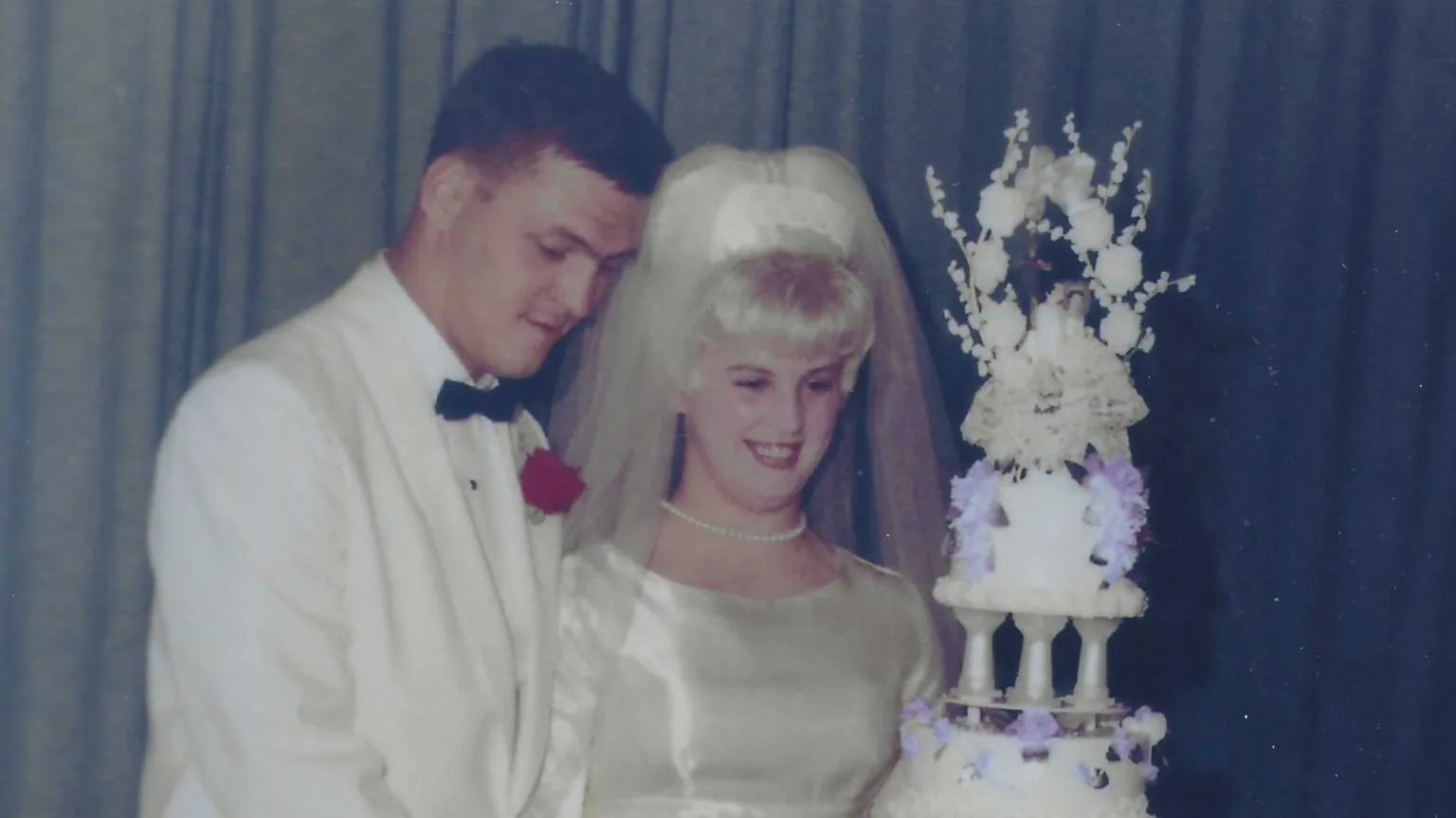
When Pam Cronrath's husband Bill passed away last year after nearly 60 years of marriage, she was determined to fulfill a promise she had made to him.
"I promised him a super wake,"
she told the BBC. What she did not anticipate was that keeping this promise would lead her into the realm of holographic technology, a field more commonly linked to celebrity events than to memorial services in rural America.
Pam, 78, resides in Wenatchee, Washington, an agricultural community located on the eastern edge of the Cascade Mountains.
A self-described technology enthusiast, Pam's perspective was shaped by a career that began during the early days of the internet.
Several years prior, while speaking at a medical conference, she witnessed a doctor appear as a full-body hologram broadcast live across the United States.
"I was completely impressed,"
she said.
"It stayed with me."
Following Bill's death, this memory resurfaced, prompting Pam to consider whether similar technology could be utilized for remembrance purposes.
Finding the Right Partners
Locating assistance proved difficult. Pam wished to proceed quickly, but many companies she contacted were either prohibitively expensive or uninterested.
Eventually, she connected with Proto Hologram and Hyperreal, two firms specializing in hologram and avatar technology. Pam shared her concerns and goals with them.
"When you hear they're working with Michael Jackson's estate, and then it's me - Pam from Wenatchee - you do wonder how it's going to work,"
she remarked.
Initially, Pam had allocated $2,000 (£1,480) for Bill's "super wake," but as the project grew more ambitious, costs increased significantly.
She estimated the final expenditure was likely
"at least 10 to 15 times"her original budget.
"But I still think [Bill] would be very much inspired by all of this, and thankful that it happened,"
she added.
Technology Behind the Memorial
In recent years, various technologies have emerged that enable people to appear to speak after death by recording answers to questions in advance, with software selecting relevant clips to respond.
Remington Scott, founder of Hyperreal, explains that his company's approach differs.
"Those systems are meaningful, but they're constructed,"
he said.
"They're selecting from pre-recorded material or generating an approximation."
Scott described their method as
"comprehensive capture - likeness, voice, motion, performance - to create... something people who knew the person recognise immediately."
Because Bill had already passed away, live recordings were impossible. Instead, Pam wrote the script herself, drawing on six decades of shared life.
"I knew him for 60 years, so I wrote it the way I believed he would speak."
The most difficult aspect was recreating Bill's voice.
Bill was a quiet, reserved man, and recent recordings were scarce. Older audio featured a stronger voice, while later recordings reflected his declining health.
Engineers worked to find a balance that family members would recognize, even if it was not perfect.
The Memorial Service
Approximately 200 people attended the memorial service, most unaware of what to expect.
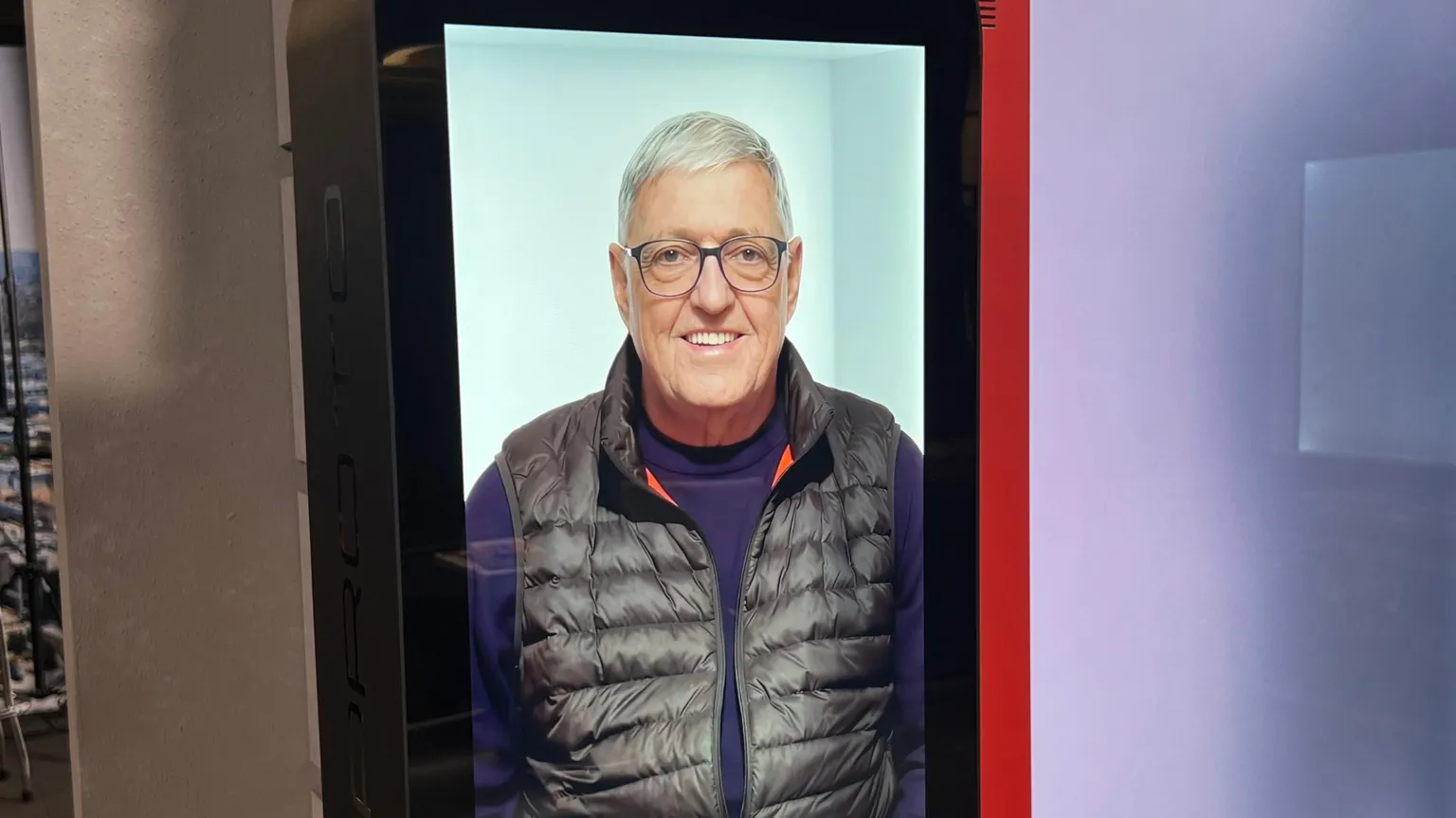
When Bill's hologram appeared life-size, from the waist up, on a screen and spoke directly to the audience, the reaction was immediate.
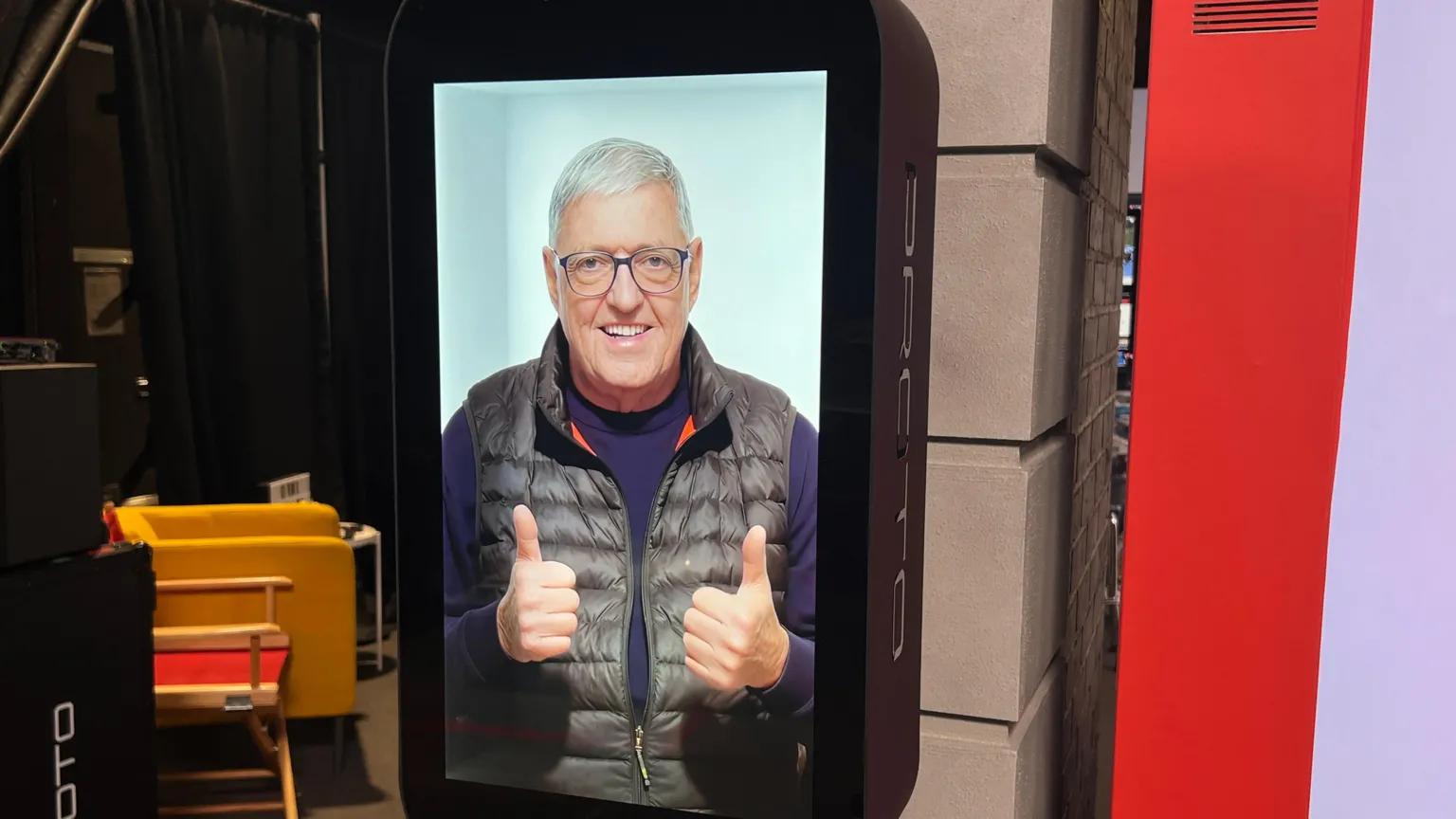
"Now, before anyone gets confused, I'm not actually here in Valhalla today,"
the hologram of Bill explained.
"Is this going to be fun?"

Pam recalled the audience's response:
"People were aghast,"
she said.
"Some genuinely couldn't understand how it was happening."
The hologram did more than deliver a prepared speech; it participated in a staged question-and-answer session, with Bill's nephew acting as host.
The hologram even joked about how marrying Pam despite his nerves had been the
"best decision I ever didn't make."
Several attendees believed the interaction was live.
One of Pam's sons noticed a minor detail:
"His voice is just a little bit off,"
he said. For Pam, this confirmed how closely the likeness had been achieved.
Reflections on Grief and Memory
Pam emphasizes that the hologram has not replaced her husband or her experience of grief.
"It's like looking at photos, or old videos. It doesn't get boring,"
she said.
"When you're hurting, it helps to feel like that person is still right there with you."
Seven months later, she still watches the recording. One moment remains especially meaningful:
"I love you."
she recalled.
"That means a lot to me."
Scott believes the Cronrath project is unique because it was entirely family-led.
"Pam initiated it. The family was involved at every step,"
he said.
"What we created was something they could return to - not once, but for generations."
He likened it to commissioning a portrait or memoir rather than any other form of technology.
Scott stresses that the company does not view its work as a replacement for the deceased.
"We don't think of this as grief tech. It's about digital human performance, and the standard of craft has to be extremely high."
Ethical Considerations
Experts caution about ethical issues surrounding such technology, including the potential exploitation of grieving individuals, consent, and the capacity to process complex emotions.
Dr Elaine Kasket, a cyberpsychologist and visiting professor at the Centre for Death and Society at Bath University, warns of risks.
"It positions grief as a problem to be solved, and furthermore as a problem with a technological solution,"
she said.
"If an individual griever wishes to use digital remains to remember their loved one, that is their grief, and we should not question or criticise other people's needs and preferences in mourning."
She added concerns about the
"platformisation of grief - datafying our dead, commodifying them, curating their presence in our lives, and making mourners financially and psychologically dependent upon the platforms that reanimate and house them."
Dr Jennifer Cearns of the Centre for Digital Trust and Society at Manchester University advocates caution.
"What matters, then, is how these technologies are used - as forms of memorialisation rather than replacement, and ideally with the consent of the person whose likeness or data is being mobilised."
Pam acknowledges that the concept of a hologram of a deceased loved one may be unsettling to some.
"It was about Bill,"
she said.
"About honouring his humour, his kindness, and the way he made people feel."
As technology continues to transform communication, Pam's experience raises complex questions about what is possible and what feels appropriate.
"It's part of our life story,"
she concluded.
"Bill and Pam."



