

End of the Road for World's First Hydrogen Double-Decker Bus Fleet
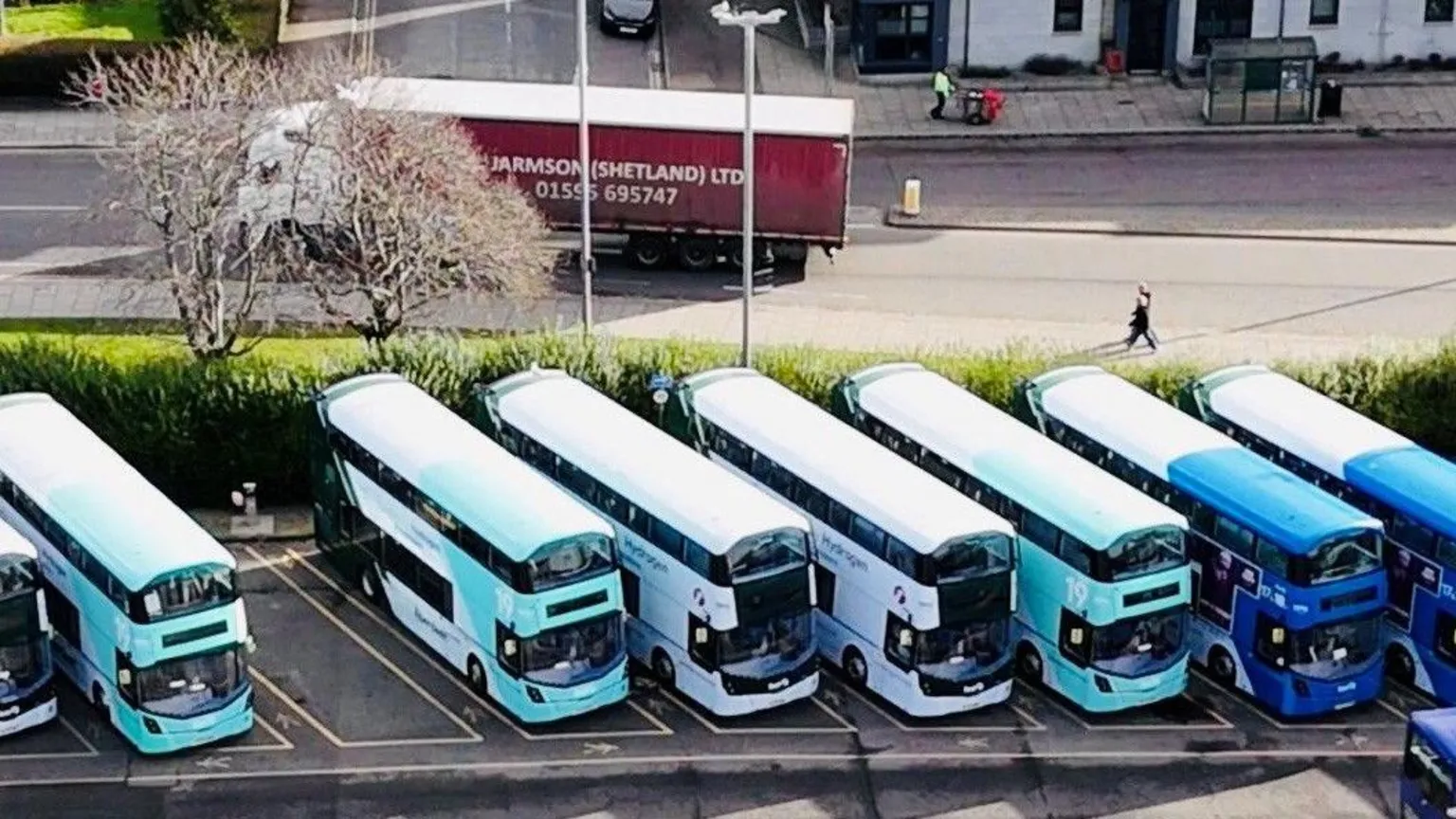
The world's first hydrogen double-decker bus fleet in Aberdeen has come to an end. This multi-million-pound initiative was designed to position the city as a global leader in clean public transportation, with ambitions to create 700 jobs.
However, the zero-emission hydrogen buses are now being phased out in favor of electric vehicles. Aberdeen City Council announced this decision on Thursday evening following a meeting of its urgent business committee.
In 2022, Aberdeen City Council partnered commercially with oil and gas company BP to advance the city's hydrogen transport goals. Despite this collaboration, technical difficulties and rapid advancements in electric vehicle technology have challenged the viability of the hydrogen fleet.
The hydrogen buses have been out of service since September 2024 due to issues with fuelling stations located at Kittybrewster and Cove.
The council stated it has been engaged in "ongoing discussions" with BP regarding the future of Aberdeen as a hydrogen hub, driven by significant progress in electric vehicle technology.
"As manufacturers and operators increasingly favour EVs, demand for hydrogen in transport has diminished,"
"In light of these developments, both parties are reassessing their strategic direction to align with the evolving market landscape."
Moving forward, the council plans to negotiate the transfer of the joint venture from BP and pursue a full transition to electric vehicles.
Questions have been raised about the total expenditure on the project, which is believed to have amounted to tens of millions of pounds.

BP has expressed its intention to collaborate closely with the council on the "next steps".
Meanwhile, bus operator First Bus confirmed it remains in discussions regarding future options for the fleet.
Transition Towards Electric Vehicles
The decline of hydrogen buses has been evident for several years, as numerous cities have opted for battery-powered alternatives.
In 2021, First Bus in Glasgow announced an investment in a fleet of 120 single and double-decker electric buses capable of rapid overnight charging, enabling up to 18 hours of operation daily.
More recently, Ember, an electric inter-city bus operator, has expanded its fleet to 38 vehicles serving Scotland's major urban centers.
Battery technology has advanced significantly, allowing electric buses to be charged quickly and to cover extensive distances. Although electric buses have higher upfront costs compared to diesel models, their low operating expenses result in substantial savings for operators from the outset.
Conversely, hydrogen fuel production remains costly, requiring large amounts of green electricity through electrolysis. While hydrogen buses offer the advantage of quick refueling within minutes, this benefit is increasingly viewed as insufficient to justify the premium cost.


