

AI Interviewer Speeds Up Care Job Recruitment
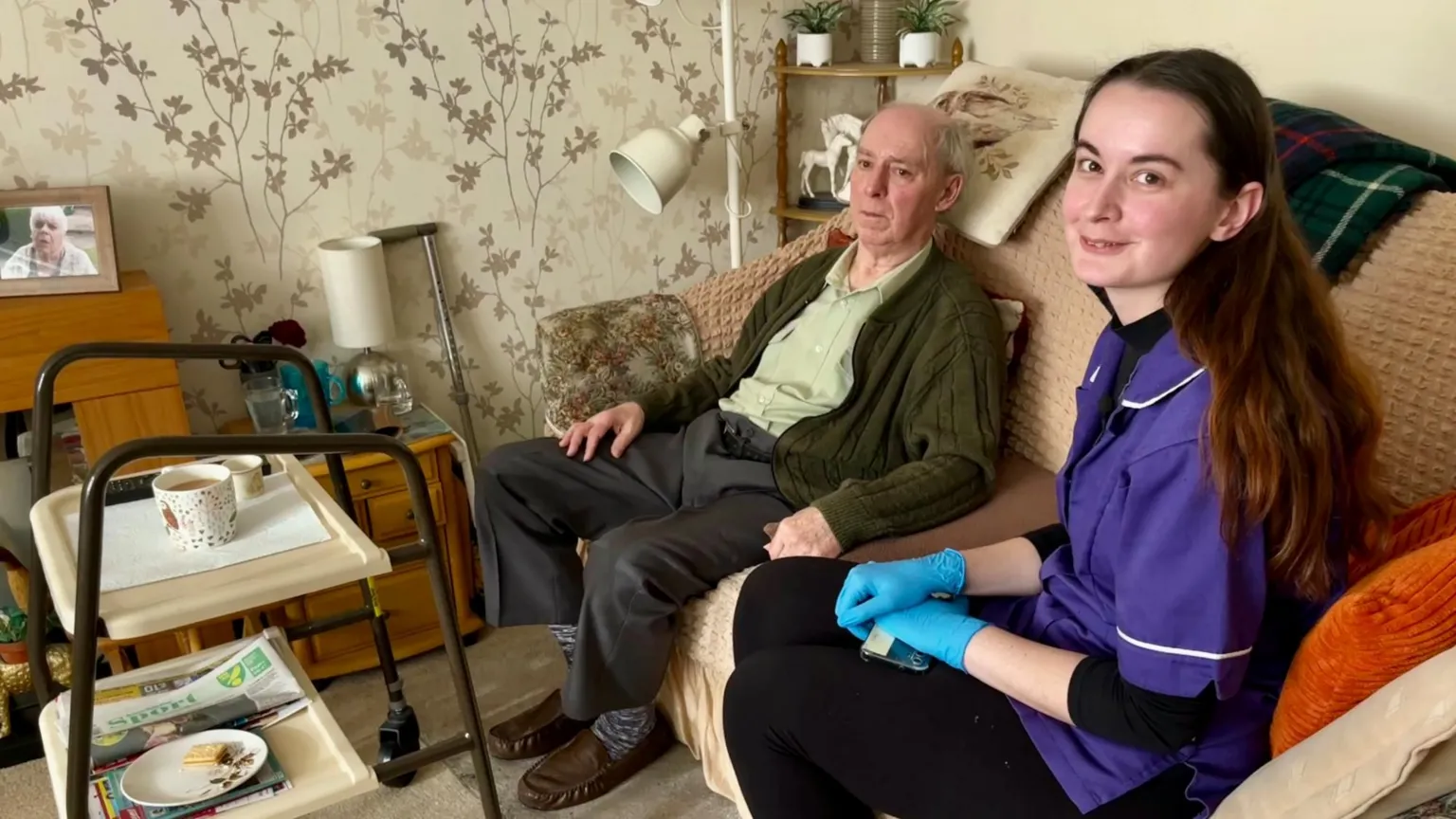
Just half an hour after applying for a care position, Mollie Cole-Wilkin received a phone call. Sitting at home, she answered, but the voice on the line was not human. Instead, she was speaking to "Ami," an AI-powered telephone interviewer developed by homecare provider Cera.
"It didn't sound like AI at all. My mum was in the other room. We thought it was just another person. We just couldn't believe it,"she recalls.
The call lasted approximately five minutes, after which Cole-Wilkin, from Long Stratton, Norfolk, was informed she had passed the screening. The system then scheduled a one-to-one interview with a human recruiter. Following a successful interview, she was offered the job.
The audio-only system has screened 14,600 applicants and recruited 1,028 carers to date. Cera, one of England's largest homecare providers supporting 2.5 million visits monthly, states that its AI system accelerates hiring in a sector facing increasing demand.
The adult social care sector is projected to require nearly 440,000 additional care workers by 2035.
Ami conducts initial interviews using a consistent script, scoring candidates out of 100 based on attitude and experience.
Cole-Wilkin, 23, had previously left a GP surgery role after a difficult experience and moved into administration but missed the direct, physical help and positive impact on people.
When applying for care roles again, she found the AI surprisingly encouraging. As someone who occasionally stammers, she found the AI less intimidating than a human interviewer.
"It was nice to know that I wasn't going to be judged... I get very anxious, especially face to face,"she explains.
"It did give responses like 'I'm happy you shared that with me' and it was quite a rewarding conversation."
Cera reports that since launching Ami in August 2025, the time from application to first interview has halved, and job offers have doubled for the same recruitment expenditure. The company states that standardised questions reduce bias and provide candidates like Mollie, who find traditional interviews stressful, a fairer opportunity. The system complies with Care Quality Commission standards.
Concerns Over AI's Ability to Assess Empathy
However, not everyone is convinced. Critics argue that algorithms cannot interpret the subtle cues essential in care roles.
Janet Beacham, director of Swift Care Solutions in Colchester and a former nurse with over 45 years of healthcare experience, believes only humans can assess genuine empathy.
"If they haven't got care in their heart then they're not going to be a good carer... They've got to have the right personality and have the right skills,"she states.
For Beacham, human intuition remains crucial.
"The first screening should be a review of the CV and then an initial telephone conversation, but actually a person‑to‑person one,"she adds.
She argues that care workers enter clients' homes as guests, and only a person can sense if someone is genuinely suited to such a role.

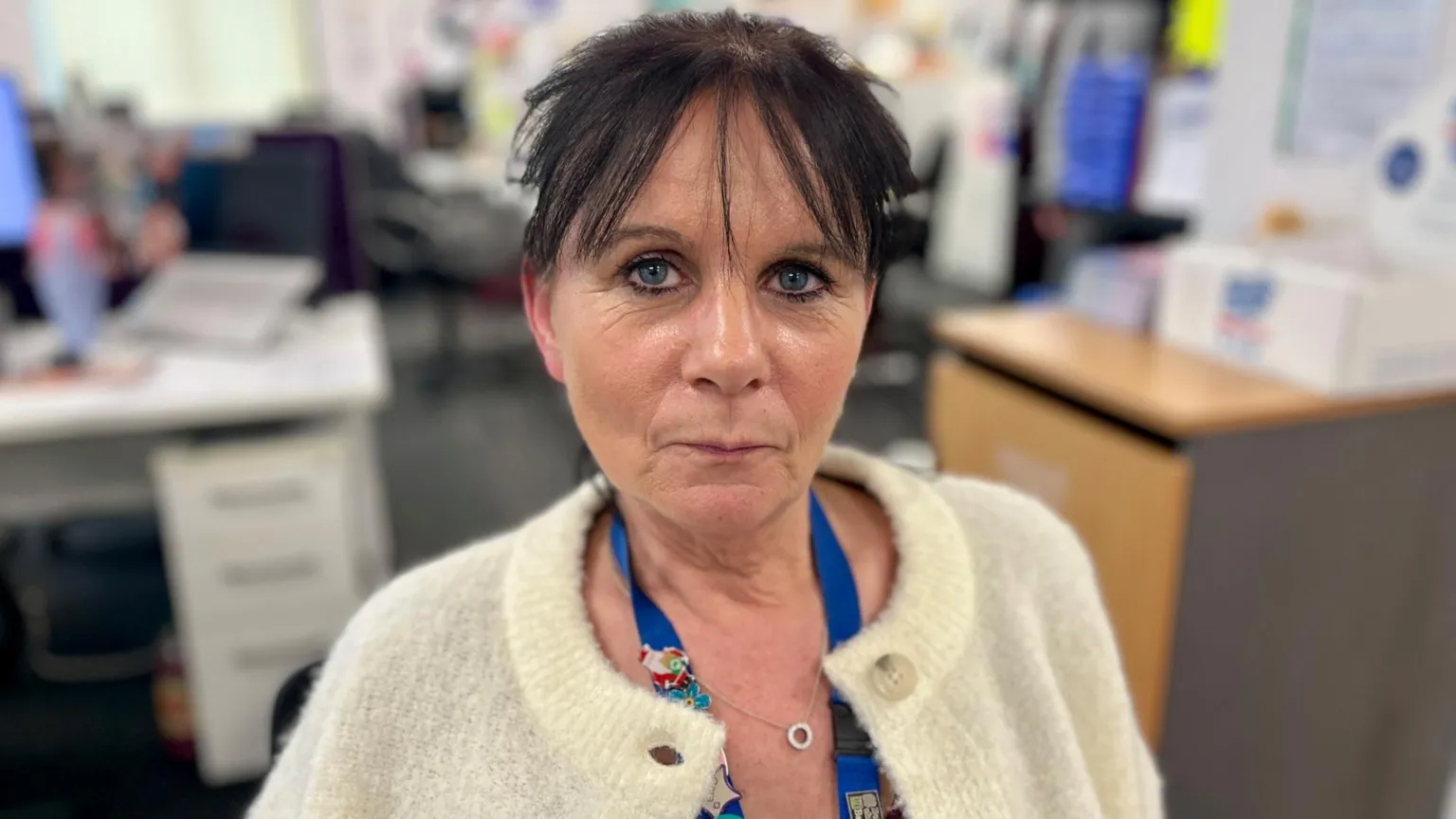
Conversely, Lucy Kruyer, branch manager at Cera's Colchester office, asserts that the technology is now indispensable. Accelerating recruitment helps alleviate hospital discharge delays.
"People don't want to be laying in a hospital waiting for care because they can't come home without the care,"she says.
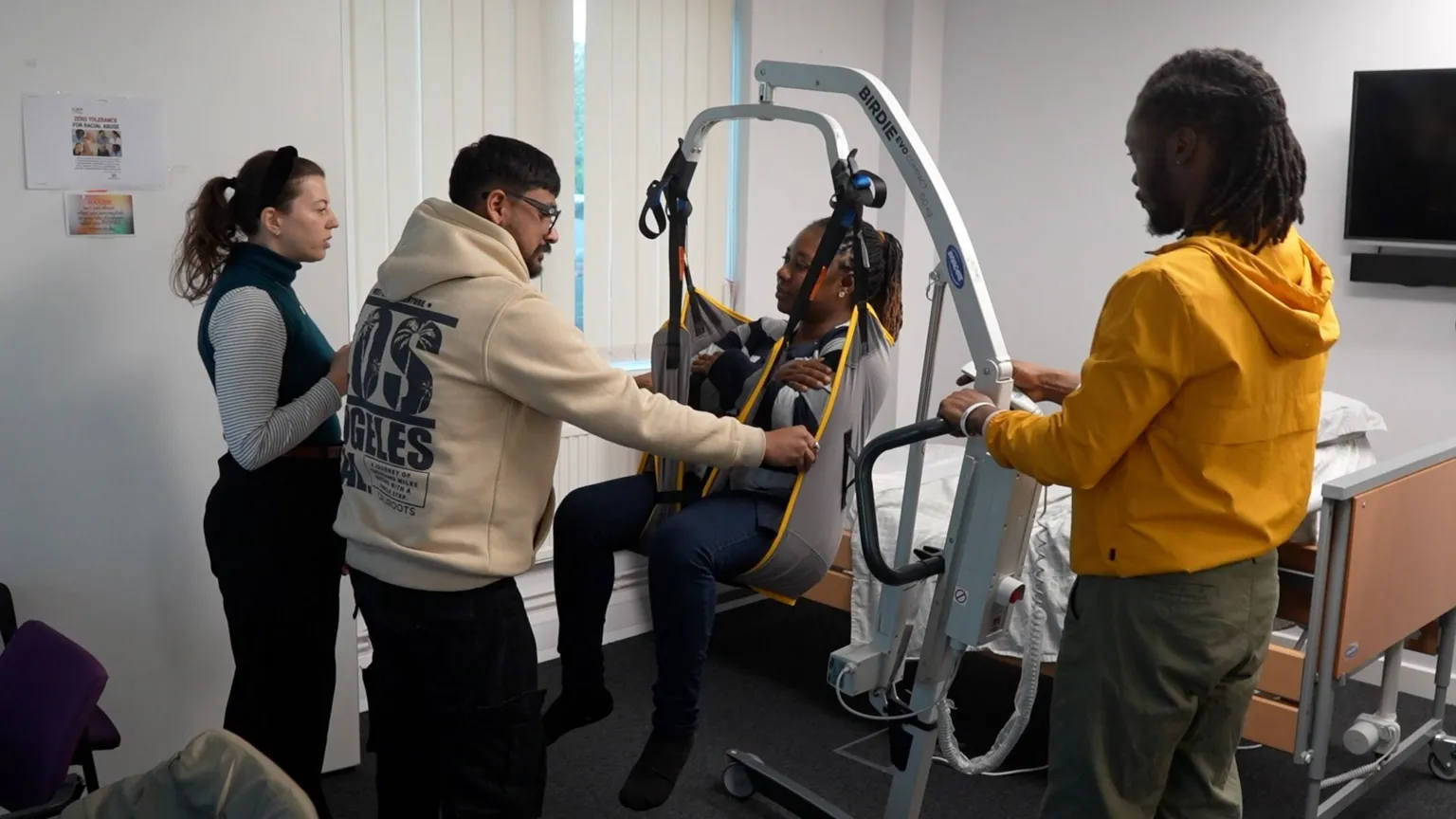
Human recruiters still conduct background checks and lead in-person training before new staff begin work.
Testing Ami: An AI Recruiter Experience
To understand what a phone call with an AI recruiter entails, a test was conducted with Ami. The system uses a soft, calm female voice, a common choice in technology, though evidence supporting female voices as more trustworthy is limited.
Ami asked about motivation for the role, experience, right to work, and driving licence status. When questioned about car insurance costs, Ami responded that costs vary, with some carers paying an additional £30 to £60 annually. Questions about training were answered clearly.

When challenged, Ami remained composed. For example, when asked about shift availability, the candidate explained an inability to work Saturdays due to childcare responsibilities and Friday nights due to personal preference. Ami acknowledged the importance of family traditions but emphasized the necessity of working at least one weekend day.
Offering Sundays instead, Ami confirmed availability and informed the candidate they had passed the screening.
Large language models like Ami operate through pattern recognition and associations, sufficient to advance candidates before human involvement.
Addressing Recruitment Challenges in Social Care
Cera receives approximately 500,000 applications annually. Traditional recruitment methods often leave applicants waiting days or weeks, leading many to withdraw or accept other jobs.
Founder and chief executive Dr Ben Maruthappu, who established the company in 2016 after his mother fractured her back and he experienced a "revolving door of carers," argues that AI expands rather than reduces the workforce.
"We're using AI to recruit more people faster, not replace them… Recruitment and staffing remain major challenges for health and social care,"he explains.
Ami can contact multiple candidates simultaneously, reducing waiting times from days to seconds, allowing staff to focus on supervising carers and training.

Cera also employs a separate AI tool to arrange cover when carers call in sick, a process that previously required hours of phone calls.
"I've got 177 carers out on the floor today so for me the phones are constantly ringing,"says Kruyer.
"We can't be answering phones and trying to get cover at the same time... We know it's working in the background, giving us a green light when we've got a carer that's saying yes."
Carers confirm details with staff. Preventative AI is also integrated into the Cera app to help workers log client symptoms and detect issues such as urinary infections. Additionally, it has supported the government in deploying a predictive falls tool.
Maruthappu believes the greater risk lies in failing to adopt AI.
"The real question shouldn't be whether we use AI – it should be how we use it to widen opportunity,"he says.
Cera is now licensing its recruitment AI to companies in other sectors, including dentistry.
Government and Industry Perspectives on AI in Care Recruitment
In March 2025, the government announced a "test and learn" approach to funding AI in the public sector to encourage innovation but has yet to establish a legal framework for AI use in care.
Gavin Edwards, head of social care at trade union Unison, acknowledges that technology can help free staff time, enabling better care.
"With major workforce shortages across the social care sector, help in increasing capacity and easing workload pressures is welcome,"he says.
"But AI can't wash or clean anyone, issue medication or carry out the many complex tasks care workers do.
Nor would it be wise to use it to make decisions about the care needed by each individual. Those are tasks for trained, skilled professionals.
There are also important considerations for recruitment. Any use of AI must be transparent, fair, and fully compliant with equality and employment laws."
A spokesperson for the Local Government Association states that technology can help build capacity in care when combined with human support but emphasizes that care is "fundamentally person-centred."
They add that AI must be co-designed with care service users and that "a human in the loop" should always oversee decisions, with robust safeguards in place.
The Department of Health and Social Care has been approached for comment.
Follow Essex news on , Facebook, Instagram and X.


