
Woman Diagnosed with Brain Tumours After Long-Term Use of Contraceptive Injection
Nicola McKay, a 53-year-old nurse from the rural Highlands of Scotland, has been diagnosed with three non-cancerous brain tumours, which she believes were caused by the contraceptive drug Depo-Provera that she used for over 20 years.
Nicola, from Portmahomak in Easter Ross, began receiving Depo-Provera injections every three months in the early 2000s. In February 2023, she was rushed to hospital after experiencing five seizures. A scan revealed she had three meningiomas, a type of benign brain tumour.
"The drug was convenient, you just assume these things are safe," Nicola told BBC Scotland News.
After undergoing surgery, doctors were unable to completely remove her tumours. One tumour has since shrunk following radiotherapy, but Nicola now faces a lifetime of potential seizures and ongoing medication to manage her condition.
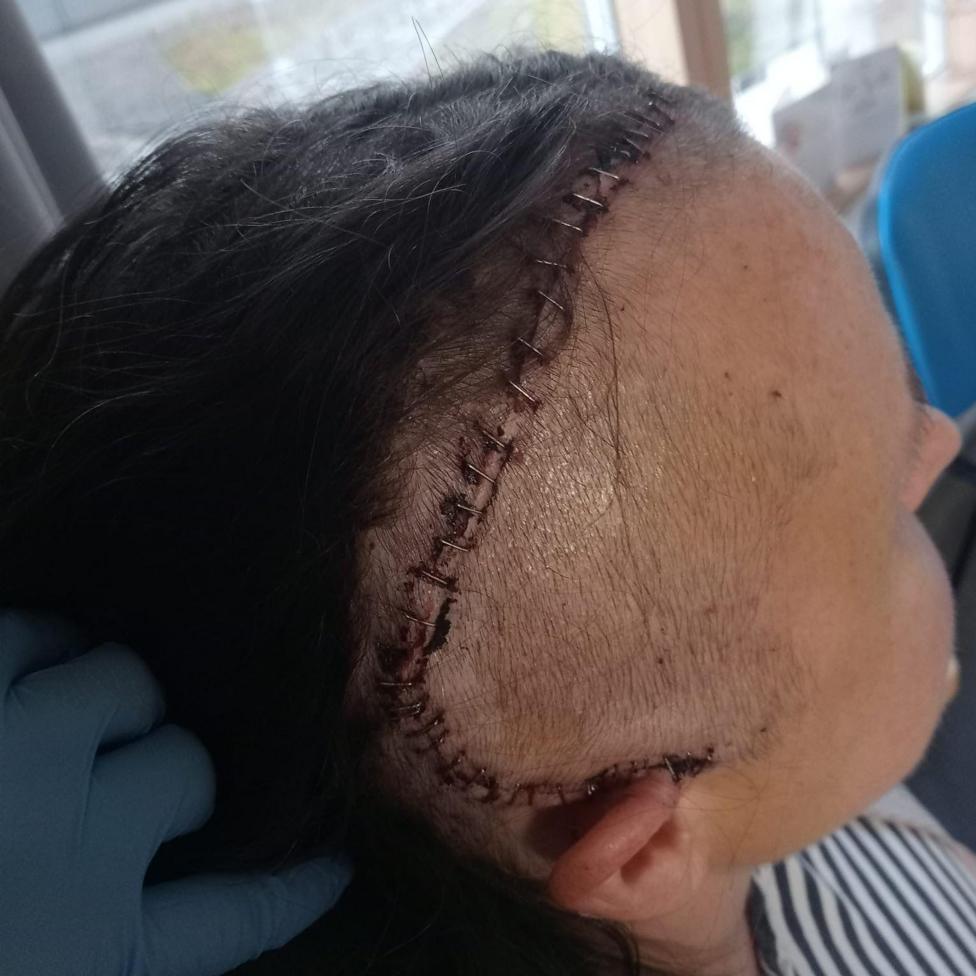
Having worked as a nurse for decades, Nicola has had to adapt to a new lifestyle. She described the impact on her life:
"Before I was such a busy, adventurous, outgoing person and now it has completely changed my life. This isn't a minor side effect like a rash - it is brain tumours - and dozens of women are impacted.
It's devastating, it affects every part of my life - I am such a different person to who I was before.
I'm a nurse, I miss work, I love being a nurse and after spending my lifetime caring for others, I am having to be looked after now and I have found that really hard."
Nicola had the Depo-Provera injection every three months for 23 years.
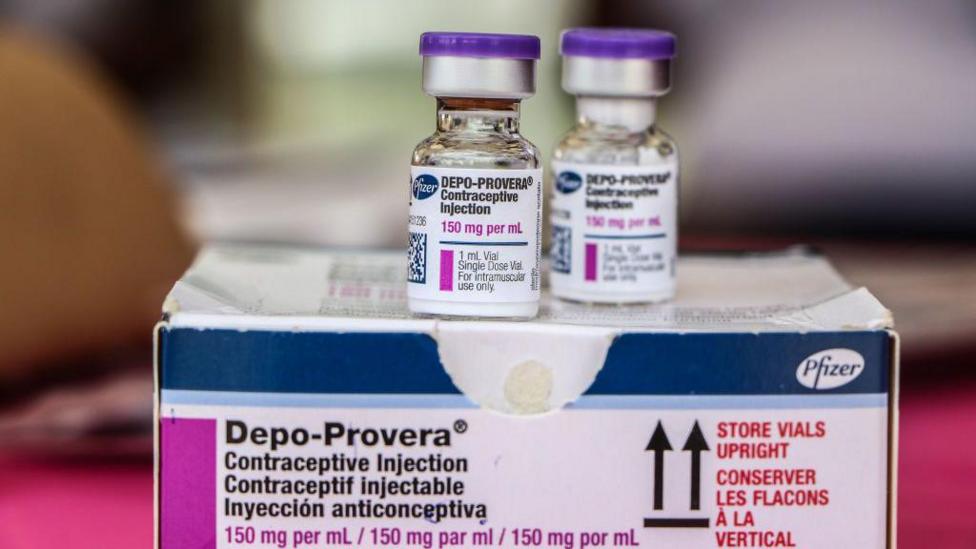
Depo-Provera and Its Associated Risks
Depo-Provera, the brand name for medroxyprogesterone acetate, is a progestogen hormone contraceptive that is more than 99% effective. In 2024, a study published externally by the British Medical Journal found that women who used Depo-Provera for at least 12 months were 5.6 times more likely to develop meningioma brain tumours.
Following this, the UK medicines regulator and Pfizer updated the patient information leaflet for Depo-Provera to include warnings about the risk of brain tumours.
Calls for Warnings and Inquiry
Last week, Nicola joined a group of women who met with Scottish Labour's Jackie Baillie at the Scottish Parliament to discuss calls for a UK-wide inquiry into the possible link between Depo-Provera and meningioma brain tumours. They also advocated for increased support for women who believe they have been affected by the drug.
"I want every person who prescribes the drug to warn women of the possible side effects," Nicola said.

Kirsty McCord, 52, from Biggar, was among those who met with Jackie Baillie. Kirsty shared her experience of being prescribed Depo-Provera as a teenager, having been told it was a "wonder drug" that would regulate her periods and hormones. More than 30 years later, she suffered a seizure that led to a diagnosis of a brain tumour.
Kirsty underwent brain surgery, but not all of the tumour could be removed due to its proximity to a major vein.
"It totally blindsided me - I had a tumour the size of a tangerine which had a cyst attached to it," Kirsty said.
"I'm on anti-seizure medication but there is nothing they can do to prevent the growth of the tumour.
It's like having a time bomb in my head just waiting to go off," she added.

Official Responses
Scotland's Public Health Minister Maree Todd stated she could not comment on matters potentially subject to legal action but expressed sympathy for affected women. She noted she would be meeting some of the women to hear their experiences firsthand.
Regulation of medicines is reserved to the UK Government. The UK Department of Health and Social Care indicated that it would consider appropriate regulatory action if significant new information arises.
A spokesperson for the Department said:
"Our thoughts are with all those affected by these side effects linked to Depo-Provera.
For most people, the benefits of Depo-Provera outweigh the risks, but anyone with questions or concerns should speak to a healthcare professional, such as a GP or pharmacist."
Dr Alison Cave, chief safety officer with the Medicines and Healthcare products Regulatory Agency (MHRA), commented:
"As with all medicines, the MHRA keeps the safety of medroxyprogesterone acetate and other synthetic forms of progesterone under continual review, using the full range of available evidence, including emerging research, global data, and international developments.
In line with usual processes, the need for further regulatory action will be considered, should significant new information be identified."
Legal Action and Manufacturer Statement
Thompsons Solicitors Scotland is representing approximately 150 women who claim to have been adversely affected by Depo-Provera. Partner Patrick McGuire stated:
"We are in a very early stage of gathering evidence - these cases are not simple.
In Scotland my firm have been approached by over 200 women who have been impacted and 150 have now signed up for us to take their case on."
A Pfizer spokesperson said:
"Patient safety is our top priority. We conduct rigorous and continuous monitoring of all our medicines, including assessments of reported adverse events, in collaboration with health authorities around the globe.
Depo-Provera (medroxyprogesterone acetate) has been approved in more than 60 countries over the last 30 years, has a well-established efficacy and safety profile and has been a treatment option for millions of patients during that time.
People should talk to their doctor, pharmacist or nurse if they have any concerns or experience any side effects."
Get in Touch
If you have had a similar experience, you are encouraged to come forward.


