Managing Ambulance Calls in Wales
An elderly cancer patient, unconscious at home and surrounded by concerned family members, and a five-month-old baby who has been covered in shower gel by their autistic sibling are among the types of calls received by ambulance control room staff in Wales. These staff members must determine which situations require an ambulance response.
I spent a day in one of these control rooms, engaging with staff and listening to some of the 999 calls. The approach used in Wales to handle these calls has attracted attention worldwide. I sought to understand how the system is functioning and whether Wales is an outlier or an innovator in this field.
Calls are categorised by urgency: purple and red represent the most critical, orange includes emergencies such as heart attacks and strokes, while yellow and green denote lower priority cases. Most calls require further evaluation by trained specialists.
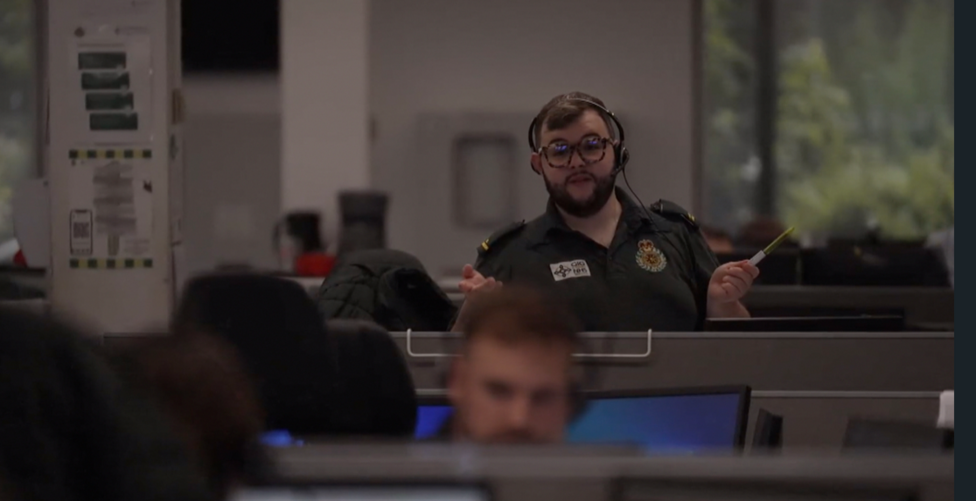
"Some colleagues refer to us the Tinder clinicians,"said one clinical navigator. He explained that swiping left places calls into a queue for further triage by a nurse or paramedic, whereas swiping right indicates that an ambulance is dispatched promptly.
Despite this system, the majority of calls in Wales do not result in an ambulance being sent.
Examples include a woman in her 40s experiencing alcohol withdrawal seeking help from hostel staff, and an elderly man who had fallen at home with his frail wife unable to assist him.
Typically, around 50,000 calls are received monthly, each representing a personal emergency. On an average day, only 2.6% are classified as the most life-threatening "purple calls," which require a blue-light ambulance response within six to eight minutes.
Different solutions have been developed for patients unlikely to benefit from emergency department visits, thereby preserving limited resources for those in critical need.
"I only want to send an ambulance when we really know that person needs to be transported somewhere urgently,"said Andy Swinburn, executive director of paramedicine at the Welsh Ambulance Service.
He believes that managing more patients in the "yellow" category within the community, without transferring them to emergency departments, frees ambulance capacity for heart attacks and strokes.
The Welsh Ambulance Services Trust has evolved to include remote assessments, video consultations, advanced solo paramedics capable of treating and discharging patients at home, and volunteers to manage the volume of less urgent calls.
"It's not just about easing pressure on our own service,"Swinburn added.
"It reduces the impact on the whole NHS, but just as importantly has better outcomes for patients."
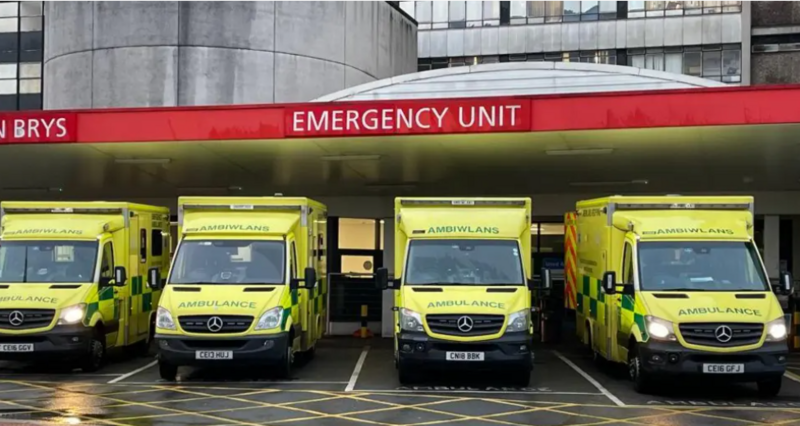
Call Handling and Challenges
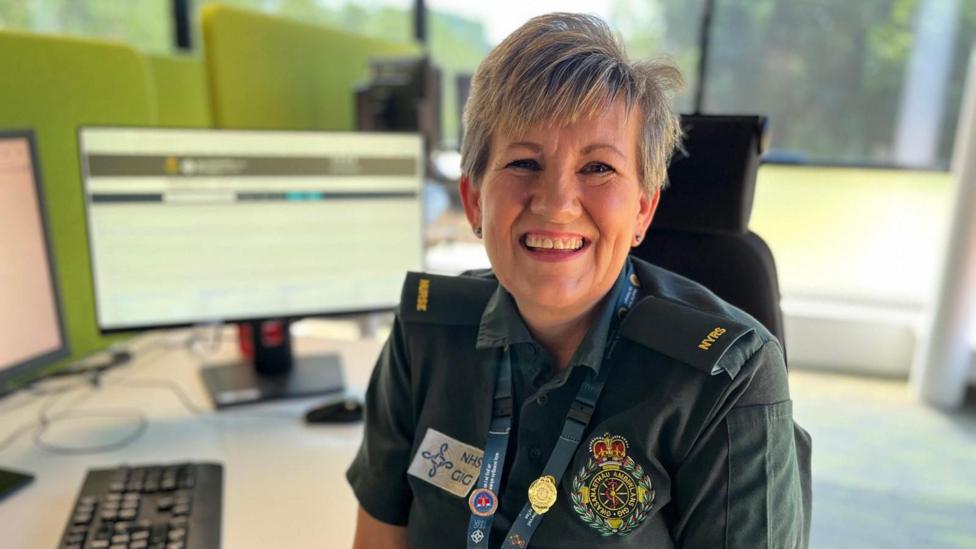
Abbie Williams, a call-taker supervisor who has worked in the Cwmbran, Torfaen control room since 2019, described the increasing demand. When she began, there could be up to an hour between calls; now, calls come in almost continuously.
"Now you hang up and you're straight on to the next call,"she said.
Recent hot weather has increased demand, with cases of heat stroke, beach and waterfall injuries, and a rise in fatal car crashes.
Female staff, in particular, face calls involving threats of violence, including sexual violence.
"We've had in the past a regular caller who is always abusive and sexually inappropriate to females - you put a male on the phone and he hangs up,"Williams added.
Despite these challenges, she finds the job rewarding, especially when she knows she has made a difference.
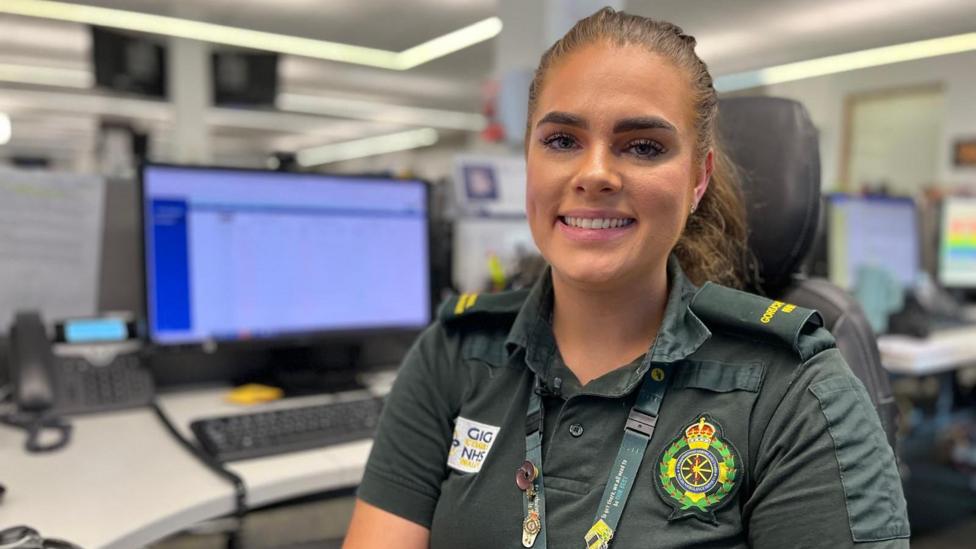
During my time with Williams, calls classified as "orange"—serious cases requiring face-to-face assessment—were experiencing wait times averaging 50 minutes in Powys and 90 minutes in Swansea Bay.
For example, the woman undergoing alcohol withdrawal was referred to the 111 service, where the "press 2" team handling mental health calls could provide addiction support.
Clinical navigators play a key role by reviewing notes taken by call handlers to identify those requiring rapid response.
"They are already identifying 70% of our heart attacks from two paragraphs of text,"said Swinburn.
"As experienced, well-educated clinicians they are spotting things and differentiating between indigestion and a heart attack."
With six navigators on shift daily, they spend approximately 90 seconds reviewing each call, processing up to 1,000 calls in a 12-hour period. They also monitor waiting calls to ensure no urgent cases are overlooked.

"One of the main reasons our role exists is to make sure people get the right response,"one navigator explained.
"There's a lot of 999 calls that don't necessarily require an ambulance to turn up on blue lights - but 999 is their first port of call. We're making sure those people get the help that they need."
He described handling calls from "high intensity service users" who may call up to 10 times daily for months.
"It's more common than you think,"he said.
In May alone, official data showed that 304 frequent callers to the Welsh Ambulance Service generated 2,999 incidents. Each call requires serious attention despite the frequency.
Specialised Teams and Community Care
The elderly caller in mid-Wales who slipped on decking was referred to the Falls Desk, initially established as a pilot to handle approximately 1,000 such calls daily. The program quickly demonstrated significant benefits.
Ruth Baker, an integrated care clinician and registered nurse who joined the ambulance service a year ago, explained that callers are advised to remain on the floor initially for safety. The falls team then assesses whether it is safe to assist them in standing or moving.
If help is needed, a falls responder, such as St John's Ambulance, can be dispatched.
"We find that the longer patients are on the floor, the longer that they'll be in hospital for,"Baker said.
For those awaiting assistance, advice is provided on hydration, nutrition, and comfort.
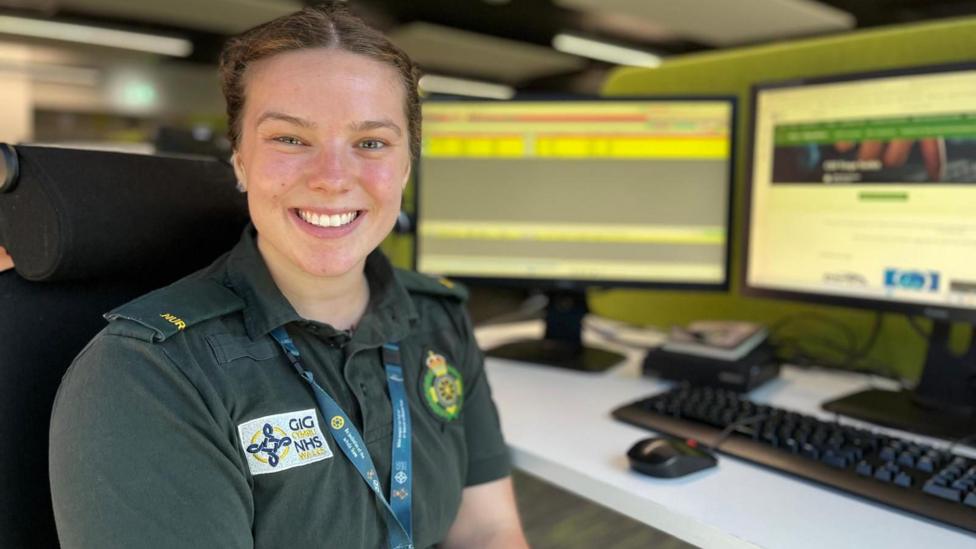
Amanda Morgan, another registered nurse working at the care planning desk, described how the team monitors patients during busy periods when wait times may increase.
Lower acuity calls, classified as "yellow" or "green," undergo further assessment to determine appropriate care pathways.
"We're not about stopping ambulances being sent to patients, we're more about getting the right help to the patient at the right time,"Morgan said.
Volunteers, known as community welfare responders, are trained to monitor vital signs such as blood pressure and oxygen levels, supporting clinical decision-making.
Global Interest and Outcome-Focused Approach
Andy Swinburn noted that the changes implemented by the Welsh Ambulance Service have attracted interest internationally, as the focus shifts from ambulance response times to patient outcomes.
These initiatives aim to reduce pressure on traditional ambulances, which transport critically ill patients to emergency departments.
In the past year, new targets for the most urgent calls have been introduced, including "purple" and "red" categories that prioritise patient outcomes over rapid paramedic arrival.
Swinburn highlighted the increased role of bystanders in the moments following cardiac or respiratory arrest.
"There's been a greater uptake in CPR done before ambulance staff arrive,"he said, along with a
"dramatic uptick in the number of public access defibrillators that are registered."
"I'm seeing a gradual improvement in the cardiac arrest outcomes, the number of people helping us in terms of resuscitating patients - these were focuses we simply never had before because we were chasing an eight minute target,"he added.
One year into these changes, Swinburn acknowledged there is still progress to be made, noting that too many patients remain in the red category only for paramedics to find they can be managed in the community.
The Welsh approach distinguishes itself, and while Swinburn receives interest from colleagues in Canada, Australia, and New Zealand, he responded to concerns about the approach being a gamble.
"I wouldn't use your term 'gamble' but the reality for me is we can't just keep doing what we've always done and expect something's going to change,"he said.