First UK Child Receives Pioneering Leg-Lengthening Surgery
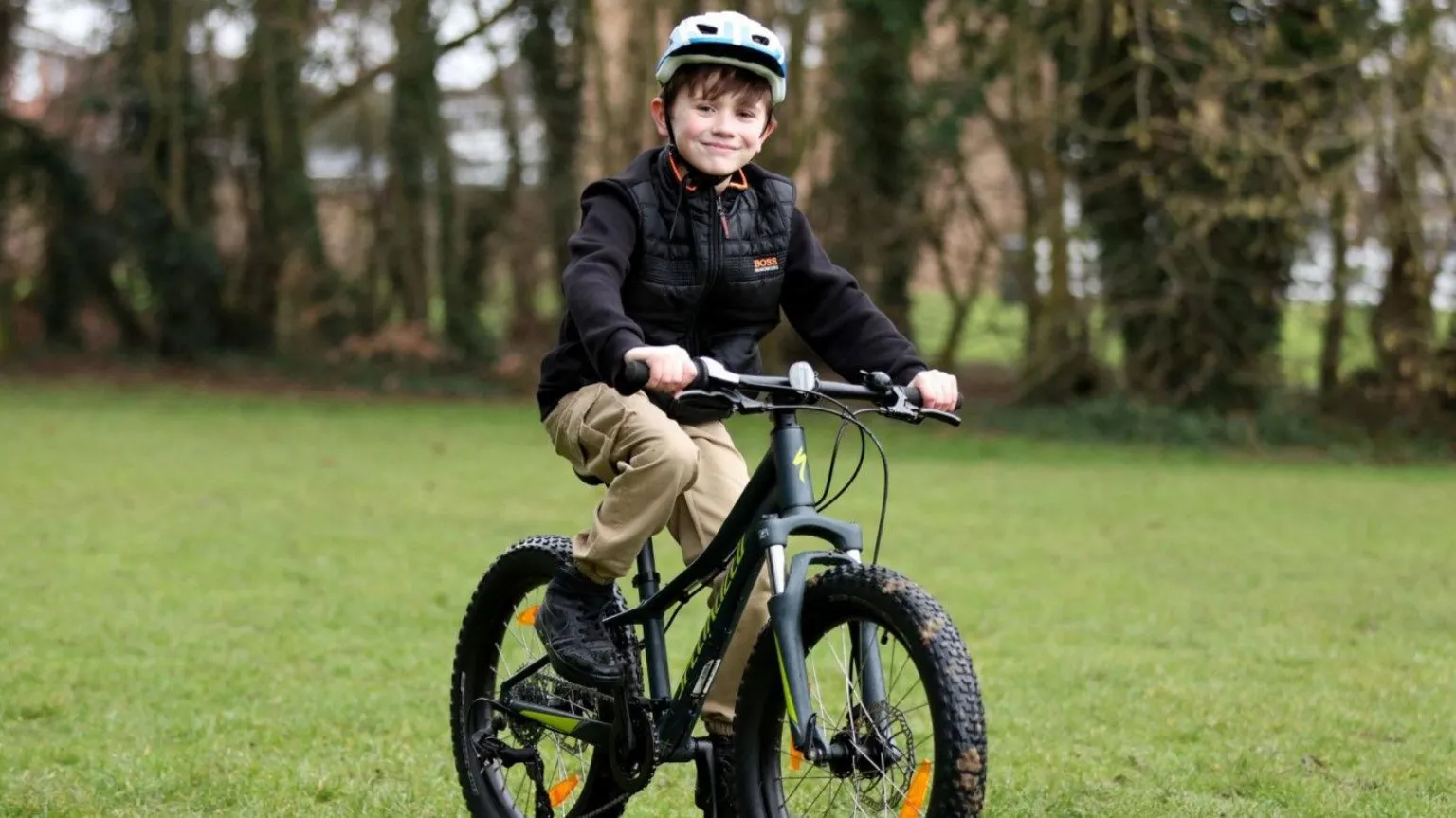
A nine-year-old boy has become the first person in the UK to undergo an innovative surgical procedure to lengthen one of his legs.
Alfie Phillips has a rare condition known as fibular hemimelia, which caused his right leg to develop abnormally, resulting in it being over an inch shorter than his left leg.
Thanks to a novel treatment performed by specialists at Liverpool's Alder Hey Children's Hospital, Alfie has gained 3cm in leg length.
Alfie, who lives in Northampton, expressed that he was both "excited" and scared to be the first patient to receive this procedure. Nearly a year later, he is now "running around as normal" and enjoys playing basketball.
Fibular hemimelia is a rare congenital condition affecting fewer than one in 40,000 births.
The new technique involved implanting a lengthening nail on the surface of Alfie's right femur, which is gradually extended over time using magnetic technology.
While lengthening nails have been used inside the bones of adults, this procedure was previously unavailable for younger children due to the risk of damaging growth plates.
"We know that being able to lengthen internally is less painful and a better experience overall," said Nick Peterson, a consultant orthopaedic surgeon at Alder Hey. "But before this technique, it wasn't available for children."
Prior to his referral to Alder Hey in 2024, Alfie's only option to lengthen his leg was to have an external fixator fitted.
The operation to implant the nail was performed in March 2025, after which Alfie spent less than a week in hospital.
This new method, developed in the United States, involved placing a motorised telescopic nail on the surface of Alfie's femur.
To lengthen the limb, a magnetic device was applied to Alfie's leg three times daily for one month.
This process gradually pulled the two ends of the bone apart by approximately 1mm each day, while Alfie's body naturally generated new bone tissue to fill the gap.
Following the surgery, Alfie underwent weekly physiotherapy sessions and regular assessments by doctors and specialist nurses until the lengthening process was complete, which took about six weeks.
He continued physiotherapy until the nail was removed, approximately three to four months after the initial operation.
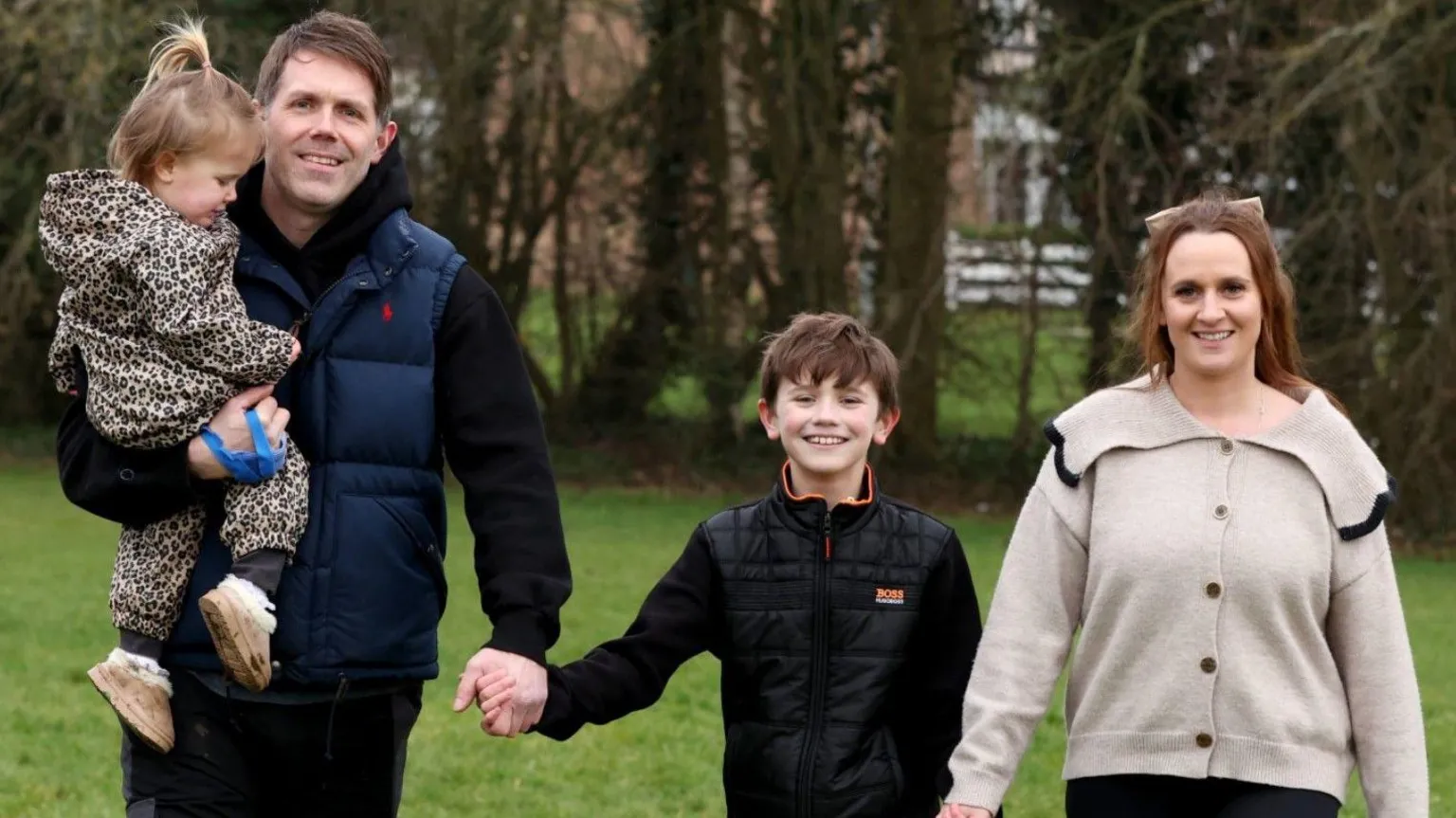
"He healed really well," said Alfie's mother, Laura Ducker, 34. "He coped magnificently. He was keen to go back to school fairly quickly."
"He's running around as normal, if you were to look at him you would never know that there had ever been anything happen. He is just incredible."

Alfie stated that aside from a brief period during which he could not use his legs, the treatment has "made a big difference."
"I can do a lot of the things I couldn't do before like skipping, and now I am better at basketball and I can do trampolining, too.
"I didn't realise how much I used my legs all the time, but other than not being able to weight bear for a while it's gone quite good," he added.
"I'm now taller than my friend, and I can call him short."
Although Alfie may require additional lengthening treatment on his shin bone in the future, Peterson noted that his experience at this age has been "vastly superior to what it would have been."
Specialists at Alder Hey measured the current leg length difference at 4cm (1.6in) and projected it to increase to 6cm (2.4in) by the time Alfie is fully grown, around age 16.
Peterson described Alfie's recovery as "remarkable."
The hospital has since performed this technique on three other children with fibular hemimelia, and other specialist centres across the UK are preparing to adopt the procedure.
Peterson stated that Alfie's case "paves the way for this technique to replace that old fashioned way of doing things."
Listen to the best of BBC Radio Merseyside on Sounds and follow BBC Merseyside on Facebook, X, and Instagram. You can also send story ideas via Whatsapp to 0808 100 2230.
About Fibular Hemimelia and the Surgical Technique
Fibular hemimelia is a rare congenital disorder characterized by the underdevelopment or absence of the fibula bone in the leg, leading to limb length discrepancies and deformities.
The innovative surgical method used for Alfie involves a motorised telescopic nail implanted on the surface of the femur, which is lengthened gradually using an external magnetic device.
This approach contrasts with traditional external fixators, which are more invasive and often associated with greater discomfort and complications.
The magnetic lengthening device is applied to the leg multiple times daily, enabling controlled bone distraction at a rate of approximately 1mm per day, promoting new bone growth in the gap.
Alfie underwent physiotherapy throughout the lengthening and recovery phases to support mobility and strengthen the limb.
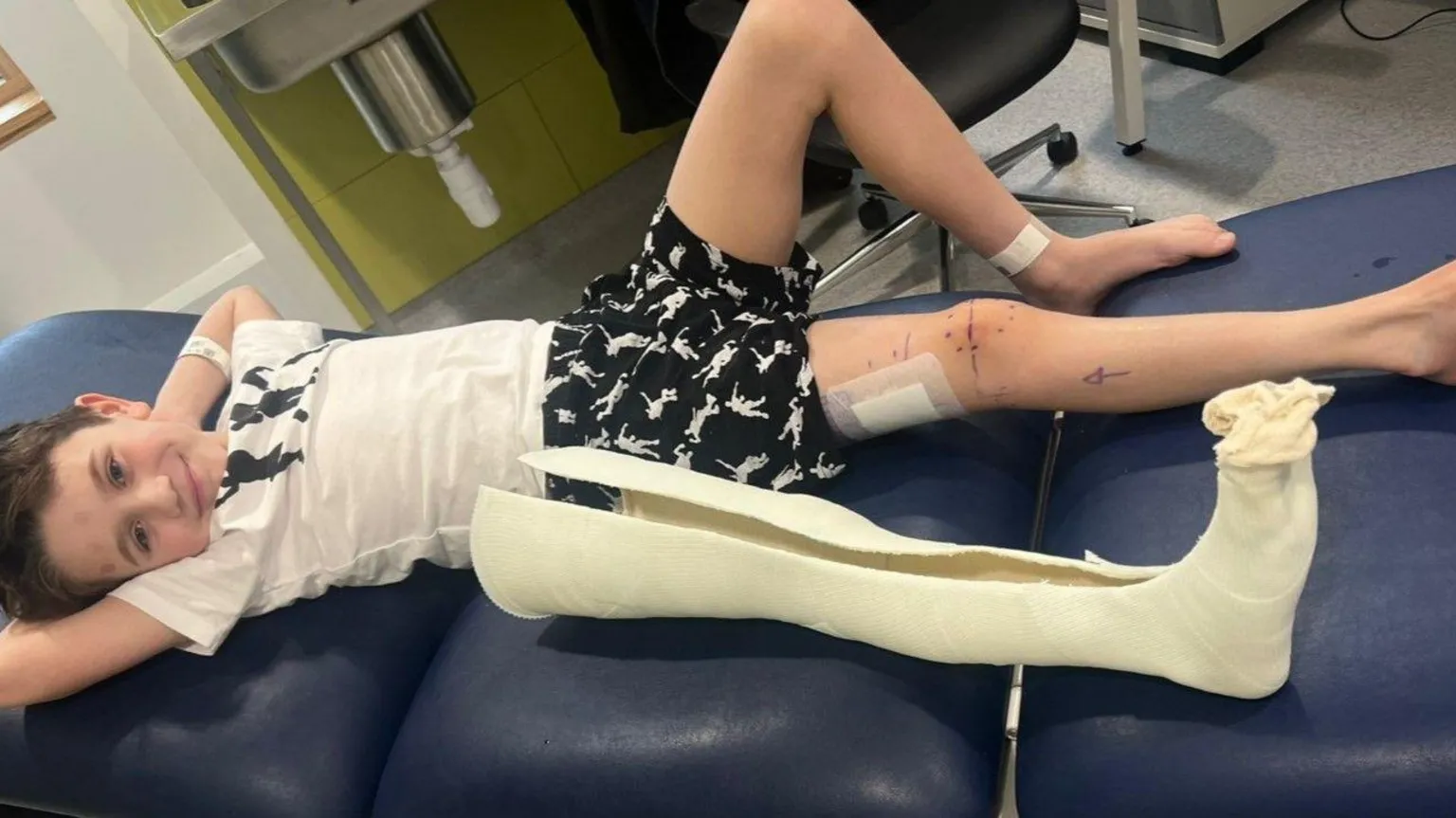
Alfie’s condition prior to surgery involved a leg length discrepancy of over an inch, which affected his mobility and daily activities.