

Record High Melanoma Diagnoses in the UK
The number of new melanoma skin cancer cases diagnosed annually in the UK has surpassed 20,000 for the first time. According to Cancer Research UK, excessive exposure to ultraviolet (UV) light from the sun or sunbeds contributes significantly to this rise, with an estimated nine out of every ten cases considered preventable.
Preventative measures include careful sun exposure, using sunscreen with at least SPF 30 and a four or five-star rating, and seeking shade when outdoors. The charity emphasizes that sunburn can affect anyone, including individuals with darker skin tones, and urges the public to remain cautious, especially during potentially sunny bank holidays across much of the UK.
Sunburn is a clear indicator of skin damage, though skin damage can occur without visible burning or redness.
"Take care when the sun is strong by seeking shade, covering up and applying sunscreen and, if you notice any unusual changes to your skin, contact your GP.
Whether it is a new or changing mole, a sore that doesn't heal, or an area of your skin that looks out of the ordinary, it's important to get it checked out.
It probably won't be cancer, but if it is, getting it diagnosed and treated early can make all the difference."
These remarks were made by Michelle Mitchell, chief executive of Cancer Research UK.
New Age Verification Measures to Prevent Underage Sunbed Use
Analysis of the most recent complete data from 2022 reveals 20,980 new melanoma cases in the UK, marking the highest recorded incidence of this deadliest skin cancer form. Women tend to be diagnosed at younger ages, attributed to greater sun exposure through activities such as sunbathing and sunbed use, while men show higher rates at older ages, linked to cumulative sun exposure over time.
Cancer Research UK also notes that overdiagnosis—detecting cancers unlikely to cause harm—may contribute to the increasing rates alongside heightened awareness.
Currently, individuals under 18 are prohibited from using sunbeds. However, teenagers sometimes circumvent these rules by using contactless payment methods that allow sunbed access without staff verification, according to government warnings.
To address this, new regulations mandating mandatory ID checks requiring staff to verify customer details to prevent underage sunbed use are under consideration.
"Sunbeds cause cancer - and yet children as young as 14 are still accessing them illegally. That is not acceptable.
We're closing the ways in which businesses could get away with this, and making sure anyone who uses a sunbed knows exactly what they're risking."
These statements were made by Public Health and Prevention Minister Sharon Hodgson.
High-Risk Cancer: Personal Experience
Rebecca Dance, a mother of two from Berkshire, was diagnosed with malignant melanoma at age 39 after noticing a suspicious mole on her back. Her general practitioner referred her to a hospital where the mole was surgically removed. Now 44, she credits the early detection and surgery with saving her life, as the cancer was caught before it could spread.
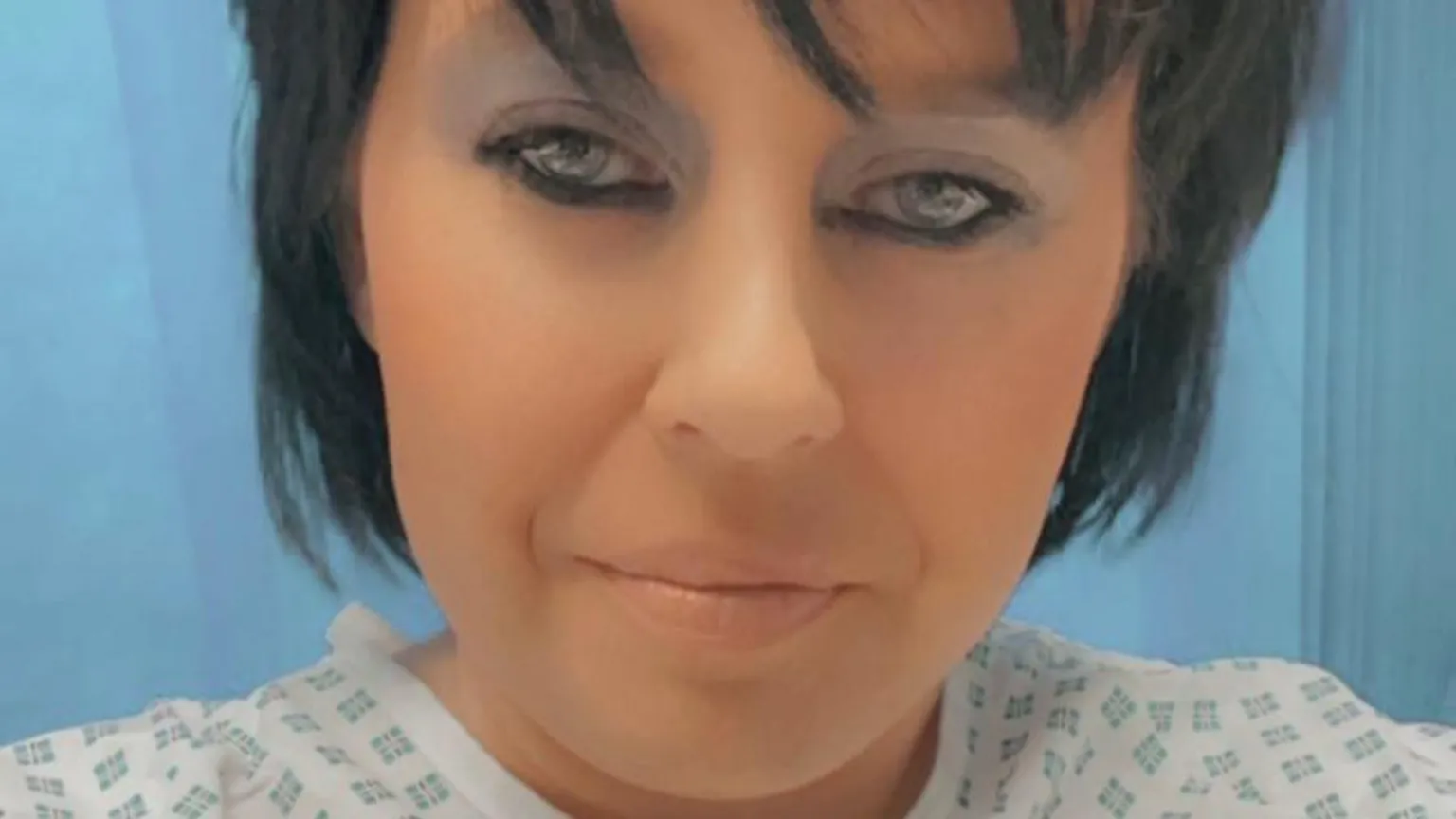
Melanoma is the most serious type of skin cancer and can be fatal if untreated.
"My whole life flashed in front of me because I just thought, 'Oh my God, I've got cancer.'
I was in complete shock. I knew what melanoma was and that it was the worst type of skin cancer that can spread to your organs," she told .
She described trying to maintain normalcy between diagnosis and surgery, but the diagnosis weighed heavily on her mind. As a single parent, her greatest fear was dying.
Rebecca also highlighted a common misconception that skin cancer only affects those who sunbathe or use sunbeds.
"I've got very pale skin and a lot of moles so I am at higher risk already. I'm always really careful in the sun.
The sun makes people happy - of course it does. But I'll always be extra careful, use factor 50 suncream and cover up."
She advises regular skin checks and prompt consultation with a GP if any changes are noticed.
"Don't delay speaking to your GP if you notice anything."
Recommendations for Sun Safety
To minimize the risk of skin cancer, Cancer Research UK recommends the following precautions when spending time outdoors:
- Seek shade during peak sun hours.
- Wear protective clothing and hats.
- Apply broad-spectrum sunscreen with at least SPF 30 and a four or five-star rating.
- Regularly check your skin for any unusual changes or new growths.
- Consult a healthcare professional promptly if you notice any suspicious skin changes.


