Hydration Breaks Spark Debate at 2026 World Cup
The 2026 World Cup marks the first tournament to feature mandatory hydration breaks twice during every game. This change has generated controversy among fans and commentators. Some critics argue that these breaks serve more as opportunities for broadcasters to air additional advertisements rather than genuine hydration needs. They also claim the breaks disrupt the natural flow of play and are unnecessary in air-conditioned stadiums.
Regardless of these opinions, the topic of hydration is gaining increasing attention globally.
Scientific Focus on Hydration
"Hydration is a key issue,"states Andreas Flouris from the University of Thessaly in Greece.
"We definitely see it, from a scientific point of view, gaining more and more attention."
With climate change intensifying heatwaves, public health campaigns worldwide are encouraging increased fluid intake. This context has led to a surge in hydration-focused consumer electronics, ranging from sweat monitors to urine-analyzing devices attached to toilets. The question remains: do these technologies effectively aid hydration?
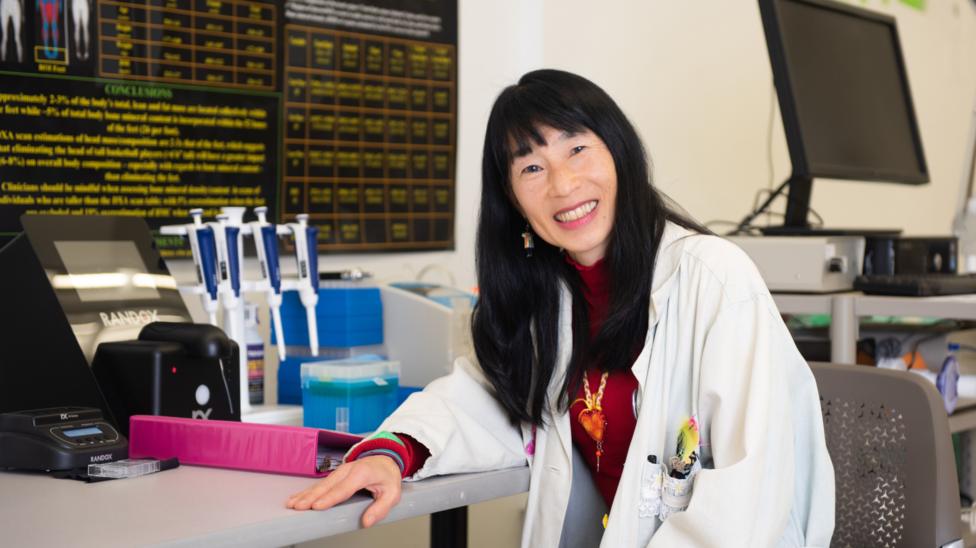
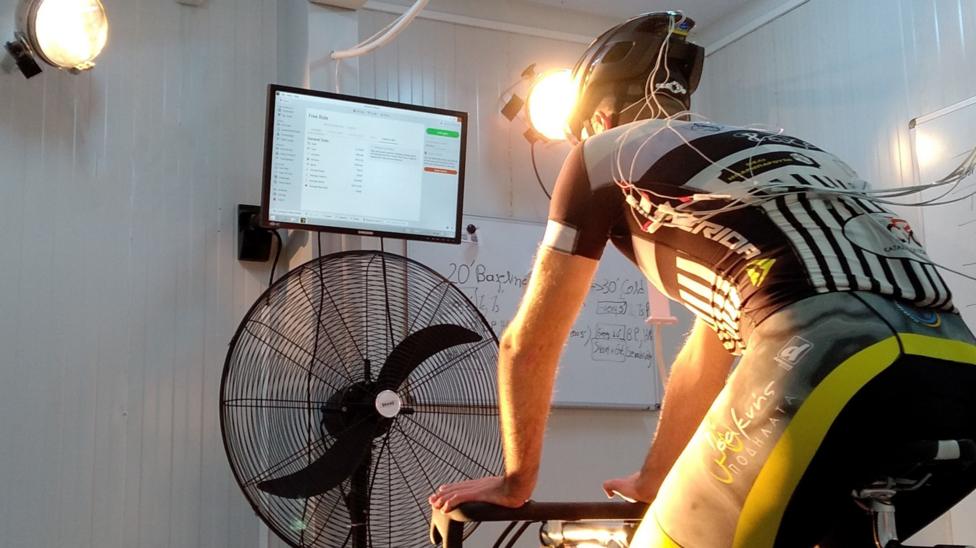
The lab of Andreas Flouris at the University of Thessaly researches hydration
Prevalence of Dehydration
Insufficient water intake is a widespread issue. A 2023 study indicated that one in four UK adults aged 65 or older were dehydrated due to inadequate fluid consumption. Additionally, a 2018 study led by Flouris assessed hydration in 139 workers across Europe, revealing that 70% were dehydrated to levels potentially impairing cognitive function and motor control.
Hydration Technology and Its Applications
Proponents of hydration technology argue that their devices can assist users in maintaining proper hydration. Roozbeh Ghaffari, co-founder and CEO of US-based Epicore Biosystems, notes that while early wearable gadgets like the Apple Watch and Fitbit popularized step counting, sweat analysis represents the next frontier.
Epicore Biosystems produces sweat-analyzing devices including single-use adhesive patches and sleeve-like wearables. These devices measure sweat flow rate, sodium content, skin temperature, and other metrics.
A newly introduced armband and accompanying app evaluate "hydration readiness" using real-time sweat data, aiming to prevent dehydration before it occurs.
"With this new generation of our wearables, we could figure out what type of risk profile you have based on your sweat score,"says Ghaffari.
Some devices emit gentle vibrations to signal when it is time to drink fluids to avoid dehydration.
Epicore Biosystems reports that their products are utilized not only by athletes but also by workers in high-temperature environments such as construction sites, oil and gas facilities, and airports.
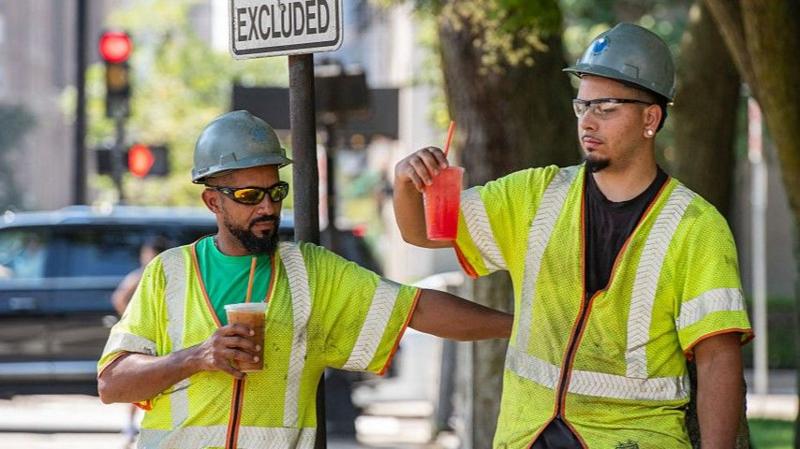
Hydration tracking could be useful for outdoor workers
Expert Skepticism and Device Accuracy
Despite enthusiasm, Flouris expresses skepticism regarding sweat-sensing devices. After evaluating several unnamed products in his laboratory, he states,
"Most of these products that we've tested do not show the level of accuracy that you would expect."His experimental results remain unpublished.

He suggests that sweat sensors perform best during prolonged physical activity, such as marathons, but face challenges when exertion is intermittent or variable, as in sports like football where activity levels fluctuate rapidly.
In response, Ghaffari highlights that Epicore Biosystems has published peer-reviewed studies on their devices' accuracy. He acknowledges that measuring sweat loss over short intervals (up to 20 minutes) can be difficult but asserts their products are effective for workouts lasting 30 minutes or longer.
Smart Water Bottles and Alternative Hydration Devices
Among the most common hydration-focused products are smart water bottles that remind users to drink throughout the day. Cem Bakiş, head of business development at WaterH, explains,
"We try to make it fun. You can add friends, you can earn points."
While some smart bottles estimate liquid volume by weight changes, WaterH uses sensors to detect when the bottle is tilted and measures fluid flow rate to determine if sufficient liquid has been consumed.
Bakiş acknowledges that some online reviews criticize measurement accuracy, attributing issues to calibration errors that can be easily corrected.
For those preferring a different approach, Vivoo offers a urine-analyzing device that attaches to the rim of a toilet bowl, providing insights into hydration status.
The device uses optical sensors to measure urine specific gravity, which compares urine density to water; higher density generally indicates dehydration. Vivoo's website clarifies that their products are not intended for medical diagnosis.
Urine-based hydration assessments are common in scientific research, notes Flouris, though he cautions there may be a delay between dehydration onset and detectable changes in urine.
Potential Emotional Impact of Hydration Monitoring
Tamara Hew-Butler of Wayne State University finds hydration-monitoring devices
"interesting,"but raises concerns about possible anxiety induced by constant health tracking.
"More metrics, reminders and goal-setting are not necessarily what everyone needs. It's added some information – but it's also, I think, added a bit of an emotional burden,"she explains.
Bakiş emphasizes that WaterH's smart bottle aims to help users build healthy habits rather than cause stress.
A Vivoo spokeswoman acknowledges concerns about anxiety from frequent health monitoring but states,
"Vivoo's smart toilet technology is designed around passive, routine-based testing. Users do not need to take additional steps or repeatedly check an app throughout the day."
Tamara Hew-Butler also notes that hydration technology may have specific benefits, such as alerting coaches when team members become dehydrated, especially those reluctant to admit weakness.
"What technology does is it gives us this immediate result,"she says. She adds that while avoiding both dehydration and over-hydration is important, the human body is more adaptable than often assumed, with a wider safety range.
Tamara Hew-Butler warns that tracking health data could raise anxiety