

Swimming Curriculum and Challenges
All children are expected to learn to swim at least 25 metres before leaving school as part of the current curriculum. However, swimming lessons are being affected by pool closures and rising costs. Attention is now shifting towards water safety with a new curriculum set to be introduced in September.
Starting in the autumn, a new Water Safety Forum will be introduced to primary and secondary schools. This framework is designed to teach children not only how to swim but also how to survive if they find themselves in dangerous water situations.
The City of Southampton Swimming Club has stated that even more emphasis should be placed on teaching swimming in schools first.
The Importance of Swimming as a Life Skill
For many children, swimming is more than a recreational activity; it is a vital life skill that could potentially save their lives. According to Swim England, the governing body for swimming, about 90% of children in the south enjoy swimming.
Despite this enthusiasm, only 77% of children leave primary school able to swim 25 metres, which is the length of a standard swimming pool.
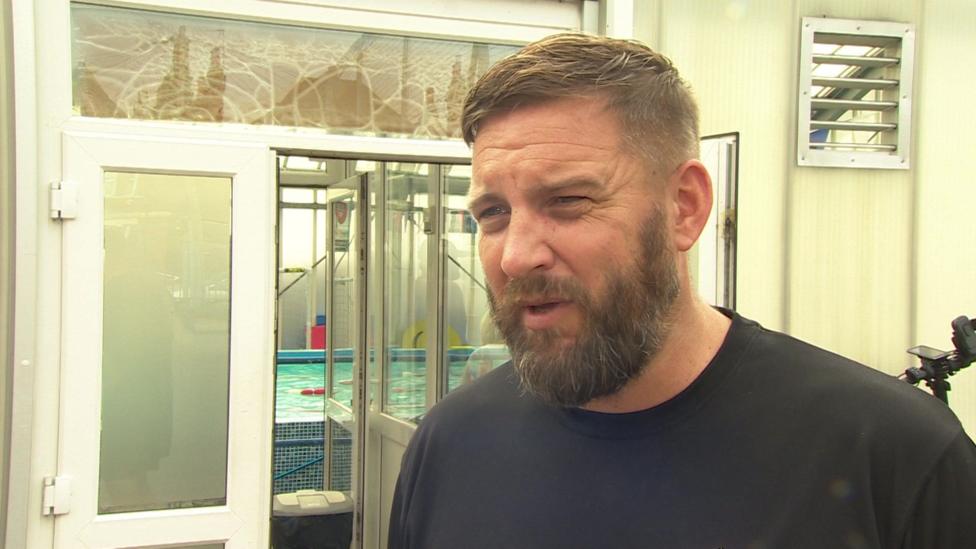
"For myself and my family, you're looking at over £20 to £25 just to go for maybe an hour of swimming. And with pools closing, lessons are becoming more expensive too,"said Matt Heathcock, Head Coach of the City of Southampton Swimming Club.
Matt Heathcock has been an active swimmer from a very early age, with his father also being a coach. He now leads the City of Southampton Swimming Club.
Pool Closures and Government Investment
Since the pandemic, pools across the country have been closing due to rising costs and lack of use. Adam Goymer, Head of National Water Safety Manager, described this trend as a "terrible investment."
"That is certainly a call to action for government to invest in swimming pools to keep them running. Schools that are fortunate to have their own pool, it would be a sheer loss if they couldn't keep it because of costs,"he said.

Water-Related Incidents and Safety Education
At least 11 people across the UK died in water-related incidents during the heatwave at the end of May, including a 14-year-old at Hawley Lake near Farnborough.
Children were learning how to swim and float in Regents Park Community College's pool this week with the City of Southampton Swimming Club.
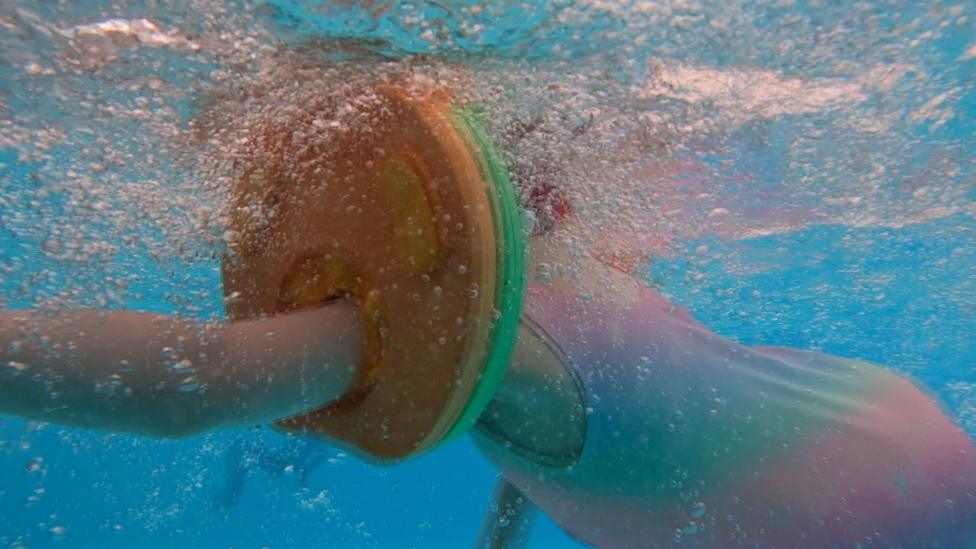
While access to swimming pools remains a challenge, the focus is increasingly on teaching children how to be safe in the water.
Currently, children are taught to swim 25 metres in a swimming pool as part of the primary school curriculum. Although this is compulsory, not all schools implement it, and monitoring compliance is difficult.
The new Water Safety Code included in the curriculum aims to teach children key safety messages such as "Stop and Think," "Stay Together," "Float," and "Call 999."
Expert Insights on Water Safety
Mike Tipton, professor of physiology at Portsmouth University and chair of the National Water Safety Forum, emphasizes that learning to float is crucial for survival.
Recent data from the National Water Safety Forum showed that 61% of drowning victims aged 8 to 18 were described by friends and family as being able to swim.
"Because you can swim 25 metres in an indoor pool, that doesn't necessarily prepare you to be able to survive in open water,"Mike explained.
"So if you find yourself in trouble in cold water because you've rushed in, then float to live is the message. Roll onto your back, tilt your head back into the water and just do as little as possible until you get your breathing under control, which will take about a minute."
Get in Touch
Do you have a story BBC Hampshire & Isle of Wight should cover?
More Stories Like This
- Love a lido? Where to find one in the South
- Pupils taught to swim in pop-up playground pool
- Son warns of sea risks after dad and dog drown


