

Experiencing Hantavirus: Personal Accounts
Lorne Warburton, a Canadian, had never encountered hantavirus until three years ago when he was hospitalized and placed on life support. He described the illness as
"torture" and "hell on earth".
In March 2019, Lorne began experiencing symptoms similar to Covid-19, including body aches, a persistent headache, and fatigue. His condition rapidly worsened, leading to severe sweating and breathing difficulties. After being connected to a life support machine, he was diagnosed with hantavirus and spent approximately three weeks in the hospital.
"The degree of illness and sickness that I went through was hell on earth, it was torture, to go through that and to be able to bounce back."
In Germany, Christin Ege also recounted experiencing symptoms resembling Covid-19 in May 2019. He initially had stomach flu symptoms lasting three days, including vomiting and dizziness, describing it as a
"strange flu".
Following a blood test, Christin was hospitalized due to kidney failure and sepsis. He was admitted to the intensive care unit (ICU) for several days and received dialysis via a neck catheter.
"The kidneys recovered normally, but it was the coincidence of a bacterial and a viral escalation at the same time that was a bit worrying for a couple of days for sure."
Christin identified sepsis as the most concerning aspect of his illness.
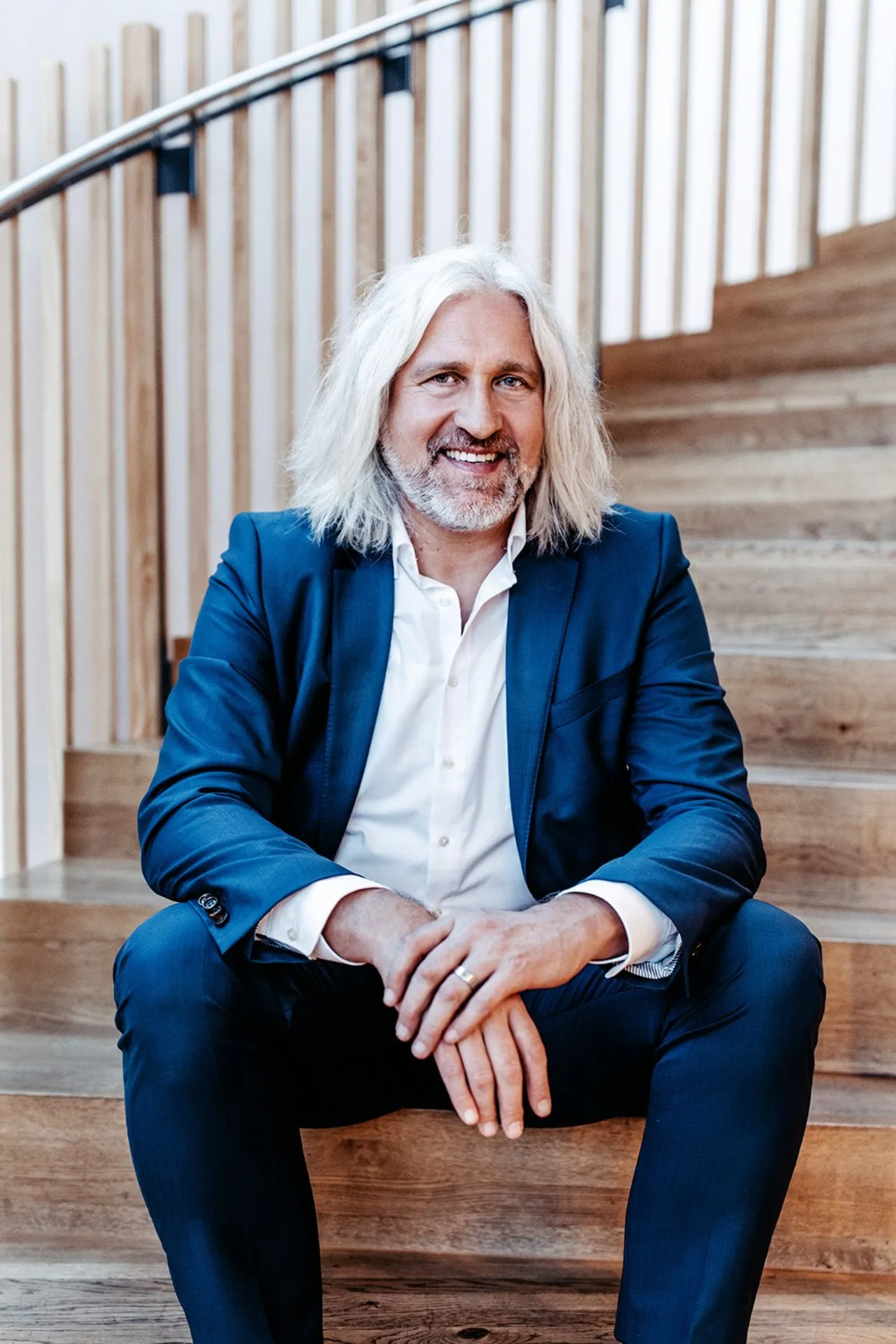
Lorne and Christin are among the survivors of hantavirus, a disease with some strains having mortality rates between 20% and 40%. Both men have shared their experiences following the discovery of a rare hantavirus strain linked to a fatal outbreak on a Dutch cruise ship.
Recent Outbreak on MV Hondius
Three passengers aboard the MV Hondius have died after the ship departed from Argentina on a transatlantic voyage about a month ago. The cruise operator confirmed that three individuals, including one British citizen, were evacuated to the Netherlands on Wednesday for medical treatment.
The British patient, identified by several media outlets as 56-year-old former police officer Martin Anstee, is reported to be in stable condition. Anstee's wife, Nicola, described the situation to the Daily Telegraph as
"a very dramatic few days"with his condition being
"a bit up and down for him."
Separately, the UK Health Security Agency (UKHSA) confirmed that two British nationals are self-isolating at home in the UK after potential exposure to hantavirus.
The MV Hondius is currently en route to Spain's Canary Islands after being anchored for three days near Cape Verde, an archipelago off the West African coast.
Understanding Hantavirus Transmission
Hantaviruses are named after a river in South Korea and refer to a family of viruses rather than a single disease. According to the World Health Organization (WHO), there are over 20 viral species within this family. Transmission typically occurs through contact with rodents, specifically via dried urine and droppings.
The virus is usually contracted by inhaling particles contaminated with hantavirus, such as when rodent excreta are disturbed and become airborne. Additionally, transmission can occur through rodent bites.
Lorne believes he contracted hantavirus after shaking a rug in his attic that contained mouse droppings. Similarly, Christin, who was initially unaware of hantavirus, had a positive sample detected in his garden by a biologist commissioned by authorities. His son had found a dead mouse in the garden days before his illness.
Long Recovery Process
Currently, there is no widely available vaccine or specific antiviral treatment for hantavirus infections. Medical care is supportive and symptom-based, often requiring hospital care and respiratory support.
After his hospital stay, Lorne was discharged but noted that it took approximately eighteen months to fully recover and rebuild his strength. He described the recovery as
"very slow", with progress involving
"micro baby-steps of recovery where I take two steps forward and four steps back."
He also experienced a frozen shoulder after returning home, which was extremely painful and required rehabilitation before he could focus on other aspects of recovery.
Christin reported being
"perfectly fit"with
"no consequential damages"after a four-month recovery period. However, he acknowledged that the extended recovery and dialysis process were physically demanding.
Ongoing Health Effects and Reflections
Although Lorne is doing well, he now suffers from atrial fibrillation, a heart rhythm disorder, and requires daily medication. He explained,
"My heart is not synching, the chambers aren't synching properly. So when they got my heart going again, I have a strong heart but it's not in proper rhythm."
Lorne expressed gratitude towards the medical team that assisted in his recovery and actively participates in fundraising efforts to purchase medical equipment and support renovations for his local health foundation.
Christin described his experience as humbling, stating,
"It was a hard time, hard days, but many many people suffering more than me."He also shared that since recovering, he tries to read a book every week to make good use of his time.
Despite the lengthy recovery, Lorne reported
"coming back to normal life,"having returned to work and resumed raising his children.
"You don't really take things for granted as much,"he said.
"I appreciate even the smallest little details that most people wouldn't even acknowledge or see going through daily life."
He recalled a vivid memory from his ICU stay:
"I didn't drink fluids for two weeks when I was in ICU, and I just remember having that sip of fresh clean water was the best thing I ever tasted in my life."


