Spider Silk as a Scaffold for Nerve Growth
Scientists are exploring the use of spider silk to develop surgical devices aimed at nerve regeneration.
"It acts like a scaffold for nerves to grow along like a rose on a trellis,"
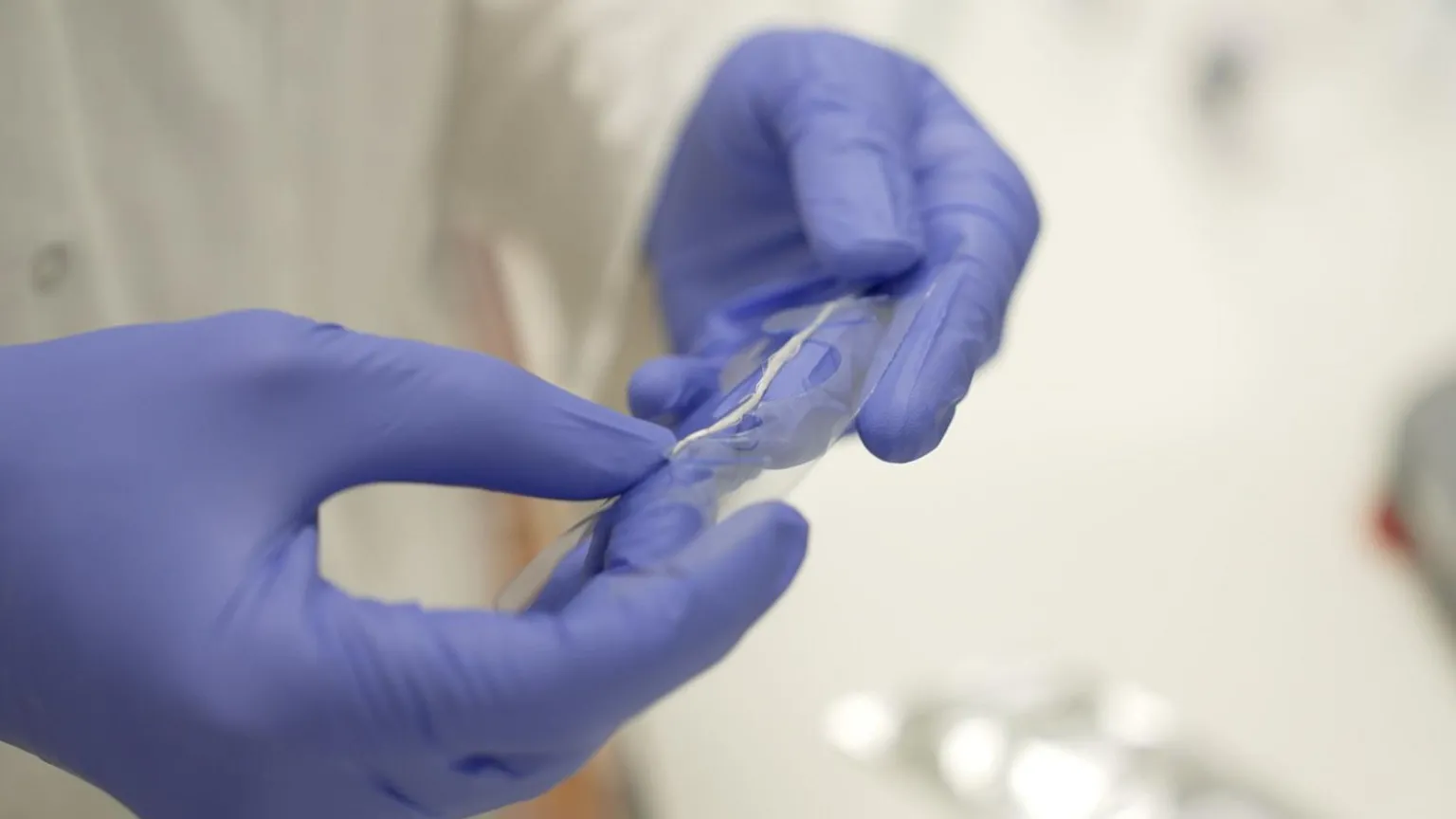
explained Dr Alex Woods, who demonstrated threads of silk comparable to those seen in Spider-man.
Dr Woods, a trauma and orthopaedic surgeon with the NHS in Oxford, recalled his PhD studies in Zoology as he stood in a room housing approximately 30 hand-sized golden orb-web spiders.
At the Wood Centre for Innovation, his start-up company Newrotex is working to translate this "really cool ancient technology" into patient treatments.
Golden orb-web spiders, native to southern and east Africa, are represented at Newrotex by specimens from Madagascar.
"They're quite territorial so we keep them in their own terrariums and we keep the room very humid to mimic their natural environment,"
Prof Woods noted.
These spiders are considered harmless to humans and are typically found in large webs that can exceed one metre in diameter.
The strength and structural properties of their silk are of particular interest to researchers.
Challenges in Nerve Regeneration
When a nerve is severed, it produces a basic scaffold to guide regeneration, but this scaffold only lasts about 10 days.
"So if that gap is more than 1cm with nerves regenerating at about 1mm a day it can't bridge big gaps and breaks down,"
Dr Woods explained.
He highlighted that the golden orb-web spider produces a type of silk known as "drag-line silk," which is similar to the body's natural scaffold.

"Except it lasts for 150 days,"
he added.
"So now we can allow the nerves to get across the gap."
The silk fibers are implanted into a vein or hollow conduit to repair nerves and eventually biodegrade within the body.
Patient Experience and Potential Benefits
In 2022, Helen Hide-Wright from Fenny Compton suffered a heart attack while driving, resulting in a collision with a lorry and multiple injuries.
She sustained severe nerve damage in her right arm, which remains weak, and underwent nerve graft surgery using nerves taken from behind her foot, causing loss of sensation there.
"The surgery was brilliant, but what Alex is offering would appear to be far more beneficial, a very exciting opportunity,"
Hide-Wright commented.

Development and Challenges Ahead
Dr Woods acknowledged the challenges in bringing the product to market, including regulatory hurdles and costs.
"I'm convinced that if my nerve was lacerated tomorrow I would have our implant put in,"
he said.
"Seeing all the steps you need to get through and the cost and the evidence you need to produce to bring that to patients has been really eye-opening, but there's still a risk it'll never see the light of day."
He also emphasized potential cost savings for the NHS, as current nerve graft procedures like Hide-Wright's require a secondary operation.
"It's an extra operation site that has associated harm and that has a cost you won't need if you have a device you can take and repair the nerve straight away,"
he explained.
Broader Applications and Clinical Trials
Dr Woods envisions the silk-based devices being used to treat nerve injuries resulting from surgeries such as mastectomies or prostate cancer procedures.
"These are huge problems, which are nerve injuries which, right now, struggle to be treated,"
he said.
"So there's a really exciting opportunity to take this simple device and open it up to people in all those different specialties."
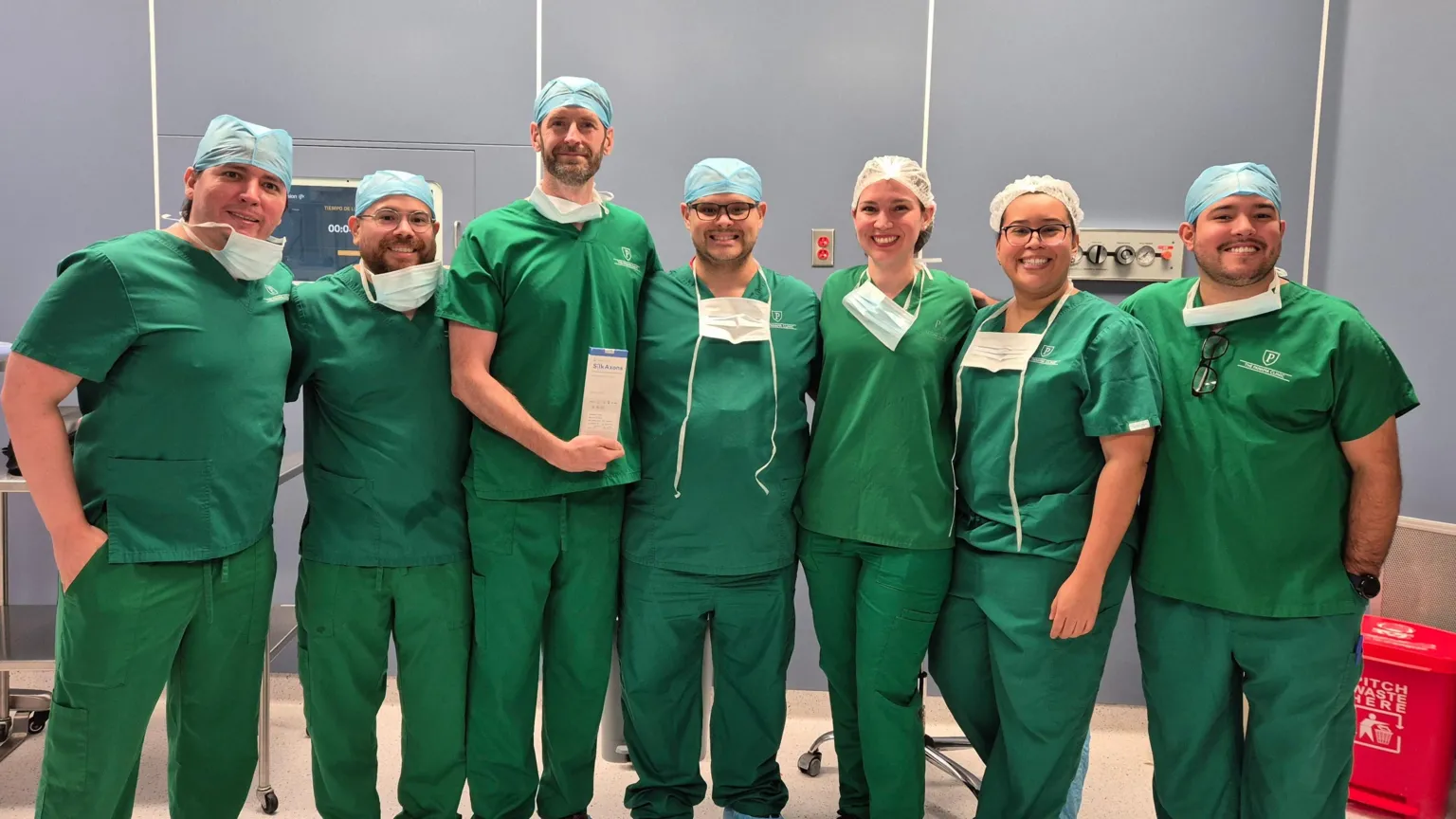
The device is currently undergoing its first-in-human study at a hospital in Panama to assess safety before further trials in the UK and the US.