

Diagnosis and Initial Shock
After experiencing persistent symptoms and feeling unwell, Jody White initially believed blood tests would confirm glandular fever. Instead, at 17 years old, he was diagnosed with acute undifferentiated leukaemia (AUL) and immediately began chemotherapy and radiotherapy.
"Everything just fell apart in my head and life as I knew it dissolved. It was a complete shock,"recalled Jody, a digital designer from Presteigne, Powys.
Following months of intensive treatment and a severe bout of pneumonia, Jody’s parents were informed that a bone marrow transplant was his best chance for survival. Testing of Jody’s three siblings revealed that his 11-year-old sister Jessie was a perfect match.
"We were always very close,"Jessie, now 37, reflected on their relationship.
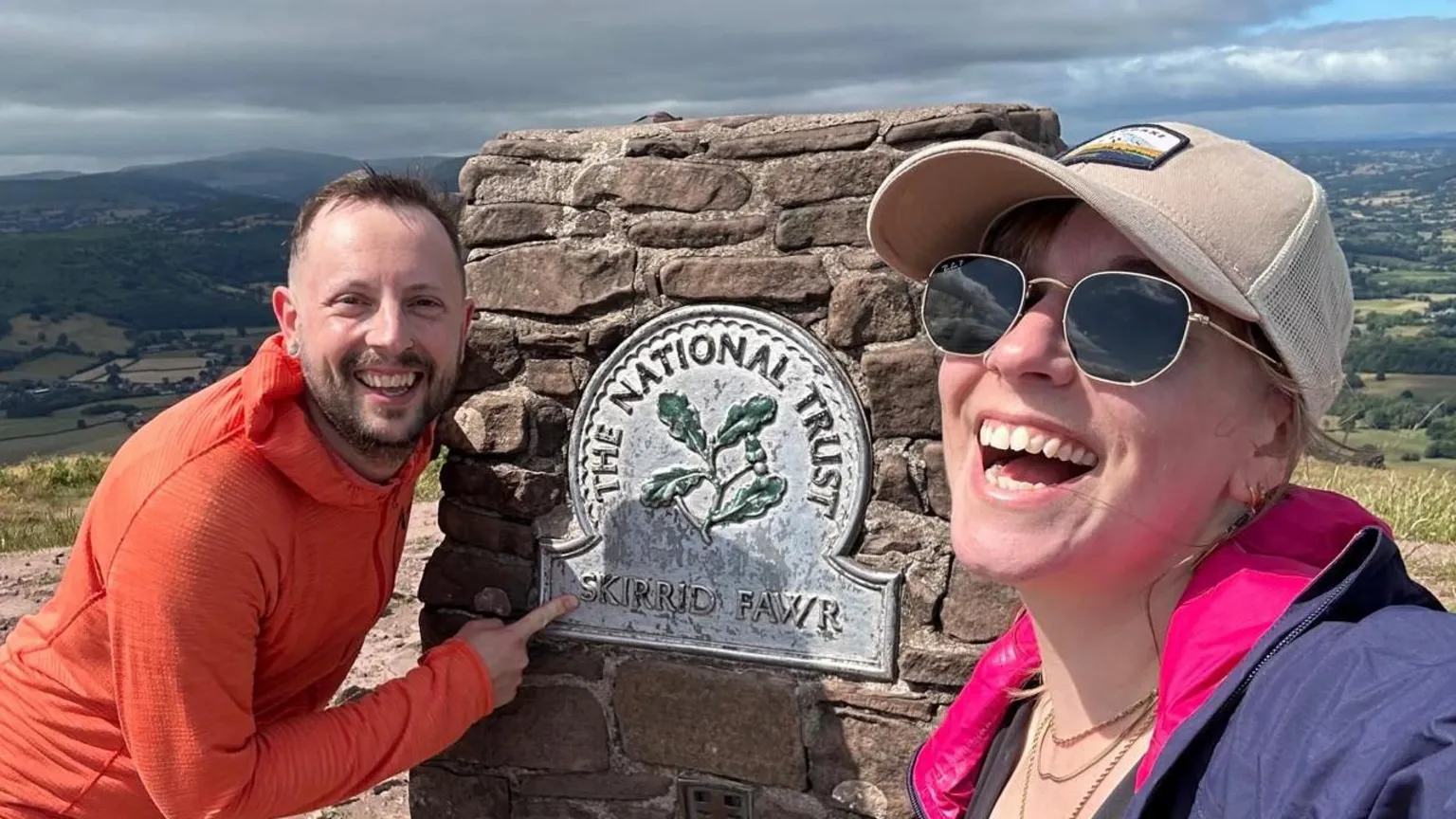
Early Symptoms and Medical Evaluation
In the summer of 1999, Jody, then 44, was preparing for his A-levels when he began experiencing repeated infections. He described the progression:
"I'd have an ear infection and doctors gave me some antibiotics, then I'd come back with something else in a different part of my body.
Concurrently, I was getting these large rashes, which would appear for a few days and then go down again and then appear in other parts of the body."
Jody also experienced muffled hearing in one ear. Suspecting glandular fever, doctors ordered a blood test. Within two hours, he was urgently advised to see his GP. Jody sensed the gravity of the situation immediately.
"The GP looked very ashen and glum, and then he basically just said 'I'm really sorry, but you've got leukaemia'."
Jody, originally from Bridgnorth, Shropshire, was admitted to Royal Shrewsbury Hospital where a consultant informed his parents that without treatment, he had just two weeks to live. This information was withheld from Jody at the time.
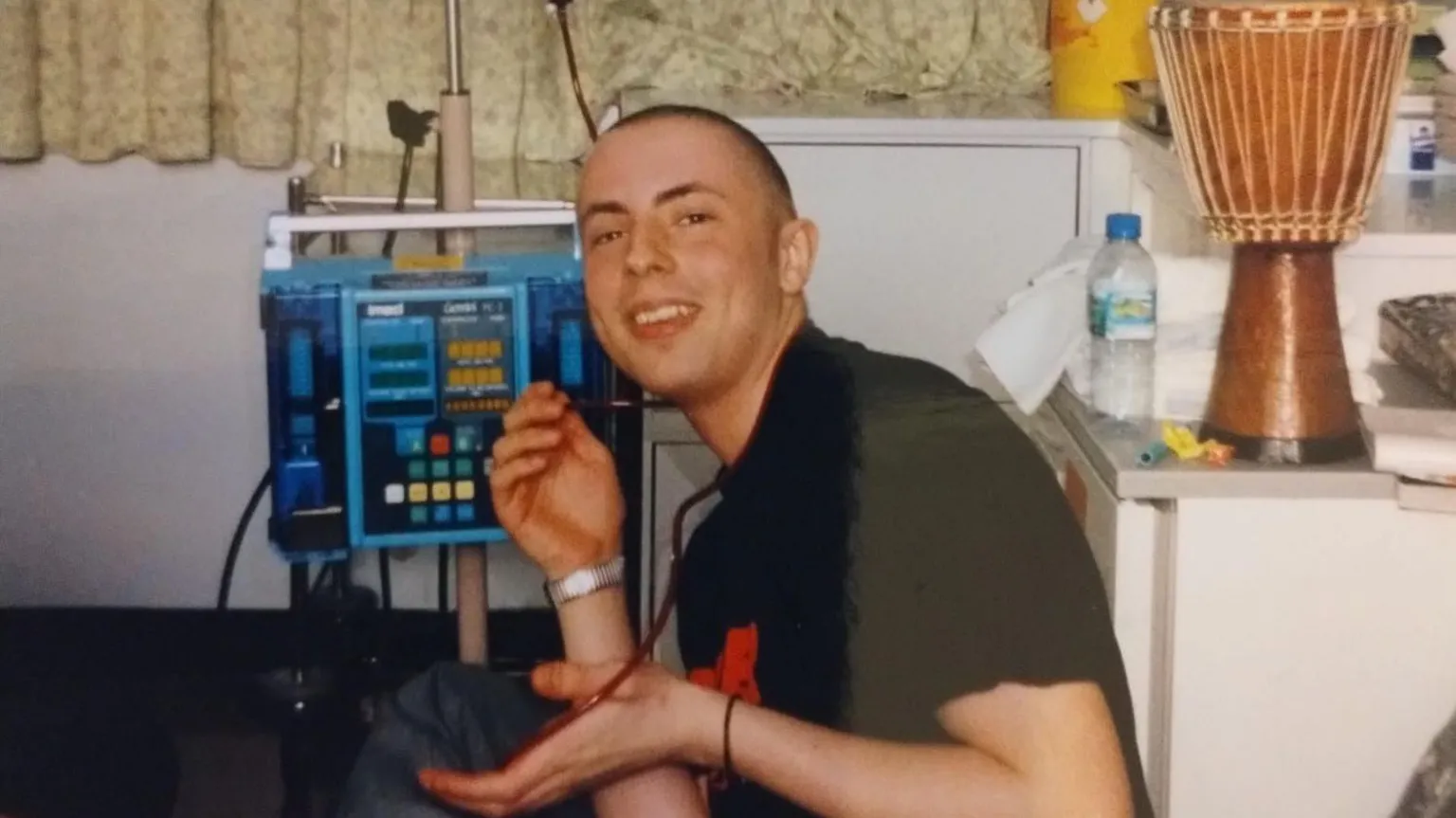
Treatment and Challenges
Jody commenced chemotherapy the following day, which led to complete hair loss and significant weight loss. During treatment, he developed pneumonia, which severely affected his breathing and required intensive care admission.
"I was very close to death,"he said.

Despite these challenges, Jody entered remission. However, a bone marrow transplant was necessary to eliminate the lingering risk of cancer recurrence.
Bone Marrow Transplant and Family Support
Human leukocyte antigen (HLA) markers, inherited from parents, increase the likelihood of siblings being a match for bone marrow donation. According to Cancer Research UK, siblings have a 25% chance of being a perfect match.
Jody’s siblings—Jemma, Jessie, and Josh—were tested, and Jessie was found to be the only one matching five out of five markers, making her the ideal donor.
The closer the HLA match, the lower the risk of transplant rejection by the recipient’s body.
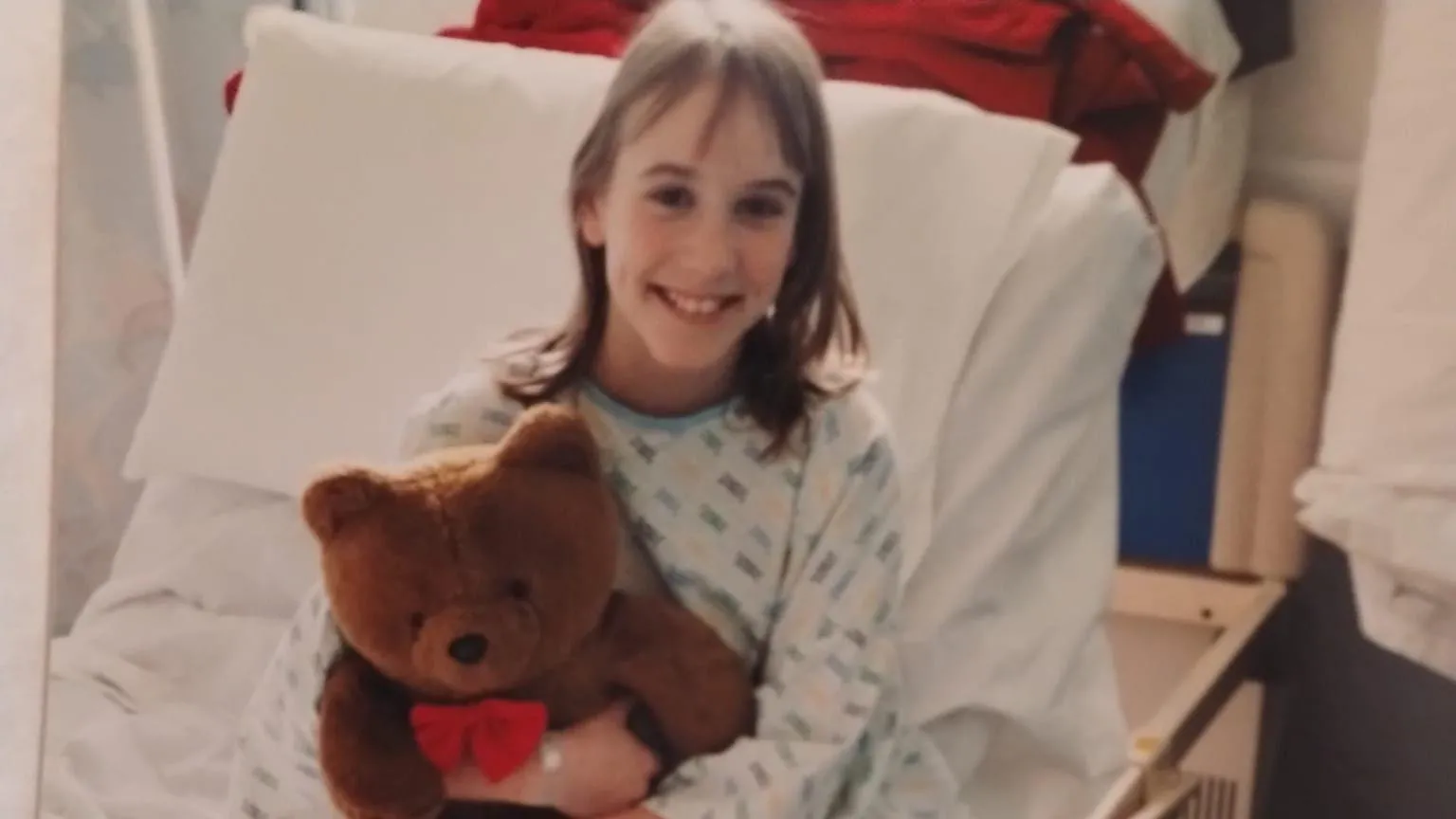
Jessie underwent general anaesthesia so doctors could extract bone marrow from her hips. The marrow was then administered to Jody intravenously in February 2000.
"Once I'd got over the drowsiness after a couple of hours, they shuffled me over to a phone that they were able to hold up to Jody's ear because he was in a separate sterile room. He was already halfway through the transfusion."
Recovery and Long-Term Outcome
Following weeks of isolation and treatment with anti-rejection medication, by April 2000, doctors reported positive progress to the family.
After a decade of regular monitoring, Jody’s consultant informed him:
"I don't think we need to see you anymore, you're as good as cured."
"I was incredibly relieved. It was magical and a big moment,"Jody said.
Jessie reflected on the experience:
"When you think about the odds of Jody getting that particular disease and then for me to have the very specific matching, it helps you to see the world as not a chaotic place.
I think hope is so important and it's often so hard to find hope in times like these."


