

New Regulations on Cosmetic Procedures in Scotland
The Scottish government is set to implement stricter regulations on cosmetic procedures, including botox injections and liquid Brazilian butt lifts (BBLs). The newly passed legislation will prohibit non-surgical treatments for individuals under 18 years of age and restrict these procedures to approved healthcare settings.
Under the new law, such treatments will only be permitted when supervised by a practitioner with appropriate qualifications. The Non-surgical Procedures and Functions of Medical Reviewers (Scotland) Bill was unanimously approved by Members of the Scottish Parliament (MSPs) at Holyrood.
Currently, there is no mandatory training requirement for individuals performing non-surgical cosmetic procedures. The Scottish government estimates that up to 1,500 businesses may be conducting unregulated procedures across Scotland.
Advice Direct Scotland has recently reported cases of children as young as 15 seeking medical assistance following complications from botched botox treatments and dermal fillers.
The legislation makes it an offence to provide treatments to anyone under 18 or to perform procedures outside of permitted premises, with penalties including fines up to £20,000.
Approved locations for non-surgical cosmetic procedures will include NHS GP practices, dental offices, pharmacies, and private hospitals or clinics registered with Healthcare Improvement Scotland. Procedures must be overseen by qualified practitioners such as doctors, nurses, midwives, dentists, or pharmacists.
The bill also empowers the government to establish hygiene, qualification, and safety standards for these treatments.
Understanding Brazilian Butt Lifts
Brazilian butt lifts (BBLs) are cosmetic procedures aimed at enhancing the size of the buttocks. They are commonly performed using silicone-filled implants or fat injections. More affordable non-surgical BBLs utilize hyaluronic acid, a substance also used in dermal fillers.
Improperly performed BBLs can result in serious health complications. The new regulations will also cover other non-surgical treatments such as chemical peels, which use chemicals to remove skin cells; cellulite treatments; and microneedling, a procedure involving tiny punctures in the skin.
Support and Concerns from Industry Experts
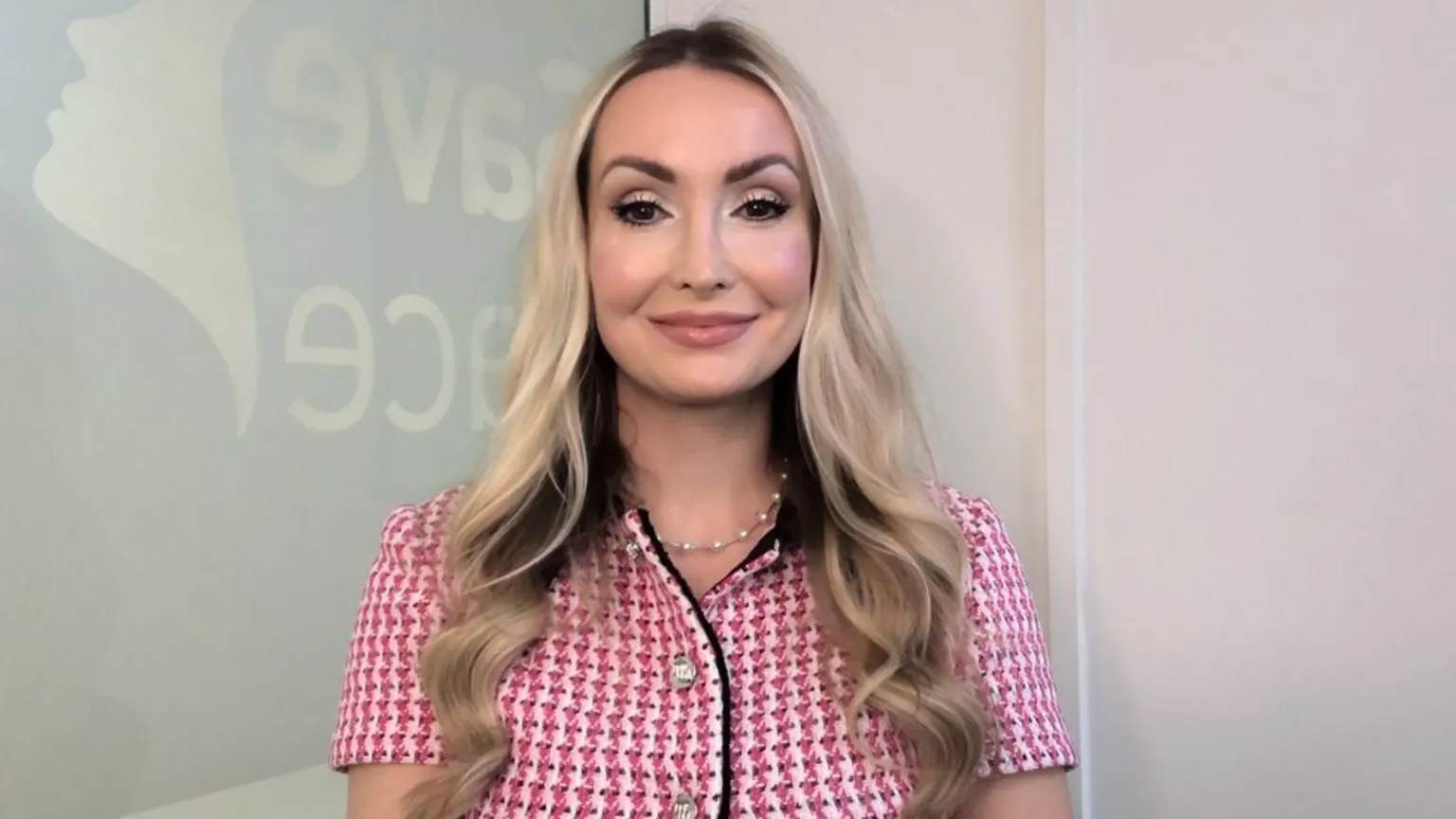
Ashton Collins, director of Save Face—a register of approved cosmetic practitioners that has assisted over a thousand women affected by botched treatments, including many in Scotland—has expressed support for the legislation, particularly its focus on liquid BBLs.
"It's very hard to articulate how much these ruin people's lives,"Collins told BBC Scotland News.
Save Face has supported women who suffered severe complications such as heart attacks or sepsis following non-surgical BBLs. Some patients have undergone extensive surgical removal of affected buttock tissue, resulting in loss of mobility and inability to work.

"The psychological ramifications of that are really, really significant,"Collins added.
She further noted that any botched cosmetic procedure is
"incredibly distressing"for patients. Collins highlighted that younger individuals are more vulnerable to unsafe practitioners due to attractive low-cost offers on social media and limited financial means to address complications.
Concerns About Enforcement and Black Market Risks
While welcoming the bill, Collins raised concerns regarding the cost implications and the enforcement capacity of Healthcare Improvement Scotland, the national agency tasked with investigating unregistered practitioners.
"Is this going to be effectively policed and enforced? Because if not, it's just another piece of paper that isn't taken very seriously, and people will continue to operate under the radar."
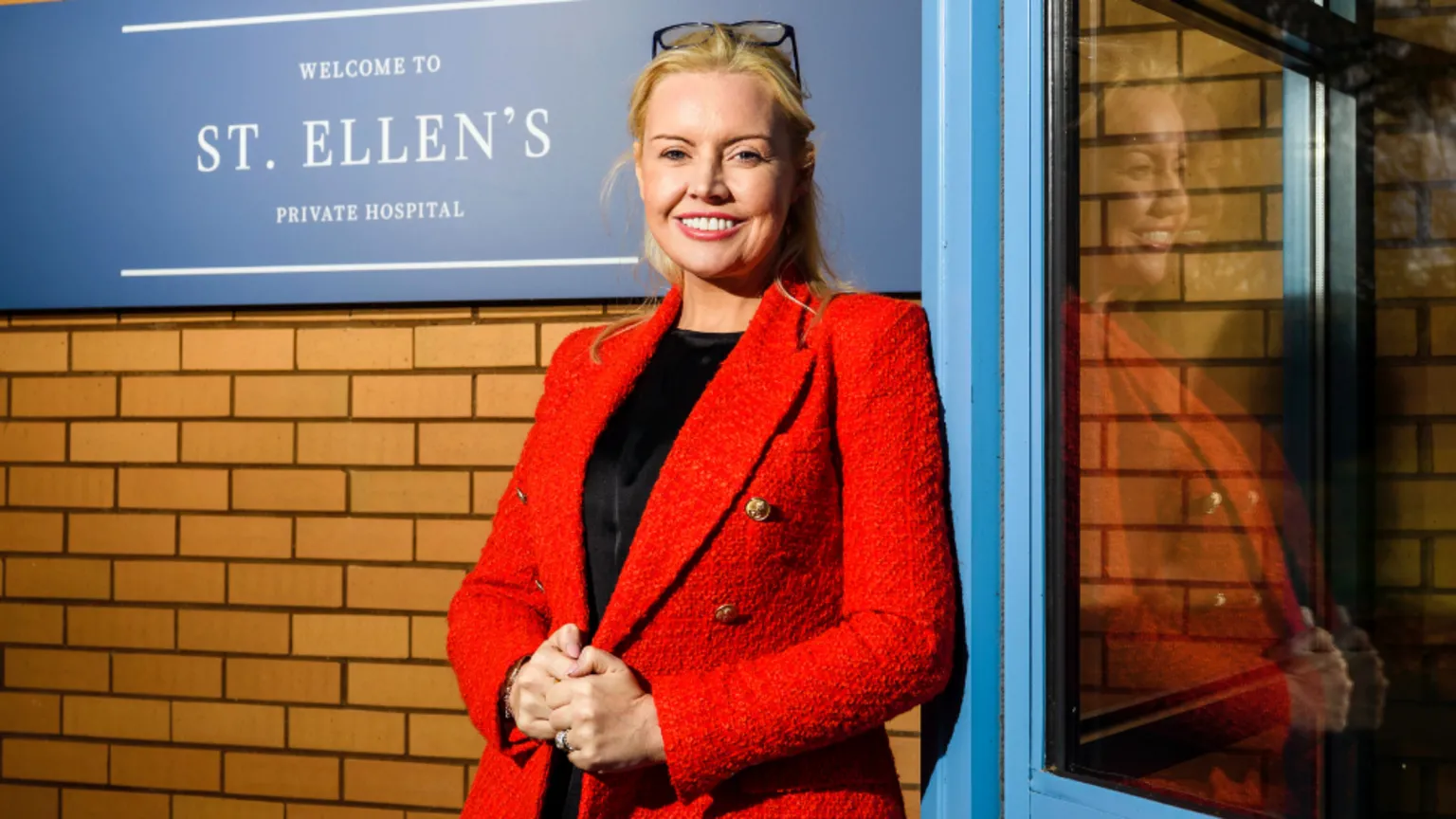
Gill Baird, founder of Cosmedicare St Ellen's private hospitals in Glasgow and Livingston, also supports the legislation but emphasized the need for enhanced training opportunities for non-medical practitioners to comply with the new requirements.
However, Baird expressed concerns about adherence to the law, warning that non-compliance by some practitioners could lead to the emergence of a black market.
"If non-medics decide not to comply with the regulations that come in, there will be a black market,"Baird told BBC Scotland News.
She stressed the importance of patient education, stating:
"If you are going to choose to go to an underground provider, you're really taking your health into your own hands."
Government and Political Responses
Public Health Minister Jenni Minto stated that the bill aims to enhance safety while supporting a "thriving sector." She indicated that the government plans to collaborate closely with the cosmetic industry to facilitate business adaptation to the new legislation.
Conservative MSP Brian Whittle described the legislation as "much-needed" but urged the government to take further action. He noted that although the predominantly female-led non-surgical cosmetic sector has been largely successful, it currently operates within a "regulatory vacuum." Whittle advocated for a clear accreditation pathway for non-medical practitioners.
Labour MSP Carol Mochan acknowledged the presence of competent practitioners but highlighted the lack of mechanisms to distinguish between safe and unsafe providers. She cited instances where hygiene and safety standards have been compromised.
"However we currently have no way of identifying the good from the bad and there are clear cases where hygiene and safety standards are not being met. This is why this bill is so important."
Reflecting concerns from within the cosmetic industry, Mochan supported a phased implementation of the legislation.


