

Introduction
For over a year, Scottish politicians have engaged in extensive debates over one of the most contentious bills in the history of devolution, addressing profound issues of life and death.
The final vote on Tuesday in the Scottish Parliament regarding the Assisted Dying for Terminally Ill Adults (Scotland) Bill is anticipated to be narrowly decided.
If approved, Scotland would become the first nation within the United Kingdom to legalise assisted dying.
The bill was introduced by backbench Scottish Liberal Democrat MSP Liam McArthur, who advocates that it would offer choice, compassion, and dignity to terminally ill adults.
Opponents argue that the bill is dangerous and contend that efforts should instead focus on enhancing end-of-life care.
What does the assisted dying bill do?
An assisted dying bill for England and Wales passed the House of Commons in June last year but is expected to lapse due to insufficient parliamentary time after extensive amendments were proposed in the House of Lords.
Similarly, in Edinburgh, the proposed legislation has undergone significant amendments, with MSPs debating and voting on 175 amendments in a single week.
McArthur described the resulting legislation as a "bulletproof" bill, representing "the toughest and most comprehensively-safeguarded" assisted dying law globally.
If enacted, the bill would permit a terminally ill, mentally competent adult who has resided in Scotland for at least 12 months to request an approved substance to end their life.
Two doctors must approve the request, and while a medical professional would provide the lethal substance, the patient must self-administer it.
In the final stages of debate, a life-expectancy criterion was added, limiting eligibility to those who could "reasonably be expected to die within six months."
This is the third assisted dying bill considered by the Scottish Parliament in the past 16 years.
In 2010, MSPs rejected the End of Life Assistance Bill, introduced by independent MSP Margo MacDonald, by 85 votes to 16.
After MacDonald, who had Parkinson's disease, passed away in 2014, Patrick Harvie of the Scottish Greens took up her second attempt, the Assisted Suicide Bill, which was rejected in 2015 by 82 votes to 36.
This third bill is again being considered as a matter of conscience, with no party whipping votes.
Although the Scottish government maintains official neutrality, First Minister John Swinney of the Scottish National Party personally opposes the bill, as do Scottish Conservative leader Russell Findlay and Scottish Labour leader Anas Sarwar.
The extensive debates have encompassed moral, practical, and constitutional considerations.
The moral argument
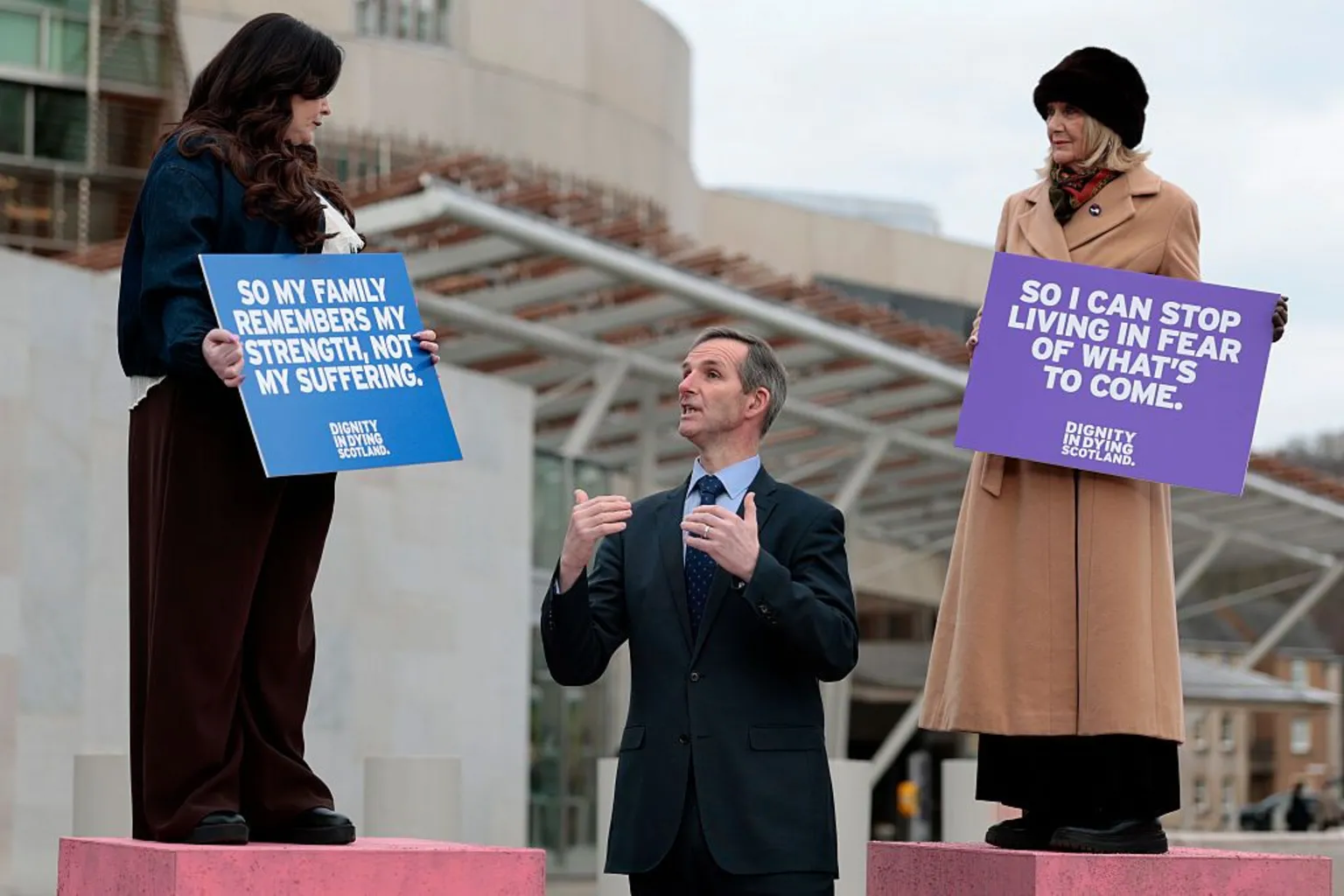
The moral debate centers on whether adults should have the autonomy to determine the timing and manner of their own death.
Opposition often stems from Christian religious traditions and has been strongly voiced by contemporary church leaders.
"True compassion does not mean helping someone to die, but committing ourselves to care for them in life," wrote a coalition of senior clergy from denominations including the Church of Scotland, the Roman Catholic Church, and the Free Church of Scotland in an open letter to MSPs.
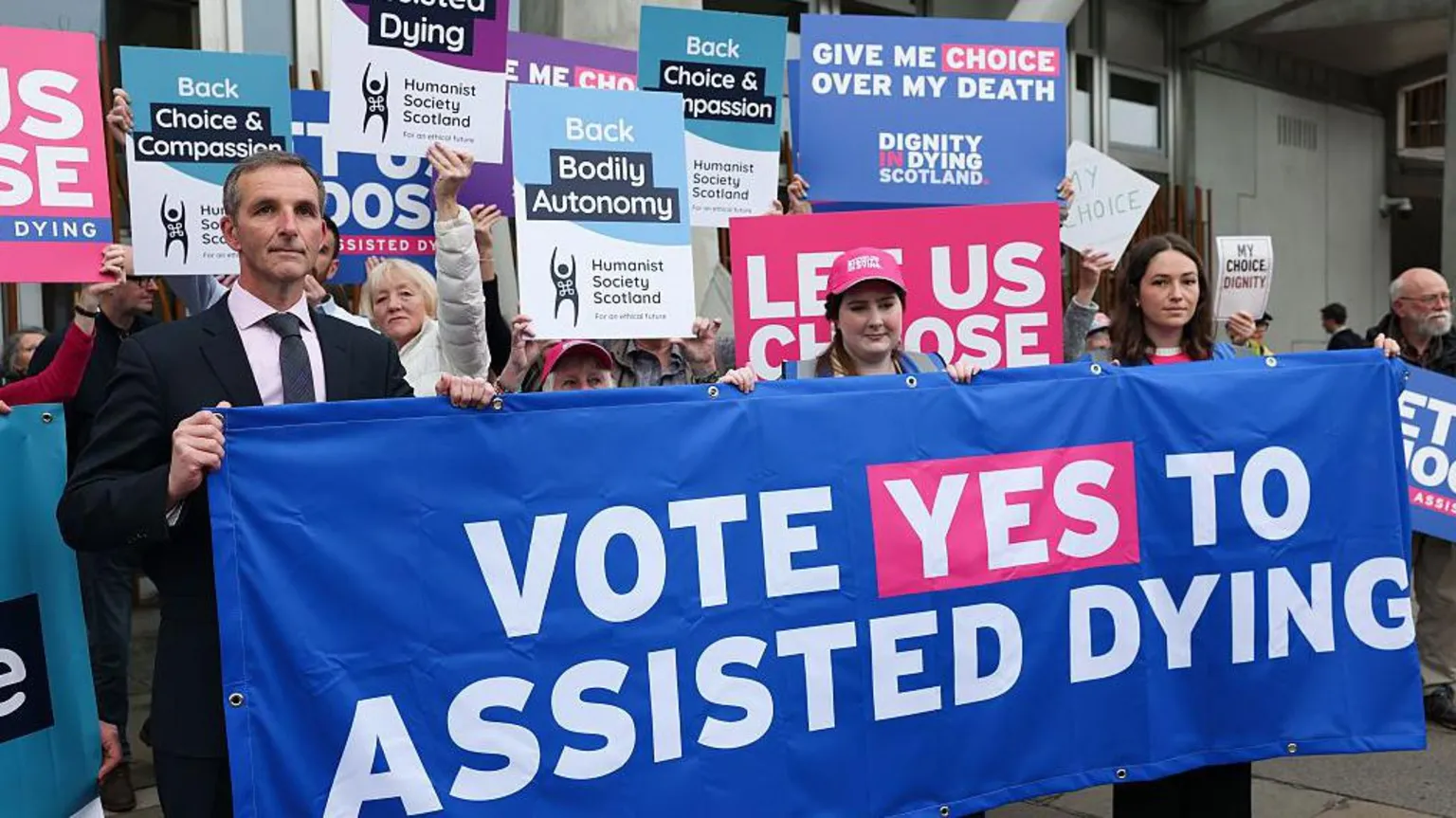
Conversely, organizations such as the Humanist Society Scotland, Dignity in Dying Scotland, and Friends at the End advocate for assisted dying, drawing on a philosophical tradition dating back to Plato.
Scottish Enlightenment philosopher David Hume argued that suicide did not violate a person's duty "to God, our neighbour, or ourselves."
The practical argument
Much of the parliamentary discussion has focused on practical considerations rather than moral ones.
Supporters assert that the legislative process has been thorough and that the bill incorporates sufficient safeguards.
In May 2025, MSPs approved the general principles of the bill by 70 votes to 56, though some expressed a desire to review the final version before making a definitive judgment.

Russell Findlay of the Scottish Conservatives shifted from supporting to opposing the bill, citing concerns about potential coercion by "unscrupulous relatives, or 'trusted' medical or legal professionals" pressuring individuals to end their lives prematurely.
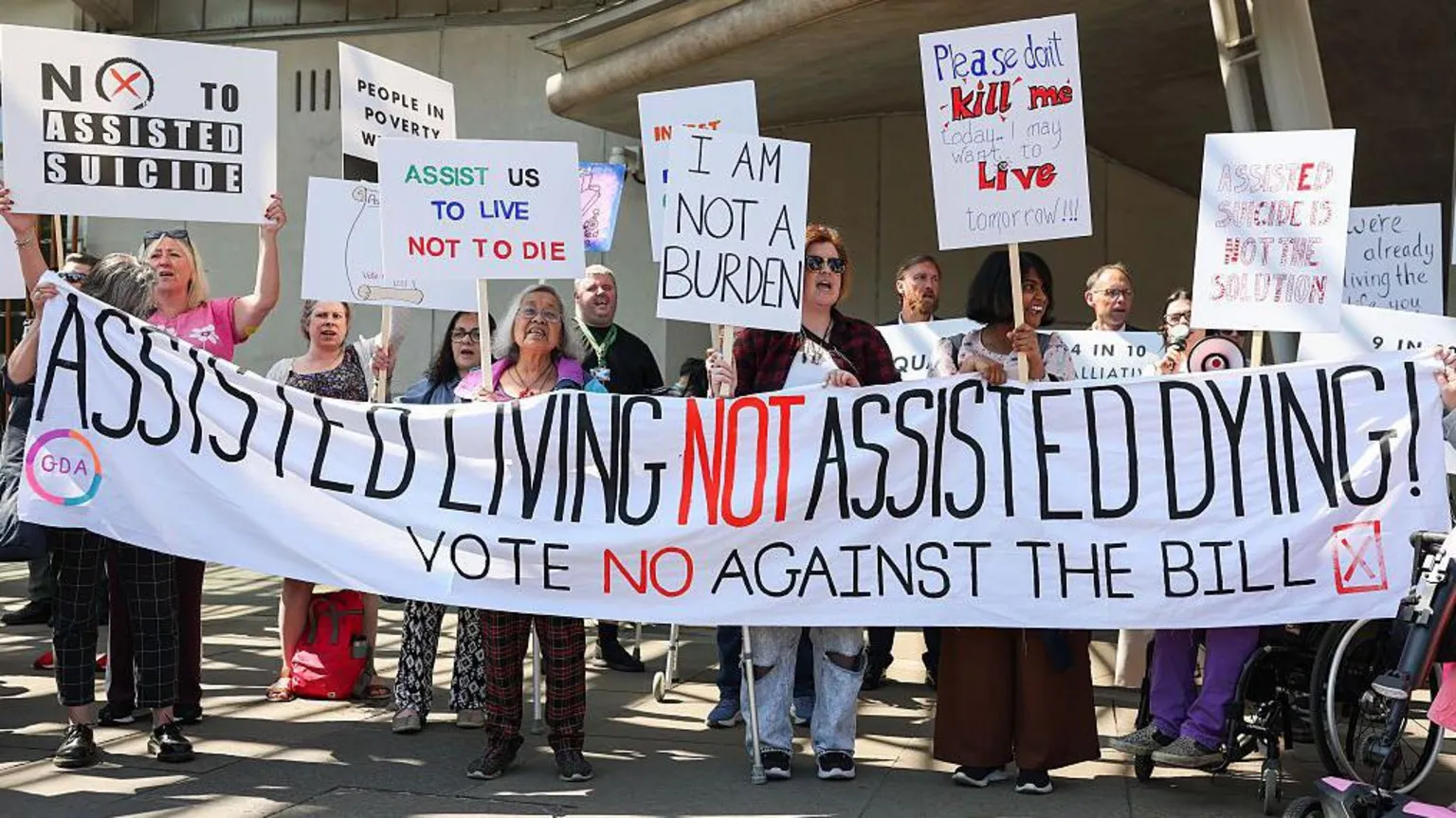
He also noted that some elderly individuals might feel like a "burden" even without overt pressure.
This distinction between overt and internalised coercion was echoed by two disabled MSPs, Pam Duncan-Glancy and Jeremy Balfour, both independents who oppose the bill.
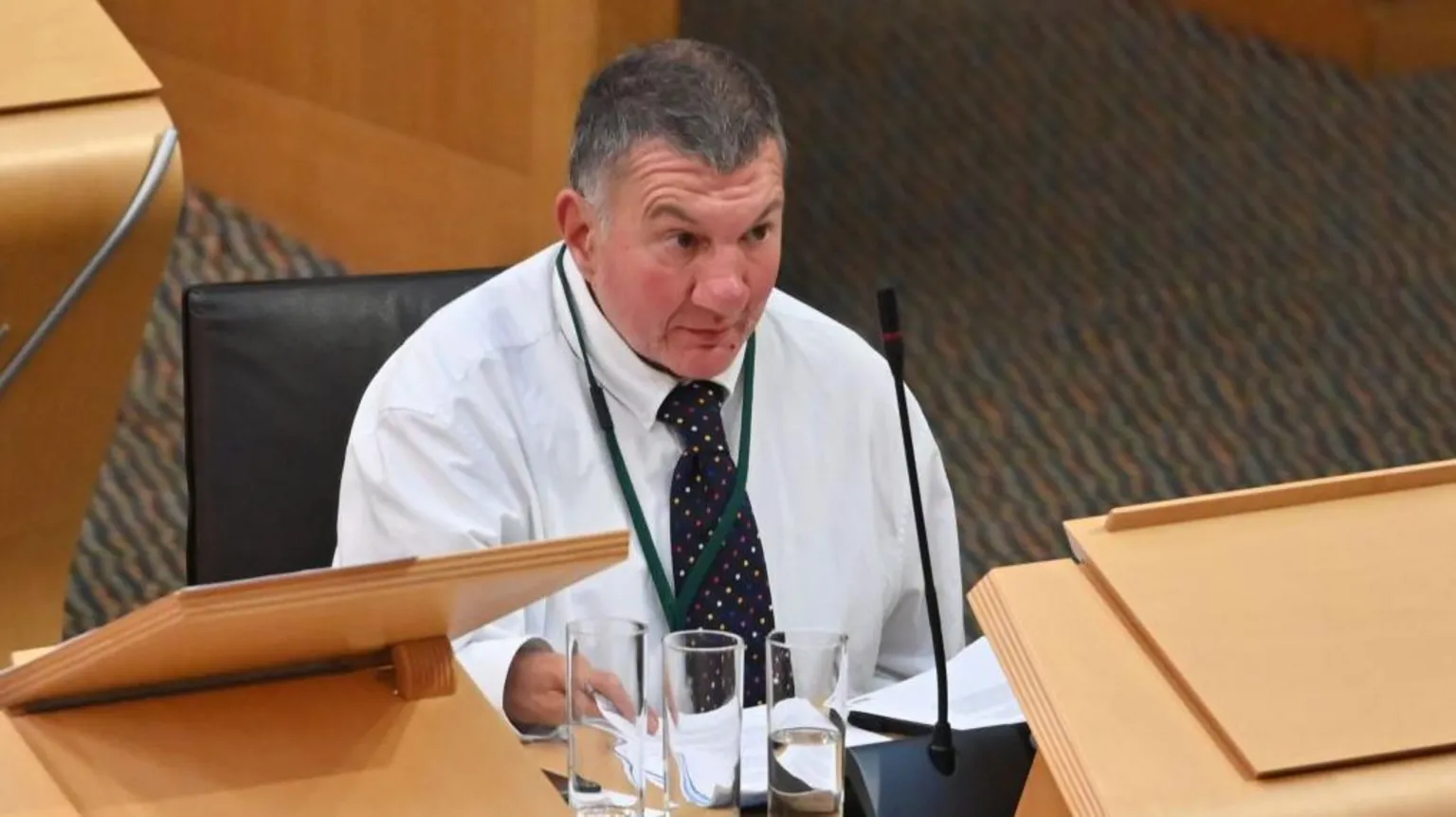
"The extent of internalised coercion - the risk that we would choose to die, and that the state will help - is real with this bill," said Duncan-Glancy.
"It is about the systemic coercion that makes us consider, for just a moment, that we would be better off dead," she added.
Balfour stated: "As a disabled person, I know very well the risks not just of coercion, but of how society views disabled people, and how we can feel like a burden."
Other MSPs, including Lorna Slater of the Scottish Greens, shared personal experiences in support of the bill.
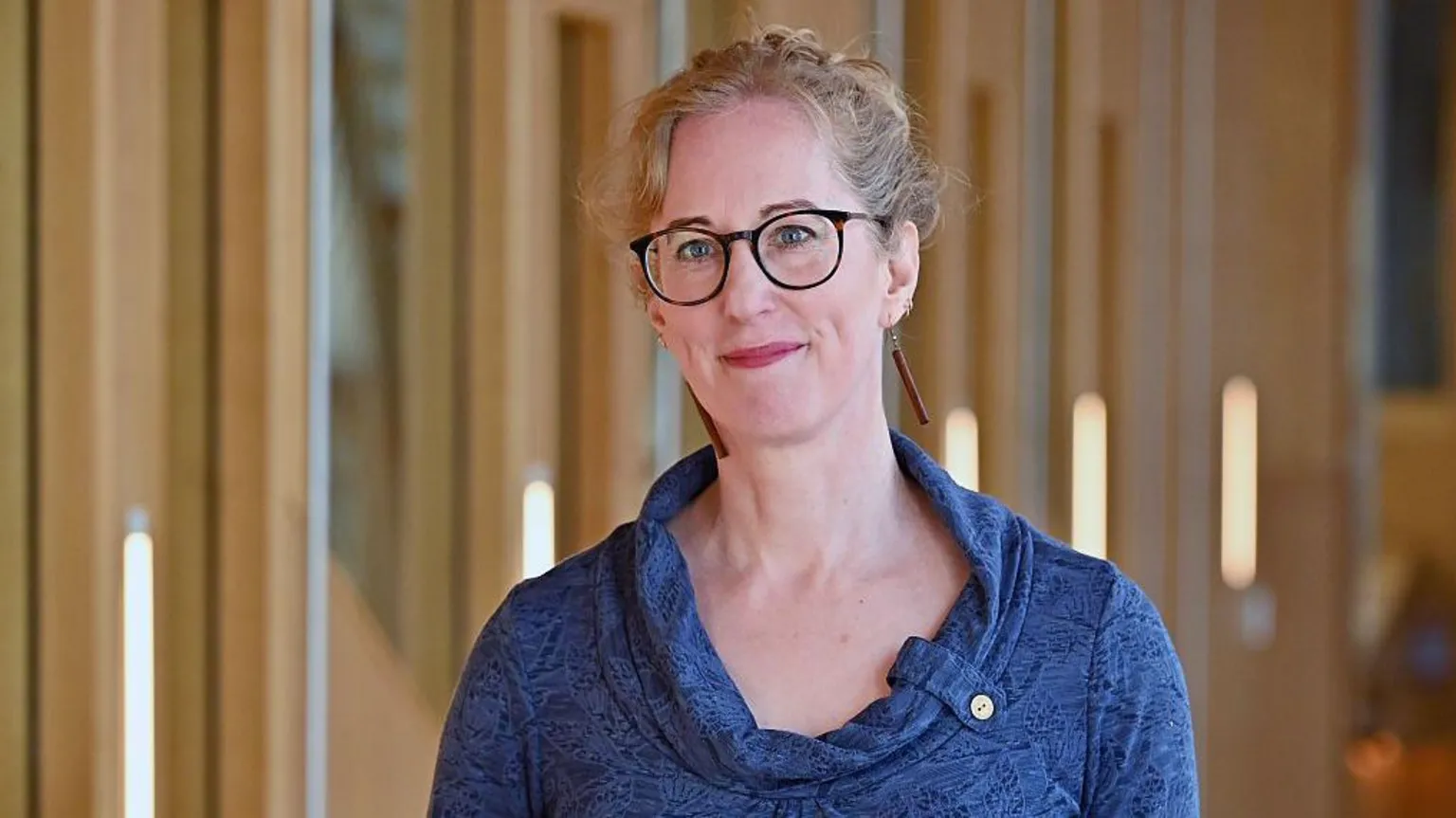
Slater recounted to her father Andrew's "beautiful" assisted death in Canada at age 84, following several strokes and other health issues.
"He was very clear in his mind that he did not want to continue to suffer," she said.
"As the needle went into his arm he turned to my mum, who was in the bed with him cuddling him, and said 'that's the last pain I'm ever going to feel.' And that was a nice moment."
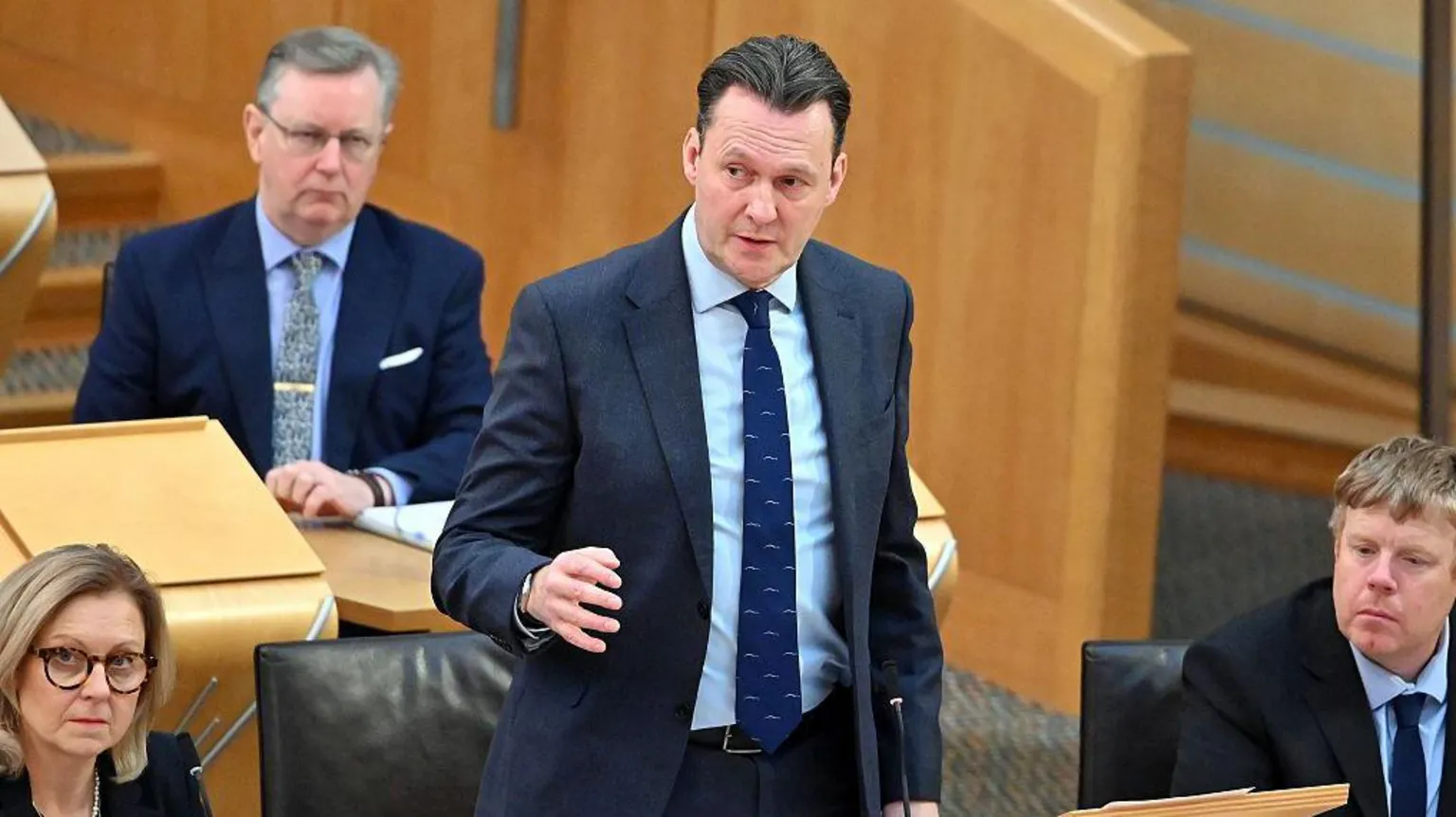
Other supporters, such as Scottish Conservatives health spokesperson Dr Sandesh Gulhane, emphasize the multiple safeguards now included in the bill.
"As a GP and MSP, I believe that the assisted dying bill offers a safe, compassionate choice for those whose pain cannot be relieved," he stated.
During stage two committee consideration, 74 of 298 proposed amendments were accepted.
These included raising the minimum age for eligibility from 16 to 18 and clarifying that disability or mental health conditions alone would not qualify as terminal illness.
Further amendments during the final stage introduced the six-month prognosis requirement, mandated doctors to verify voluntariness, and assess whether the patient was receiving social or mental health care.
A duty to discuss palliative care, hospice care, and alternative treatments was also added, rekindling debate on the quality of end-of-life care.
McArthur has consistently emphasized that assisted dying and palliative care are not mutually exclusive.
"We need both," he said, asserting that "investment in improving the quality of and access to palliative and hospice care, as well as good social care, is imperative."
Opponents have also raised concerns about a "slippery slope," citing Belgium and Canada, where assisted deaths have increased as eligibility criteria expanded.
McArthur counters that the Scottish bill is modelled on stable, tightly defined laws in Australia and Oregon, rather than the more permissive models seen elsewhere.
The constitutional argument
A further challenge is the limitation of the Scottish Parliament's powers, which do not extend to regulating "medicines, medical supplies, and poisons" or health professionals.
Since the bill requires authority over these areas, cooperation from Westminster is necessary for it to become law.
The UK government has declared neutrality and agreed to grant the Scottish government relevant powers over "substances or devices."
However, regulating medical professionals is more complex.
The draft bill included legal protections for medical staff who object to participating in assisted dying, allowing conscientious objection without penalty.
The UK and Scottish governments have discussed addressing this issue via a section 104 order, which would involve removing problematic provisions before passage, with MSPs trusting Westminster to reinstate them later.
Scottish Secretary Douglas Alexander indicated the UK government’s willingness to proceed in this manner.
In February, seven medical organisations expressed concerns that this approach would result in "inadequate scrutiny," arguing that such matters "should not be left to a later process in which detailed debate, amendment, and accountability are significantly constrained."
McArthur stated that the issue was resolved by amendments preventing the bill’s implementation until the protections are reinserted.
This was welcomed by the British Medical Association, but the Royal College of Psychiatrists and the Royal Pharmaceutical Society remain opposed, citing insufficient clarity and scrutiny of the protections.
The Royal College of Psychiatrists in Scotland stated that the development "drastically weakened essential safeguards" and that the bill "now poses unacceptable risks to the general public and the psychiatric workforce."
Consequently, after months of deliberation, the bill’s fate may hinge not on MSPs’ support in principle but on whether it can be enacted effectively within the current devolution framework.


