

Introduction of Walk-In GP Clinics Across Scotland
The first of 16 new walk-in clinics across Scotland, offering GP-led care without the need for an appointment, has officially opened. These clinics are designed to operate daily from 12:00 to 20:00, providing a variety of same-day assessments and treatments.
This initiative is part of a £34 million one-year pilot project. First Minister John Swinney has stated that the clinics aim to deliver over one million additional GP and nurse appointments.
However, BBC Verify's analysis indicates that this figure requires contextual understanding, and questions remain regarding the speed at which this target can be met.
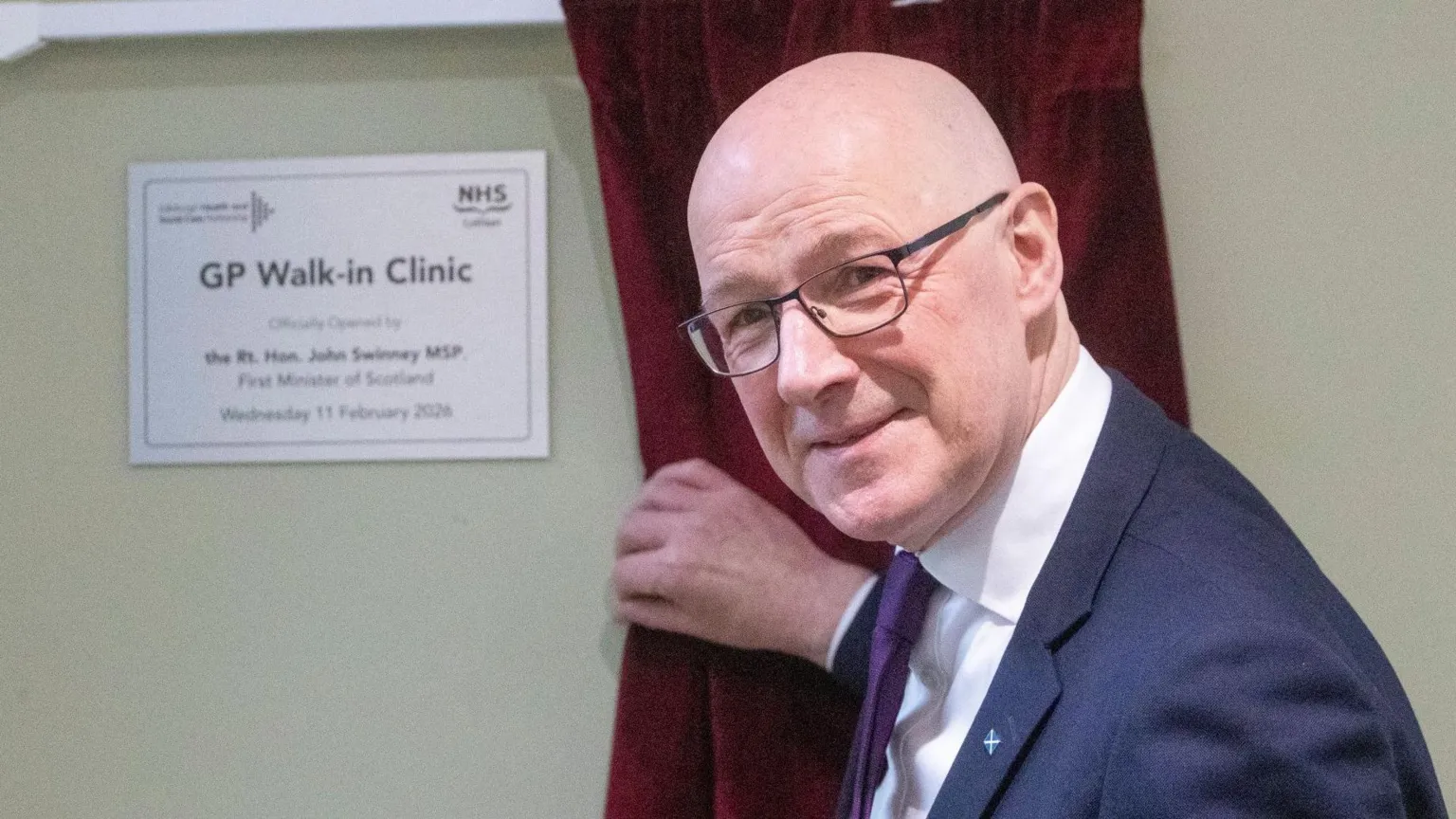
Scotland's inaugural walk-in clinic is located at the Wester Hailes Healthy Living Centre in Edinburgh.
Swinney attended the opening earlier this month, emphasizing that the clinic will help address the so-called "8am rush" for doctor appointments.
The other 15 clinics are situated in diverse locations, ranging from an empty retail unit in East Ayrshire to the island of Benbecula in the Western Isles.
Initially, the Scottish government had instructed health boards to have the clinics operational by April; however, most are now expected to open by summer or later.
Eligibility for Walk-In Clinics
The centres are intended for non-emergency medical issues where patients require same-day attention but do not need hospital care.
During this pilot phase, the walk-in clinics will have defined catchment areas with attendance restrictions. The first centre is currently accessible only to patients registered with eight local GP practices in southwest Edinburgh, representing approximately 7% of the NHS Lothian registered patient population.
The clinic's website advises that the service is unsuitable for pregnant women or children under five years old.
Conditions suitable for treatment at the walk-in centres include rashes, coughs, and infections of the throat, ear, or chest.
These clinics are not intended for medical emergencies, sprains, repeat prescriptions, or management of long-term conditions.
Rationale Behind Opening Walk-In Centres
The walk-in clinic model has been established in England, where 238 such clinics opened between 2000 and 2010.
A 2014 UK government review found that while these clinics were popular with patients, NHS managers and GPs expressed concerns about their cost-effectiveness and impact on pressures faced by GP surgeries.
The report noted that 51 clinics had closed or been converted into urgent treatment centres within the previous three years.
The Scottish government asserts that this project will assist patients frustrated by delays in securing appointments.
GP surgeries and primary care services are often described as the "front door" to Scotland's NHS, accounting for 90% of all patient contacts.
Consequently, delays in accessing appointments at local health clinics are acutely felt by patients, an issue that has persisted in some areas since the Covid-19 pandemic.
A recent Scottish government survey involving over 100,000 respondents revealed that the proportion of people reporting ease of contacting their GP as desired declined from 87% in 2017/18 to 76% in 2023/24.
Current Workload in GP Practices
The number of patients registered with GPs in Scotland has increased by 5.1% between 2019 and last year, while the number of GP practices has decreased annually during the same period.
The number of practices fell from 940 in 2019 to 887 in 2025, reflecting a trend towards fewer but larger practices.
Overall, the average number of patients per practice rose by 11% between 2019 and 2025, and the number of patients per GP increased by 6% in the same timeframe.
Dr Peter Cairns, a GP at the practice adjacent to Edinburgh's walk-in clinic, described the challenges of meeting demand:
"In this practice population, at least 10% - perhaps 12 or 13% - of our population wants to see a GP most weeks. Realistically we only have the staffing resources to service about 7.5% of our population."
Determining the exact number of GP appointments annually is complex. Unlike NHS England, Public Health Scotland does not collect data on GP appointments but records "encounters," which include home visits, phone consultations, and surgery visits.
Encounter figures are the closest comparable data available in Scotland to estimate GP appointments.

There are approximately 17 million direct encounters annually in Scotland, including 12 million surgery consultations.
The Scottish government is establishing bespoke reporting systems to monitor attendance at the new walk-in clinics. These data will not be directly comparable to existing encounter figures; however, achieving one million additional appointments would represent a significant increase in in-person consultations.
Projected Appointment Delivery by Walk-In Clinics
The Scottish government has repeatedly stated that the clinics will provide one million additional appointments but initially did not specify a timeframe.
On Tuesday, officials clarified that the pilot programme aims to deliver one million extra GP and nurse appointments over the course of a year once fully operational.
The timeline to reach this target depends on when all sites become operational.
Health Secretary Neil Gray told the BBC:
"When the system is fully operational, when we have all sites open, that is when we're expected to have the capacity where we can offer that additional level of appointments, that estimation around a million additional appointments comes from."
Details regarding each clinic's capacity and the feasibility of meeting the government's commitment will be disclosed as locations are finalized. The BBC has obtained some indicative data.
Dr Hayley Harris, clinical director for NHS Lothian's unscheduled care services, stated that the Edinburgh walk-in centre will staff one GP, one advanced practice nurse, one physiotherapist, two receptionists, and one link worker.
Harris indicated the centre aims to see up to 60 patients daily, equating to 21,360 annually, excluding public holidays.
The bid document for NHS Grampian's three clinics, obtained by the BBC under freedom of information laws, specifies 20-minute appointment slots due to risks associated with treating unknown patients.
The report projects 90,720 patient slots annually across three sites in Aberdeen, Elgin, and Peterhead, with staffing plans including eight GPs and three triage nurses.
The capacity of the Lothian and Grampian clinics remains to be fully clarified.
NHS Fife recently submitted plans for a walk-in clinic in Buckhaven with an anticipated annual appointment capacity of 64,240; however, this proposal has yet to receive approval.
The Benbecula clinic, serving a population of 1,286, is scheduled to open next month and will operate seven days a week from 09:00 to 17:30.
Addressing Pressures on GPs
The Scottish government presents walk-in clinics as a means, alongside the NHS 24 service, to alleviate pressure on GPs.
Health Secretary Neil Gray commented:
"Having 16 of them to begin with is a step in the right direction of broadening that access to our health service."
The £34 million allocated to the project represents 0.19% of the £17.6 billion health board budget for 2026/27, indicating a modest financial investment.
Nevertheless, critics argue that the initiative does not address longstanding concerns raised by public spending watchdog Audit Scotland, which has emphasized the need for fundamental reform in NHS service delivery.
Dr Chris Provan, chairman of the Royal College of General Practitioners Scotland, expressed reservations:
"It is not clear how the 16 pilot sites will achieve the Scottish government's promise of one million appointments per year. Even if they did, this would represent only a marginal increase when set against the direct patient contacts GPs provide every week. It is also important to recognise that walk-in centres experience unpredictable peaks and troughs in demand. In contrast, core general practices fill every appointment and typically operate at full capacity each day - something walk-ins are unlikely to match. The £36m investment would have a far greater impact if redirected to where it consistently delivers the best outcomes for patients - core general practice."
Provan highlighted ongoing recruitment challenges in primary care, suggesting these should be addressed prior to expanding walk-in clinics.
In 2017, the Scottish government pledged to increase the GP workforce by 800 by 2027.
Recent data from NHS Education for Scotland indicates the GP headcount has risen by 197 (4%) since 2017, from 4,385 to 4,582, while full-time equivalent GPs increased by 71 (2%) to 3,591.5.
Another measure, accounting for the mix of part- and full-time staff, shows an increase of only 71 (2%) over the same period.
Scottish ministers note improvements in the past year, with the GP vacancy rate declining to 3.8% from 7.6% in 2024; however, concerns persist regarding staffing for the walk-in clinics.
NHS Grampian's bid document acknowledges:
"Uncertainty remains regarding practices' willingness to contribute staff."
Conclusion
The introduction of walk-in GP clinics in Scotland represents a significant pilot project aimed at increasing access to same-day primary care appointments. While the government projects one million additional appointments annually, various factors including staffing, clinic capacity, and patient demand patterns will influence the programme's success. Ongoing monitoring and evaluation will be essential to determine the impact of these clinics on the wider NHS system.


