

Resident Doctors Seek Pay Reflecting Their Value Amid Six-Day Strike
A union committee representing resident doctors has stated that they are seeking a "pay back to the value that we think we're worth" as they engage in a six-day strike across England.
The strike by resident doctors, formerly known as junior doctors, is expected to cause significant disruption to NHS services, given that this group constitutes nearly half of the medical workforce within the NHS.
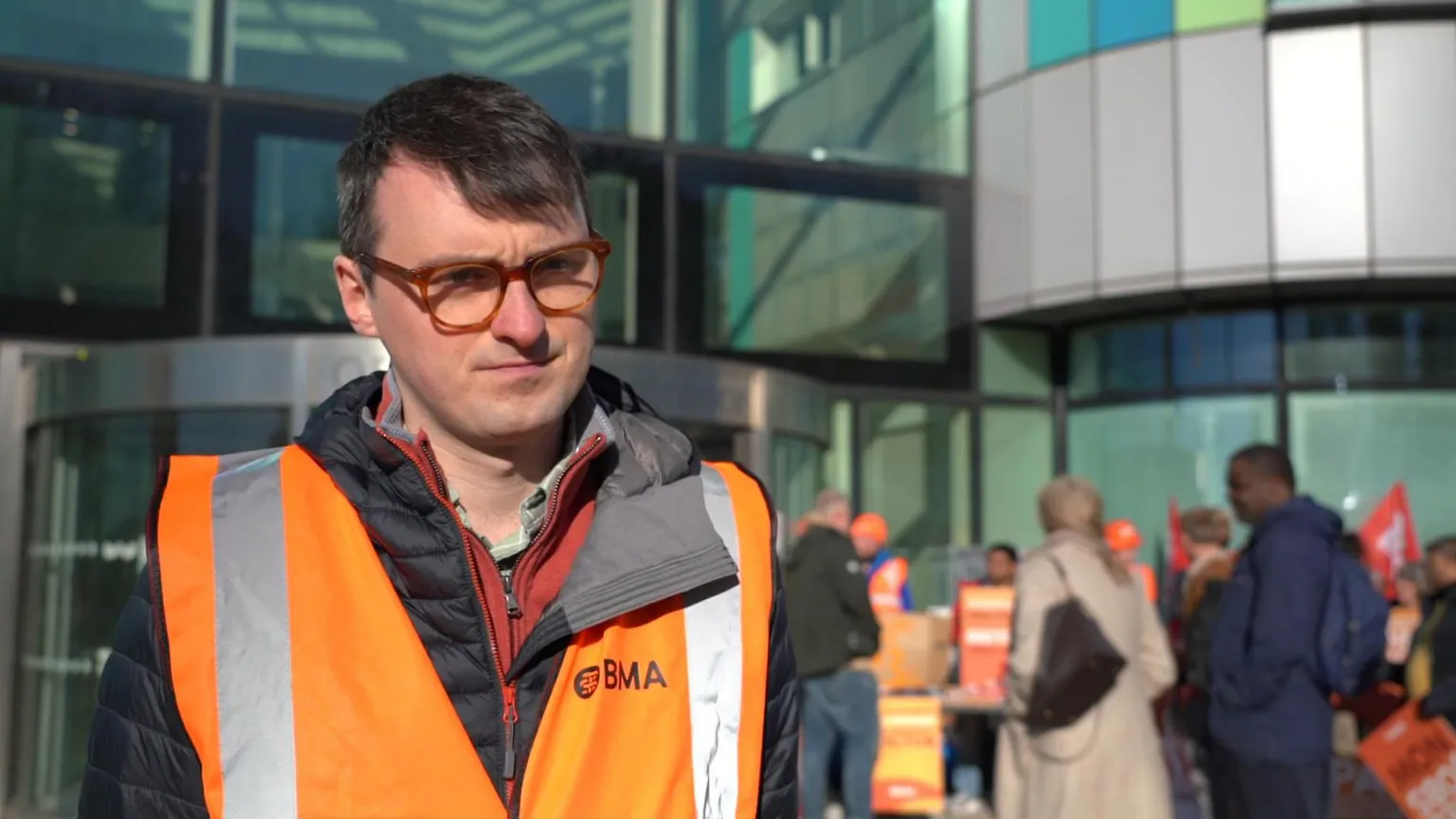
Dr Peter Fahey, co-chair of the British Medical Association (BMA) West Midlands resident doctor committee, addressed misconceptions about doctors' earnings and lifestyles, stating:
"Doctors are really well paid, we play golf (a) couple of times a week" was "absolutely not true".
Health Secretary Wes Streeting responded by noting that 95% of appointments remain in place during the strike and issued an apology to those affected by cancellations, emphasizing that patients "deserve better".
The NHS has urged patients not to delay seeking medical assistance if needed, advising that those with emergency and urgent health concerns should continue to use emergency services such as 999 and 111 as usual.
Patients with scheduled appointments and treatments are advised to attend unless otherwise informed. General Practitioner (GP) services remain largely unaffected by the strike.
The BMA members' walkout follows the breakdown of negotiations between the government and the union last month.

Speaking at the Queen Elizabeth Hospital Birmingham, Dr Fahey elaborated on the pay issue:
"We're still almost 20% down in real terms in our pay since 2008.
While we've made some good progress up until this point, we want that pay restored back to the value that we think we're worth."
The committee co-chair also highlighted the competitive nature of training posts, stating:
"There are thousands of doctors applying for training posts like myself.
I'm a GP trainee, training to be a fully qualified GP. Lots of doctors, they want to be the surgeons, they want to be a medical doctor, they want to be the A&E consultants that you see every day.
But they're unable to get into these training posts to progress and be better doctors for patients."
Dr Fahey further emphasized the pay concerns:
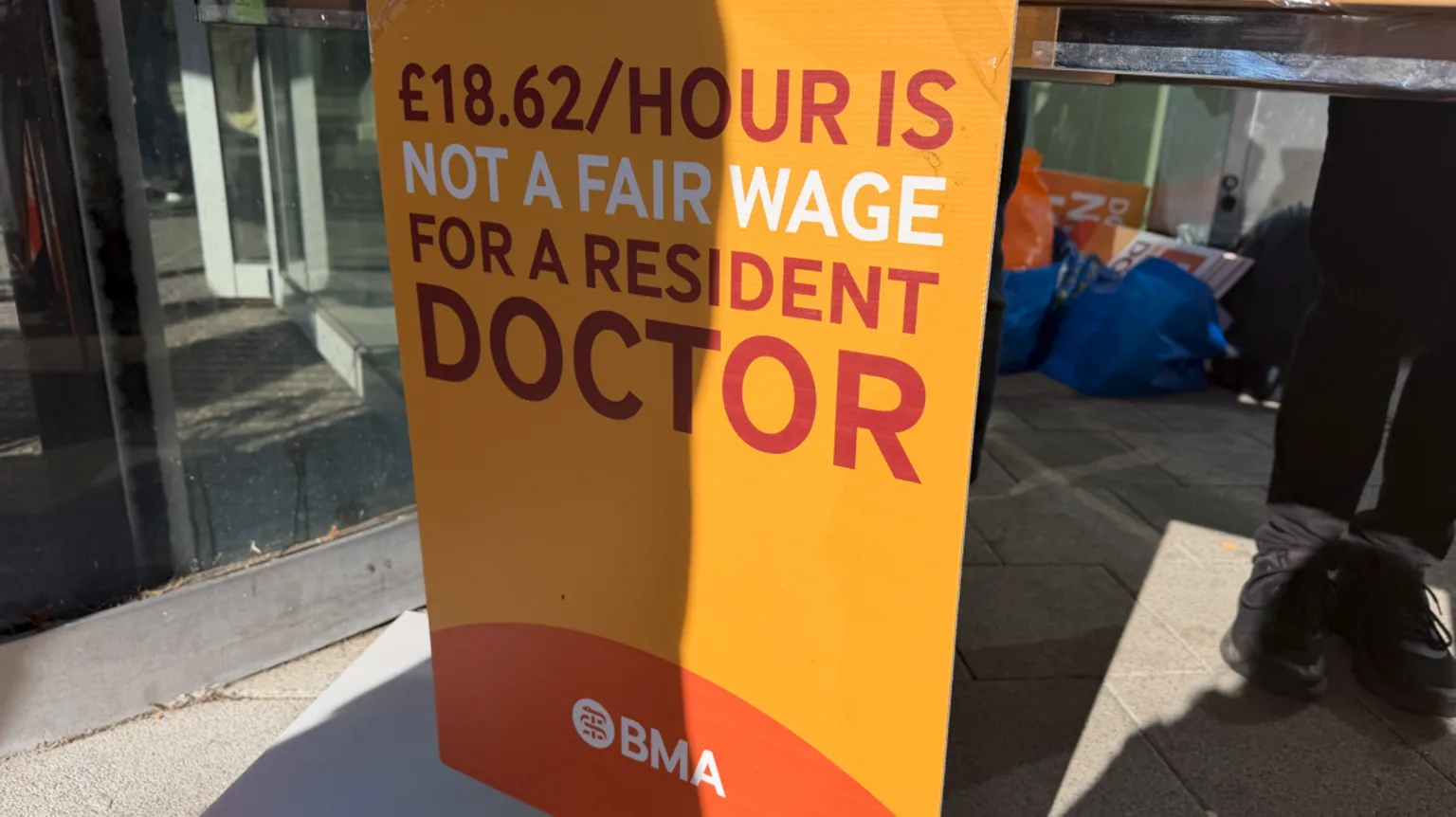
"All we're asking for is to be paid what we were before.
When I first qualified as a doctor, I earned £11.09 an hour. That's now below minimum wage and that's only five or six years ago."
Health Secretary Wes Streeting stated that the government had negotiated with the BMA "in good faith" and criticized the decision not to accept its latest offer. He described resident doctors as "by a country mile the best winners of the entire public sector workforce when it comes to pay rises."
A spokesperson from the Department of Health and Social Care commented that the government had presented resident doctors with a "generous deal." They added:
"Our attention and that of leaders across the NHS is now on protecting patients, staff and our NHS by minimising disruption to the health service."
Resident doctors have recently been awarded a 3.5% pay rise, consistent with increases given to all doctors.
Starting salaries for resident doctors are now just over £40,000, with the most senior doctors receiving £76,500 in basic pay.
Follow BBC Birmingham on , Facebook, X and Instagram for updates.


