

Delayed Diagnosis and New Testing Options
Zoe Armstrong, from Bristol, only discovered she had endometriosis following emergency surgery for an ectopic pregnancy.
"I was told that my symptoms were just part of being a woman."
These words resonate with many women who endure years of severe pain and heavy periods before receiving an endometriosis diagnosis.
Historically, the only definitive method to diagnose endometriosis — a condition where tissue similar to the womb lining grows outside the uterus — was through surgery.
This week, it was announced that rapid, non-invasive endometriosis tests will be made available on the NHS in England and Wales.
For 35-year-old Zoe Armstrong, who lost two pregnancies including an ectopic pregnancy complicated by her endometriosis, a rapid test could have been transformative.
"It was absolutely amazing to hear that rapid tests could be made available on the NHS," she said, recalling how she was told, like many others, that her symptoms "were just part of being a woman."
Armstrong, who now has a daughter, reflected that a simpler test might have identified her condition before her pregnancies.
"There is a little bit of sadness because there are so many people out there who haven't been diagnosed yet, who think they have [endometriosis] and are in this loop," she said. "Hopefully this will cut their waiting times down."
Long Waits for Diagnosis
While Armstrong’s diagnosis came after emergency surgery, others endure prolonged periods seeking answers for debilitating pain.
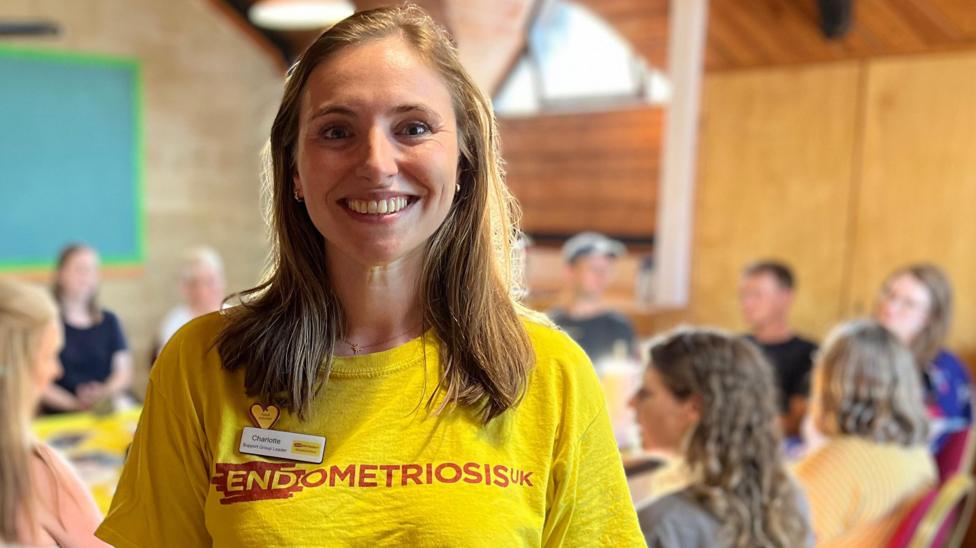
Charlotte Hutchings, 36, from Gloucestershire, experienced symptoms from age 11 but was only diagnosed after 21 years.
Hutchings, who co-leads the Gloucestershire Endometriosis Support Group, stated that rapid testing could have significantly impacted her life and potentially prevented years of numerous doctor visits and hospital admissions.
"I was just constantly told 'it's in your head'," she said, highlighting that a major obstacle to diagnosis has been the reliance on costly and invasive surgery as the only established route.
A report by Endometriosis UK published in March found the average time to receive an endometriosis diagnosis now exceeds nine years, an increase from eight years in 2020.

"There are people talking about it, which is brilliant - that's the first step to changing something," Hutchings said. "But it's still taking nine years to get a diagnosis and there's still not an acceptance of how debilitating this illness can be on women and their families."
Emerging Diagnostic Research and Awareness Efforts
Recent research suggests endometriosis could potentially be diagnosed via blood tests, although further validation is required before such tests become publicly available diagnostic tools.
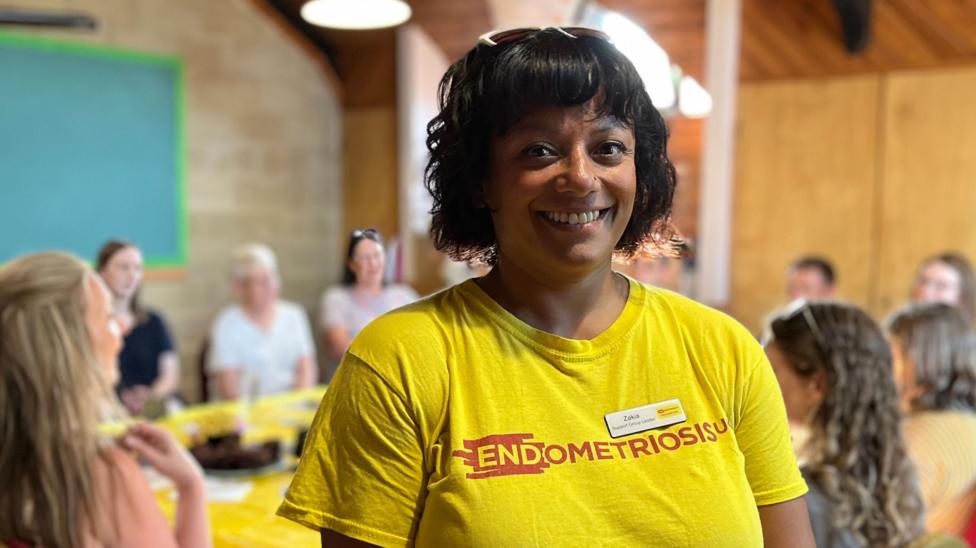
Jakia Hussain, 42, from Cheltenham and co-leader of the support group alongside Armstrong, expressed cautious optimism about the new tests after enduring 18 years of symptoms.
"As long as they [the NHS] are making it really accessible to all patients and hopefully cutting down diagnosis times," Hussain said.
As a biomedical scientist, Hussain emphasized the importance of data-driven approaches and learning from previous experiences introducing new diagnostic tests to ensure effective progress.
Regarding awareness and early symptom recognition among young people, Hussain advocated for grassroots initiatives.
"[We should be] going into schools, talking about period diseases - endometriosis, polycystic ovary syndrome... it would just be good to get more awareness and make it less of a taboo subject. Periods are a normal part of life, we should be talking about it."
Personal Impact and Fertility Concerns
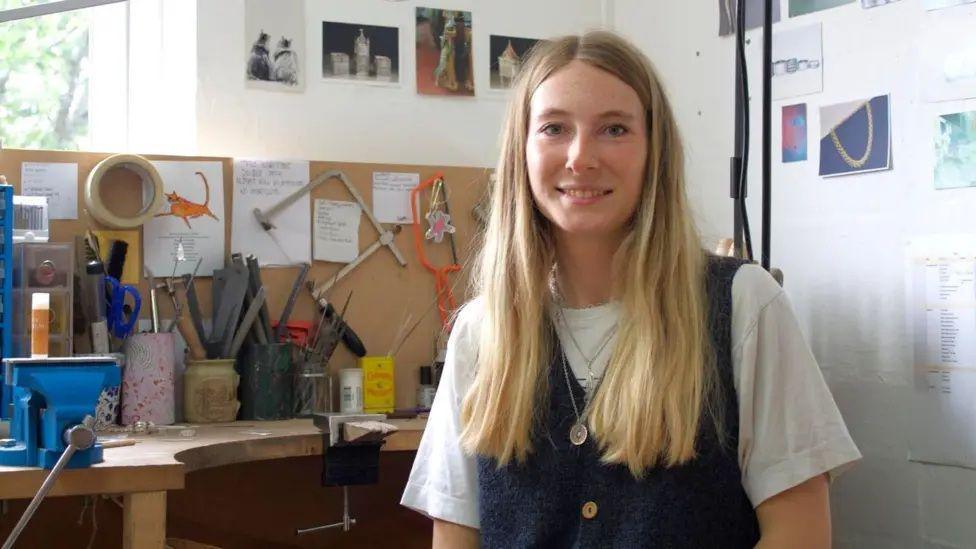
"The difference [rapid tests could have made] would have meant years of my life back," said Iona Hall, 30.
Hall was diagnosed with Stage 4 endometriosis after six years of daily pain and faced two surgeries along with the challenge of raising £21,000 to freeze her eggs.
Having recently relocated from Bristol to the Scottish Borders, Hall described years of repeated doctor visits with little relief.
"I was going back and forth to the doctors for years and years, saying 'nothing's working, nothing's helping'."
After her symptoms intensified, Hall suspected she might have endometriosis.
"I feel like my whole 20s got taken away from me because I was ill," she said. "If I could have just gone to the doctors and told them a couple of my symptoms and they [did a test] then my endometriosis might not have got to Stage 4.
"It's affected my fertility - if it could have just been nipped in the bud years ago [I could have] enjoyed my life and I'm sure everyone else [with endometriosis] would feel like that."
Get in Touch
Tell us which stories we should cover in Bristol.
Follow BBC Bristol on Facebook, X and Instagram. Send your story ideas to us via email or WhatsApp on 0800 313 4630.
- Two tests GPs can soon offer to help spot endometriosis
- Endometriosis could be diagnosed by blood test, research suggests
- Emma Barnett: We can't ignore this disease that leaves one in 10 women like me in agony
- Women can wait years for an endometriosis diagnosis. New tech could change that


